



Modern steel plants operate under constant pressure. That is why more steel manufacturers are turning to the 5 gas analyzer. They must cut emissions, reduce fuel consumption, improve furnace efficiency, and keep workers safe — all at the same time. As environmental standards become stricter and carbon reduction targets move closer, traditional gas monitoring methods no longer provide enough process visibility. Many steel mills still depend on separate instruments or delayed laboratory analysis, which often leads to unstable combustion, energy waste, and missed emission risks.
This five gas analyzer continuously measures key process gases such as O₂, CO, CO₂, NOx, and SO₂ in real time. Together, these gases reveal how efficiently a furnace operates, whether combustion is complete, and if harmful emissions are rising beyond acceptable levels. Modern multi-gas analyzers also support faster process adjustments and more stable production control.
In today’s steel industry, a five gas analyzer is more than an environmental compliance tool. It has become a critical part of combustion optimization, process stability, equipment protection, workplace safety, and low-carbon steel production.
Why Is Emission Monitoring So Important in the Steel Industry?
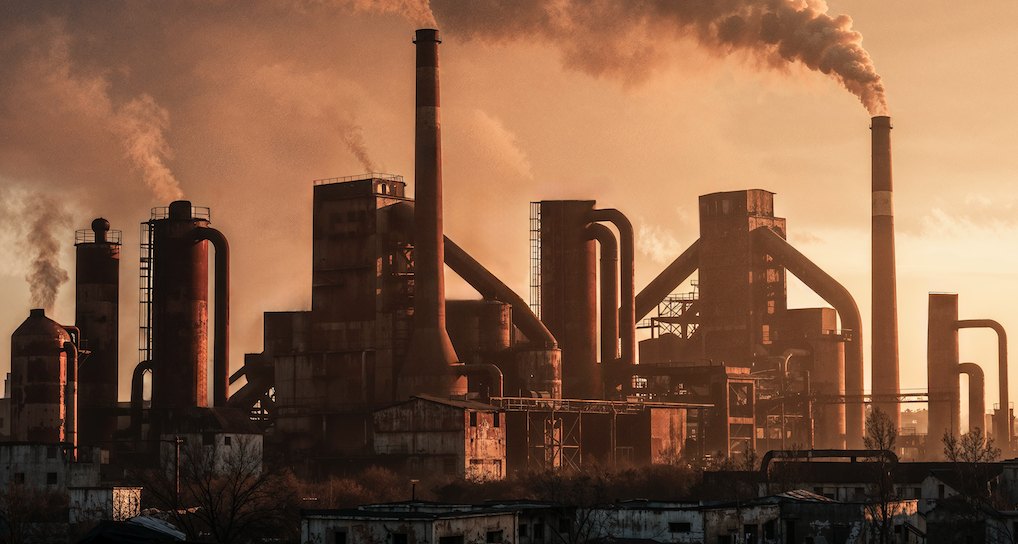
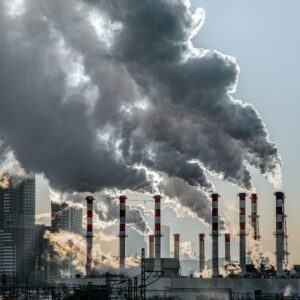
Steel production releases massive volumes of flue gas every day. From sintering and coke ovens to blast furnaces, BOF converters, EAF systems, and reheating furnaces, nearly every stage involves high-temperature combustion or chemical reactions. These processes generate different emission profiles, including CO, CO₂, NOx, SO₂, and excess oxygen. In integrated steel plants, blast furnace and sintering operations are among the largest sources of industrial air emissions.
That is why continuous gas monitoring has become a core part of modern steelmaking. O₂ measurement helps operators control excess air and improve combustion efficiency. CO monitoring reveals incomplete combustion and warns of toxic or explosive gas buildup, especially in blast furnace gas systems. CO₂ data supports carbon tracking and fuel efficiency analysis. Meanwhile, NOx and SO₂ monitoring helps plants meet environmental regulations and reduce acid-forming emissions from high-temperature furnaces and sulfur-containing fuels.
Without real-time gas analysis, steel plants often face unstable furnace operation, wasted fuel, rising emissions, and faster equipment corrosion. Delayed gas data can also increase safety risks and lead to costly compliance penalties. Continuous monitoring allows operators to react immediately, stabilize combustion conditions, and maintain cleaner, safer, and more efficient production.
What Is a 5 Gas Analyzer and Why Does It Matter in Steel Plants?
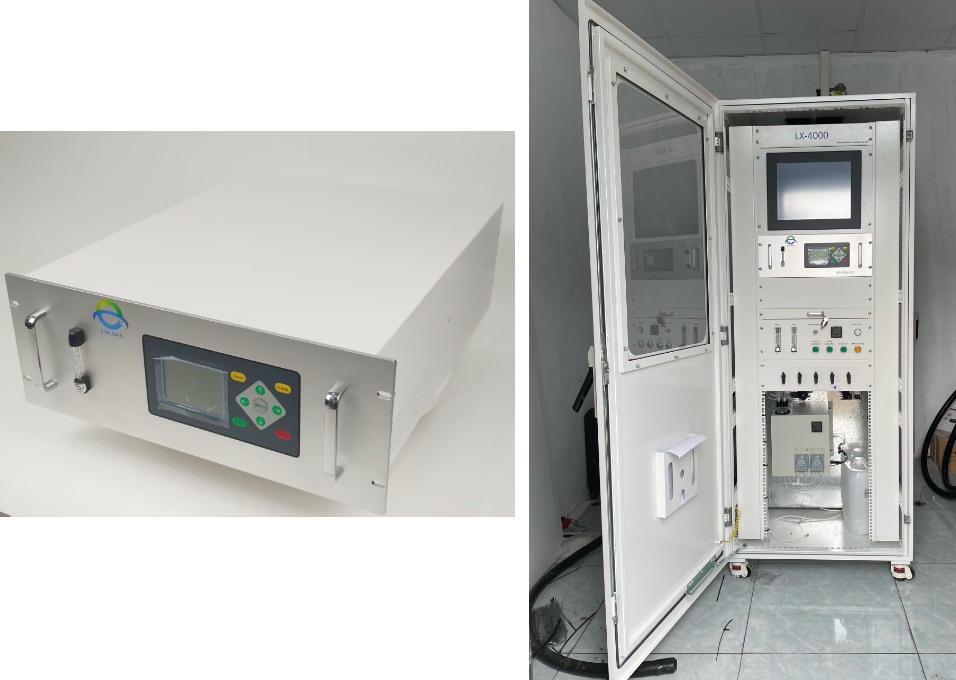
A 5 gas analyzer is a device capable of simultaneously measuring five different gases. In steel mills, it is typically either part of a CEMS system or a standalone portable five-gas analyzer, designed to simultaneously measure five key gases in a single process stream or in emissions. In steel plants, it typically monitors O₂, CO, CO₂, NOx, and SO₂ continuously from a single sampling point. Instead of checking one gas separately, operators can view the complete combustion and emission condition in real time. This gives faster process feedback and more accurate control inside furnaces, stacks, and process pipelines.
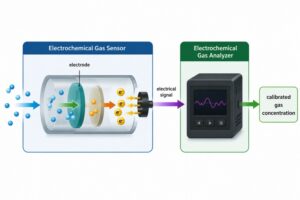
Modern five gas analyzers combine several sensing technologies to handle different gas characteristics. NDIR technology is widely used for CO and CO₂ measurement because of its high stability and accuracy. Electrochemical sensors are commonly applied for O₂ and toxic gas detection. UV-DOAS technology performs well in ultra-low NOx and SO₂ monitoring, especially in harsh flue gas environments. TDLAS analyzers provide fast-response, high-selectivity measurement in high-temperature and high-dust steelmaking processes.
Portable five gas analyzers mainly support spot inspections and maintenance checks, while online continuous analyzers operate 24/7 for process control and emission compliance. In modern steel production, continuous monitoring has become the preferred solution because furnace conditions change rapidly.
Multi Gas Monitoring Matter
Compared with single-gas detection, the real advantage of a 5 gas analyzer comes from gas correlation analysis. For example, O₂ and CO together reveal combustion efficiency. High O₂ with rising CO often indicates unstable combustion or poor air-fuel mixing. CO₂ combined with O₂ helps operators evaluate fuel utilization and thermal efficiency. NOx trends linked with O₂ levels also help optimize combustion while limiting pollutant formation. This multi-parameter approach gives operators deeper process insight. Instead of reacting after problems appear, steel plants can adjust burner conditions, airflow, and fuel supply in real time. That leads to lower fuel consumption, more stable furnace operation, and reduced emissions.
What Features Should You Look for in a Steel Industry 5 Gas Analyzer?
Selecting the right 5 gas analyzer for a steel mill requires answering five questions:
1.Can the Analyzer Handle High Dust and High Temperature Conditions?
Steelmaking processes generate heavy particulate loading and extreme heat, especially around blast furnaces, sinter plants, and reheating furnaces. Standard analyzers often suffer from probe blockage, sensor contamination, or unstable readings under these conditions. Industrial-grade systems use heated probes, high-temperature sampling components, and dust-resistant designs to maintain stable operation in harsh process environments.
2.Why Is Fast Response Time Critical for Combustion Control?
Furnace conditions in steel plants can change within seconds. A slow analyzer may delay combustion adjustments and increase fuel waste or emission spikes. Fast-response technologies such as TDLAS and in-situ optical measurement provide near real-time gas data, allowing operators to stabilize combustion faster and optimize air-fuel ratios more effectively.
3.Does the Sampling System Resist Corrosive Gases?
Steel furnace exhaust often contains SO₂, acidic condensates, and other corrosive compounds. Poor material selection can quickly damage sampling lines and internal components. High-quality analyzers use corrosion-resistant stainless steel, heated lines, and advanced gas conditioning systems to protect sensors and maintain long-term accuracy.
4.How Important Are Stability and Low Maintenance?
Unexpected analyzer downtime can interrupt process control and increase maintenance costs. Modern systems reduce service frequency through automatic calibration, self-diagnostics, and low-maintenance optical measurement technologies. Some steel industry analyzers are specifically designed for continuous operation in dust-loaded off-gas applications with extended maintenance intervals.
5.Can the Analyzer Integrate with Existing Plant Control Systems?
Modern steel plants rely heavily on automation. A 5 gas analyzer should support communication protocols such as Modbus, 4–20 mA, Ethernet, or RS485 for seamless integration with PLC, DCS, and SCADA systems. Real-time data transmission allows operators to monitor emissions, adjust furnace operation, and store process data for compliance reporting and predictive maintenance.
5 Gas Analyzer System-CEMS
A complete industrial 5 gas analyzer system includes more than the gas analyzer itself. The sampling probe extracts flue gas from the stack or furnace. A heated sampling line prevents moisture condensation during transport. The gas conditioning system removes dust, water vapor, and contaminants before measurement. Inside the analyzer cabinet, multiple sensing modules continuously analyze gas concentration and transmit data to the plant PLC or DCS system for real-time control and reporting.
How Modern 5 Gas Analyzer Systems Solve Common Challenges in Steel Plant Gas Monitoring?
Steel plants create extremely demanding conditions for gas analysis systems. Modern 5 gas analyzer system solutions address these problems through advanced sampling and gas conditioning technologies.
Challenge 1: High Dust Loading
Processes such as sintering, coke production, and blast furnace operation release large amounts of particulate matter into flue gas streams. Dust accumulation can block sampling probes and pipelines, causing unstable gas flow and delayed measurements. Modern analyzer systems use heated sampling lines to keep gas temperatures above the dew point during transport. This prevents dust mixed with moisture from sticking inside the pipeline and helps maintain continuous sample flow under heavy dust conditions.
Challenge 2: Moisture Control
Flue gas in steel plants often contains high humidity and water vapor. Once condensation forms inside the sampling system, gas concentration readings may drift or become unreliable. Moisture can also damage sensors and shorten analyzer life. Automatic back purge systems periodically clean the probe and sampling path with compressed air or nitrogen, removing condensate and particulate buildup before blockage occurs. This improves long-term measurement stability and reduces maintenance frequency.
Challenge 3: Corrosive Gas Damage
Steel furnace exhaust commonly contains SO₂ and acidic condensates. These substances can corrode internal tubing, valves, and sensor components if untreated gas directly enters the analyzer. Modern gas conditioning units remove moisture, filter contaminants, and stabilize sample quality before analysis. Corrosion-resistant materials and temperature-controlled conditioning modules also help protect the analyzer from acidic gas attack during continuous operation.
Challenge 4: Extreme Temperature Fluctuations
Process gas temperatures in steel plants can change rapidly during furnace operation, startup, or shutdown. Large temperature swings may cause sensor drift and unstable readings. Modern 5 gas analyzer systems solve this problem by ensuring that properly conditioned gas at a controlled temperature reaches the analyzer cabinet. Stable sample temperature improves sensor reliability, maintains calibration accuracy, and supports long-term continuous monitoring in demanding steelmaking environments.
Conclusion
Modern steel production depends on precise process control. As environmental regulations tighten and energy costs continue to rise, steel plants can no longer rely on delayed or single-point gas measurements. Operators need continuous visibility into combustion conditions, furnace performance, and emission trends in real time. That is exactly where a modern 5 gas analyzer delivers value.
ESEGAS provides advanced industrial 5 gas analyzer solutions designed for harsh steel plant environments. With technologies including NDIR, UV-DOAS, TDLAS, and electrochemical sensing, ESEGAS systems support real-time multi-gas monitoring for blast furnaces, reheating furnaces, sintering plants, and other demanding metallurgical processes.
FAQs:
What is a 5 gas analyzer used for in the steel industry?
A 5 gas analyzer is used to monitor key combustion and emission gases in real time, including O₂, CO, CO₂, NOx, and SO₂. In steel plants, it helps control furnace efficiency, reduce emissions, and improve process stability in operations like blast furnaces, sintering, and reheating furnaces.
Why do steel plants need continuous gas monitoring instead of spot checks?
Steelmaking is a fast and unstable process. Gas composition can change within seconds. Continuous monitoring gives real-time data, helping operators adjust combustion immediately. This reduces fuel waste, prevents unsafe gas buildup, and improves emission compliance.
What technologies are used in a steel industry 5 gas analyzer?
Common technologies include NDIR for CO and CO₂, electrochemical sensors for O₂ and toxic gases, UV-DOAS for NOx and SO₂, and TDLAS for fast, high-temperature measurements. Each technology is selected based on gas type and process conditions.
Can a 5 gas analyzer work in harsh steel plant environments?
Yes. Industrial CEMS are designed for high dust, high temperature, and corrosive gas conditions. With heated sampling lines, gas conditioning units, and corrosion-resistant materials, they can operate continuously in blast furnace and sintering environments.
What is the difference between portable and online 5 gas analyzers?
Portable analyzers are used for inspection, troubleshooting, and short-term measurements. Online analyzers are installed permanently and provide 24/7 real-time monitoring for process control and emission compliance in steel plants.