Flue Gas Analyzers
Emissions Gas Analyzer
Syngas Analyzer
Process Gas Analyzer
Heat Treating Analyzer
NDIR Gas Analyzer
Greenhouse Gas Analyzer
Trace Gas Analyzer
FTIR Gas Analyzer
TDL Gas Module
NDIR Gas Sensor
UV-DOAS Gas Sensor
Carbon Dioxide(CO2) Analyzer
Carbon Monoxide(CO) Analyzer
Methane(CH4) Analyzer
SO2 Gas Analyzer
NOx Gas Analyzer
Zirconia Oxygen Analyzer
Oxygen(O2) Gas Analyzer
Oxygen/Moisture Analyzer
Hydrogen(H2) Gas Analyzer
Ammonia (NH3) Gas Analyzer
HCl Gas Analyzer
HF Gas Analyzer
Ultrasonic Flow Meter
Portable Syngas Analyzer
Portable Biogas Analyzer
Portable FTIR Gas Analyzer
Portable Flue Gas Analyzer
Portable Laser Gas Analyzer
TDL Laser Gas Analysis System
VOC Analyzer
Mercury CEMS
FTIR CEMS
Continuous Emission Monitoring System(CEMS)
Ambient Air Quality Monitoring System(AQMS)
Emission Gas Monitoring
AQMS
Process Gas Control
Lab & Institute Gas Monitoring
Leakage Gas Monitoring
Medical Gas Monitoring
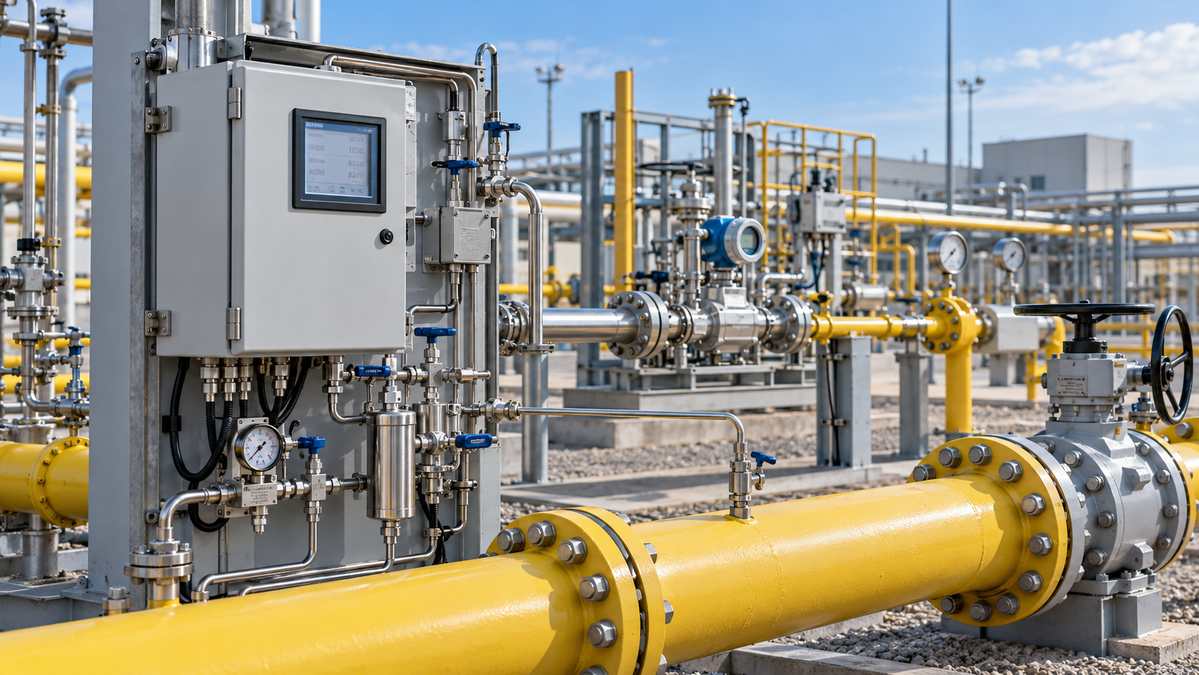
A network operator may know the amount of hydrogen commanded at an injection skid without knowing the composition actually delivered
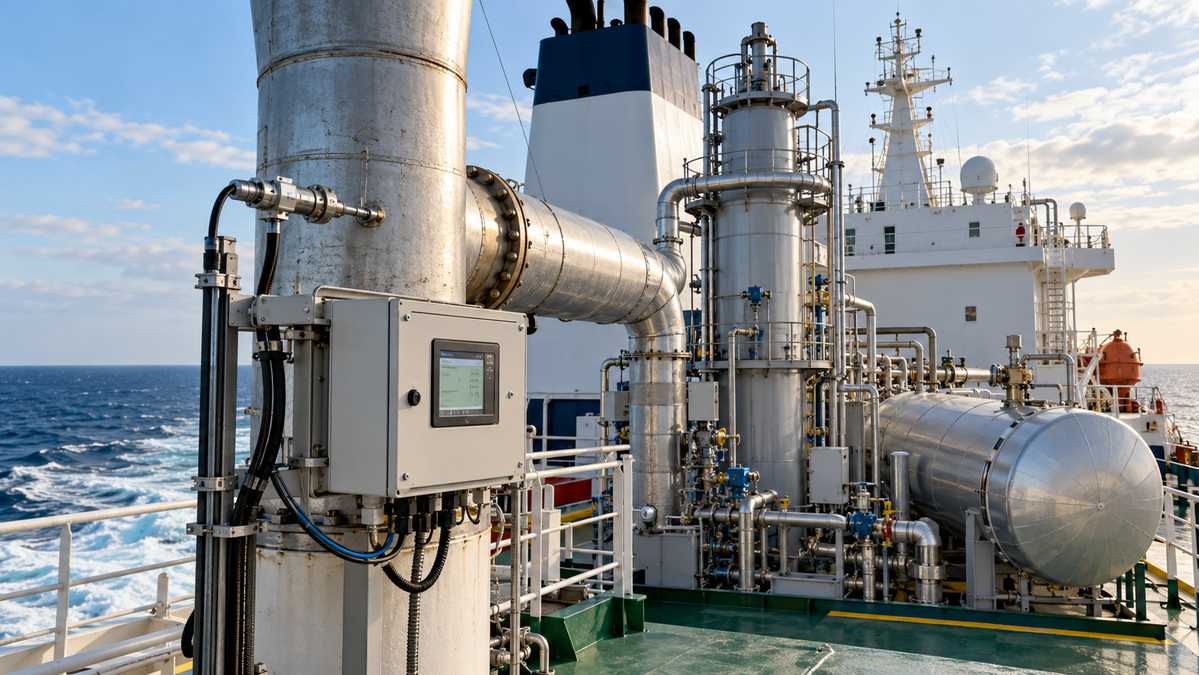
A ship may store a substantial quantity of captured carbon dioxide while still releasing more greenhouse gas than expected through
A battery recycler can meet its material-output target while still experiencing unstable furnace conditions, electrolyte releases or poor gas-treatment performance.
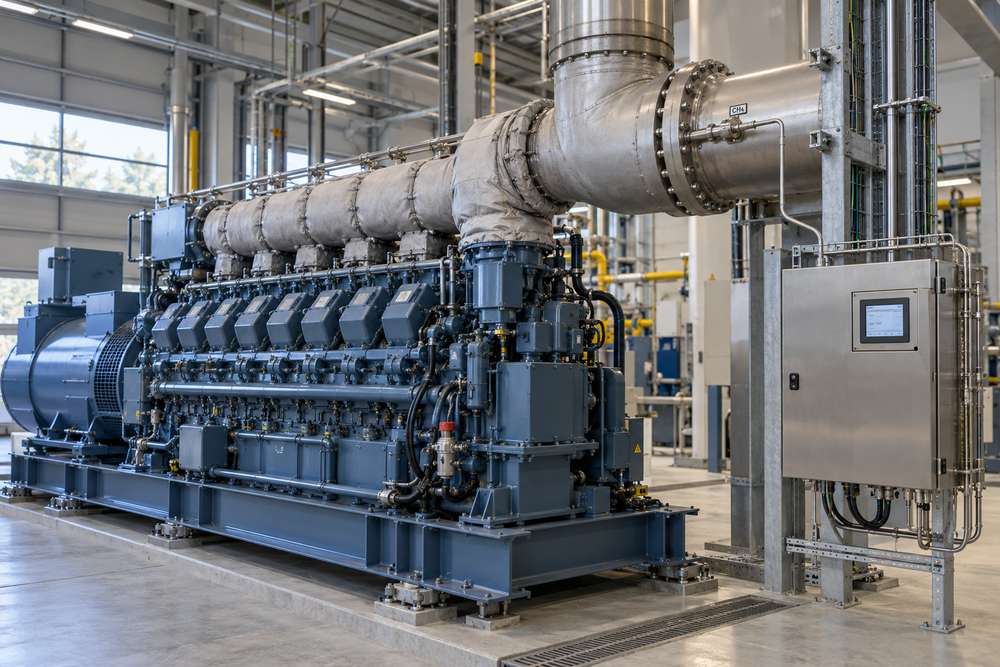
A stationary natural gas engine can maintain power output and acceptable temperatures while allowing a changing quantity of unburned fuel
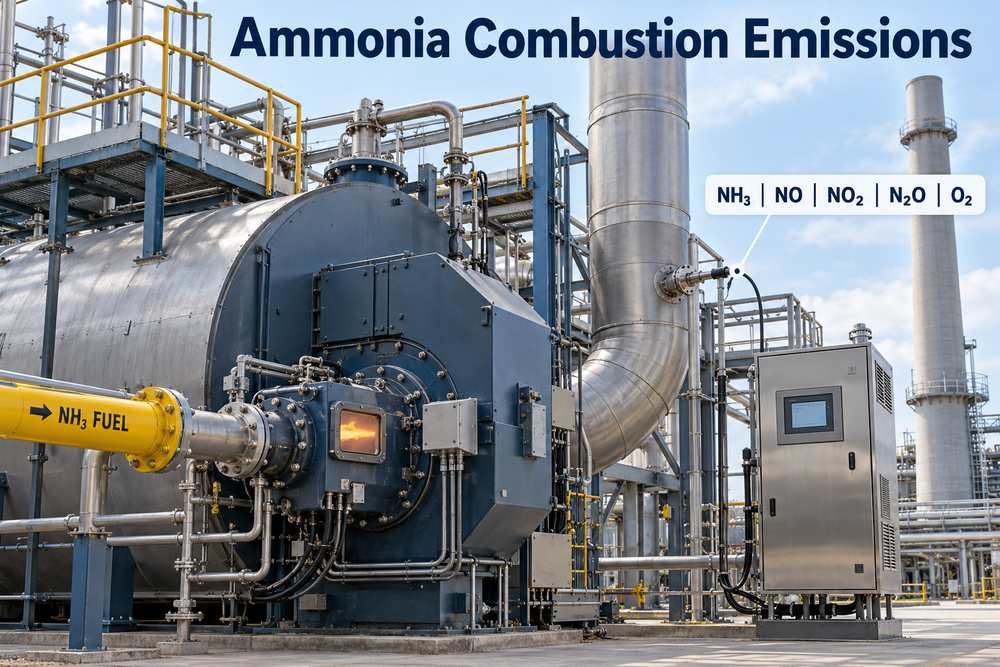
Ammonia contains no carbon, but that does not make its exhaust automatically clean or easy to interpret. Poor combustion, inappropriate
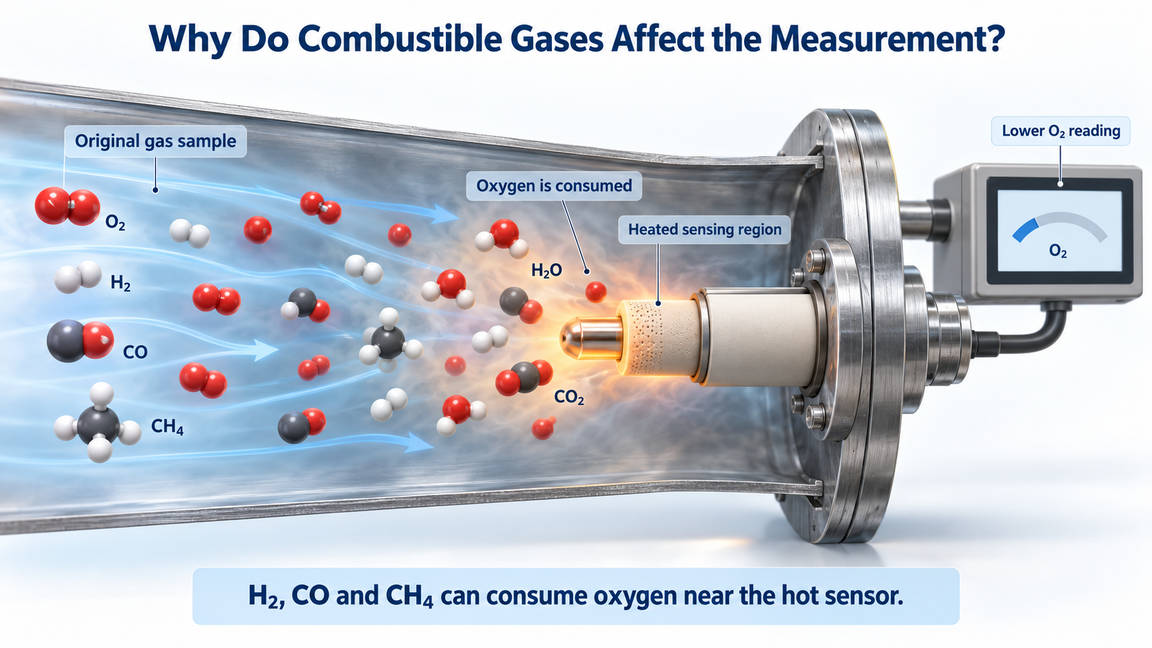
An unexpectedly low oxygen reading can lead operators to adjust a process on the wrong basis. When hydrogen, carbon monoxide,
A regenerative thermal oxidizer may maintain its specified temperature while an inlet valve leaks, a process batch overloads the unit
A chlor-alkali plant can maintain normal electrical load and production while a separator, seal or operating condition begins to deteriorate.
Producers exporting covered goods to the European Union may already operate stack analyzers and assume that these readings can be
A geothermal plant may maintain steady steam flow and electrical output while changes in reservoir chemistry, air leakage, or gas-removal
Nitric acid plants can produce rapidly changing nitrous oxide emissions, particularly when production load or abatement performance changes. If the
Air-quality authorities face a difficult balance: they must prepare for stricter European rules while continuing to operate networks designed under
We will contact you within 1 working day, please pay attention to the email with the suffix “[email protected]” .