Flue Gas Analyzers
Emissions Gas Analyzer
Syngas Analyzer
Process Gas Analyzer
Heat Treating Analyzer
NDIR Gas Analyzer
Greenhouse Gas Analyzer
Trace Gas Analyzer
FTIR Gas Analyzer
TDL Gas Module
NDIR Gas Sensor
UV-DOAS Gas Sensor
Carbon Dioxide(CO2) Analyzer
Carbon Monoxide(CO) Analyzer
Methane(CH4) Analyzer
SO2 Gas Analyzer
NOx Gas Analyzer
Zirconia Oxygen Analyzer
Oxygen(O2) Gas Analyzer
Oxygen/Moisture Analyzer
Hydrogen(H2) Gas Analyzer
Ammonia (NH3) Gas Analyzer
HCl Gas Analyzer
HF Gas Analyzer
Ultrasonic Flow Meter
Portable Syngas Analyzer
Portable Biogas Analyzer
Portable FTIR Gas Analyzer
Portable Flue Gas Analyzer
Portable Laser Gas Analyzer
TDL Laser Gas Analysis System
VOC Analyzer
Mercury CEMS
FTIR CEMS
Continuous Emission Monitoring System(CEMS)
Ambient Air Quality Monitoring System(AQMS)
Emission Gas Monitoring
AQMS
Process Gas Control
Lab & Institute Gas Monitoring
Leakage Gas Monitoring
Medical Gas Monitoring
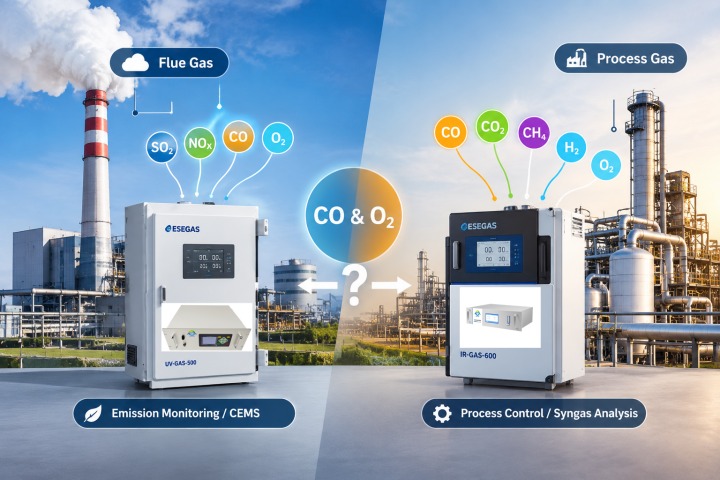
When both a flue gas analyzer and a process gas analyzer can measure CO and O₂, choosing between them may
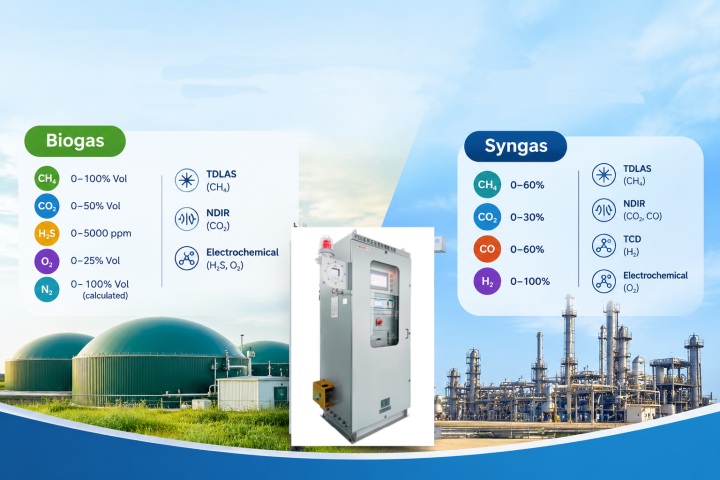
Biogas and syngas may both be combustible process gases, but their compositions, origins, contaminants, and monitoring goals are different. Choosing
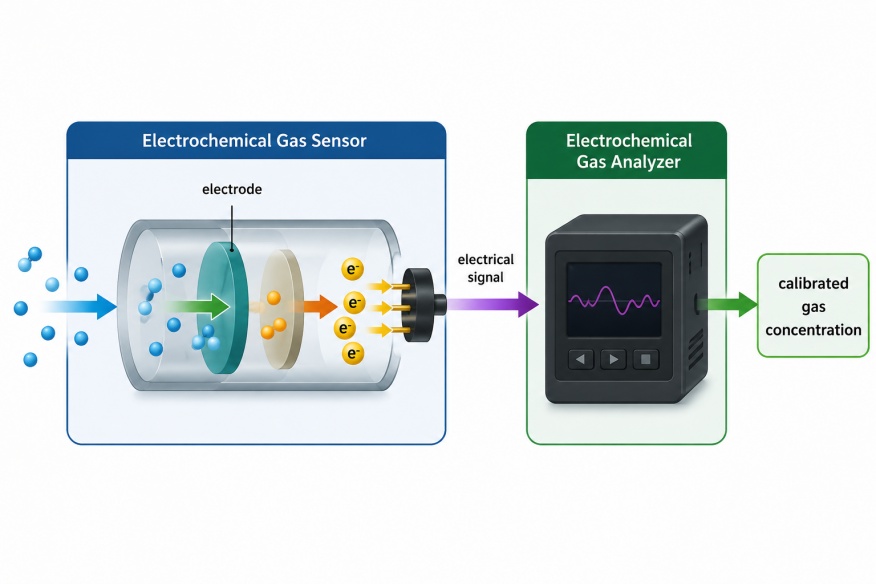
Industrial gas measurement starts with one basic question: how can a gas be converted into a reliable measurement signal? An
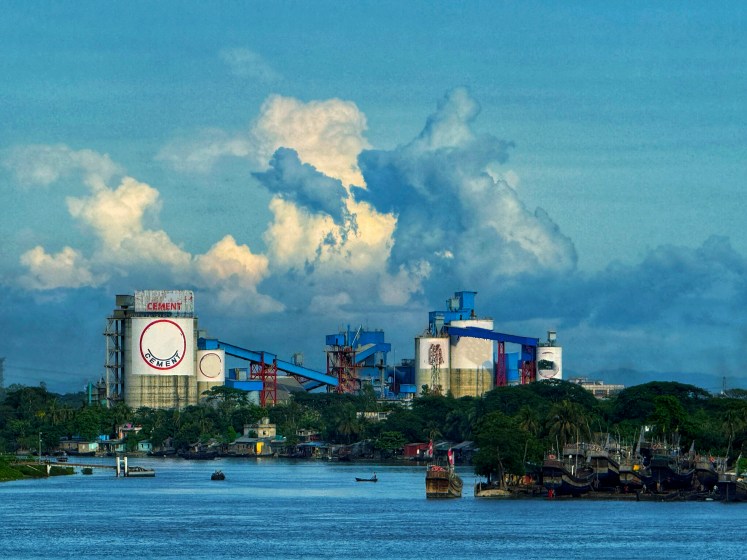
Industry Update In 2026, a carbon capture and mineralisation project at a cement plant in Fujairah, UAE, moved toward continuous
Carbon capture is creating a new role for Continuous Emission Monitoring Systems (CEMS). Traditionally, CEMS have focused on measuring pollutants
Hydrogen chloride (HCl) monitoring in waste-to-energy plants is challenging because hot, wet, dusty flue gas can affect sampling, response time,
Coal gasification produces a complex gas mixture whose composition can change with operating conditions. For plants that need reliable CH₄
Industrial plants cannot afford unreliable gas data. Missed SO₂, NOx, or NH₃ readings can lead to emission violations, poor combustion
Ammonia production depends on tight control of gas composition from reforming through synthesis. Unstable gas composition can reduce ammonia yield,
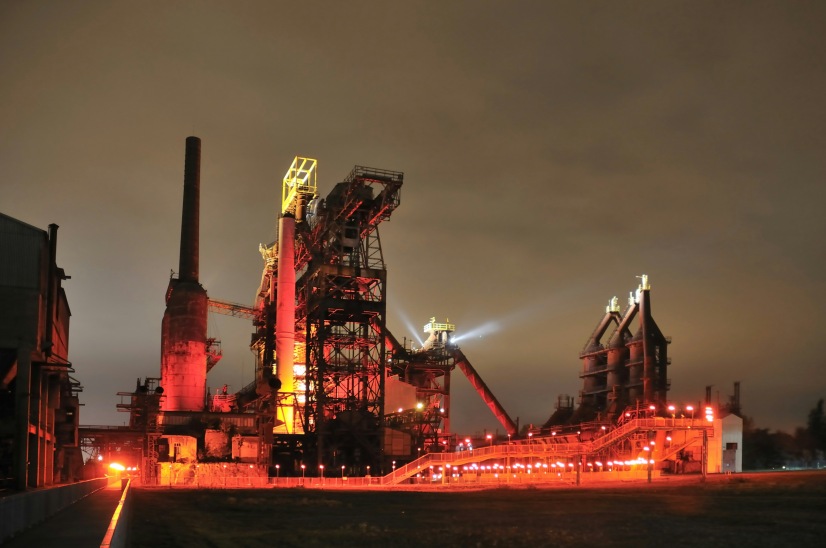
Steel plants have many gas streams, but fixed gas analyzers only see the points where they are installed. During commissioning, troubleshooting,
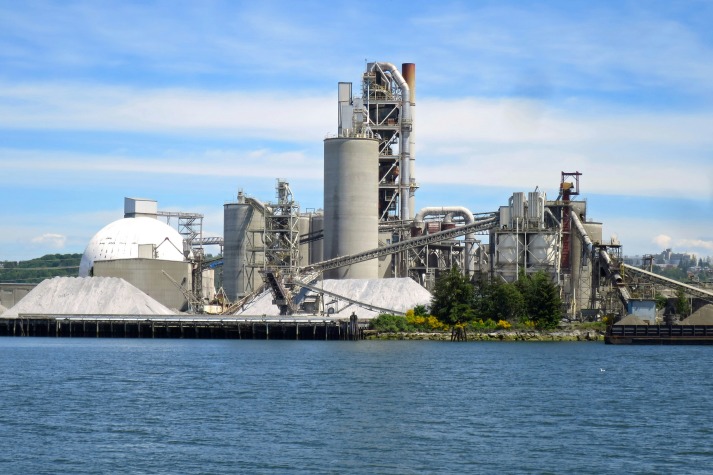
High dust, extreme temperatures, unstable combustion, and tight emission limits make cement kiln gas difficult to measure. Without reliable gas
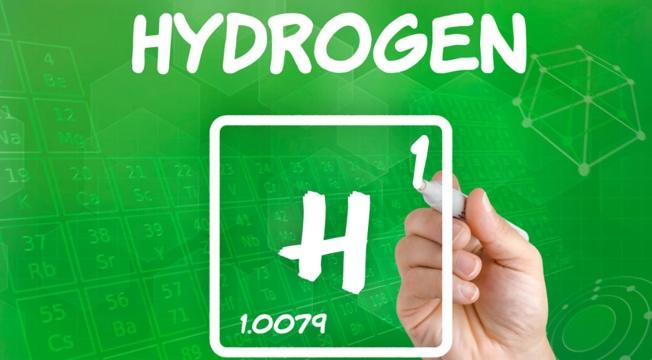
Hydrogen production may appear straightforward: generate hydrogen, separate it, purify it, and deliver it to the next process. In practice,
We will contact you within 1 working day, please pay attention to the email with the suffix “[email protected]” .