Category: Gas Sensing Technology Hub

Blog

Pellet plant kilns run 24/7, pumping out SO2, NOx, and CO around the clock. One drifting sensor means missed emissions

The maritime industry is under increasing pressure to reduce harmful emissions while maintaining efficient vessel operations. As international regulations become

In modern industrial emission control, SCR (Selective Catalytic Reduction) systems have become one of the most effective technologies for reducing

Biomass boilers can convert renewable fuels into useful heat and steam, but their emission profiles are rarely stable. Changes in

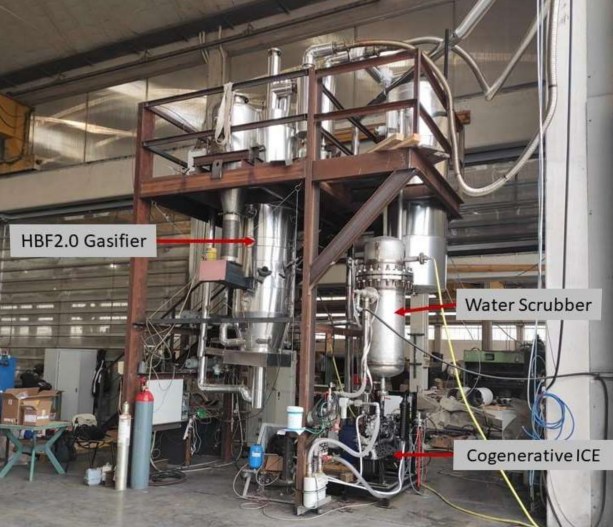
Running multiple gasifiers but still dealing with unstable readings, clogged sampling lines, or delayed gas analysis? These problems reduce efficiency,

Many plants invest in gas analyzers that are more complex and expensive than their application actually requires. The result is

In cement production, oxygen content is more than a basic gas value on a control screen. When O₂ is too

Industrial gas monitoring becomes risky when the data arrives too late, changes during sampling, or requires constant maintenance before it

Industrial gas monitoring becomes difficult when the process gas is hot, wet, dusty, corrosive, or changing quickly. In these conditions,

Choosing a gas analyzer should never be a guess. In many industrial applications, one wrong selection can lead to unstable

Industrial fluid welding is unforgiving. A small change in shielding gas composition, residual gas concentration, moisture, carbon dioxide, carbon monoxide,

Hydrogen analyzer readings keep drifting, yet production targets remain unchanged. As a result, operators struggle with unstable processes, safety concerns,

Ask For A Quick Quote !

We will contact you within 1 working day, please pay attention to the email with the suffix [email protected] .