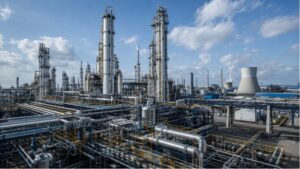




An unnoticed rise in carbon monoxide can compromise pharmaceutical safety, reduce combustion efficiency, and trigger costly downtime. A reliable NDIR CO sensor helps detect problems before they affect production.
An NDIR CO sensor continuously measures carbon monoxide with excellent stability and selectivity. For pharmaceutical plants requiring a low measurement range such as 0–10 ppm, it enables early detection of combustion abnormalities, improves personnel safety, supports GMP-compliant operations, and reduces long-term maintenance costs.
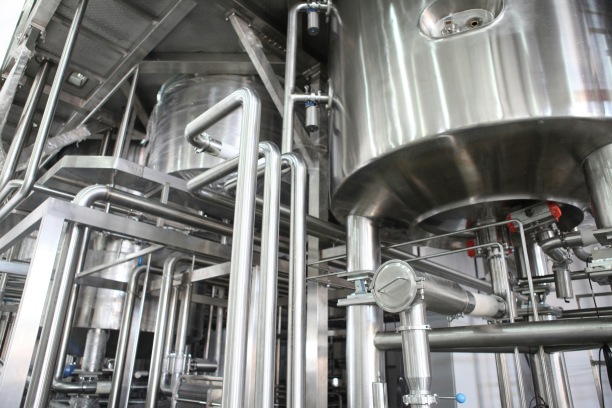
However, selecting an industrial CO sensor involves more than choosing a measurement range. Understanding where CO originates, why low-level detection matters, and how NDIR technology performs under continuous operation helps procurement teams make a smarter investment.
Where Can Carbon Monoxide Be Generated in a Pharmaceutical Plant?
Several utility systems may produce carbon monoxide during daily operation:
- Steam boilers
- Clean steam generators
- Thermal oxidizers for VOC treatment
- Hot water boilers
- HVAC combustion systems
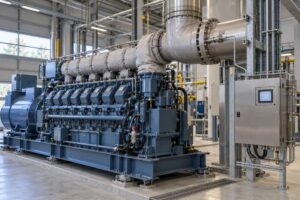
- Emergency diesel or natural gas generators
Although these systems are not directly involved in drug manufacturing, they are essential for maintaining stable production conditions. Therefore, reliable CO monitoring contributes to both operational safety and production continuity.
For example, if a boiler burner becomes misaligned or the air-to-fuel ratio drifts, CO emissions often increase before fuel efficiency noticeably declines. Continuous monitoring allows operators to identify the issue early instead of discovering it during routine maintenance.
Why Does Low-Level CO Monitoring Matter in the Pharmaceutical Industry?
Many industrial accidents do not begin with extremely high CO concentrations. Instead, combustion systems often show a gradual increase over time.
A 0–10 ppm NDIR CO sensor is designed to detect these subtle changes with high resolution. Rather than functioning solely as a safety alarm, it becomes a predictive maintenance tool.
Low-level monitoring offers several benefits:
- Detect incomplete combustion earlier
- Improve burner efficiency
- Reduce natural gas consumption
- Extend equipment service life
- Minimize unexpected downtime
- Support safer working environments
For procurement managers, this also means a better return on investment. A single avoided production interruption may offset the cost of continuous gas monitoring.
Moreover, stable combustion directly affects operating expenses. Less excess fuel, fewer emergency repairs, and improved process stability all contribute to lower lifecycle costs.
Where Are NDIR CO Sensors Used in Pharmaceutical Plants?
In pharmaceutical facilities, CO monitoring is typically installed within utility systems rather than production lines. These systems provide the heat, steam, and environmental control necessary for compliant manufacturing.
1. Boiler Combustion Control
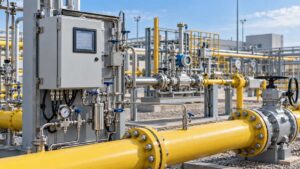
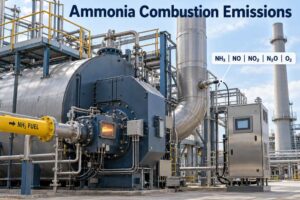
Steam boilers supply process steam for sterilization, heating, and production support. A 0–10 ppm NDIR CO sensor continuously verifies combustion quality, helping operators optimize the air-to-fuel ratio, reduce fuel consumption, and identify burner issues before efficiency declines.
2. Thermal Oxidizers
Thermal oxidizers destroy volatile organic compounds (VOCs) generated during solvent handling. Continuous CO monitoring confirms that combustion remains complete and efficient. A rising CO trend often signals incomplete oxidation or burner performance issues that require maintenance.
3. HVAC and Utility Systems
HVAC systems play a critical role in maintaining cleanroom conditions.
Monitoring combustion equipment supplying these systems helps protect indoor air quality while improving overall utility efficiency.
4. Emergency Generator Rooms
Backup generators must start immediately during power failures. Continuous CO monitoring verifies combustion performance during routine testing and helps protect maintenance personnel working in enclosed equipment rooms.
What Features Should Pharmaceutical Plants Look for in an NDIR CO Sensor?
Purchasing an industrial gas analyzer is more than comparing prices or specifications. Procurement managers in pharmaceutical plants must consider measurement performance, operating costs, maintenance requirements, and system compatibility over the gas analyzer’s entire service life.
1) Does the Measurement Range Match Your Application?
The first question is simple but critical: What CO concentration do you actually need to measure? Many combustion systems operate under normal conditions with CO concentrations well below 10 ppm. In these applications, selecting a low-range CO sensor provides higher resolution than choosing a wide-range instrument.
A 0–10 ppm CO measurement range enables operators to identify small combustion changes before they become equipment failures. This early warning capability supports predictive maintenance instead of reactive repairs.
Because modern NDIR CO sensors can detect CO concentrations from sub-ppm levels up to several thousand ppm, users can choose the measurement range that best fits their process requirements.
2) Can the Sensor Deliver Stable Performance for Years?
Long-term stability is one of the biggest advantages of NDIR technology.
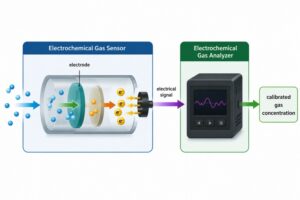
Unlike electrochemical sensors that gradually consume reactive materials, NDIR sensors use infrared absorption. Since no chemical reaction occurs inside the measurement chamber, sensor drift remains low over extended operating periods.
For pharmaceutical manufacturers, this means:
- Longer calibration intervals
- Fewer sensor replacements
- Lower maintenance costs
- More consistent measurement accuracy
These benefits become even more valuable in GMP-controlled environments, where maintenance activities must be documented and production interruptions should be minimized.
3) Does It Support Modern Automation Systems?
Today’s pharmaceutical plants rely heavily on automation. An industrial NDIR CO sensors should integrate easily with: PLC systems, DCS platforms, SCADA software, Plant historians, and Remote monitoring systems. Standard industrial communication options include: 4–20 mA analog output, RS485, Modbus RTU, AND Ethernet (optional).
Easy integration allows engineers to trend CO concentrations alongside burner temperature, oxygen concentration, fuel flow, and combustion efficiency. This creates a more complete picture of boiler performance and simplifies preventive maintenance.
4) Is the Total Cost of Ownership Lower?
The purchase price is only part of the investment. Procurement managers should evaluate the total cost of ownership (TCO) by considering:
- Calibration frequency
- Spare parts
- Sensor lifetime
- Maintenance labor
- Downtime costs
- Expected service life
Although an industrial NDIR analyzer may require a higher initial investment than a basic electrochemical sensor, its lower maintenance requirements and longer operating life often result in a lower lifecycle cost.
Why Choose ESEGAS NDIR-GFC CO Sensor Solutions for Pharmaceutical Applications?
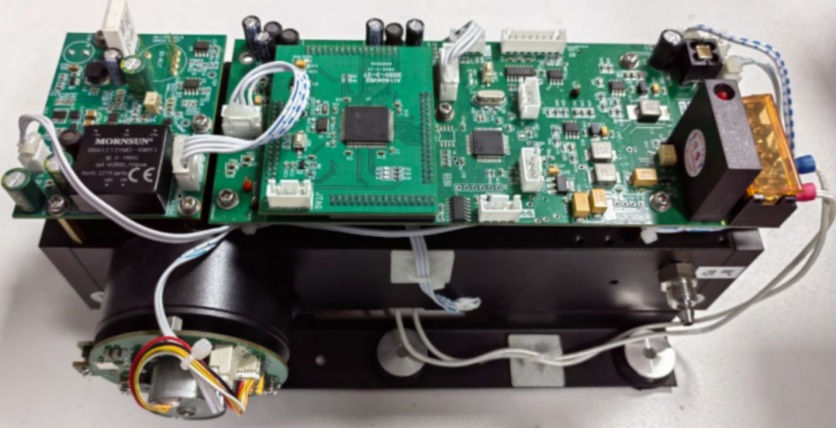
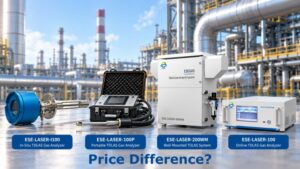
Selecting the right gas analyzer is only part of the solution. Choosing an experienced technology partner is equally important. ESEGAS designs industrial gas analysis systems for continuous process monitoring in demanding industrial environments. For pharmaceutical utility systems, ESEGAS offers NDIR GFC CO sensors that combine high measurement accuracy with dependable long-term performance.
When discussing ultra-low-range CO analysis, global brands such as ABB and Fuji Electric have long been recognized for their excellent optical technologies and measurement stability. Their analyzers are widely used in demanding industrial and research applications.
However, many pharmaceutical projects do not require every premium feature associated with these high-end platforms. Instead, procurement teams often seek a solution that offers:
- Reliable 0–10 ppm and 0–50 ppm CO measurement
- Stable long-term performance
- Low maintenance requirements
- Standard industrial communications
- Flexible OEM integration
- Faster delivery
- A significantly lower total investment
This is where ESEGAS stands out. By focusing on the performance parameters that matter most in pharmaceutical utility applications, ESEGAS delivers a solution that bridges the gap between entry-level gas analyzers and premium international brands. Customers gain high-sensitivity GFC technology, industrial-grade stability, and flexible customization, while avoiding the substantially higher acquisition costs typically associated with top-tier gas analyzers.
In short, if your project requires accurate and stable CO monitoring at 0–10 ppm or 0–50 ppm, ESEGAS offers one of the strongest value propositions in the market—delivering performance approaching premium international brands such as ABB and Fuji Electric, while offering a substantially more cost-effective solution for industrial applications.
Conclusion
A high-performance NDIR CO sensor does far more than measure carbon monoxide. It improves combustion efficiency, enhances personnel safety, supports GMP-compliant operations, and lowers long-term operating costs.