



When both a flue gas analyzer and a process gas analyzer can measure CO and O₂, choosing between them may seem straightforward. In practice, it is not.
The key question is not simply “Can the flue gas analyzer measure CO and O₂?” It is “Is the gas analyzer designed around the application, gas matrix, measurement range, sampling system, compliance requirements, software, and plant integration?”
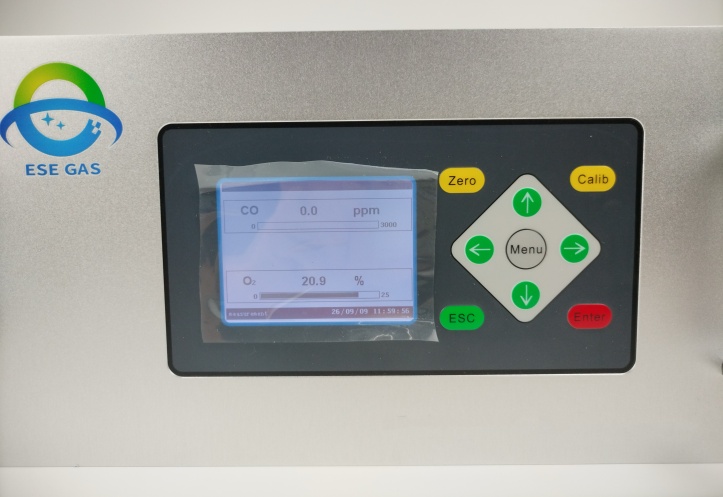
For this reason, an gas analyzer that works well for process gas measurement may not be the most suitable platform for a flue gas monitoring project.
What Is the Difference Between a Flue Gas Analyzer and a Process Gas Analyzer?
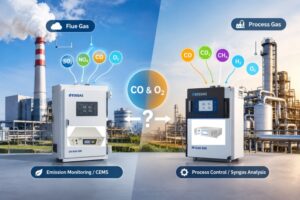
Configuring Flue gas analyzer and process gas analyzer to measure carbon monoxide (CO) and oxygen (O₂). However, measuring the same gases does not make two gas analyzers interchangeable.The main difference is not the name of the gas being measured. It is the application in which that gas exists.
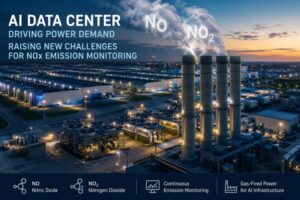
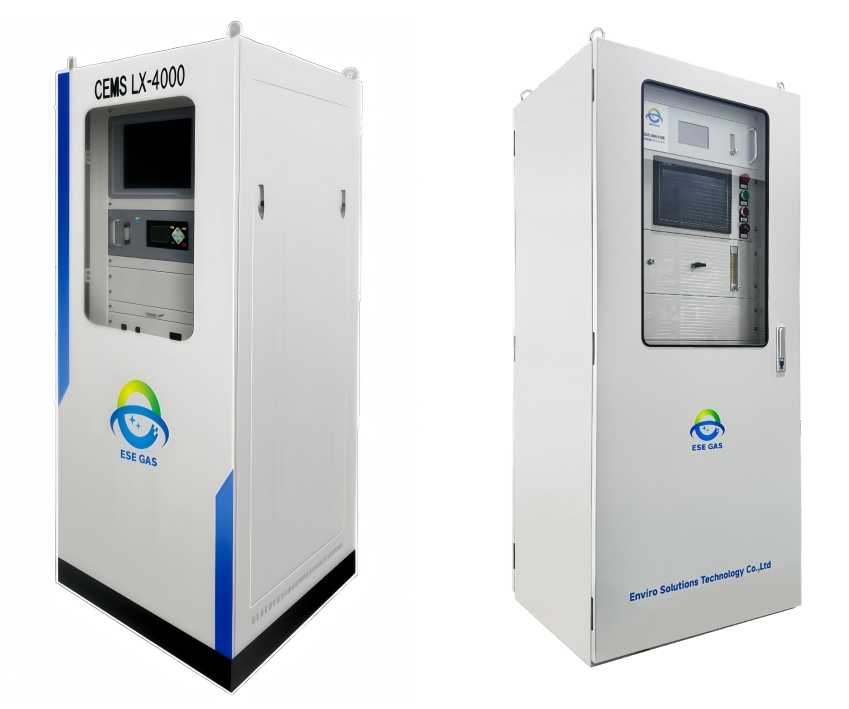
A flue gas analyzer typically measures gas after combustion. The measurement may take place in a boiler outlet, furnace exhaust, incinerator stack, or other emission source. It normally forms part of an emission-monitoring system. It may monitor CO and O₂ together with other components such as SO₂, NO and NO₂.
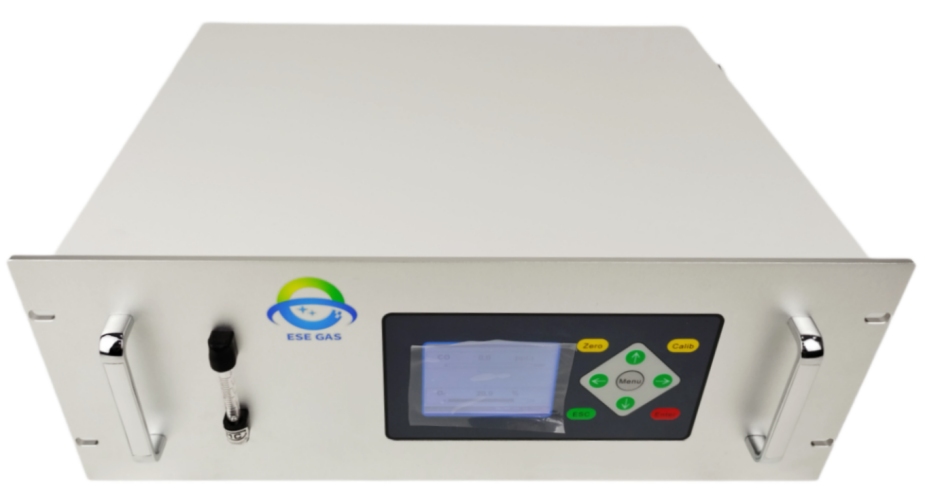
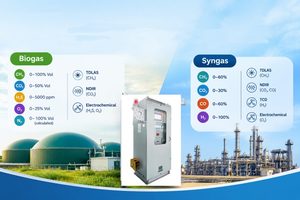
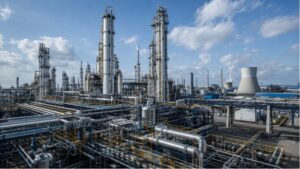
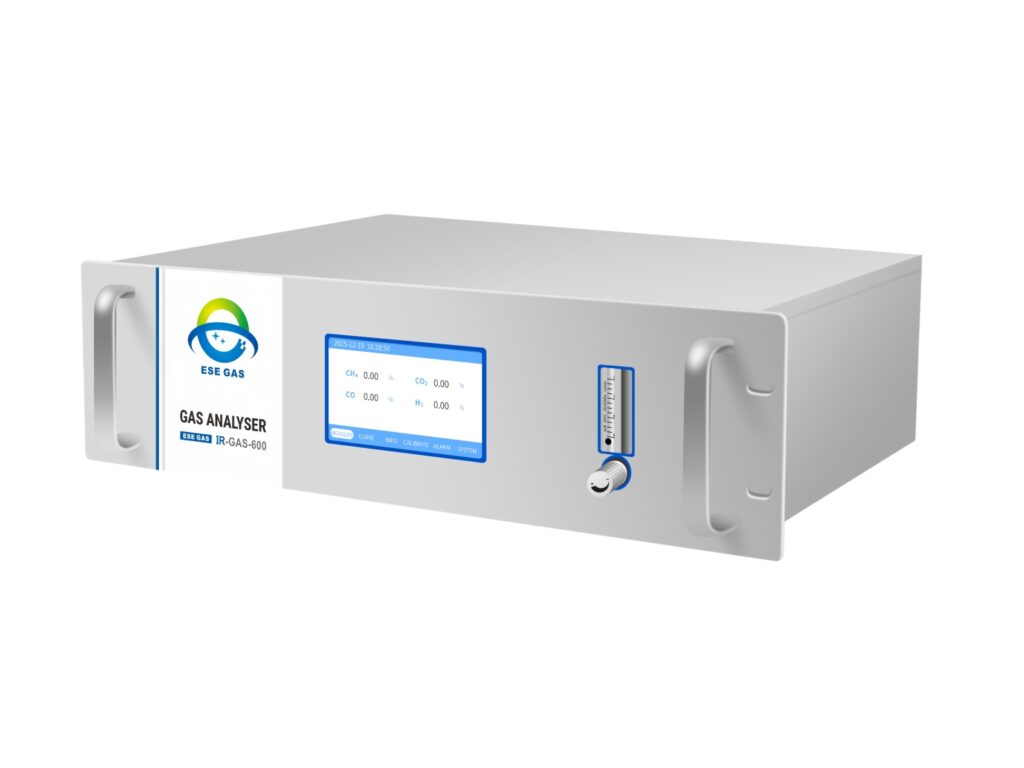
A process gas analyzer measures gas within an industrial process. Typical applications include gasification, syngas production, steelmaking, chemical processing, and other process-control applications. It usually focuses on the composition of a process stream and may measure CO, CO₂, CH₄, H₂ and O₂ over relatively broad concentration ranges.
This distinction matters because the gas matrix can change dramatically from one application to another. For example, CO in a stack may occur at a relatively low concentration and exist alongside O₂, CO₂, water vapor, particulate matter, SO₂, NOx and other combustion products. CO in syngas may occur at a much higher concentration and coexist with H₂, CO₂, CH₄ and other process gases. The target gas is still CO. The measurement problem is not.
Why Does the Application Matter More Than the Measured Gas?
A gas analyzer does not measure a gas in isolation. It measures that gas inside a specific gas matrix. Therefore, engineers should define the application before selecting the gas analyzer.
For a flue gas application, the design questions may include:
Is the measurement part of a CEMS?
What are the expected CO and O₂ concentrations?
What other gases are present?
How much moisture is in the sample?
Is particulate matter present?
What are the sample temperature and pressure and sampling and conditioning system is required?
What communication interface must connect to the plant system and regulatory requirements apply?
For a process gas application, the questions may be different:
What is the process gas composition?
Is CO measured in ppm or percent?
Are CO₂ and CH₄ also required?
Is H₂ measurement necessary?
What process control decisions depend on the measurement?
What pressure and temperature conditions exist?
How quickly must the analyzer respond to process changes?
This is why gas component + concentration range + gas matrix + application is a much better specification than simply saying “CO analyzer.”
Why Can a Flue Gas Analyzer and a Process Gas Analyzer Measuring the Same Gases Have Different Software?
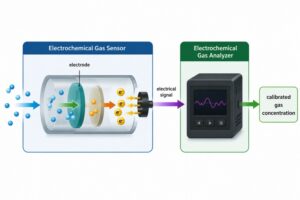
The software does more than display gas concentration. The gas analyzer software can define how the instrument handles: measurement channels, calibration, zero and span adjustment, alarm limits, sensor status, measurement units, range switching, fault information, data logging, communication, output scaling, maintenance functions.
A process gas analyzer may be configured around process-control variables, while a flue gas analyzer may need functions associated with emission monitoring. The hardware sensor is only one part of the system. Think of it this way: The sensor measures the gas. The software defines how the analyzer turns that measurement into usable plant data.
This is why a flue gas analyzer and a process gas analyzer with similar sensors can still require different software architectures. For a specific ESEGAS project, the exact software functions should be confirmed with the engineering team.
Why Do Communication Protocols Matter When Selecting a Gas Analyzer?
A gas analyzer rarely works alone. In an industrial plant, it usually connects to another control or monitoring system such as: PLC, DCS, SCADA, CEMS data acquisition system, environmental monitoring platform. The gas analyzer therefore needs to deliver more than a CO value.
The receiving system may also need: O₂ concentration, gas analyzer status, calibration status, alarm status, fault information, measurement units, channel identification, range information. For example, ESEGAS publishes RS485 and 4–20 mA outputs for UV-GAS-500.
However, having the same physical interface does not automatically make two gas analyzers plug-and-play replacements. The receiving system may use different: register addresses, channel definitions, scaling factors, status codes, data formats, communication parameters.
Therefore, when a customer specifies a particular software or communication architecture, the gas analyzer platform may need to be selected around that architecture.
Can a Process Gas Analyzer Replace a Flue Gas Analyzer in a CEMS?
A process gas analyzer may have the required CO and O₂ measurement technologies. However, that does not by itself demonstrate that the complete gas analyzer system satisfies the requirements of a particular CEMS application.
Before making a substitution, engineers should verify:
Applicable emission regulations
Required measurement range
Required performance specifications
Sampling configuration
Calibration procedure
Response-time requirements
Gas conditioning
Data acquisition
Communication protocol
QA/QC requirements
Analyzer software
Plant integration
The correct statement is therefore not:“A process gas analyzer cannot be used for CEMS.”A more accurate statement is:“A process gas analyzer can only be considered for a specific CEMS application after its configuration and performance have been verified against the applicable project and regulatory requirements.”
That distinction protects the engineering decision from a common mistake: confusing measurement capability with application compliance.
How Does ESEGAS Position Flue Gas Analyzer and Process Gas Analyzer?
ESEGAS does not need to treat flue gas analyzer IR-GAS-500 and process gas analyzer IR-GAS-600 as competing products. They can be positioned as two application-oriented platforms. The flue gas analyzer IR-GAS-500 is a version of UV-GAS-500 that replaces the UV-DOAS-based sensor with an NDIR sensor and an electrochemical sensor.
The following comparison provides a practical starting point.
| Selection factor | ESEGAS Flue Gas Analyzer | ESEGAS Process Gas Analyzer |
|---|---|---|
| Primary positioning | Flue gas / emission monitoring | Process gas / syngas analysis |
| CO measurement | Published NDIR-GFC configuration | NDIR |
| O₂ measurement | ECD | ECD or optional paramagnetic |
| CO range | Published configurations include ppm ranges | Published process configurations range from 0–5% to 0–100% |
| Other gases | SO₂, NO, NO₂, CO₂, O₂ depending on configuration | CO₂, CH₄, H₂, O₂ and other gases depending on configuration |
| Typical application | Flue gas and emission monitoring | Process gas, syngas and gasification |
| CEMS application | Application-specific | Application-specific; verify project requirements |
| Output | RS485 / 4–20 mA | Configuration-dependent |
| Sampling | Application-dependent | Application-dependent |
| Best selection criterion | Emission-monitoring architecture | Process-monitoring architecture |
The published ESEGAS specifications support the broad positioning shown above. However, final specifications should always be taken from the quotation and project datasheet for the actual configuration.
Conclusion
A flue gas analyzer is generally the more suitable platform when CO and O₂ measurement supports emission monitoring or CEMS, while a process gas analyzer may better fit process and syngas applications. The final choice should follow the gas matrix, range, sampling, compliance, software and communication requirements. For application-specific selection, ESEGAS can help engineers define the appropriate gas analyzer configuration.
FAQs:
Can a process gas analyzer measure CO and O₂?
Yes. A process gas analyzer can measure CO and O₂ when its configuration supports these gases and ranges. ESEGAS IR-GAS-600 uses NDIR for CO and can use electrochemical or paramagnetic measurement for O₂.
Why use a flue gas analyzer for CO and O₂?
A flue gas analyzer is generally more appropriate when CO and O₂ measurement forms part of a flue gas emission-monitoring system. The selection should also consider sampling, gas conditioning, CEMS requirements, calibration and plant integration.
Can a process gas analyzer replace a CEMS analyzer?
Not automatically. The replacement must satisfy the measurement, system and regulatory requirements of the specific CEMS application. In the United States, EPA PS-4B provides performance specifications for CO and O₂ continuous monitoring systems at stationary sources.
What is the difference between a flue gas analyzer and a process gas analyzer?
A flue gas analyzer generally targets combustion exhaust and emission monitoring, while a process gas analyzer generally targets process-stream composition and control. The difference is therefore mainly application and system architecture, not simply the gases measured.
Why can two gas analyzers use different software?
Different analyzers may use different software because they support different measurement channels, calibration functions, alarm logic, data structures, diagnostics and communication requirements.
Does the same communication interface make two analyzers interchangeable?
No. Two analyzers may both provide RS485 or 4–20 mA while using different register maps, channel assignments, scaling, status codes or software interfaces.
What is the difference between ppm and percent CO measurement?
ppm is normally used for much lower concentrations, while percent represents a much higher concentration. Analyzer range selection should match the expected process concentration and the required measurement performance.
What should I consider when selecting a CO/O₂ gas analyzer?
Start with the application, gas composition, concentration range, temperature, pressure, moisture, dust, sampling method, CEMS requirements, calibration, software, communication and plant-system integration.