



In a power plant, burning fuel efficiently and safely matters every day. Engineers constantly balance air and fuel mix to produce maximum energy with minimum waste. Carbon monoxide (CO) forms when combustion is incomplete. High CO levels show that fuel is not burning fully, wasting energy and raising pollution. Accurate CO measurement helps engineers tune burners, protect equipment, and keep emissions in check.
First, CO levels act as a real-time sign of combustion quality. If CO climbs, the combustion process needs adjustment. Monitoring this gas lets engineers fine-tune the air-to-fuel ratio for better fuel use and higher thermal efficiency. Second, detecting CO early helps prevent unsafe conditions and costly shutdowns. Finally, regulators require strict reporting of combustion emissions. Reliable CO data supports compliance and avoids penalties.
This guide helps power plant engineers choose the right CO combustion analyzer with confidence. It breaks down the technical features that matter most in industrial environments. You’ll learn how analyzer accuracy, durability, and connectivity influence performance and long-term value. By the end, you’ll know what to look for before spending money on a CO combustion analyzer that supports efficiency, safety, and emission goals.
What Is a CO Combustion Analyzer and Why Do Power Plants Measure CO?
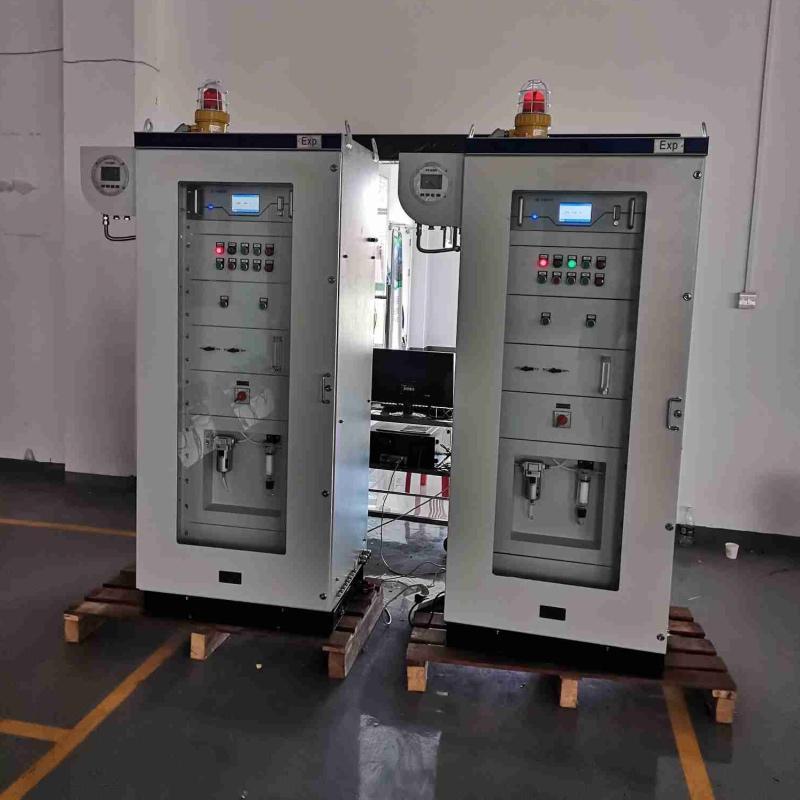
(ESEGAS NDIR Process Gas Analyzer)
What Is a CO Combustion Analyzer?
A CO combustion analyzer is an instrument that measures carbon monoxide in the exhaust (flue gas) of a boiler or turbine system. Power plants burn fuel to turn heat into steam and then into electricity. The flue gas that leaves this process contains gases formed during combustion, including CO, O₂, and CO₂. A combustion analyzer samples that gas and reports the concentration of each component. Unlike a general gas detector, a CO combustion analyzer is purpose-built for high-temperature, high-velocity flue environments. It uses sensors that handle soot, particulate and heat, and it often reports multiple gases at once. This helps engineers see the full picture of combustion performance, not just a single gas.
In addition to CO, these analyzers check oxygen and other combustion gas levels to determine how completely fuel burns. The combined data help engineers evaluate combustion efficiency and make real-time adjustments to the burner air-fuel mix.
Why Power Plants Rigorously Measure CO ?
Power plants measure CO because it reveals incomplete combustion. When fuel does not burn fully, carbon monoxide forms. High CO levels mean fuel wastes energy and lowers overall heat rate. Engineers watch CO to fine-tune air and fuel delivery for better efficiency.
Measuring CO also improves safety. Carbon monoxide is a toxic gas that can build up in combustion systems if burning is unstable. Early CO spikes warn engineers so they can adjust burners or initiate safety shutdowns before a hazard escalates.
Finally, regulatory requirements push power plants to monitor emissions closely. Agencies set limits on pollutants like CO and NOx. Continuous CO measurement supports compliance reporting and helps plants stay within environmental standards.
Now that you understand what a CO combustion analyzer does and why CO matters, the next section explains the key features engineers look for when choosing the right analyzer for power plant applications.
What Core Features Should You Prioritize in a CO Combustion Analyzer?
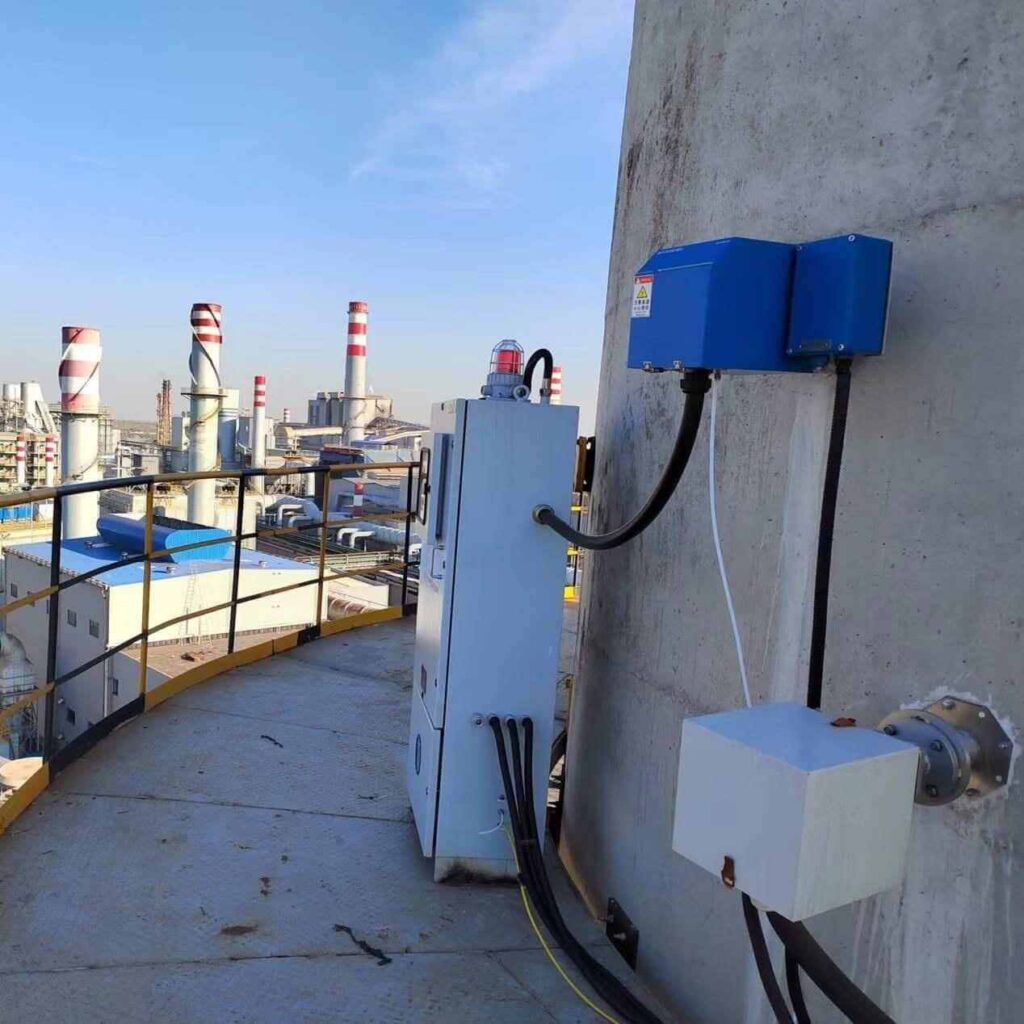
(ESEGAS TDL Process Gas Analyzer)
In this section, we focus on the technical features that matter most when choosing a CO combustion analyzer for power plant use. These characteristics affect accuracy, reliability, and long-term performance in industrial environments.
Sensor Performance & Accuracy
Accurate sensor performance lies at the heart of any effective CO combustion analyzer. First, CO sensors should cover a wide ppm range with fine resolution. Power plant flue gas can change quickly during load shifts, and a broad measurement range helps capture both low and high CO levels without losing detail. Modern analyzers can span from a few ppm up to tens of thousands of ppm, allowing engineers to assess combustion quality reliably across conditions.
Next, analyzers must handle cross-sensitivity — where other gases like NOx or H₂ interfere with the CO signal. High-end units use filtered or compensated sensors to reduce these effects. For example, some analyzers incorporate filters or compensation algorithms to ensure CO readings stay accurate even when NOx levels vary. This prevents false readings and supports better combustion tuning.
Once you understand sensing accuracy, it’s important to look at how analyzers measure multiple gases together.
Multi-Gas Capability
Most power plants do not measure CO in isolation. Instead, engineers value a multi-gas combustion analyzer that can monitor O₂, CO₂, NOx, and other gas species along with CO. This multi-parameter data lets teams calculate combustion efficiency and excess air, and track emission trends in real time.
For example, integrated analyzers often pair O₂ sensors with CO and NOx sensors. With these combined measurements, you can compute key performance indicators like excess air and combustion efficiency without manual calculations. Multi-gas profiles also help troubleshoot specific combustion issues more effectively than single-gas units.
Beyond sensor performance, your analyzer must be rugged enough for industrial duty.
Robust & Industrial-Grade Hardware
Power plant environments challenge instruments with heat, dust, vibration, and corrosive flue gases. A suitable CO combustion analyzer must withstand these conditions with rugged construction and a high Ingress Protection (IP) rating to resist dust and moisture. Many industrial analyzers feature reinforced housings and shock-absorbing shells to survive field handling.
Equally important is the probe and sampling system. Long-reach, field-replaceable probes allow engineers to sample flue gas deep inside ducts and stacks while shielding sensors from particulate damage. Interchangeable probe tips and filters extend sensor life, reduce maintenance time, and keep uptime high during routine inspections.
With these technical features in place, engineers can trust their combustion analyzer to deliver consistent, accurate data — even under industrial stress.
How Do Safety & Compliance Requirements Affect CO Combustion Analyzer Selection?
Power plants operate under strict safety rules and environmental laws. A CO combustion analyzer must meet these standards and provide reliable alerts if gas levels go outside safe ranges. When CO rises unexpectedly, operators must know fast so they can take action to protect personnel and equipment. Alarms or threshold warnings built into analyzers help teams react before conditions worsen, and they provide documented evidence that safety systems work as intended.
In many regions, continuous emissions monitoring systems (CEMS) that include CO and O₂ analyzers are required by regulators for industrial boilers and heaters above certain emission limits. Under U.S. regulations, for example, power plants may need certified CO analyzers installed and maintained according to specific procedures. These systems must record gas concentrations accurately and stay within defined calibration and response criteria so the plant can demonstrate ongoing compliance.
CO limits in regulatory contexts often specify a range based on the type of unit and fuel burned. For instance, some monitoring standards define zero and high span levels for CO analyzers at set parts-per-million intervals and require recorders to capture all readings within that range with precise resolution. These defined spans and thresholds help ensure that emissions reporting reflects true operating conditions and supports both safety and environmental goals.
Meeting these safety and compliance requirements not only helps a plant avoid fines but also improves public and worker safety. A reliable CO combustion analyzer supports real-time decision-making, accurate documentation, and adherence to local and national emissions laws—all key reasons engineers prioritize certified instruments in their selection process.
What Common Purchase Pitfalls Do Power Plant Engineers Face with a CO Combustion Analyzer?
When choosing a CO combustion analyzer, power plant teams can underestimate the buying decision. Even experienced engineers can make mistakes that reduce long-term value or lead to costly rework. Below are common pitfalls and how to avoid them.
Over-specifying or Under-specifying Based on Plant Scale
One frequent mistake is picking an analyzer that doesn’t match the power plant’s combustion system. Buying an overly complex unit for a simple boiler wastes budget. Conversely, choosing an entry-level analyzer for a large industrial unit can leave you without the precision or features you need. Before you buy, assess the plant’s scale, combustion type, and emissions goals. Define the gases you must monitor and the operational range your analyzer must cover. This helps ensure the instrument’s performance fits the application rather than over- or under-serving your needs.
Another issue arises when teams overlook how the analyzer fits within existing measurement infrastructure.
Ignoring Integration with Plant Monitoring Systems
Today’s power plants rely on advanced control systems and data platforms. A CO combustion analyzer must interface cleanly with these systems, such as distributed control systems (DCS), historians, and asset management software. Failing to evaluate connectivity and integration capabilities can leave you with isolated measurement data and add manual steps to reporting. Before buying, check for digital outputs, communication protocols (e.g., Modbus, Ethernet), and compatibility with plant analytics tools. Integration ensures combustion data feeds into your overall performance strategy rather than sitting in a standalone device.
Alongside integration, engineers often overlook practical maintenance concerns.
Neglecting Sensor Replaceability and Calibration Needs
Finally, engineers sometimes underestimate the ongoing maintenance costs of CO combustion analyzers. Sensors have finite lifespans and require periodic calibration to maintain accuracy. Choosing analyzers without field-replaceable sensors or easy calibration access can lead to extended downtime and higher service fees. Instead, target models with replaceable sensor modules and straightforward calibration procedures. This minimizes disruption during routine maintenance and keeps analyzer accuracy high without frequent manufacturer service calls. testing units with clear sensor life and calibration documentation also helps set realistic maintenance plans.
Avoiding these pitfalls ensures your CO combustion analyzer delivers reliable data, integrates with plant systems, and supports efficient operation over its lifetime.
Conclusion
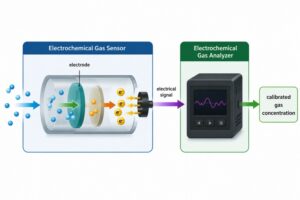
In summary, selecting the right CO combustion analyzer hinges on a few critical technical and practical features. Engineers should look for analyzers with accurate CO sensing across a wide range, strong multi-gas measurement capabilities, and rugged hardware built for industrial environments. These factors ensure the instrument delivers reliable data even under heavy flue gas loads and extreme temperature swings. Advanced analyzers that combine technologies like NDIR, TDLAS, TCD, and electrochemical sensors provide precise readings of CO alongside O₂, CO₂ and other gases, which helps engineers understand combustion chemistry in real time.
Furthermore, the right CO combustion analyzer supports safety, efficiency, and environmental compliance simultaneously. By tracking CO and related gas levels continuously, plants can catch incomplete combustion early, reduce the risk of unsafe conditions, and optimize burner tuning for better fuel utilization. Real-time data also feeds into plant control systems for automated adjustments and trend analysis, reducing manual oversight and improving operational insight.
Ready for a tailored CO combustion analyzer solution? Show your project and problems to ESEGAS team!
FAQs:
1. What is a CO combustion analyzer and why do power plants use it?
A CO combustion analyzer is a specialized instrument that measures carbon monoxide and other flue gases (like O₂, CO₂, NOx) in boiler and turbine exhaust. Power plants use it to assess combustion quality, detect incomplete fuel burn, and optimize air-fuel ratios. This data helps engineers improve efficiency, reduce fuel waste, and monitor emissions.
2. What features matter most when choosing a CO combustion analyzer?
Power plant engineers prioritize:
• High sensor accuracy and wide range for dynamic flue gas conditions,
• Cross-sensitivity mitigation to avoid false readings from gases like NOx, and
• Multi-gas capability to measure CO, O₂, CO₂, and other parameters together.
These features ensure reliable combustion analysis and better boiler control.
3. Why is multi-gas measurement important in a combustion analyzer?
Measuring multiple gases at once gives a full combustion profile instead of isolated CO levels. This enables calculation of combustion efficiency, excess air, and emissions trends. Multi-gas data helps engineers optimize burners and meet environmental standards.
4. How does sensor performance impact analyzer accuracy?
Good analyzers use sensors with wide ppm range and high resolution to capture low and high CO levels. Advanced analyzers include filters or compensation techniques to reduce cross-sensitivity from other gases (e.g., NOx), ensuring accurate CO readings.
5. What hardware features should a power plant CO combustion analyzer have?
Key hardware features include:
• Rugged, industrial construction to handle heat, dust, and vibration, and
• Field-replaceable probes and filters that extend sensor life and reduce maintenance needs. A robust sampling system safeguards long-term performance
6. What pitfalls should engineers avoid when purchasing a CO combustion analyzer?
Avoid:
• Over-specifying or under-specifying analyzers compared to plant size or combustion systems,
• Ignoring integration needs with DCS/PLC or control systems, and
• Skipping calibration or sensor replaceability checks, which affect accuracy and lifecycle costs. Proper planning prevents costly rework.
7. Can a CO combustion analyzer integrate with plant control systems?
Yes. Modern analyzers often support digital outputs (e.g., Modbus, RS-485) to connect with control systems, data historians, and analytics platforms. This enables real-time visibility and automated combustion tuning based on analyzer data.