



In modern scientific laboratories, accurate gas monitoring is essential for ensuring both research quality and safety. Fixed analytical equipment has long been the default for gas analysis, but it limits flexibility and often requires extensive setup time. Across academic, industrial, and environmental research labs, there’s a growing need for mobile, responsive solutions that allow researchers to collect real‑time data at multiple points without compromising precision. That’s where a portable gas analyzer becomes transformative — combining mobility, advanced sensing technology, and robust performance.
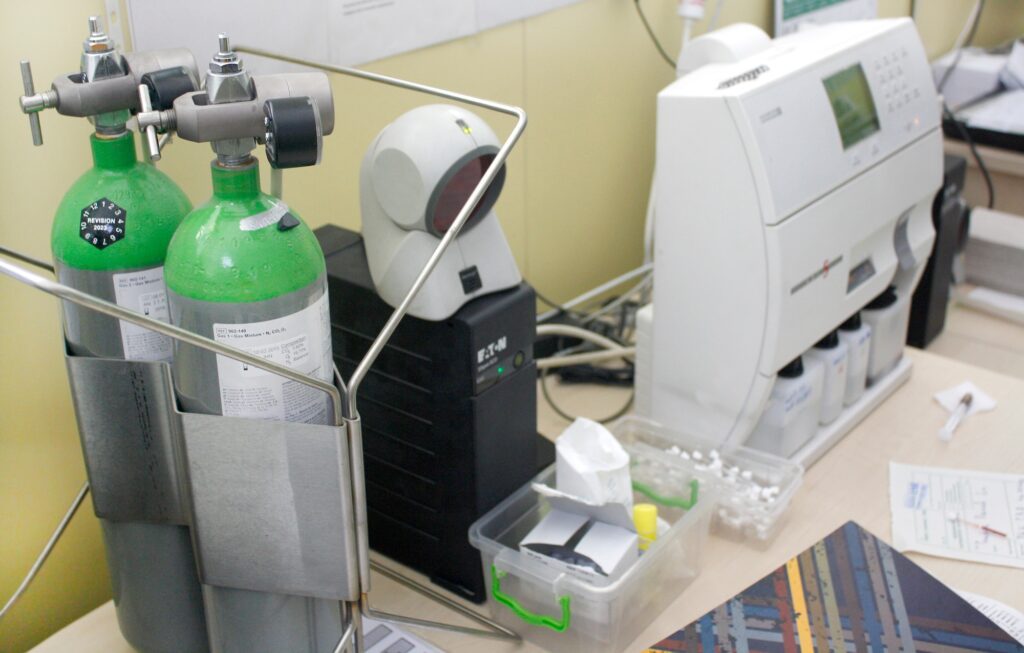
Portable Gas Analysis: A Strategic Asset for Labs
ESEGAS portable gas analyzer solutions — including FTIR, UV‑DOAS and TDLAS analyzers — provide laboratories with comprehensive, real‑time gas detection capabilities. These instruments help enhance safety monitoring, streamline workflows, and support complex multi‑gas research both inside and outside the laboratory environment.
ESEGAS offers a dedicated portable gas analyzer product category with multiple technologies capable of detecting CO, CO₂, CH₄, NO, NO₂, SO₂, H₂S, HCl, HF, NH₃, O₂ and H₂O, equipping labs with flexible analytics for diverse needs. (ESEGAS)
Why Laboratory Researchers Are Turning to Portable Gas Analyzers
The traditional paradigm of gas analysis often depends on permanently installed instruments, restricting the flexibility to monitor multiple sampling points, dynamic processes, or tightly sealed reaction chambers. A portable gas analyzerbreaks free from these constraints. Researchers can rapidly reposition analyzers, collect data on‑the‑fly, and verify experimental conditions without interrupting workflows.
For example, a combustion study might require tracking NOx levels in several parts of an apparatus, or an environmental experiment may involve measuring emissions at various distances and heights. Portable solutions empower these workflows by delivering lab‑grade accuracy wherever measurements are needed — eliminating the need for complex tubing, cross‑contamination risks, and long warm‑up times associated with benchtop systems.
Real‑World Gas Monitoring with UV‑DOAS Portable Devices
One of the key offerings in the ESEGAS lineup is the UV‑GAS‑500P Portable Flue Gas Analyzer. Designed around advanced Ultraviolet Differential Optical Absorption Spectroscopy (UV‑DOAS) technology, this portable gas analyzerprecisely measures combustion and emission gases such as SO₂, NO₂, NO, CO, CO₂ and O₂ — all of which are essential in laboratory studies involving combustion chemistry, industrial emissions research, and more. (ESEGAS)
This unit includes user‑friendly interfaces with real‑time display, USB/SD data export, and integrated sampling accessories. With its rugged casing and adaptable sampling probes, the UV‑GAS‑500P is equally useful in controlled lab environments and field settings where conditions can change rapidly. (ESEGAS)
Multi‑Gas Detection with FTIR: A Lab Research Game Changer
When experiments involve complex gas mixtures, researchers need analytical tools capable of detecting many species simultaneously. ESEGAS’s ESE‑FTIR‑100P Portable FTIR Gas Analyzer answers this demand by using Fourier Transform Infrared Spectroscopy (FTIR) to quantify multiple gases in real time. (ESEGAS)
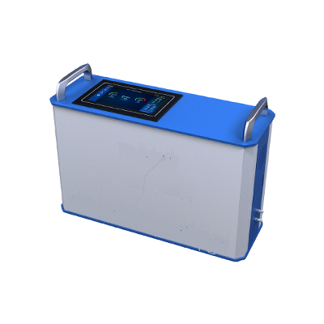
FTIR technology enables simultaneous measurement of a broad range of gases, including SO₂, NO, NO₂, CH₄, HCl, HF, CO, CO₂, O₂ and H₂O. In laboratory settings, this capability allows scientists to monitor complex reactions without deploying separate devices for each gas species. Whether tracking exhaust evolution in material synthesis or validating emissions from small‑scale combustion experiments, the versatility of FTIR makes the ESE‑FTIR‑100P a powerful tool for multi‑variable research. (ESEGAS)
The portability of this FTIR system also means real‑world validation — researchers can easily bridge lab experiments with on‑site field tests or pilot plant facilities, ensuring continuity of data across environments.
Laser‑Based Portable Analysis for Fast, Precise Detection
Another important technology in the portable gas analysis space is Tunable Diode Laser Absorption Spectroscopy (TDLAS). ESEGAS’s ESE‑LASER‑100P Portable Laser Gas Analyzer leverages this technique to deliver fast, highly specific measurements of selected gas species with minimal interference. (ESEGAS)
Laser analyzers are particularly valuable in situations where precision and start‑up speed matter — such as trace detection of gases like NH₃ or CO in reaction chambers, or continuous monitoring during transient experimental phases where conditions rapidly evolve. Their extendable probe design also allows easy access to confined spaces, further enhancing the flexibility of on‑site gas sampling.
Flexible Capabilities for Laboratory Safety and Compliance
In addition to supporting experimental research, portable gas analyzers play a critical role in safety monitoring and regulatory compliance within labs. Hazardous gas leaks or unexpected concentration changes can jeopardize both personnel and sensitive experiments. Portable units allow safety officers or lab technicians to patrol different areas, validate fume hood performance, and verify exhaust conditions in real time.
By deploying portable solutions in routine safety checks, labs can quickly identify and address risks before they escalate. For labs dealing with volatile organic compounds (VOCs), combustion byproducts, or greenhouse gases, having mobile detection increases the responsiveness and breadth of safety protocols. And because many modern instruments include automated data logging (via USB or SD export), ensuring traceable records has never been easier. (ESEGAS)
How Portable Analyzers Fit Into Research Workflows
Integrating a portable gas analyzer into day‑to‑day lab workflows requires minimal disruption but delivers significant benefits. Here are common scenarios where portable gas analysis shines:
- Multi‑point sampling: Researchers can collect gas composition data from several reactor zones or sampling ports without moving samples to a centralized analyzer.
- Rapid troubleshooting: If an experiment shows unexpected results, portable analyzers can help diagnose gas‑phase anomalies on the spot.
- Field‑lab continuum: Portable devices bridge the gap between controlled lab studies and real‑world field research — crucial for environmental scientists and pilot plant engineers.
Because many ESEGAS analyzers operate without the need for external pumps or carriers, they support quicker setup and immediate measurement — ideal for reactive experiments or comparative studies where timing is critical. (ESEGAS)
Practical Tips for Laboratory Integration
To maximize the value of portable gas analyzer systems, laboratories should incorporate them into standard protocols:
- Calibration routines: Even portable systems benefit from regular calibration to sustain accuracy over time.
- Data integration: Export and centralize measurement data within lab databases for longitudinal research and audit compliance.
- Operator training: Ensure users understand instrument interfaces and data interpretation to unlock advanced analytical insights.
The modular accessories offered by ESEGAS — sampling probes, heated lines, and data interfaces — further streamline integration into laboratory workflows without specialized infrastructure. (ESEGAS)
Conclusion: A New Frontier for Laboratory Gas Analysis
A portable gas analyzer is no longer a luxury — it’s a strategic necessity for labs that value flexibility, safety, and real‑time insights. ESEGAS solutions such as the UV‑GAS‑500P, ESE‑FTIR‑100P, and ESE‑LASER‑100P equip researchers with versatile instruments capable of precise, on‑demand gas detection across a wide range of applications. By blending advanced spectroscopic technologies with practical portability, these tools help laboratories move beyond static analysis, enabling smarter research, better safety monitoring, and faster experimental feedback loops.