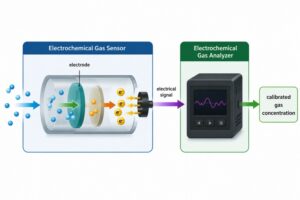




In many industrial environments, gas conditions can change quickly and unexpectedly. When a gas analyzer takes too long to respond, operators may not receive important information in time, increasing the possibility of safety risks or process interruptions. This is why response time has become a key factor when choosing a reliable gas monitoring solution. At ESEGAS, we understand that effective monitoring is not only about accurate measurement but also about providing timely data that helps users make better decisions.
Response time is important in continuous gas monitoring because it determines how quickly a gas analyzer can detect changes in gas concentration and provide updated measurement results. A faster response allows operators to identify abnormal conditions earlier, improve safety awareness, and maintain more stable industrial processes.
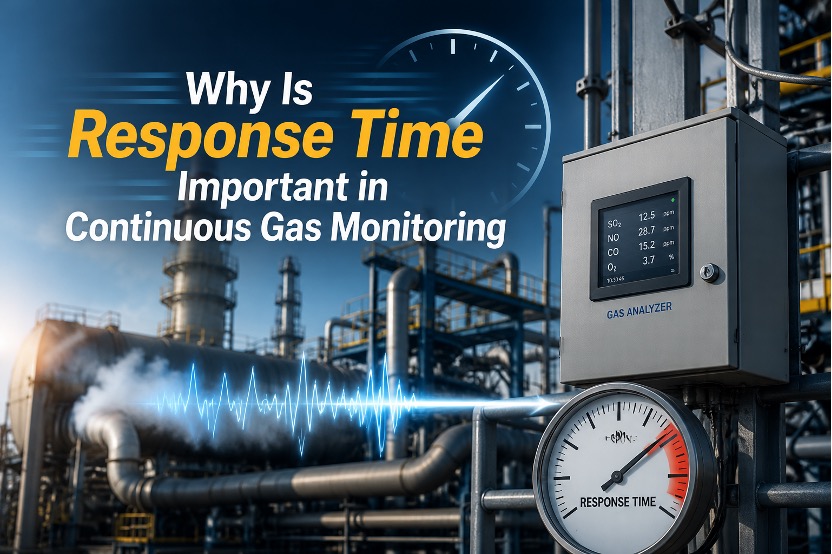
Although accuracy is often considered the most important feature of a gas analyzer, response time also plays an important role in real-world applications. A highly accurate analyzer may still have limited value if it cannot provide information quickly enough when gas conditions change. In this article, ESEGAS explains why response time matters and how it supports more effective gas monitoring.
What Is Response Time in Continuous Gas Monitoring?
A gas monitoring system needs to provide information quickly when the gas concentration changes. If the measurement result appears after a long delay, operators may not have enough time to understand the situation and respond properly.
Response time refers to how quickly a gas analyzer detects a change in gas concentration and displays a new measurement result. In Continuous Gas Monitoring applications, response time shows how efficiently the analyzer can follow real-time changes in the gas environment.
Generally, a shorter response time means:
- Faster detection of gas concentration changes
- Quicker access to updated measurement data
- Better support for operational decisions
For example, when gas levels increase during an industrial process, a gas analyzer with a suitable response time can provide updated information faster, allowing operators to check the situation and take necessary actions.
| Response Time | Meaning |
| Faster response | The analyzer quickly reflects changes in gas concentration |
| Slower response | The analyzer may take longer to show updated conditions |
Why Does Faster Response Time Matter for Industrial Gas Monitoring?
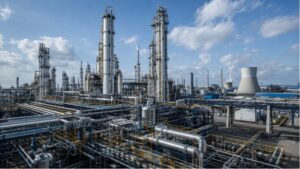
In industrial operations, conditions can change within a short period of time. A delayed measurement may make it harder for operators to understand what is happening at the right moment. This is why response time is an important consideration for reliable gas monitoring.
A faster response helps companies improve safety, maintain process stability, and reduce potential operational risks.
Improve Safety Awareness
Gas monitoring systems are often used to observe changes in industrial environments. When unexpected gas concentration changes occur, faster measurement updates help operators recognize unusual conditions earlier.
This additional awareness allows teams to investigate possible issues and make decisions more efficiently.
Support Better Process Control
Many industrial processes require continuous information about gas conditions. If measurement data is updated quickly, operators can better understand process changes and maintain stable operation.
For manufacturers, reliable Continuous Gas Monitoring helps create a clearer view of operating conditions and supports better process management.
Reduce Operational Risks
Slow responses can delay the discovery of changing gas conditions. A gas analyzer with an appropriate response time provides more timely information, helping companies identify potential problems before they become larger operational challenges.
How Does Response Time Affect Gas Analyzer Performance?
When selecting a gas analyzer, many users focus mainly on measurement accuracy. However, practical performance depends on multiple factors, including accuracy, stability, and response speed.
A reliable gas analyzer should provide accurate results while also delivering information within a suitable timeframe for the application.
Key performance factors include:
- Measurement accuracy: Ensures the reported gas concentration is reliable.
- System stability: Helps maintain consistent monitoring performance over time.
- Response time: Determines how quickly users receive updated information.
At ESEGAS, we believe that a good gas analyzer should balance these factors. Accurate data is valuable, but timely data is what allows users to better understand changing conditions and improve operational efficiency.
How Can ESEGAS Support More Effective Continuous Gas Monitoring?
Different industries have different monitoring requirements, but they all need reliable information to support safe and efficient operations. A gas monitoring solution should not only measure gas concentration but also provide stable and timely results.
At ESEGAS, we focus on developing practical gas analyzer solutions designed for industrial applications. Our products are built to provide reliable measurement performance and support continuous monitoring needs across different working environments.
By combining accurate analysis technology with dependable performance, ESEGAS helps customers achieve more effective Continuous Gas Monitoring and gain better visibility into their industrial processes.
Conclusion
Response time is an important factor in continuous gas monitoring because it affects how quickly users can understand changes in gas conditions. A suitable response time helps improve safety awareness, support process control, and reduce operational risks.
At ESEGAS, we understand that modern industries need gas analyzers that provide both accurate measurements and timely information. Through reliable gas monitoring solutions, ESEGAS continues to help customers create safer and more efficient industrial operations.