



Condensation can quietly damage the accuracy of gas measurements. A system may appear to be operating normally, but moisture inside the sampling line can absorb target gases, block filters, slow down response time, and even damage the analyzer. Without proper temperature and moisture control, operators may receive unstable or incorrect readings. The good news is that condensation can be prevented through correct system design, suitable sample conditioning, and regular maintenance.
To prevent condensation during gas sampling, keep the sample temperature above its dew point or cool the gas in a controlled way before it enters the analyzer. Heated probes, heated sample lines, gas coolers, condensate drains, and moisture alarms should be selected according to the gas composition and measurement method.
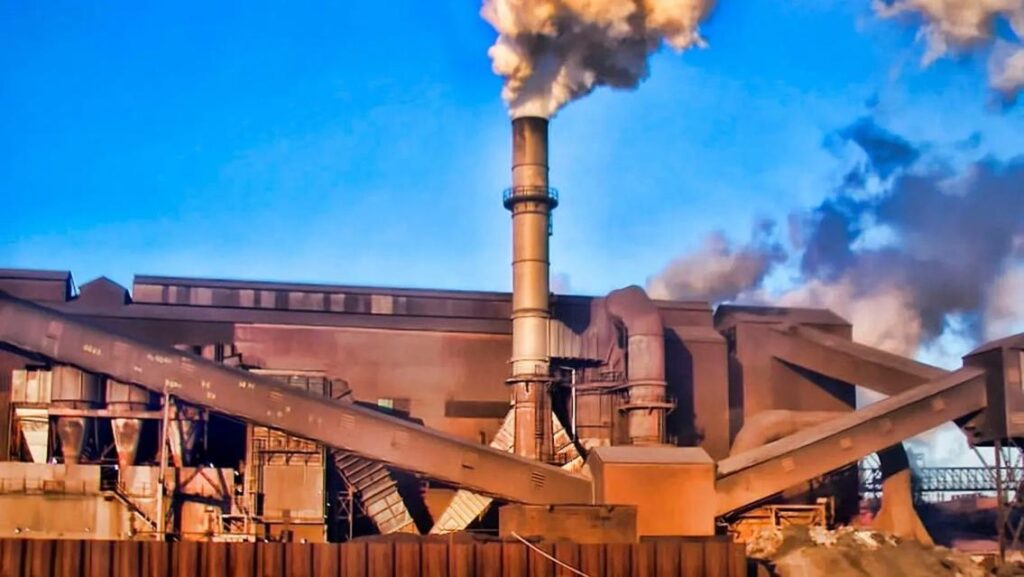
However, preventing condensation is not simply a matter of installing a heated tube. The complete sampling path must be considered, including the probe, filter, connectors, tubing, gas cooler, pump, and analyzer inlet. Each part must work together to keep the sample stable and representative.
Why Does Condensation Form in a Gas Sampling System?
Condensation usually forms when hot, moisture-rich sample gas enters a colder part of the Gas Sampling System. Once the gas temperature falls below its dew point, water vapor changes into liquid droplets.
Common causes include:
- Insufficient heating of the sample line
- Damaged or poor-quality insulation
- Unheated connectors, valves, or filters
- Sudden changes in ambient temperature
- Long sampling lines
- Incorrect temperature settings
- Unstable sample flow
Even a small cold spot can create condensation. For this reason, we recommend checking the temperature of the entire sample path rather than monitoring only one section.
Why Is Condensation Harmful to Gas Measurement?
Condensation can make gas analysis unreliable. When water forms inside a Gas Sampling System, some gas components may dissolve into the liquid. This is especially important when measuring water-soluble gases such as SO₂, HCl, HF, or NH₃.
Condensation may cause:
- Lower-than-actual gas readings
- Slow analyzer response
- Unstable measurement values
- Blocked filters and tubing
- Corrosion of metal components
- Increased maintenance requirements
- Damage to the gas analyzer
Condensed water can also mix with dust and create deposits inside the tubing. Over time, these deposits reduce sample flow and increase the risk of system failure.
How Can Heating Prevent Condensation?
Heating is one of the most direct ways to prevent condensation. The goal is to keep every part of the Gas Sampling System above the sample gas dew point.
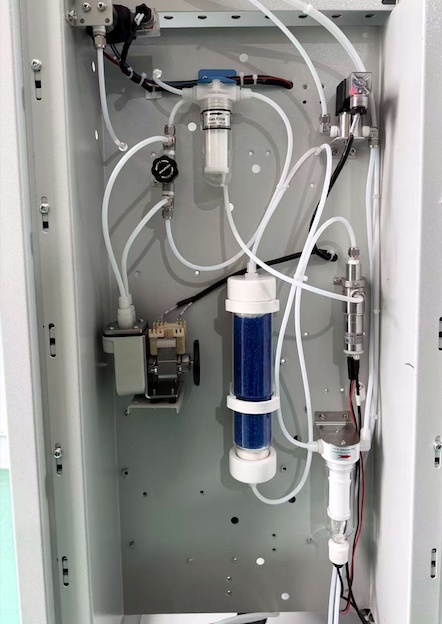
A heated sampling arrangement may include:
- A heated sampling probe
- A heated dust filter
- A heated sample line
- Insulated connectors and valves
- Temperature sensors and alarms
The probe, filter, and tubing should all maintain a stable temperature. If one connector or valve remains cold, moisture may still form at that point.
At ESEGAS, we evaluate the full heated path when designing a sampling solution. We also consider the lowest expected ambient temperature, sample moisture level, gas composition, and sampling distance.
When Should a Gas Cooler Be Used?
Not every application requires the sample to remain hot until it reaches the analyzer. In many extractive gas analysis systems, the sample is intentionally cooled before measurement.
A gas cooler lowers the sample temperature in a controlled way. Water is then separated and discharged before the dry gas enters the analyzer.
A typical cooled Gas Sampling System may include:
- A heated probe
- A heated sample line
- A gas cooler
- A condensate separator
- A drain pump
- A fine filter
- A moisture detector
Controlled cooling is much safer than allowing condensation to occur randomly inside the tubing. However, this method may not be suitable for every gas. Some target gases can dissolve in condensate and produce readings that are too low.
Before selecting a gas cooler, we check whether the target component is stable during cooling and water removal.
How Should the Sampling Line Be Installed?
Correct tubing installation is important for preventing liquid accumulation. Poor layout can allow water to remain inside the Gas Sampling System, even when suitable conditioning equipment is installed.
The sampling line should:
- Be as short as practical
- Avoid unnecessary bends and connections
- Avoid low points where water can collect
- Have suitable insulation
- Maintain stable sample flow
- Be protected from rain and cold air
- Include drainage where necessary
Unheated sections should be avoided between the probe and the conditioning unit. Even a short exposed metal tube can become a cold point.
When a drain is required, the line should be installed with a suitable slope so that liquid can move toward the collection point.
What Protection Devices Should Be Installed?
A reliable Gas Sampling System should include protection against unexpected moisture breakthrough. This is especially important when the gas cooler, drain pump, or heated line stops working correctly.
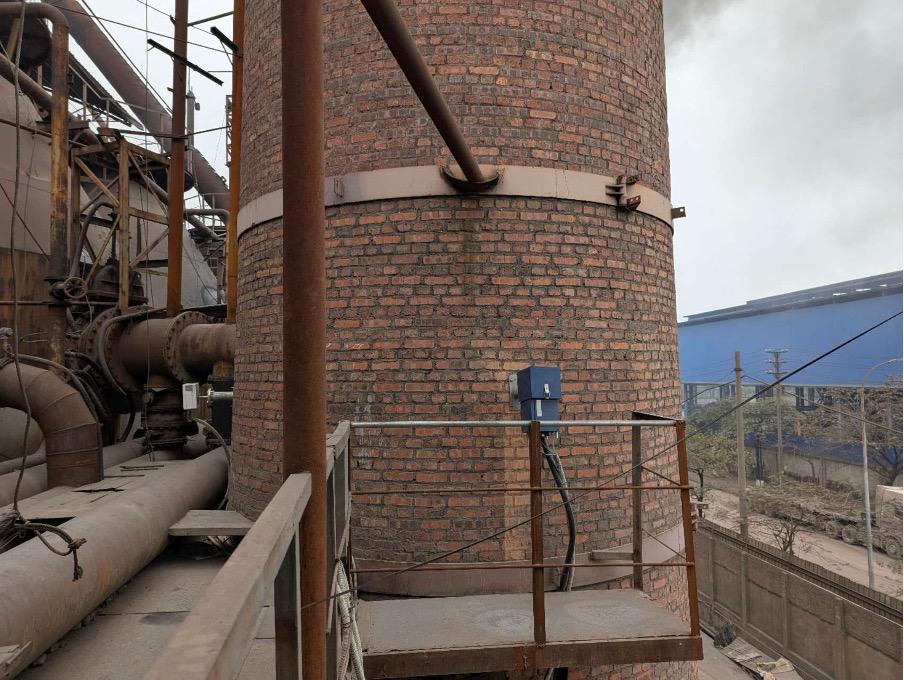
Useful protection devices include:
- Low-temperature alarms
- Gas cooler temperature alarms
- Moisture detectors
- Automatic sample pump shutdown
- Condensate level alarms
- Flow monitoring
- Pressure monitoring
- Hydrophobic filters
A moisture detector can stop the sample pump before liquid reaches the analyzer. This helps protect sensitive optical cells, sensors, pumps, and valves.
At ESEGAS, we use monitoring and alarm functions to improve long-term measurement stability and reduce the risk of analyzer damage.
How Can Regular Maintenance Prevent Condensation?
Even a well-designed Gas Sampling System requires regular inspection. Heating elements may weaken, filters may become blocked, and condensate pumps may wear over time.
Routine maintenance should include:
- Checking the heated line temperature
- Inspecting insulation for damage
- Cleaning or replacing filters
- Testing the condensate drain
- Checking pump tubing
- Testing moisture alarms
- Inspecting sample flow
- Removing deposits from tubing
- Calibrating temperature sensors
Operators should also pay attention to seasonal temperature changes. A system that works correctly in summer may develop cold spots during winter.
Recording temperature, flow, and maintenance information can help identify problems before they affect measurement accuracy.
How Does ESEGAS Design a Reliable Sampling Solution?
At ESEGAS, we do not select a gas analyzer without considering sample conditions. We first evaluate the gas temperature, moisture content, dust level, pressure, target components, and installation environment.
Based on these conditions, we may recommend:
- A fully heated sampling solution
- A cooled and dried sampling solution
- A corrosion-resistant sampling path
- Automatic condensate discharge
- Moisture and temperature alarms
- An in-situ analyzer that avoids long sample transport
Our goal is to make sure the sample reaching the analyzer remains representative of the actual process gas. A properly designed Gas Sampling System improves accuracy, reduces maintenance, and protects the analyzer.
Conclusion
Preventing condensation requires control of the complete sampling path. The sample must either remain above its dew point or be cooled in a controlled way before analysis. Heated probes, heated lines, gas coolers, drains, filters, and moisture alarms all play important roles.
At ESEGAS, we design each Gas Sampling System according to the actual gas composition and operating conditions. By eliminating cold spots, controlling moisture, and adding suitable protection devices, we help customers achieve stable, accurate, and reliable gas measurements.