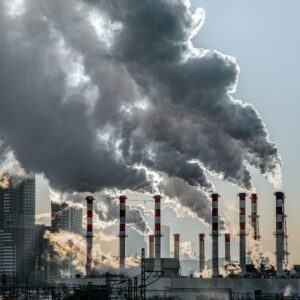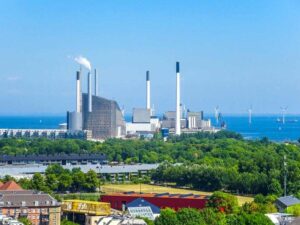



Industrial facilities release combustion gases and process emissions through stacks every day, but without reliable monitoring, operators may have limited visibility into what is actually being discharged into the atmosphere. Changes in fuel quality, combustion conditions, equipment performance, or process loads can quickly affect pollutant concentrations. If these changes are not detected in time, they can create compliance risks, reduce process efficiency, and make troubleshooting more difficult. This is why stack emission monitoring has become an essential part of environmental management and industrial process control.
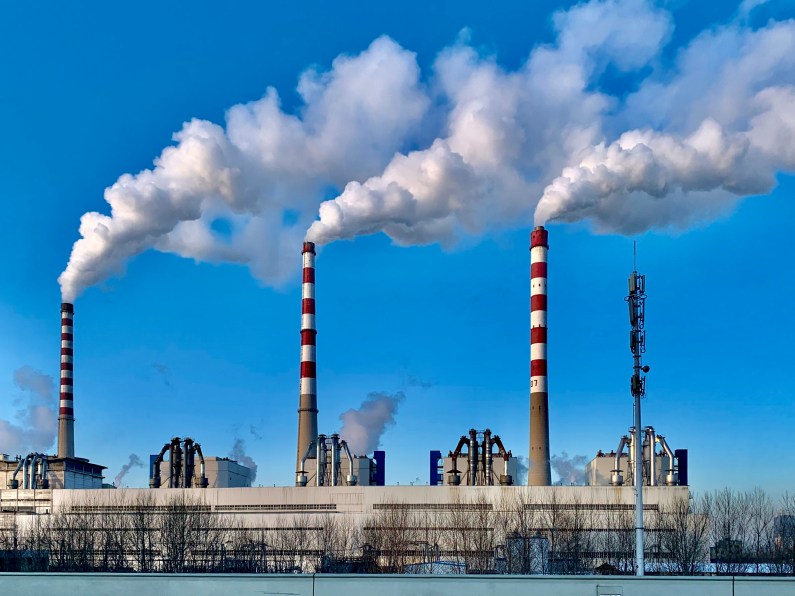
Stack emission monitoring is the process of measuring pollutants and operating parameters in gases released from industrial stacks or chimneys. It typically measures gases such as SO₂, NOx, CO, CO₂, and O₂, together with parameters such as temperature, pressure, flow, moisture, and particulate concentration. Monitoring can be performed continuously through a Continuous Emission Monitoring System (CEMS) or periodically using portable or extractive gas analyzers. The main purpose is to verify emission performance, support regulatory compliance, and provide data for process optimization.
However, understanding the definition is only the starting point. Reliable stack measurement depends on much more than installing a gas analyzer near a chimney. Stack gases may contain high levels of moisture, dust, corrosive components, and rapidly changing gas concentrations. At ESEGAS, we therefore approach emission measurement as a complete measurement task that includes sampling, sample conditioning, analyzer selection, calibration, and data management. The following sections explain the most important aspects that determine whether a monitoring system can provide accurate and dependable results.
What Pollutants and Parameters Are Typically Monitored in Stack Emissions?
A monitoring system is only useful when it measures the parameters that actually reflect the environmental and process conditions of the installation. Choosing too few parameters can leave important emission changes undetected, while choosing unsuitable measuring ranges may reduce data quality. For this reason, the first step in designing an effective stack emission monitoring solution is to identify the gases, particulate components, and operating parameters that matter for the specific process.
Commonly monitored gaseous components include:
- SO₂: Often associated with sulfur-containing fuels and industrial combustion processes.
- NO and NO₂: Frequently reported together as NOx and commonly monitored in boilers, furnaces, power generation, and combustion applications.
- CO: A key indicator of incomplete combustion.
- CO₂: Often used to evaluate combustion characteristics and carbon-related emissions.
- O₂: Important for combustion control and emission correction calculations.
- CH₄: Relevant in selected combustion, biogas, and process applications.
- Other process-specific gases: Depending on the industry, additional gas components may need to be monitored.
Stack monitoring may also include physical parameters such as temperature, pressure, gas velocity, flow rate, moisture content, and particulate matter.
The exact measurement configuration depends on the industrial process and the applicable emission requirements. A waste incineration plant, for example, may require a different combination of measurements from a boiler, cement kiln, steel furnace, or chemical process.
At ESEGAS, we evaluate the expected gas composition and operating conditions before recommending the analyzer and sampling configuration. This helps ensure that the selected system is suitable not only for the target gases, but also for the actual stack environment.
How Does a Stack Emission Monitoring System Work?
Stack gas analysis may appear straightforward, but the gas reaching the analyzer is often very different from a clean laboratory sample. It can be hot, wet, dusty, chemically reactive, or corrosive. If sample handling is not properly designed, condensation, contamination, adsorption, or leakage can distort the final reading.
A typical stack emission monitoring system works through several stages:
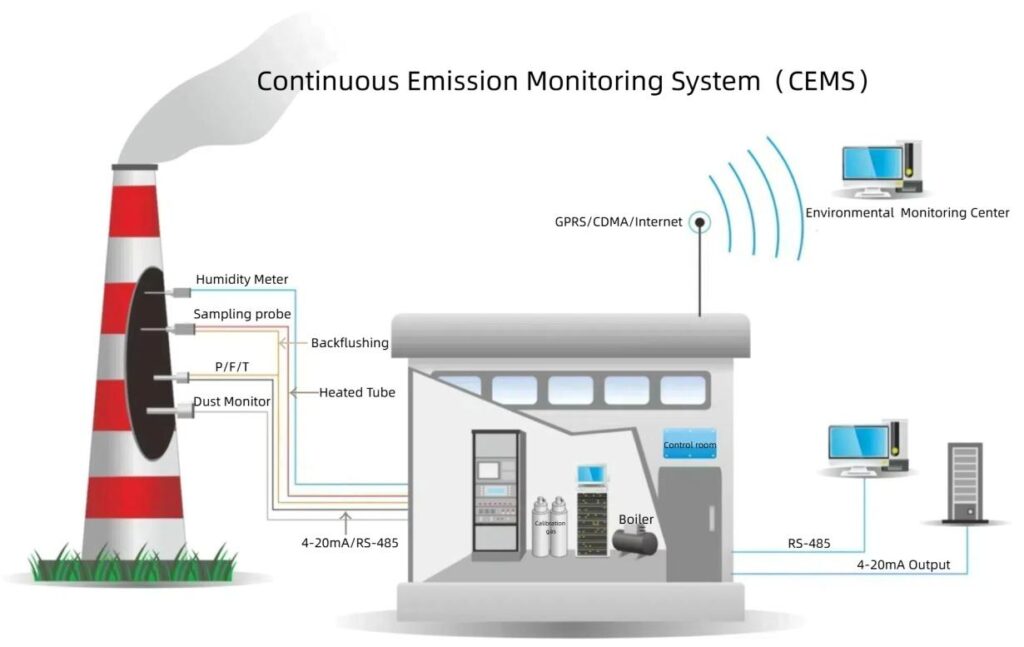
- Gas sampling
A sampling probe extracts representative flue gas from the stack. Filters may be used to reduce dust entering the downstream components. - Sample transportation
The extracted gas travels through a sampling line. Heated lines may be used when condensation must be prevented before sample conditioning. - Sample conditioning
Depending on the analyzer technology and gas composition, the sample may need filtration, cooling, moisture removal, or other conditioning before entering the analyzer. - Gas analysis
The conditioned or directly measured gas is analyzed using the selected measurement technology. - Signal processing and data acquisition
Analyzer signals are transferred to a control system, data logger, PLC, or emission monitoring platform. - Calibration and quality control
Zero gas, span gas, or automated calibration procedures may be used to verify measurement stability.
For many extractive systems, the sampling and conditioning stages are just as important as the analyzer itself. For this reason, at ESEGAS we consider the entire gas path when configuring an emission measurement solution rather than evaluating the gas analyzer in isolation.
Which Gas Analysis Technologies Are Used for Stack Emission Monitoring?
Using the same sensing technology for every gas can lead to unnecessary compromises. Different gas molecules interact with light, electrochemical cells, and magnetic fields in different ways, so measurement technology should be matched to the target component.
Several technologies are commonly used in stack emission monitoring applications.
NDIR
Non-Dispersive Infrared technology measures gas concentration according to the absorption of infrared radiation at characteristic wavelengths.
It is widely used for gases such as:
- CO
- CO₂
- SO₂
- CH₄
NDIR can provide stable measurements in many industrial gas analysis applications and is well suited to multi-component analyzer configurations.
UV and UV-DOAS
Ultraviolet-based technologies measure the absorption characteristics of gases in the UV spectrum.
They can be particularly suitable for components such as:
- SO₂
- NO
- NO₂
- Other UV-absorbing gases
UV-based measurement can offer useful advantages in applications where water-vapor interference needs to be minimized.
TDLAS
Tunable Diode Laser Absorption Spectroscopy uses a narrow-band laser tuned to a specific gas absorption line.
TDLAS can provide high selectivity and fast response for appropriate target gases and may be suitable for demanding industrial measurement environments.
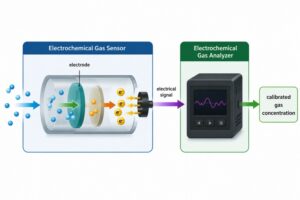
Electrochemical Sensors
Electrochemical sensors are widely used in portable gas analyzers because they are compact and cost-effective.
Depending on the sensor configuration, they can measure gases such as:
- O₂
- CO
- NO
- NO₂
- SO₂
They are commonly selected for portable combustion analysis and periodic stack testing.
Paramagnetic Oxygen Measurement
Paramagnetic measurement makes use of the magnetic properties of oxygen. It is frequently used when stable and selective O₂ measurement is required.
At ESEGAS, we select measurement technologies according to gas composition, expected concentration range, required response time, interference conditions, and maintenance expectations. The objective is to use the technology that is most appropriate for the application rather than applying one analyzer principle to every stack.
What Factors Affect the Accuracy of Stack Emission Monitoring?
Even a high-performance analyzer can produce unreliable results if the measurement environment is poorly controlled. Stack gas conditions continuously change, and small problems within the sampling system can gradually create significant measurement errors.
Several factors can affect stack emission monitoring accuracy.
Moisture and Condensation
Stack gas often contains significant water vapor. If the gas cools below its dew point inside an unheated sampling line, condensation may occur. Some target gases can dissolve into the condensate, causing the analyzer to report lower concentrations than those actually present in the stack.
Dust Contamination
High particulate loads can block filters, contaminate sampling lines, and affect optical components. Proper filtration and routine maintenance are therefore important.
Gas Cross-Interference
Some analyzer technologies may respond to multiple gas species with overlapping absorption characteristics. Technology selection and compensation methods should therefore be considered during system design.
Sampling Line Leakage
Leaks can allow ambient air to enter the sample line. This can dilute pollutant concentrations and increase measured oxygen levels.
Analyzer Drift
Sensor aging, optical contamination, temperature changes, and component wear may gradually affect analyzer response. Regular zero and span verification helps identify drift before it becomes significant.
Improper Calibration
Calibration gases and procedures must be suitable for the analyzer range and application. Poor calibration practices can compromise all subsequent measurement data.
Our approach at ESEGAS is to control these factors through appropriate gas conditioning, analyzer configuration, filtration, calibration procedures, and maintenance planning.
How Do You Choose the Right Stack Emission Monitoring System?
Choosing a monitoring system based only on the number of gases listed on a product specification can lead to problems after installation. Two stacks measuring the same pollutants may have completely different temperatures, moisture levels, dust concentrations, pressure conditions, and measuring ranges.
For reliable stack emission monitoring, we recommend evaluating the following factors before selecting a system.
1. Identify the Target Gases
Determine which pollutants and process gases must be measured. This establishes the foundation for selecting the sensing technology.
2. Confirm the Measurement Ranges
The analyzer range should match normal operating concentrations while still allowing abnormal emission conditions to be detected.
3. Evaluate Stack Temperature
High-temperature gas usually requires suitable probes, sampling components, and thermal management.
4. Determine Moisture Content
Moisture level influences whether heated extraction, cooling, or alternative conditioning methods are necessary.
5. Evaluate Dust Loading
High particulate concentrations may require more robust filtration and more frequent maintenance.
6. Consider Corrosive Components
Acid gases and aggressive process components can affect wetted materials and sampling system lifetime.
7. Select the Appropriate Measurement Principle
NDIR, UV, TDLAS, electrochemical, and paramagnetic technologies each have different strengths. The measurement principle should be matched to the gas and process.
8. Determine Whether Continuous Monitoring Is Necessary
A fixed CEMS may be appropriate for long-term compliance and process monitoring, while a portable analyzer may be better for inspections, commissioning, or maintenance work.
9. Consider Calibration and Maintenance
Operators should evaluate filter replacement, calibration frequency, sensor life, spare parts, and routine servicing.
10. Consider System Integration
The analyzer should be able to communicate with the facility’s data acquisition or control system where required.
When customers consult ESEGAS, we look at these operating conditions together rather than focusing only on analyzer specifications. This allows us to recommend a system configuration that better reflects the real conditions inside the stack.
Where Is Stack Emission Monitoring Commonly Used?
Stack emissions are generated in a wide range of industries, but the gas composition and measurement challenges vary significantly from one application to another. A monitoring solution suitable for a natural-gas boiler may not be appropriate for a cement kiln or waste incinerator.
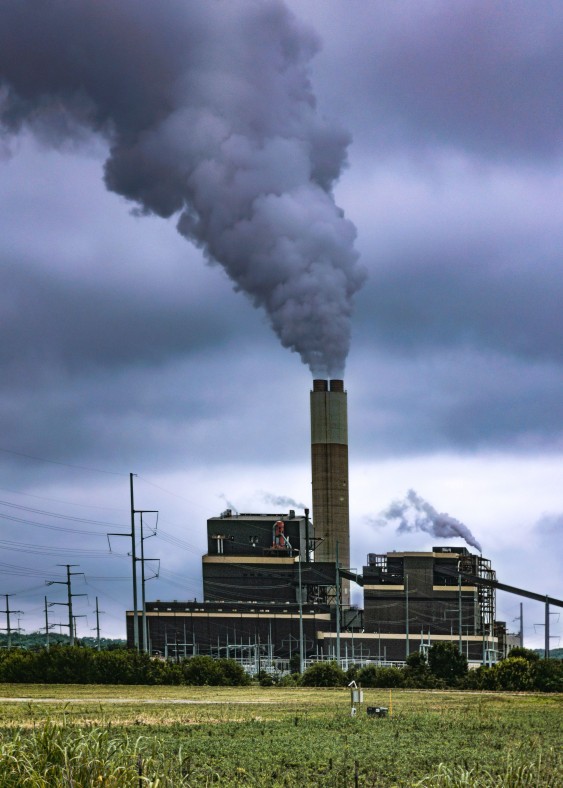
Typical stack emission monitoring applications include:
- Power plants: Monitoring combustion emissions such as NOx, SO₂, CO, CO₂, and O₂.
- Industrial boilers: Supporting combustion optimization and emission verification.
- Waste incineration plants: Monitoring pollutants generated during waste combustion.
- Cement plants: Measuring kiln and combustion emissions under dusty operating conditions.
- Iron and steel facilities: Monitoring furnace and process exhaust gases.
- Chemical plants: Measuring process-specific gases released through exhaust systems.
- Petrochemical facilities: Supporting combustion and process emission monitoring.
- Glass manufacturing: Monitoring furnace emissions and combustion performance.
- Ceramic production: Measuring exhaust gases generated by kilns and thermal processes.
- Biomass combustion: Monitoring gas composition as fuel characteristics change.
Each industry presents different challenges. Dust concentration, fuel composition, process temperature, moisture level, and pollutant range may vary substantially.
This is why at ESEGAS we treat application analysis as an essential part of analyzer selection.
How Can ESEGAS Support Reliable Stack Emission Monitoring?
A dependable emission monitoring solution should do more than generate concentration values on a display. It should provide stable, interpretable measurement data under the actual operating conditions of the industrial process.
At ESEGAS, we focus on gas analysis solutions for industrial emission and process monitoring applications. Our approach to stack emission monitoring begins with understanding the customer’s target gases and measurement environment.
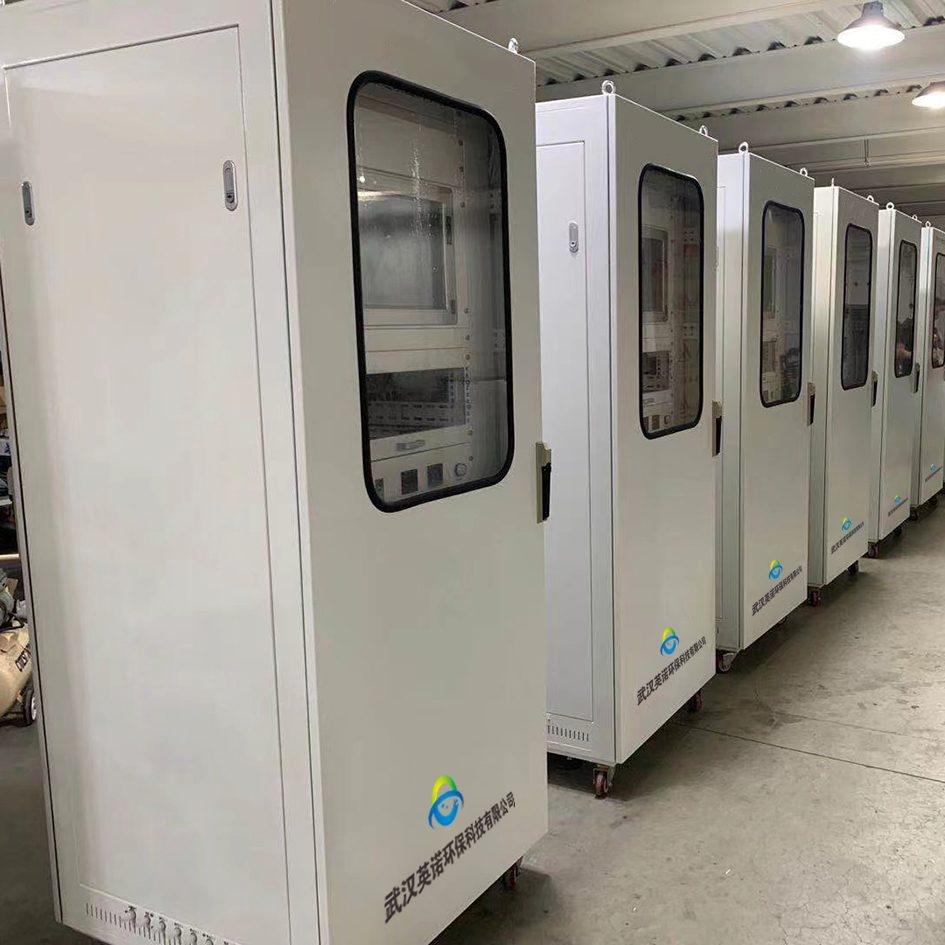
Depending on the application, we can support requirements involving:
- Multi-component gas analysis
- SO₂, NOx, CO, CO₂, and O₂ measurement
- Fixed gas analyzer systems
- Portable gas analysis
- Extractive sampling configurations
- Sample conditioning
- Gas filtration
- Industrial communication and data integration
- Calibration and measurement verification
Rather than choosing an analyzer solely by concentration range, we also consider temperature, moisture, dust, corrosive components, expected response time, installation environment, and maintenance requirements.
This system-level approach helps reduce measurement instability caused by unsuitable sample handling or mismatched sensing technologies. It also makes it easier to configure a solution that fits the specific operating conditions of boilers, furnaces, kilns, incinerators, power plants, and other industrial emission sources.
Conclusion
Reliable stack measurement is fundamental to understanding what an industrial process is releasing into the atmosphere. It supports environmental compliance, but its value also extends to combustion control, process optimization, equipment troubleshooting, and long-term emission management.
Effective stack emission monitoring depends on selecting the right gases, measurement ranges, analyzer technologies, sampling components, and conditioning methods for the actual process environment. Moisture, dust, temperature, interference, calibration, and system maintenance all influence measurement quality.
At ESEGAS, we approach stack monitoring from the complete gas analysis perspective. By combining suitable gas analyzer technologies with appropriate sampling and conditioning solutions, we help industrial users obtain more stable and meaningful emission data for their operating environments.