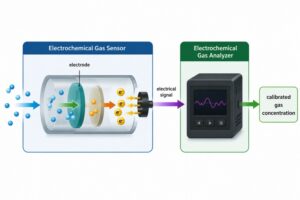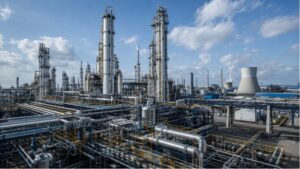




Industrial emissions monitoring has become increasingly important as environmental regulations continue to become stricter worldwide. For many industries, a Continuous Emission Monitoring System (CEMS) is the key equipment used to measure and report pollutant concentrations accurately. However, even advanced gas analyzers may experience measurement deviations over long-term operation due to sensor aging, environmental conditions, or system instability. When inaccurate emission data occurs, companies may face compliance risks, operational inefficiencies, and unnecessary maintenance costs. At ESEGAS, we understand that reliable emission monitoring starts with accurate measurement, which is why proper CEMS calibration plays an essential role in maintaining stable and trustworthy gas analysis performance.
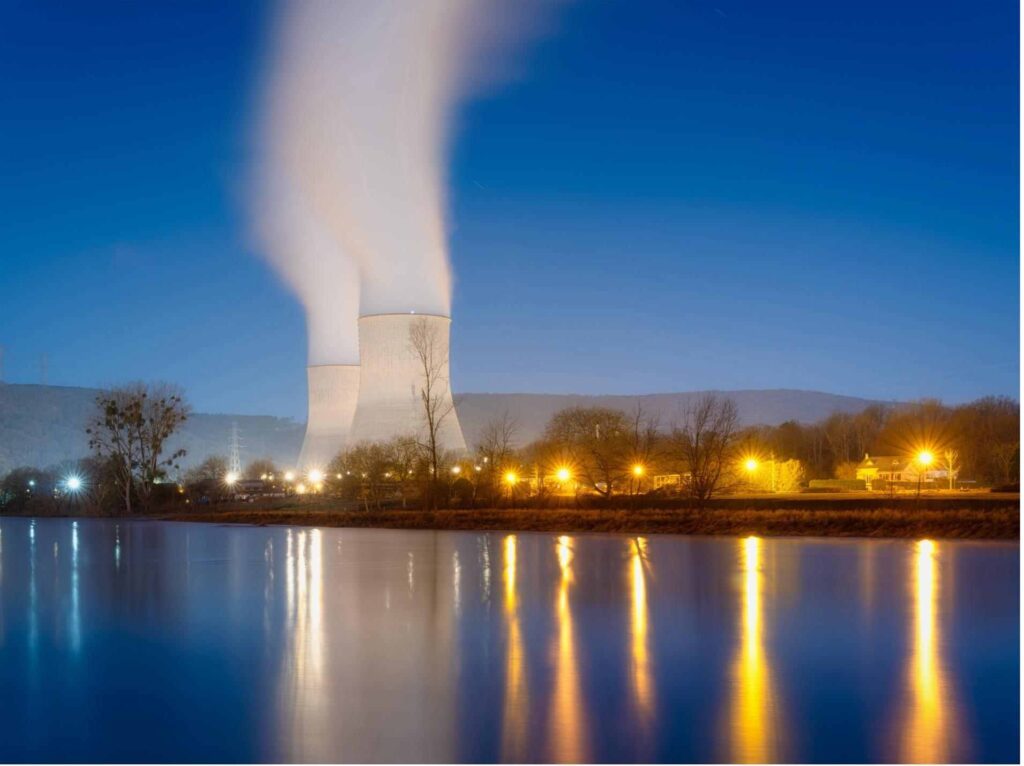
CEMS calibration is the process of adjusting and verifying a Continuous Emission Monitoring System by using certified calibration gases and reference standards to ensure accurate measurement of pollutant concentrations, including SO₂, NOx, CO, and CO₂. Regular calibration helps maintain measurement accuracy, meet environmental compliance requirements, and improve the long-term reliability of emission monitoring data.
Accurate emission monitoring is not only a regulatory requirement but also a critical part of industrial environmental management. A properly calibrated CEMS ensures that gas analyzers can continuously provide reliable data under demanding operating conditions. In the following sections, we will explore why calibration is necessary, how the calibration process works, what factors influence accuracy, and how ESEGAS supports industries in achieving dependable gas measurement results.
Why Does CEMS Need Regular Calibration?
A CEMS operates continuously in challenging industrial environments where high temperatures, humidity, dust, and corrosive gases can gradually affect measurement performance. Without regular calibration, even high-quality gas analyzers may experience zero drift or span drift, causing inaccurate emission readings. This can create difficulties in regulatory reporting and reduce confidence in monitoring results.
For industries that depend on precise emission data, regular calibration is not simply a maintenance task—it is a proactive approach to protecting measurement reliability. Through professional CEMS calibration procedures, companies can restore analyzer accuracy, identify potential issues early, and maintain consistent monitoring performance.
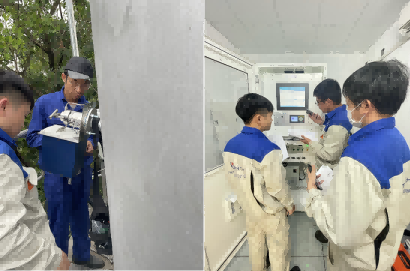
1. Maintain Measurement Accuracy
Gas analyzers must provide precise measurements of pollutants such as SO₂, NOx, CO, and CO₂. Calibration using certified reference gases allows the system to compare actual analyzer responses with known concentration values and make necessary adjustments.
2. Ensure Environmental Compliance
Regulatory agencies require emission monitoring systems to meet strict accuracy standards. Proper calibration helps industries maintain compliance with emission regulations and avoid problems caused by inaccurate reporting.
3. Extend Analyzer Service Life
Regular calibration also contributes to equipment longevity. By identifying performance changes early, operators can reduce unexpected failures and optimize maintenance schedules.
How Is CEMS Calibration Performed Step by Step?
An inaccurate calibration process can result in unreliable emission data, even when the monitoring equipment itself is advanced. To achieve stable measurement results, calibration should follow a standardized procedure using appropriate reference materials and professional techniques.
At ESEGAS, we recommend a systematic approach that verifies every critical stage of the gas analysis process, ensuring that the analyzer performance remains consistent throughout operation.
1. Zero Calibration
Zero calibration verifies the analyzer response when no target gas components are present. A certified zero gas is introduced into the system to check the baseline measurement and correct any potential offset.
2. Span Calibration
Span calibration uses a certified calibration gas with a known concentration to adjust the analyzer response across the measurement range. This step ensures that the gas analyzer accurately detects target components under real operating conditions.
3. Response Verification
After adjustment, the system response time, stability, and repeatability are checked. This confirms that the analyzer can respond properly to changes in emission concentrations.
4. Data Validation
The final step is reviewing calibration results and verifying that the monitoring data meets required accuracy standards.
| Calibration Step | Purpose |
| Zero Calibration | Establishes the analyzer baseline response |
| Span Calibration | Adjusts measurement accuracy using reference gas |
| Response Verification | Confirms analyzer stability and performance |
| Data Validation | Ensures reliable emission monitoring results |
What Factors Can Affect CEMS Calibration Accuracy?
Many companies perform calibration regularly but still experience measurement errors. This usually happens because several factors beyond the calibration procedure itself can influence analyzer performance.
Understanding these factors helps operators develop a more effective maintenance strategy and achieve more reliable emission monitoring.
1. Calibration Gas Quality
The accuracy of reference gases directly affects calibration results. Using high-quality certified gases ensures that the analyzer receives reliable input values during adjustment.
2. Analyzer Condition
The internal condition of the gas analyzer, including sensors, optical components, and electronic systems, can influence measurement stability. Regular inspection helps identify performance degradation before it affects monitoring data.
3. Sampling System Performance
The sampling system is another critical factor. Problems such as pipeline leakage, blockage, moisture accumulation, or contamination can change the gas composition reaching the analyzer and reduce measurement accuracy.
4. Calibration Frequency
The ideal calibration frequency depends on operating conditions, regulatory requirements, and analyzer technology. Harsh industrial environments may require more frequent calibration to maintain reliable performance.
How Can ESEGAS Support Reliable CEMS Calibration?
Reliable emission monitoring requires more than a single calibration process—it requires a complete gas analysis solution designed for long-term stability. At ESEGAS, we focus on providing high-performance gas analyzer solutions that help industries achieve accurate and dependable measurement results.
Our experience in gas analysis technology allows us to support various industrial applications, including power generation, waste incineration, cement production, chemical processing, and steel manufacturing.
1. High-Precision Gas Analyzer Technology
ESEGAS gas analyzers are designed for accurate detection of critical emission components. Stable measurement performance helps industries maintain reliable monitoring data even under demanding operating environments.
2. Professional Calibration Support
Our solutions support essential calibration functions, including zero adjustment and span adjustment, helping operators maintain analyzer accuracy and reduce measurement uncertainty.
3. Solutions for Different Industrial Applications
Different industries face different emission monitoring challenges. ESEGAS provides flexible gas analysis solutions designed to meet the requirements of various CEMS applications and operating conditions.
How Often Should a CEMS Be Calibrated?
There is no single calibration schedule suitable for every CEMS installation. The required frequency depends on factors such as environmental regulations, gas composition, operating conditions, and analyzer design.
Instead of waiting for measurement problems to occur, industries should establish preventive maintenance plans based on actual operating conditions.
| Influencing Factor | Impact on Calibration Frequency |
| Regulatory Requirements | Defines minimum calibration requirements |
| Gas Composition | Corrosive or complex gases may require more frequent checks |
| Operating Environment | Extreme conditions can accelerate analyzer drift |
| Analyzer Technology | Different systems have different stability levels |
By following a suitable maintenance strategy, companies can ensure continuous monitoring accuracy and reduce the risk of unexpected system failures.
Conclusion
CEMS calibration is a fundamental process for maintaining accurate, reliable, and compliant emission monitoring. Without proper calibration, even advanced gas analyzers may experience measurement deviations that affect environmental reporting and operational decisions.
At ESEGAS, we believe that accurate gas measurement is the foundation of effective emission management. Through reliable gas analyzer technology and professional calibration solutions, we help industries improve monitoring accuracy, maintain compliance, and achieve stable long-term CEMS performance.