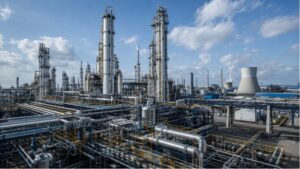



Industrial emissions have become one of the most critical challenges for companies operating in power generation, chemical processing, cement production, steel manufacturing, and other heavy industries. As environmental regulations continue to become stricter, relying on occasional manual sampling or outdated monitoring methods can create serious risks, including unexpected emission violations, increased operational costs, and potential damage to corporate reputation. Without accurate and continuous emission data, companies may struggle to understand what is happening inside their combustion and exhaust processes. Stack emission monitoring provides a reliable solution by enabling real-time measurement of industrial gas emissions, helping businesses maintain compliance, optimize operations, and reduce environmental impact.
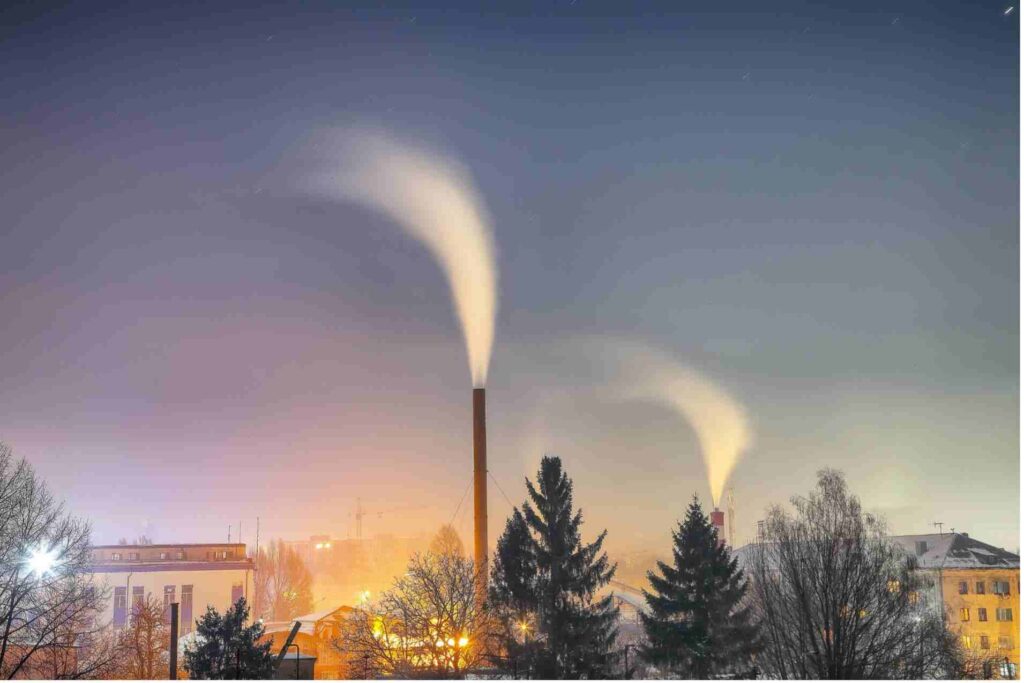
Stack emission monitoring is a continuous measurement process that analyzes gases released from industrial stacks, allowing companies to track pollutant concentrations in real time, ensure compliance with environmental regulations, improve combustion efficiency, and minimize harmful emissions. By using advanced gas analyzers, industries can obtain accurate data on gases such as SO₂, NOx, CO, CO₂, and O₂ to make informed decisions and maintain stable production performance.
Understanding the importance of emission control is only the first step. To achieve effective environmental management, industries need to understand how stack emission monitoring systems operate, why gas analyzers are essential components, and how selecting the right monitoring solution can improve both compliance and production efficiency. In the following sections, ESEGAS will explain the key aspects of modern emission monitoring technology and how advanced gas analysis solutions support industrial applications.
What Is Stack Emission Monitoring and Why Is It Important?
Industrial combustion processes naturally generate various gases that can affect air quality and environmental safety. However, many companies face challenges in accurately measuring these emissions because traditional inspection methods cannot provide continuous and real-time information. When emission levels are unknown or difficult to control, businesses may experience compliance risks, inefficient combustion, and unnecessary energy consumption.
Stack emission monitoring is a technology designed to continuously measure and analyze gases discharged from industrial stacks or chimneys. By installing reliable gas analyzers within an emission monitoring system, companies can continuously monitor pollutant levels and evaluate the performance of their industrial processes.
The main gases commonly monitored in stack emission applications include:
| Monitoring Parameter | Purpose |
| SO₂ (Sulfur Dioxide) | Measures sulfur-related emissions and helps control environmental pollution |
| NOx (Nitrogen Oxides) | Monitors combustion-related pollutants and supports emission reduction strategies |
| CO (Carbon Monoxide) | Indicates incomplete combustion and helps optimize fuel efficiency |
| CO₂ (Carbon Dioxide) | Tracks carbon emissions and supports sustainability management |
| O₂ (Oxygen) | Helps optimize combustion conditions and improve energy efficiency |
With accurate emission data, companies can identify abnormal operating conditions quickly, adjust combustion parameters, and maintain stable production performance. For industries facing increasingly strict environmental requirements, reliable monitoring is no longer optional but an essential part of modern industrial management.
How Does a Stack Emission Monitoring System Work?
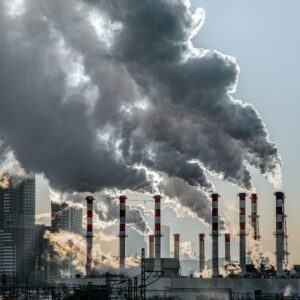
Many industrial facilities cannot determine emission conditions simply by observing exhaust gases visually. Invisible pollutants may exceed permitted levels even when the exhaust appears normal. Without accurate measurement technology, operators may fail to detect problems until regulatory inspections occur or production efficiency declines.
A modern stack emission monitoring system, often known as a Continuous Emission Monitoring System (CEMS), uses advanced sampling and analysis technologies to provide continuous information about industrial emissions. At ESEGAS, we focus on developing gas analyzer solutions that deliver stable and accurate measurement performance for demanding industrial environments.
A typical monitoring process includes several key stages:
1. Gas Sampling
The monitoring system first collects exhaust gas samples directly from the industrial stack. The sampling process must be carefully designed to ensure that the collected gas accurately represents actual emission conditions.
2. Gas Conditioning
Industrial exhaust gases may contain moisture, dust, and other interfering components. Gas conditioning systems remove unwanted elements and prepare the sample for accurate analysis.
3. Gas Analysis
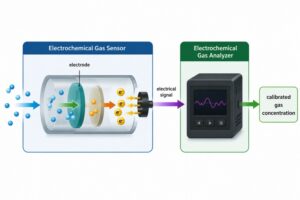
The prepared gas sample enters the gas analyzer, where target components are measured with high precision. Advanced analyzer technology allows operators to monitor multiple gases simultaneously and receive reliable emission data.
4. Data Processing and Transmission
After analysis, measurement results are transmitted to control systems or environmental monitoring platforms. Operators can review emission trends, identify abnormal conditions, and optimize industrial processes based on real-time information.
Through this complete monitoring process, stack emission monitoring systems help industries transform emission management from reactive problem-solving into proactive control.
What Are the Benefits of Using Advanced Gas Analyzers for Stack Emission Monitoring?
Traditional emission measurement methods often provide limited information and may require frequent manual operation. For industries operating continuously, inaccurate or delayed data can create difficulties in maintaining compliance and improving process efficiency. A reliable gas analyzer provides the measurement accuracy and stability required for modern emission management.
ESEGAS gas analyzers are designed to support industrial customers with precise gas measurement solutions that help improve operational control and environmental performance.
1. Accurate Emission Measurement
Accurate measurement is the foundation of effective emission management. Advanced gas analyzers can detect low concentrations of pollutants and provide reliable data for compliance reporting. By continuously monitoring emission levels, companies can better control their processes and reduce the risk of exceeding regulatory limits.
2. Real-Time Monitoring Capability
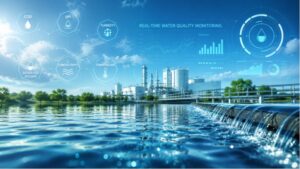
Environmental conditions and combustion processes can change rapidly. Real-time monitoring allows operators to immediately identify abnormal emission patterns and make timely adjustments. This capability improves operational response and helps prevent unnecessary environmental impact.
3. Improved Process Efficiency
Emission monitoring is not only about environmental protection. Gas analysis data can also help industries optimize combustion performance. For example, monitoring oxygen concentration can support better air-fuel ratio control, reducing fuel waste and improving overall energy efficiency.
4. Reduced Maintenance and Operating Costs
Reliable monitoring equipment reduces the need for frequent manual inspections and minimizes unexpected system failures. With stable performance and durable design, industrial gas analyzers can support long-term operation in challenging environments.
Which Industries Need Stack Emission Monitoring Solutions?
Different industrial sectors produce different types and levels of emissions. Without effective monitoring solutions, companies may face difficulties controlling pollutants and maintaining compliance with environmental standards. Stack emission monitoring provides essential data for industries where combustion and exhaust processes play a critical role.
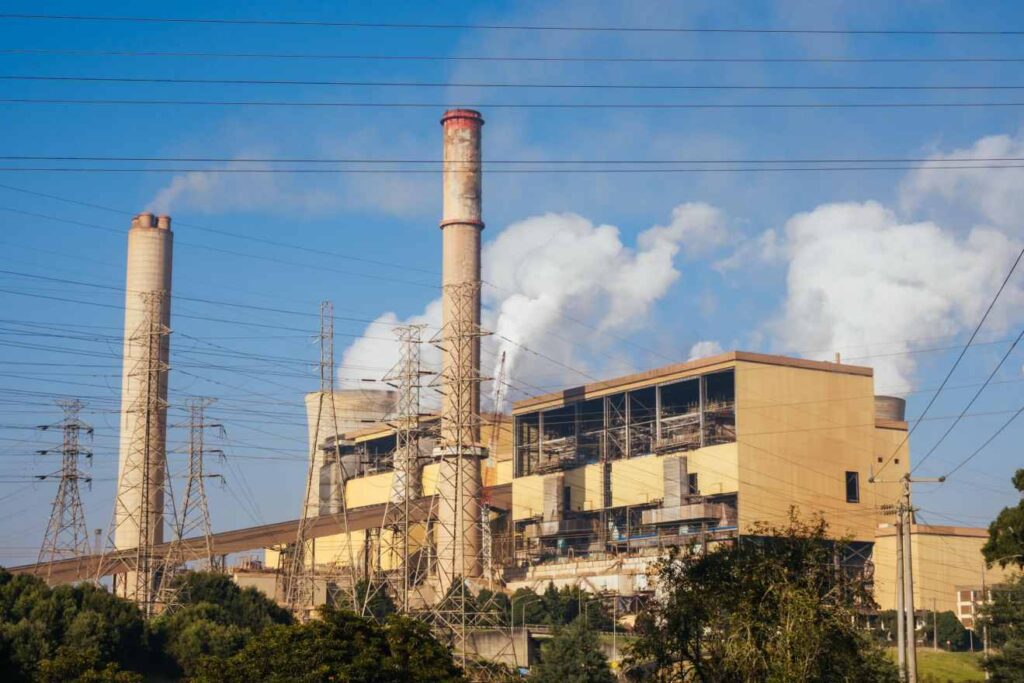
ESEGAS provides gas analyzer solutions suitable for various industrial applications, including:
| Industry | Monitoring Requirements |
| Power Generation | Monitor combustion emissions from boilers and turbines |
| Cement Manufacturing | Analyze kiln exhaust gases and optimize combustion processes |
| Steel Production | Track furnace emissions and improve process control |
| Chemical Processing | Ensure safe operation and monitor hazardous gases |
| Waste Incineration | Control pollutant emissions and maintain environmental compliance |
Whether monitoring combustion efficiency in a power plant or controlling exhaust emissions in a manufacturing facility, accurate gas analysis technology helps companies achieve better environmental and operational performance.
How Can Companies Choose the Right Stack Emission Monitoring Solution?
Selecting the right monitoring system can be challenging because industrial environments vary significantly. Different applications require different measurement ranges, gas components, installation methods, and maintenance strategies. Choosing an unsuitable system may lead to inaccurate results, higher operating costs, and reduced reliability.
When evaluating a stack emission monitoring solution, companies should consider the following factors:
1. Measurement Accuracy
The gas analyzer should provide precise and stable measurement results, especially when monitoring low concentrations of pollutants or meeting strict regulatory requirements.
2. Target Gas Requirements
Different industries need to monitor different gases. Companies should select analyzers capable of measuring the specific components required for their processes, such as SO₂, NOx, CO, CO₂, or O₂.
3. Operating Environment
Industrial stacks often involve high temperatures, dust, and corrosive gases. The selected monitoring equipment should be designed to operate reliably under these challenging conditions.
4. Maintenance Requirements
A good monitoring solution should balance accuracy with ease of maintenance. Stable analyzer performance helps reduce downtime and improve long-term operational efficiency.
At ESEGAS, we understand that every industrial application has unique requirements. By combining advanced gas analysis technology with practical industry experience, we provide customized solutions that help companies achieve reliable emission monitoring and sustainable development goals.
Conclusion: Why Is Stack Emission Monitoring Essential for Modern Industries?
As environmental regulations become increasingly demanding, industries need accurate and continuous emission data to maintain compliance and improve operational efficiency. Stack emission monitoring enables companies to measure, analyze, and control industrial emissions in real time, creating a foundation for cleaner production and smarter process management.
With advanced gas analyzers, businesses can achieve more accurate pollutant measurement, optimize combustion performance, reduce operational risks, and support environmental sustainability. At ESEGAS, we are committed to providing reliable gas analysis solutions that help industries worldwide improve emission control and move toward a more efficient and sustainable future.