



Your reheating furnace could be wasting 10–15% more fuel than it should. Left unchecked, poor combustion control quietly drains your budget and puts compliance at risk. An industrial gas analyzer fixes this fast.
An industrial gas analyzer measures O₂, CO, and CO₂ levels in a reheating furnace’s flue gas in real time, letting operators fine-tune the air-fuel ratio. This single adjustment can cut fuel use by up to 15%, reduce harmful emissions, and extend the life of refractory linings and burner components.
Knowing what a gas analyzer does is just the starting point, though. The real payoff comes from picking the right system for your furnace type, fuel source, and production line. That’s where most procurement decisions actually go wrong — so let’s break down what’s happening inside your furnace right now, and what to do about it.
Why Does Your Reheating Furnace Waste So Much Fuel?
Most reheating furnaces run hotter and dirtier than they need to, and the culprit is almost always excess air. Plants routinely operate with 20–40% excess air in the combustion chamber, when the ideal range sits closer to 5–10%. That gap isn’t trivial. For every 1% rise in excess oxygen, fuel consumption climbs by roughly 1% as well.
Why does this happen so often? Simple — without real-time feedback, operators tend to run “safe” and add extra air to avoid incomplete combustion. It feels cautious. In reality, it’s expensive. Combustion engineering standards, including guidance referenced by NFPA and major industry associations, have flagged excess-air control as one of the single biggest levers for furnace efficiency gains. Yet many plants still adjust burners by feel, or worse, by habit passed down from the last shift supervisor.
This is exactly the blind spot a gas analyzer eliminates.
What Should an Industrial Gas Analyzer Monitor on a Reheating Furnace?
Not all readings matter equally. Four parameters tell you almost everything about combustion health:
| Parameter | Ideal Range | Risk If Out of Range |
|---|---|---|
| O₂ | 2–4% | Too high = wasted fuel; too low = incomplete combustion |
| CO | Under 100 ppm | Signals unburned fuel, safety hazard |
| CO₂ | 10–13% | Low reading indicates poor combustion efficiency |
| NOx | Site-specific limit | Non-compliance risk, potential fines |
Here’s the thing — these numbers work together, not in isolation. A furnace can show a “normal” CO₂ reading while still burning excess air, so relying on a single metric gives you an incomplete picture. That’s why modern gas analyzers track multiple gases simultaneously and feed the data straight into the combustion control loop, adjusting burners automatically instead of waiting for a human to notice a trend on a chart.
Does an Industrial Gas Analyzer Actually Pay Off on a Reheating Furnace?
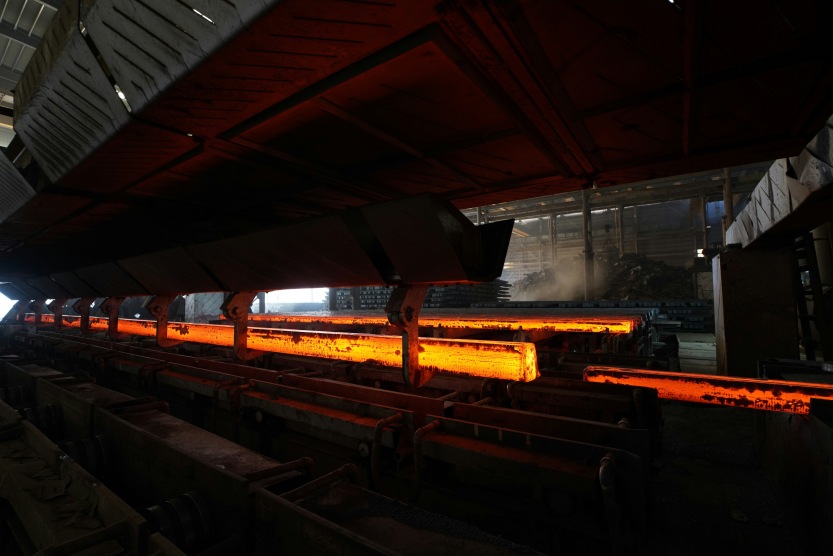
Let’s put this in concrete terms. Take a mid-sized steel reheating furnace running at 30% excess air. After installing a continuous gas analyzer and retuning the burner management system, excess air drops to around 8%.
The result? Annual fuel savings in the range of hundreds of thousands of dollars for a large-scale operation, with payback periods for the analyzer investment typically landing between 8 and 18 months, depending on furnace size and fuel type. Emissions drop in parallel — lower excess air means less nitrogen exposed to combustion temperatures, which directly reduces NOx formation.
That’s not a marketing estimate. It’s basic thermodynamics: less wasted air means less wasted heat, and less wasted heat means lower gas bills, month after month.
Which Type of Gas Analyzer Fits Your Reheating Furnace?
Procurement teams usually face three main technology options, and each comes with real trade-offs:
Zirconia oxide probes sit directly in the flue path and offer fast, reliable O₂ readings. They’re durable and cost-effective but need periodic calibration and can degrade in high-dust environments.
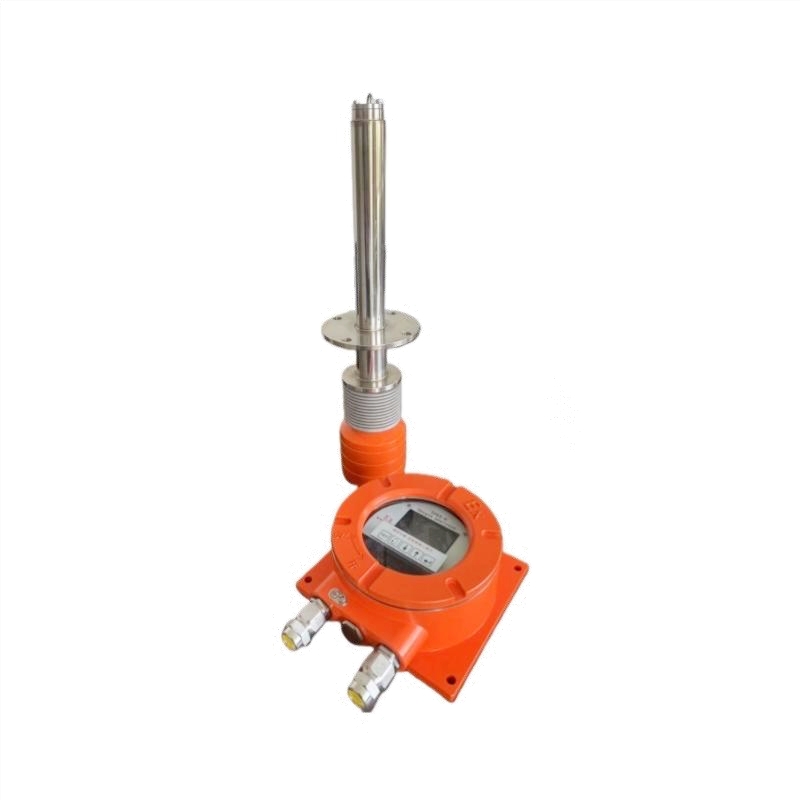
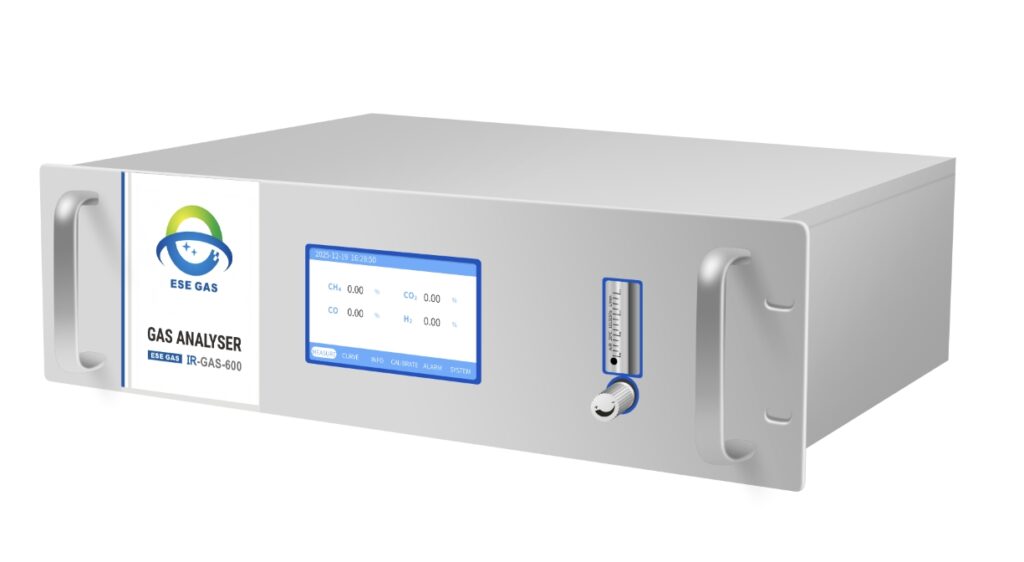
Extractive gas analyzers pull a gas sample out for analysis in a separate cabinet. This protects the sensor from harsh furnace conditions and allows multi-gas measurement, though response time is slightly slower and maintenance involves more components.
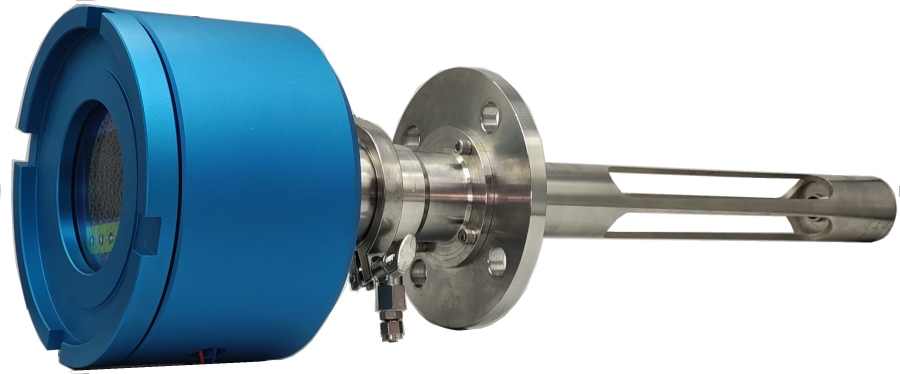
In-situ laser analyzers measure gas concentration directly across the flue gas stream without extraction. They deliver very fast response and minimal maintenance, but the upfront cost runs higher, which matters for budget-conscious buyers.
For distributors quoting multiple client types — steel mills, aluminum processors, glass manufacturers — stocking a mix of these technologies makes sense, since furnace size and application dictate which option delivers the best return.
What Should You Check Before Buying an Industrial Gas Analyzer for Your Reheating Furnace?
Before signing off on any gas analyzer purchase, procurement managers and distributors should run through a short checklist:
- Certification — CE or ISO compliance, non-negotiable for most industrial buyers
- Calibration support — how often, and does the supplier provide it on-site?
- Spare parts availability — long lead times kill uptime
- Warranty terms — what’s actually covered, and for how long?
- Technical support response time — critical when a furnace is down and losing money by the hour
This is exactly where a supplier’s track record matters as much as the spec sheet. ESEGAS manufactures industrial gas analyzers built specifically for high-temperature furnace applications, backed by responsive technical support and proven field experience across steel, aluminum, and glass processing lines. For procurement teams sourcing equipment that needs to perform reliably under continuous industrial conditions — not just in a lab test — that combination of product quality and support infrastructure is what actually reduces risk on a purchase order.
Conclusion
Optimizing a reheating furnace comes down to one thing: accurate, real-time gas analysis instead of guesswork. If you’re ready to stop overpaying for fuel and start sourcing a reliable industrial gas analyzer, reach out to ESEGAS — their team can help you match the right technology to your furnace and get it running efficiently from day one.
FAQs
What is an Industrial Gas Analyzer used for in a Reheating Furnace?
An Industrial Gas Analyzer measures O₂, CO, CO₂, and NOx levels in a Reheating Furnace’s flue gas in real time. Operators use these readings to fine-tune the air-fuel ratio, which cuts fuel waste, lowers emissions, and protects burner and refractory components from damage.
What is the ideal O₂ level for a Reheating Furnace?
Most Reheating Furnaces run most efficiently with flue gas O₂ between 2% and 4%. Readings above this range signal wasted fuel from excess air, while readings below it risk incomplete combustion and elevated CO levels.
Which type of Industrial Gas Analyzer is best for a Reheating Furnace?
It depends on the application. Zirconia oxide probes suit standard O₂ monitoring at lower cost, extractive analyzers handle harsh conditions with multi-gas capability, and in-situ laser analyzers offer the fastest response for high-precision Reheating Furnace control. The right choice depends on furnace size, dust levels, and budget.
Does ESEGAS supply Industrial Gas Analyzers for Reheating Furnaces?
Yes. ESEGAS manufactures Industrial Gas Analyzers designed for high-temperature Reheating Furnace applications, with field experience across steel, aluminum, and glass processing industries, plus responsive technical and calibration support.