



Pellet plant kilns run 24/7, pumping out SO2, NOx, and CO around the clock. One drifting sensor means missed emissions limits, unexpected fines, or a full shutdown. The right industrial gas analyzer stops that problem before it starts.
Industrial gas analyzers help pellet plants stay compliant, cut fuel costs, and protect equipment by continuously measuring SO2, NOx, CO, and O2 across the induration process. Real-time data lets operators fine-tune combustion in the pellet plant kiln and cooler, which reduces emissions violations while lowering fuel consumption through better air-to-fuel control.
That’s the short answer. But plant operators usually want more — how much money does this actually save, and which gas analyzer technology survives the dust and heat of a pellet plant grate-kiln system? Let’s dig into the numbers and the technology choices.
Why Are Pellet Plants Harder to Monitor with a Standard Industrial Gas Analyzer?
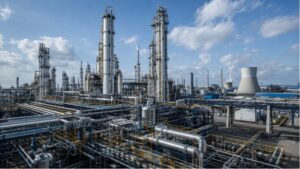
A pellet plant’s grate-kiln-cooler line isn’t a single emission point — it’s three. The traveling grate preheats raw pellets, the rotary kiln fires them at extreme temperatures, and the annular cooler brings them back down. Each stage kicks off different gas profiles, and each one runs thick with dust.
That combination — high particulate load plus high heat — wrecks a lot of standard sensors. Electrochemical cells clog. Filters need constant cleaning. And under tightening regulations like the EPA’s 40 CFR emissions standards or the EU’s Industrial Emissions Directive, plants can’t afford blind spots in their SO2 or NOx readings. Regulators expect continuous, verifiable data, not estimates.
So the real question isn’t just “do we need a gas analyzer” — it’s “can this gas analyzer actually survive our process conditions.”
What Are the Core Benefits of an Industrial Gas Analyzer in Pellet Plants?
1. Staying on the Right Side of Regulations
Emissions limits for SO2 and NOx at pellet plant operations are strict, and they keep getting stricter. A single missed reading during an inspection window can trigger fines that dwarf the cost of the instrument itself. Continuous monitoring closes that gap — it gives plants a verifiable, timestamped record instead of a guess.
2. Cutting Fuel Costs Through Better Combustion Control
Here’s a benefit that often gets overlooked: emissions monitoring isn’t just about compliance. O2 and CO readings tell operators exactly how efficiently the kiln is burning fuel. Run too rich, and you waste fuel. Run too lean, and combustion gets unstable. Industry data consistently points to fuel savings in the 5–10% range when plants use real-time O2 trim control instead of periodic manual checks. On a pellet plant kiln burning natural gas or coal around the clock, that adds up fast.
3. Protecting Equipment from Corrosive Gas Damage
SO2 and NOx aren’t just regulatory headaches — they’re corrosive. Left unmonitored, they eat away at ductwork, dampers, and downstream equipment over time. Catching abnormal spikes early means maintenance teams can act before a slow leak turns into an expensive repair.
4. Keeping Workers Safe in Dust-Heavy, High-Heat Zones
Pellet plants are demanding places to work — dust, heat, and toxic gas exposure all in one environment. Reliable gas analyzers give safety teams early warning before conditions cross a dangerous threshold, not after.
Which Industrial Gas Analyzer Technology Actually Fits Pellet Plant Conditions?
Not every gas analyzer technology handles dust and heat the same way. Here’s how the two core measurement technologies compare:
| Technology | Gases | Dust Tolerance | Response Speed | Maintenance Frequency |
|---|---|---|---|---|
| UV-DOAS | SO2, NOx | High | Fast | Low — no consumables |
| NDIR | CO, CO2 | Moderate | Fast | Moderate — periodic filter checks |
UV-DOAS technology tends to hold up best in the dustiest zones, since it measures across a full optical spectrum rather than relying on a single filtered wavelength. NDIR plays a complementary role — it’s often paired with UV-DOAS to cover CO and CO2 in one integrated industrial gas analyzer platform.
Oxygen measurement, though, deserves its own conversation. Pellet plants typically choose between two very different approaches.
Zirconia Oxygen Analyzer: A Standalone Choice
A zirconia oxygen analyzer works as an in-situ probe, mounted directly in the flue gas stream. It measures O2 almost instantly and holds up well at high temperatures, which makes it a natural fit for direct combustion control near the pellet plant kiln or cooler. The trade-off is upkeep — the probe needs periodic cleaning and calibration to stay accurate in a dust-heavy environment. Many pellet plants run zirconia analyzers as a dedicated, standalone O2 measurement point rather than folding them into a multi-gas system.
Electrochemical O2 Sensors: An Add-On Module
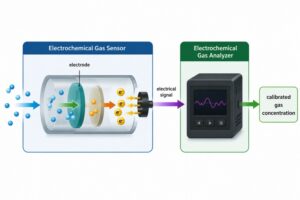
An electrochemical sensor takes a different path. Instead of standing alone, it usually gets integrated directly into a multi-gas analyzer platform alongside SO2, NOx, and CO measurement. That makes it a practical add-on for plants that want O2 data without installing and maintaining a separate probe. Electrochemical cells cost less upfront and simplify the system, though they typically have a shorter service life than a zirconia probe and need periodic replacement.
The right pick usually comes down to how the plant wants to manage O2 monitoring — as its own dedicated instrument, or as one more channel inside a single integrated industrial gas analyzer.
What Should You Look for Before Buying an Industrial Gas Analyzer?
Before choosing an industrial gas analyzer for a pellet plant, run through this checklist:
- Dust tolerance — can it handle continuous particulate exposure without frequent cleaning?
- Gas coverage — does it measure SO2, NOx, CO, and O2, or will you need multiple units?
- CEMS compatibility — will it integrate with your existing data system?
- Maintenance interval — how often does it actually need service in real conditions, not just on paper?
- Certification — does it meet the emissions standards your plant is regulated under?
Skipping any one of these usually means paying for it later, either in downtime or in a compliance gap.
Conclusion
Industrial gas analyzers aren’t just a compliance checkbox. They cut fuel costs, extend equipment life, and prevent the kind of shutdown that costs far more than the instrument ever would.