



When engineers, environmental managers, or plant operators type this question into Google, they are usually on the verge of an important purchase. They want to choose an emission tester with an NDIR gas analyzer that truly fits their needs. Unlike general curiosity, this search reflects a buying decision: users want real answers that help them compare products and make a smart investment.
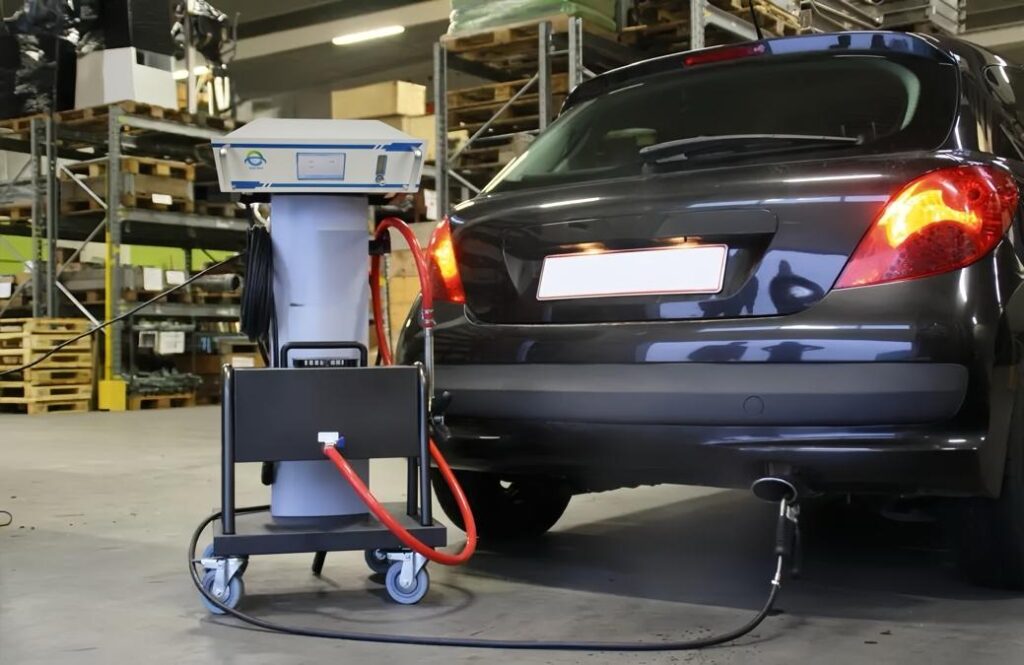
Most buyers need a device that delivers accurate gas readings and meets regulatory limits for emissions reporting. At the same time, they want equipment with stable long-term performance and low maintenance costs so they avoid frequent downtime or expensive service calls. An emission tester should also integrate smoothly into their operations, whether it’s for process monitoring, combustion optimization, or environmental compliance — especially where strict legal standards apply (e.g., air quality or industrial emission rules).
Choosing the right instrument isn’t simple. You must balance technical performance with real-world needs — not just pick the cheapest option. This article will walk you through the key technical specs, performance benchmarks, and environmental conditions you should consider before making a purchase. By understanding these elements clearly, you’ll gain confidence in selecting an emission tester that supports your goals, avoids costly mistakes, and delivers reliable data you can trust.
Why Is NDIR Technology Commonly Used in an Emission Tester?
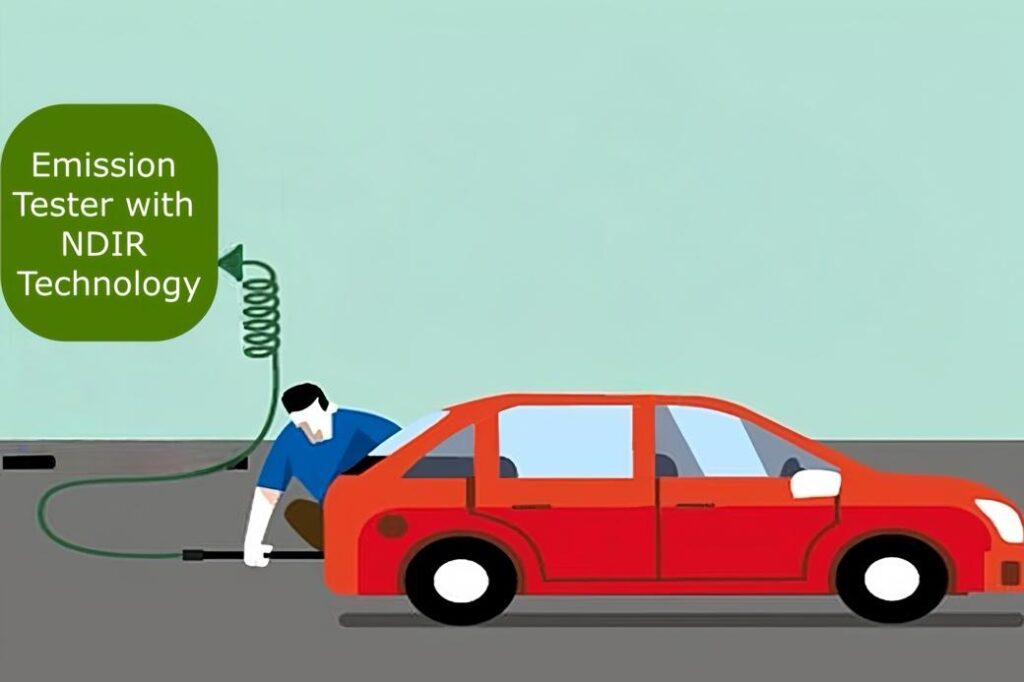
Professionals choose NDIR technology in emission testers because it brings clear advantages for industrial gas measurement. First, NDIR gas analyzer lets you detect multiple gases with one system. This is essential when you must monitor combinations like CO, CO₂, CH₄, and NOx at the same time without installing separate detectors for each gas. Manufacturers design NDIR systems with several optical channels so they can measure several target gases in one go.
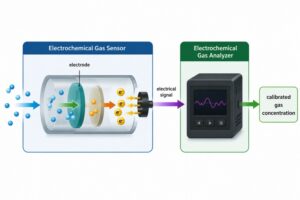
Moreover, NDIR works by measuring how much infrared light a gas absorbs at its specific wavelength. This method does not rely on chemical reactions or consumable elements that wear out quickly. As a result, the sensors have a long service life and require less frequent calibration or replacement. Such non-consumptive detection cuts maintenance time and cost — a major benefit for facilities running continuous monitoring.
Finally, NDIR gas analyzers are built to handle real industrial emission environments. They can withstand harsh flue gas conditions, large temperature swings, and dusty or humid air without losing stability or accuracy. That robustness makes them ideal for compliance testing and process control in factories, power plants, and combustion systems.
What Core Criteria Should You Evaluate in an Emission Tester With an NDIR Analyzer?
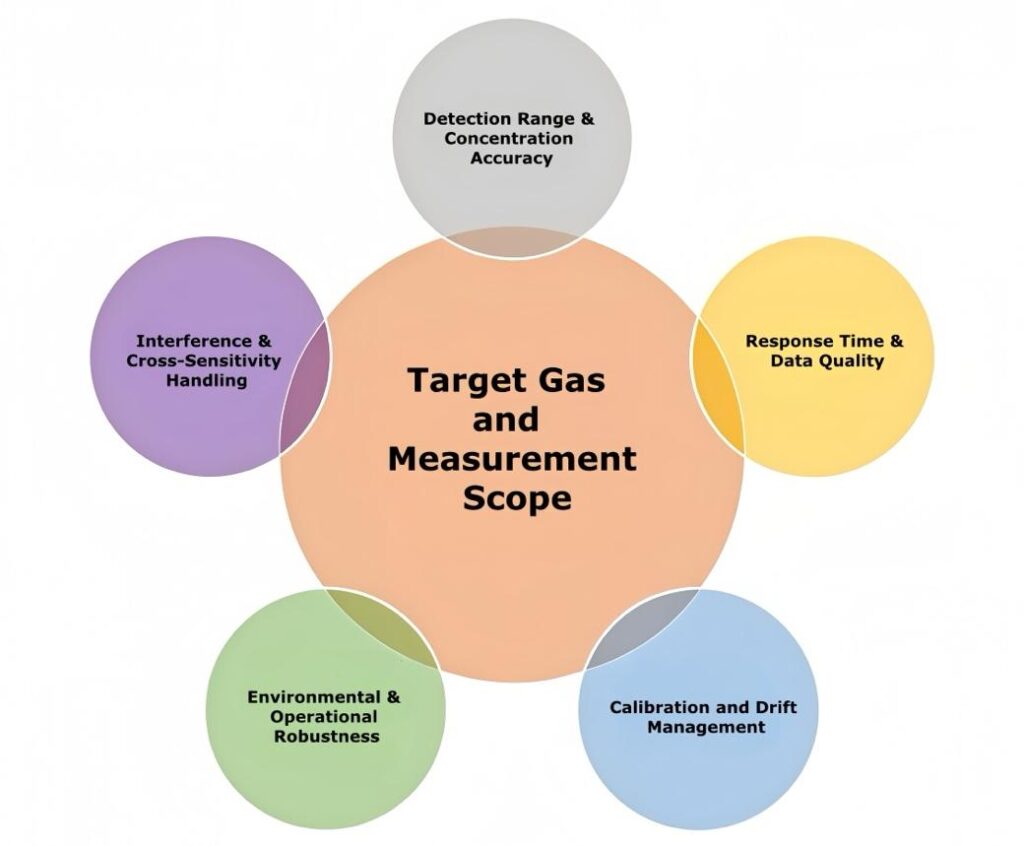
When choosing an emission tester with an NDIR gas analyzer, you must assess several key technical and performance factors. Below, we walk you through each of these core buying criteria clearly and logically.
1. Target Gas and Measurement Scope
First, define exactly which gases your emission tester must measure. Common regulated gases include CO₂, CO, CH₄, NOx, SO₂ and others. Emission testers differ in gas coverage because each gas absorbs infrared light at specific wavelengths. Therefore, some analyzers use multiple optical channels to detect more than one gas accurately. Before you buy, confirm the unit supports all gas species required by your compliance or process goals. This prevents needing extra analyzers later and ensures accurate multi-component monitoring.
2. Detection Range & Concentration Accuracy
Next, check the detection range — from parts per million (ppm) to percent-by-volume (%) levels — and make sure it matches your application. An emission tester designed to measure 0–1000 ppm may saturate if your process produces gas at several percent level, and vice versa. Also consider accuracy and resolution: tight accuracy (e.g., ±1 % of full scale) and fine resolution (ppm level) are essential for credible compliance reporting. Choose an analyzer with ranges and precision aligned to your regulatory or operational specifications.
3. Response Time & Data Quality
Then think about how quickly the analyzer responds to changes in gas concentrations. Fast response and high-quality real-time data let you make timely process adjustments or meet fast-cycle compliance test requirements. Evaluate how the emission tester samples gas, refreshes output, and delivers data. Better designs reduce lag and give cleaner signals, which improves control decisions in dynamic environments like combustion stacks or process vents.
4. Calibration and Drift Management
Calibration matters for long-term reliability. Look for emission testers that support automated zero/span calibration or offer straightforward software-assisted calibration. Good analyzers also minimize sensor drift — slow changes in baseline over time — which can skew results if left unchecked. Units with low calibration needs reduce both maintenance effort and the risk of unplanned downtime. Automated calibration features can cut operational work and improve trust in your measurements.
5. Environmental & Operational Robustness
Your emission tester must survive its working environment. High temperatures, humidity, dust, and pressure swings from industrial flue gas can affect NDIR performance. Inspect device specifications like IP rating, operating temperature range, and sample conditioning requirements. Rugged enclosures and robust sample filters or moisture traps help maintain uptime and ensure consistent readings, even under harsh conditions.
6. Interference & Cross-Sensitivity Handling
Finally, check how the analyzer deals with interference from other gases. NDIR sensors can exhibit cross-sensitivity when multiple gas species absorb similar infrared wavelengths. Advanced analyzers use compensation algorithms, reference channels, or multi-wavelength designs to reduce this effect. Detailed interference specifications let you understand potential limitations in real-world conditions and choose a unit that maintains integrity even in mixed-gas streams.
Together, these criteria help you choose the right emission tester with an NDIR analyzer for your compliance, performance, and operational goals — maximizing measurement reliability and long-term value.
How Should You Evaluate a Supplier When Buying an Emission Tester?
Choosing the right emission tester with an NDIR gas analyzer goes beyond technical specs. Your supplier and their after-sales support can make a major difference in equipment uptime, data reliability, and long-term value. Let’s break down the key aspects you should consider.
1. Vendor Reputation and Track Record
First, look at the supplier’s industry standing and real project experience. A reputable vendor typically has a track record of delivering reliable gas analysis equipment and supporting customers over time. You can verify this by checking case studies, testimonials, and references from clients in industries similar to yours, such as power plants or manufacturing facilities. Established suppliers often carry well-known brands with certifications and quality assurances, which adds credibility and reduces purchase risk.
Positive feedback and repeat business indicate that other buyers trust the supplier’s products and service. This trust is especially important when the emission tester will be part of regulatory reporting or process control systems that require consistent performance under real-world conditions.
2. Technical Support and After-Sales Services
Next, assess the supplier’s technical support capabilities. After you install an emission tester, you’ll want access to on-site calibration services, troubleshooting, and timely firmware or software updates. Good suppliers offer structured training programs to help your team operate the analyzer safely and correctly, reducing errors and maintenance challenges.
Fast and responsive support — ideally within business hours or even 24/7 — ensures that issues won’t delay your compliance or production goals. Asking about average response times for service calls and available service contracts helps you set expectations for future support needs.
3. Long Lifecycle Support and Upgrade Path
Finally, think long-term. A supplier that invests in continuous improvements, upgrades, and spare parts availability gives you a better total value of ownership. Equipment like emission testers often stays in service for many years, so having access to replacement parts, software enhancements, and upgrade paths prolongs the system’s usefulness and keeps it aligned with evolving monitoring standards.
Buyers should also ask about extended warranties and post-warranty services. These options can protect you against unexpected costs and help maintain peak analyzer performance without major new investments.
Together, vendor reputation, reliable support, and lasting service commitments help ensure that your emission tester continues to serve your compliance, reporting, and process control needs without surprises down the road.
Conclusion
As you wrap up your research on what to look for in an emission tester with an NDIR gas analyzer, it helps to bring all the key ideas together. Choosing the right analyzer is more than ticking boxes on a spec sheet — it’s about matching real-world needs with reliable technology that keeps pace with your regulatory, operational, and budget goals.
Instead of focusing only on price, look at the value delivered over time — such as reduced maintenance costs, fewer calibration hassles, and dependable support for firmware updates or spare parts. This practical and structured approach helps you choose an emission tester that not only meets today’s needs but also adapts to future challenges in emissions monitoring and control.
Ready to integrate our solution for your emission tester? Contact with us please!
FAQs:
1.What is an emission tester with an NDIR gas analyzer?
An emission tester with an NDIR gas analyzer uses non-dispersive infrared (NDIR) technology to measure gas concentrations like CO, CO₂, CH₄, and NOx in exhaust or process streams. NDIR detects how much infrared light specific gases absorb, enabling continuous, accurate monitoring for emission control and compliance.
2.Which gases can an NDIR emission tester measure?
Most NDIR emission testers measure common regulated gases such as CO, CO₂, and CH₄ (NOx and SO₂ are optional). Some advanced systems support simultaneous measurement of multiple components, making them versatile for flue gas and industrial emission monitoring.
3.Why is NDIR technology preferred in emission testers?
NDIR is widely used because it supports multi-gas detection, offers long sensor life with low maintenance, and performs reliably in harsh industrial environments. Its optical method does not consume reagents, keeping running costs down.
4.How do I choose the right gas range and accuracy?
Match the emission tester’s measurement range (e.g., ppm to % levels) to your application’s expected gas concentrations. Also check accuracy and resolution to ensure results meet regulatory reporting and process control requirements. Poor range matching can lead to saturation or wasted expense.
5.Do emission testers require regular calibration?
Yes, calibration ensures measurement accuracy over time. Choose analyzers that offer automated zero/span calibration or easy software-guided calibration to reduce maintenance workload and prevent drift that could skew results. (Concept from blog content)
6.How important is supplier reputation when buying an emission tester?
Supplier reputation matters for confidence and long-term support. Vendors with proven track records, case studies, and positive testimonials are more likely to provide reliable analyzers and responsive service when you need it.