



Laboratories are built for discovery, but they also concentrate invisible risks in a very small space. A minor gas leak can spread before anyone notices it, a poorly ventilated corner can turn into an oxygen-deficient zone, and a routine experiment can escalate into a fire, toxic exposure, or emergency shutdown. Too often, the real problem is not that laboratories ignore safety altogether, but that they underestimate how quickly unseen gas hazards can develop. At ESEGAS, we believe laboratory safety begins with recognizing that what cannot be seen can still cause the greatest damage.
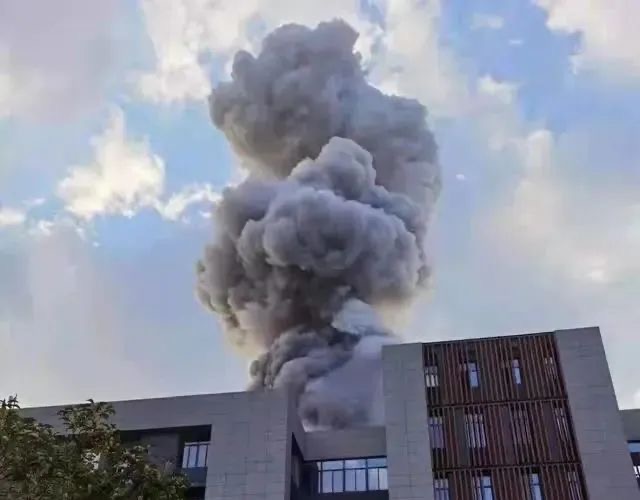
Gas detection is essential for laboratory safety because it helps identify toxic, combustible, asphyxiant, and corrosive gases before they become critical threats. By enabling early warning, continuous monitoring, and faster response, gas detection supports personnel protection, regulatory compliance, and the prevention of serious laboratory accidents.
That is the direct answer, but it is only the starting point. To build a safer laboratory, we need to look beyond the idea of safety in general and focus on where gas risks come from, why they are often missed, and how the right gas detection strategy can turn a reactive safety program into a preventive one.
What Gas Hazards Are Commonly Found in Laboratories?
Many laboratories work with a broad mix of chemicals, compressed gases, solvents, and experimental processes. This creates a dangerous assumption: because each individual activity seems controlled, the overall environment must also be safe. In reality, even a well-managed laboratory can contain multiple overlapping hazards, and without reliable Gas Detection, small warning signs may go unnoticed until the situation becomes far more serious.
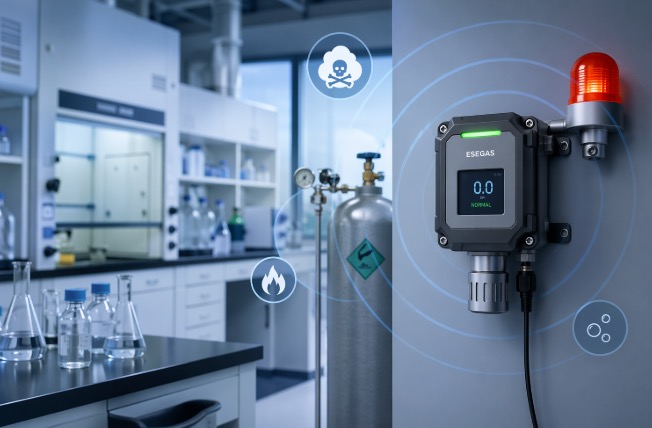
At ESEGAS, we generally see four major categories of gas risk in laboratory environments:
1. Toxic gases
These include gases that can harm health even at low concentrations, such as carbon monoxide, hydrogen sulfide, chlorine, and ammonia. Exposure may cause irritation, poisoning, breathing difficulty, or long-term health effects.
2. Combustible gases
Hydrogen, methane, and certain solvent vapors can form flammable atmospheres under the right conditions. In research laboratories, pilot labs, and testing facilities, this risk becomes especially important when ignition sources are present.
3. Asphyxiant gases
Nitrogen and carbon dioxide are common examples. These gases may not be toxic in the traditional sense, but they can displace oxygen and create an oxygen-deficient atmosphere that becomes dangerous without obvious warning signs.
4. Corrosive or highly reactive gases
Some laboratory gases can damage equipment, degrade components, irritate skin and eyes, and create both safety and maintenance issues over time.
The exact gas profile always depends on the laboratory’s applications, materials, processes, and storage conditions. That is why effective Gas Detection should always begin with a realistic hazard assessment rather than a generic equipment list.
Why Are Laboratory Gas Leaks So Difficult to Detect Early?
One of the biggest problems in laboratory safety is that gas hazards rarely announce themselves clearly. Teams may rely on smell, visible signs, or general awareness, but many dangerous gases are colorless, hard to recognize, or fast to disperse into critical areas. By the time personnel realize something is wrong, the concentration may already have reached a dangerous level. This is exactly why early Gas Detectionmatters: it closes the gap between leak occurrence and human awareness.
Several factors make laboratory gas leaks especially difficult to detect early:
Invisible and odorless characteristics
Many hazardous gases cannot be identified reliably by human senses alone. Some have no smell, while others can dull sensory response after exposure.
Complex laboratory layouts
Gas may accumulate near cylinder cabinets, under benches, around pipelines, in enclosed testing chambers, or in low-ventilation corners that are not part of normal visual inspection.
Variable airflow conditions
Fume hoods, HVAC systems, open doors, room pressure differences, and equipment placement all affect how gas moves. A leak may not spread evenly, which makes casual detection even less reliable.
Small leaks can become major incidents
A loose fitting, aging seal, or damaged connector may begin as a minor issue. Without continuous Gas Detection, that minor issue can develop into fire risk, toxic exposure, downtime, or evacuation.
For this reason, laboratory safety should never depend only on human perception. A proper monitoring system provides the consistency that manual observation cannot.
Which Areas in a Laboratory Should Be Prioritized for Gas Monitoring?
It is easy to say a laboratory needs Gas Detection, but placing detectors without a clear strategy often leaves critical blind spots. The real challenge is knowing where gas hazards are most likely to appear, accumulate, or remain unnoticed. At ESEGAS, we recommend prioritizing monitoring points based on gas type, release source, airflow behavior, and personnel exposure risk.
The following areas usually deserve close attention:
| Laboratory Area | Why It Matters | Monitoring Focus |
| Gas cylinder storage area | Possible leaks from valves, regulators, and connections | Continuous monitoring for stored gas types |
| Fume hood surroundings | Gas may escape during handling, transfer, or exhaust imbalance | Toxic and combustible gas monitoring |
| Main operating benches | Direct interaction with chemicals and gas-fed experiments | Personnel exposure protection |
| Pipeline and connection points | Small leaks often begin at joints and fittings | Early leak warning |
| Enclosed or poorly ventilated zones | Gas may accumulate without quick dispersion | Oxygen and hazardous gas monitoring |
| Waste gas or exhaust-related areas | Residual gases may remain near discharge pathways | Process-specific gas monitoring |
Placement should also consider whether the target gas is lighter or heavier than air. Some detectors are most effective at higher positions, while others must be installed closer to the ground. Good Gas Detectionis not just about having sensors; it is about having them in the right places.
Should Laboratories Use Fixed Gas Detectors, Portable Gas Detectors, or Both?
Many laboratories assume they must choose between fixed systems and portable devices, but that is usually the wrong question. The bigger issue is whether the monitoring approach matches the real operating environment. A laboratory that depends only on one type of Gas Detection may still leave important scenarios uncovered.
At ESEGAS, we see the strongest results when fixed and portable solutions work together.
Fixed gas detectors
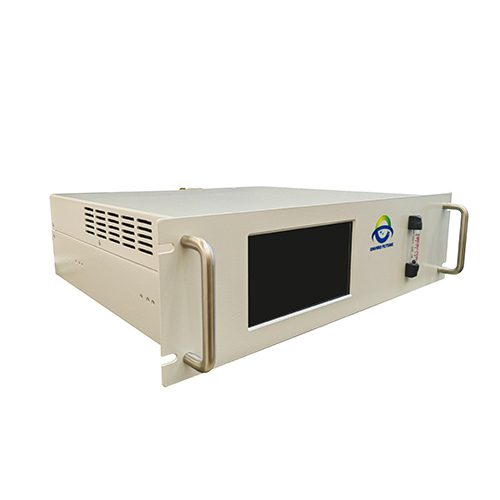
Fixed systems are ideal for continuous online monitoring in key locations. They help laboratories:
- monitor high-risk zones around the clock
- provide automatic alarms when gas concentrations rise
- support centralized safety management
- reduce the chance that leaks go unnoticed during off-hours
These systems are especially valuable in cylinder rooms, enclosed spaces, process areas, and locations where gases are used or stored regularly.
Portable gas detectors
Portable devices are critical for flexible, person-centered safety checks. They help teams:
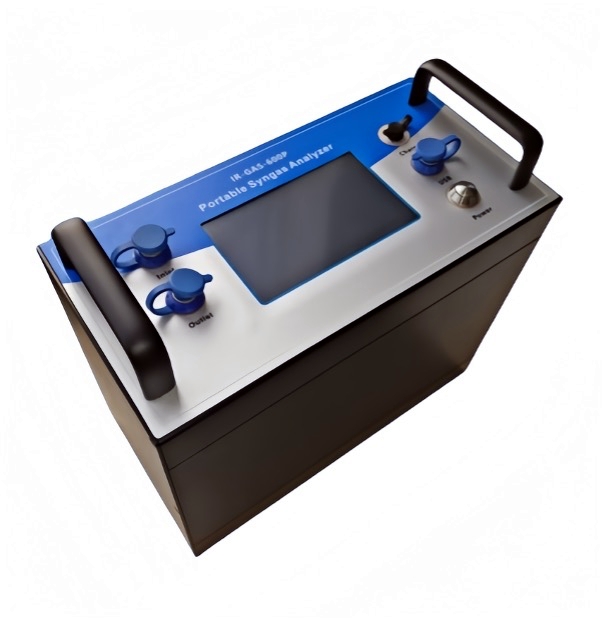
- perform spot checks before entering a workspace
- verify safety during maintenance or temporary operations
- inspect areas where permanent installation is impractical
- respond quickly to changing field conditions
They are particularly useful for inspections, mobile work, troubleshooting, and tasks that take staff into spaces not covered by fixed monitors.
Why both matter
Fixed Gas Detection provides continuity. Portable Gas Detection provides flexibility. Together, they create a more complete safety layer for laboratories that deal with changing workflows, multiple gases, and varied operating conditions.
How Can Laboratories Build a More Effective Gas Detection Strategy?
Many facilities install detectors only after identifying a compliance requirement or after experiencing a near miss. The problem with this approach is that it treats gas monitoring as a checkbox instead of a working safety system. A more effective strategy starts earlier and integrates Gas Detection into daily laboratory operations.
At ESEGAS, we recommend focusing on the following elements:
Start with a clear gas risk assessment
Identify which gases are present, how they are used, where they are stored, and what kinds of releases are realistically possible.
Match detector selection to the application
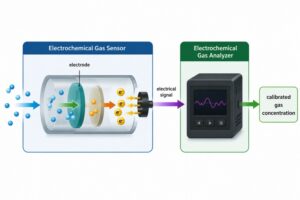
Different gases and environments require different sensing technologies, response expectations, and installation methods.
Design detector placement scientifically
Consider source points, air movement, gas density, room structure, and operator pathways. Poor placement can weaken even a high-quality Gas Detection system.
Set practical alarm and response procedures
An alarm is useful only when staff know what it means and what actions should follow immediately.
Maintain and calibrate equipment regularly
Performance depends on inspection, testing, and calibration. Long-term reliability cannot be assumed without a maintenance plan.
Train personnel continuously
Teams should understand the limitations of human detection, the purpose of monitoring points, and the correct response to alarms or abnormal readings.
A laboratory becomes safer not simply by purchasing instruments, but by building a monitoring framework that remains accurate, responsive, and aligned with the real risk profile of the site.
In the end, laboratory safety is not just about procedures written on paper or experience built over time. It is about creating a system that can recognize danger early enough to prevent injury, disruption, and loss. That is why Gas Detection is essential. At ESEGAS, we believe laboratories need more than devices alone; they need a dependable gas safety strategy that supports people, protects operations, and strengthens confidence in every stage of the work. This article was written with reference to the laboratory gas safety themes and monitoring concepts shown in the file you shared.