Category: Process Gas Control

Blog

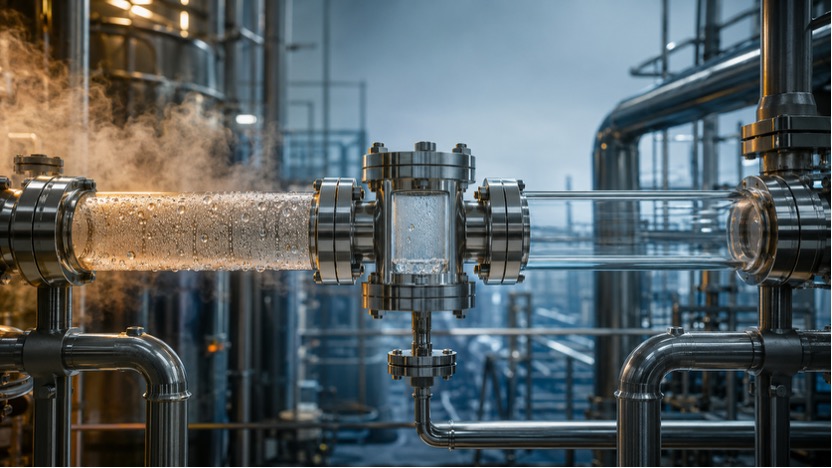
Industrial fluid welding is unforgiving. A small change in shielding gas composition, residual gas concentration, moisture, carbon dioxide, carbon monoxide,

Unexpected gas composition changes in CDQ systems can trigger explosions, equipment damage, and production shutdowns. Without a reliable continuous gas

In hazardous industrial sites, gas is often the danger operators cannot see. A small leak of methane, hydrogen, VOCs, hydrogen

In many industrial processes, oxygen is both necessary and dangerous. When oxygen concentration is not monitored accurately in reactors, storage

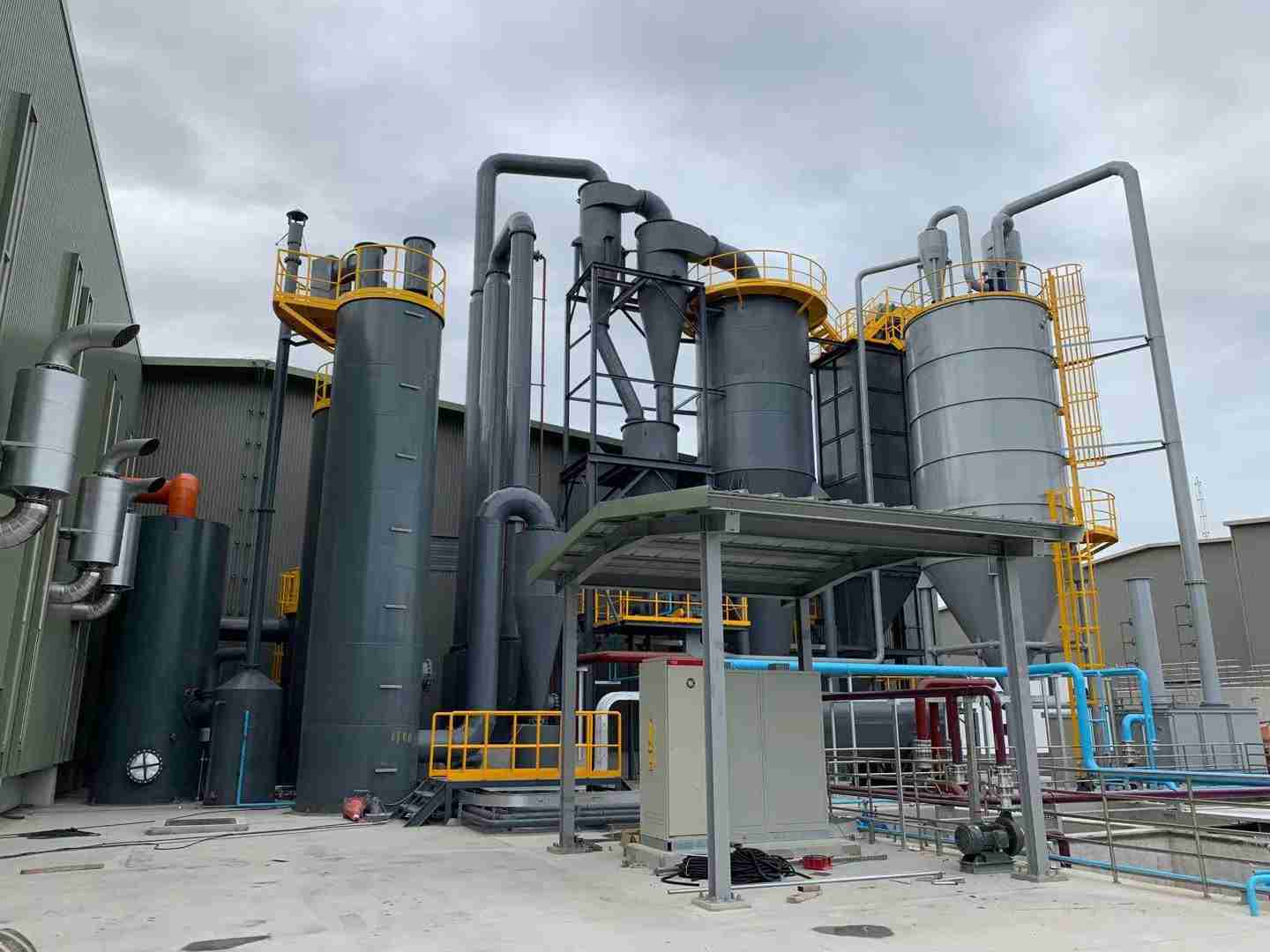
Industrial emission monitoring becomes far more difficult when flue gas contains moisture, acid gases, ammonia slip, nitrogen oxides, carbon compounds,

H2S is not a gas that industrial operators can afford to underestimate. It may appear in only trace amounts, yet

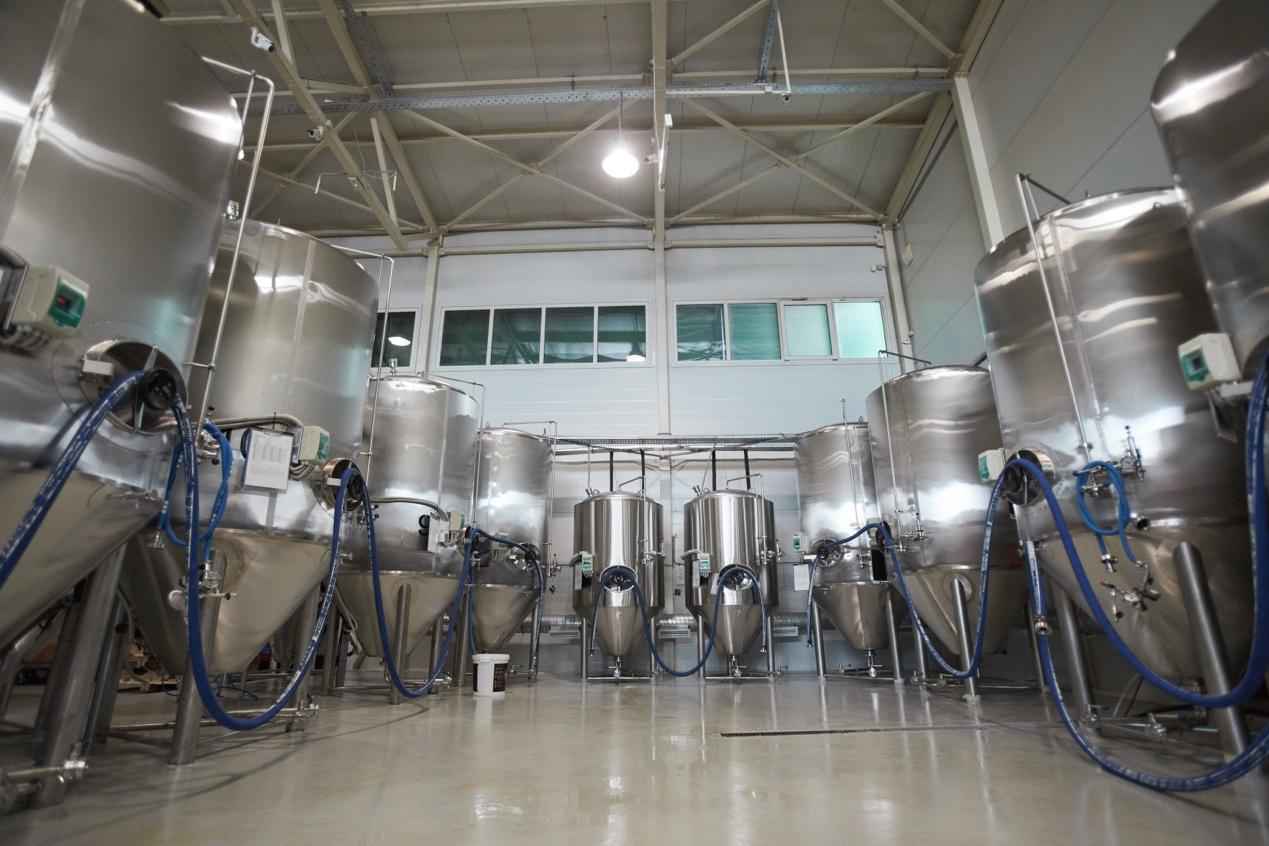
In aerobic fermentation, invisible gas changes often decide whether a process is stable, efficient, or already drifting away from its

Industrial gas monitoring becomes difficult when one process stream contains several gases, fluctuating concentrations, moisture, dust, and corrosive components at

In industrial production, oxygen is often invisible but never insignificant. When the oxygen level in a process gas stream is

Hydrogen chloride is one of the most challenging acid gases in chemical production. It can appear in chlorination reactions, tail

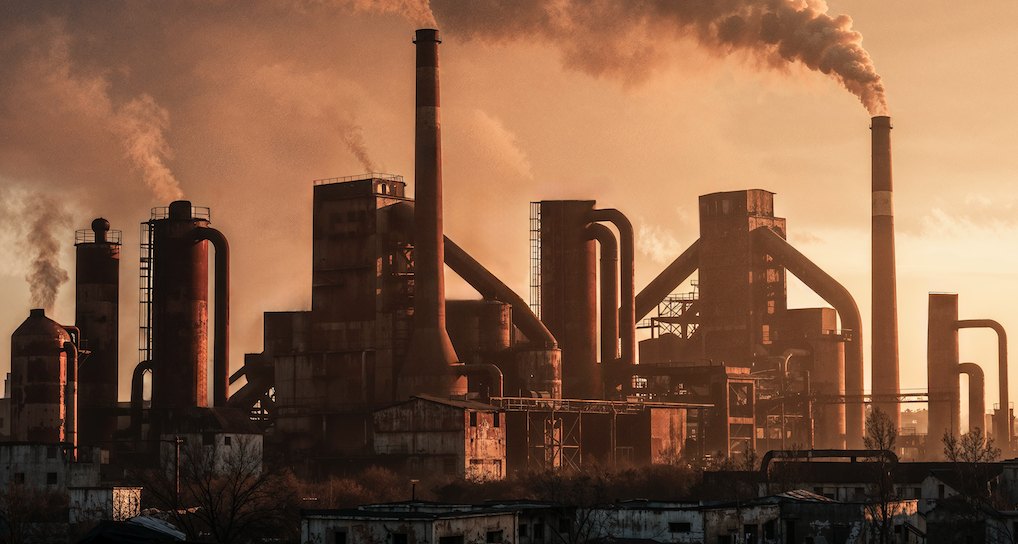
Industrial combustion does not always announce problems with visible smoke or sudden shutdowns. In many plants, the first warning sign

In industrial combustion, a small error in oxygen measurement can quietly become a costly problem. Too much excess air wastes

Ask For A Quick Quote !

We will contact you within 1 working day, please pay attention to the email with the suffix [email protected] .