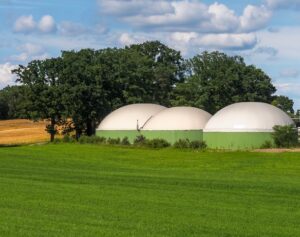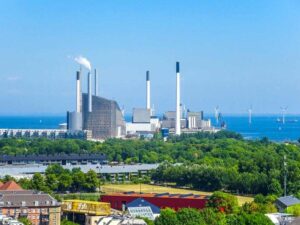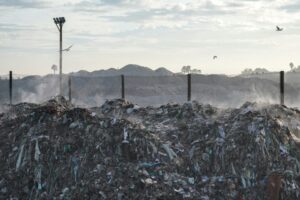




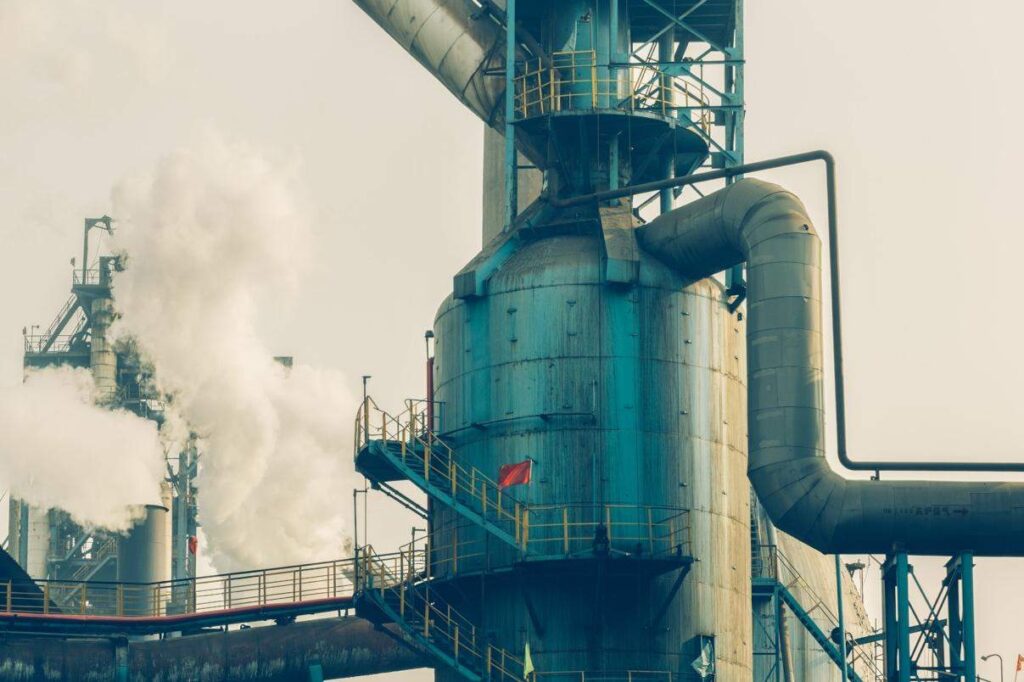
In today’s energy and industrial sectors, synthesis gas—or “syngas”—is gaining major momentum. Whether produced from biomass, coal, municipal waste or industrial residues, syngas represents a versatile stream of hydrogen (H₂), carbon monoxide (CO), carbon dioxide (CO₂) and light hydrocarbons. As industries pivot toward lower-carbon feedstocks and circular economies, gasification of carbon-rich materials is no longer niche—it is becoming strategic. For example, biomass gasification can convert agricultural or forestry waste into syngas, thereby reducing landfill burden and delivering an advanced fuel feedstock.
The exact composition of syngas directly influences plant operation and economics. The H₂/CO ratio, CO₂ or CH₄ content, and presence of impurities impact fuel value, downstream synthesis (e.g., methanol, hydrogen), turbine/engine performance and emission profiles. If a syngas stream has unexpectedly high CO₂ or inert N₂, the calorific value drops—requiring higher flow rates or compromising output. Meanwhile, impurities such as tars or sulphury compounds can degrade equipment, triggering maintenance costs or unplanned downtime. Thus, monitoring syngas composition is not just academic—it is operationally critical.
Given the variability of feedstocks (coal, biomass, waste) and the harsh conditions inside gasifiers (high temperature, dust, tar, fluctuating chemistry), achieving accurate measurement is far from trivial. How does a syngas analyzer tackle sample extraction, conditioning, matrix effects, sensor drift and calibration—all while delivering actionable data? This question lies at the heart of effective process control and reliability in gasification operations. You’ll understand how a syngas analyzer serves as a critical bridge between the gasifier and your control room—one that supports efficiency, safety and strategy.
What is Syngas and How Is It Produced from Carbonaceous Feedstock?
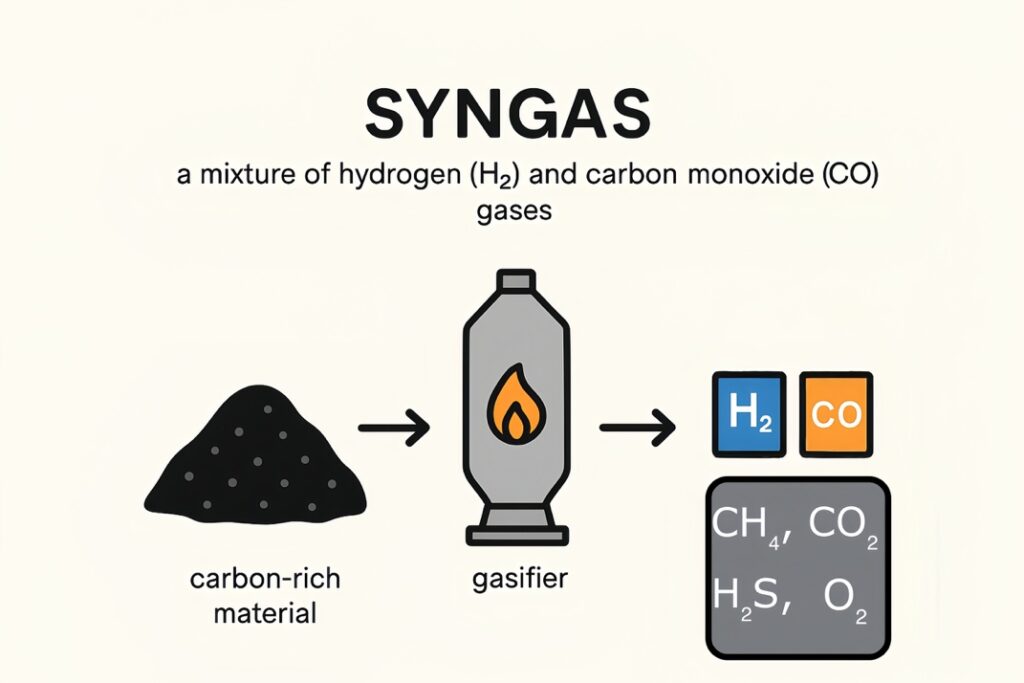
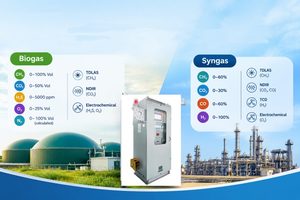
Syngas—short for synthesis gas—is a fuel gas mixture primarily composed of hydrogen (H₂), carbon monoxide (CO), carbon dioxide (CO₂) and minor methane (CH₄) and inert. For example, coal-based gasification commonly yields about 30-60 % CO, 25-30 % H₂, 5-15 % CO₂ and 0-5 % CH₄.
When carbonaceous materials (such as coal, biomass or waste) undergo gasification, partial oxidation, steam reforming and other reactions convert carbon (C) and water/steam into H₂ and CO. Meanwhile CO₂ and CH₄ may also form depending on feedstock and conditions. As a result, syngas is less energy-dense than natural gas and its exact composition depend strongly on operational factors.
Understanding this is key: for a plant engineer, knowing the syngas composition means knowing what the downstream process, combustor or synthesis unit will face. It affects calorific value, equipment sizing and control strategy.
What Analyzer Technologies Are Used for Syngas and How Do They Meet Syngas-Specific Challenges?
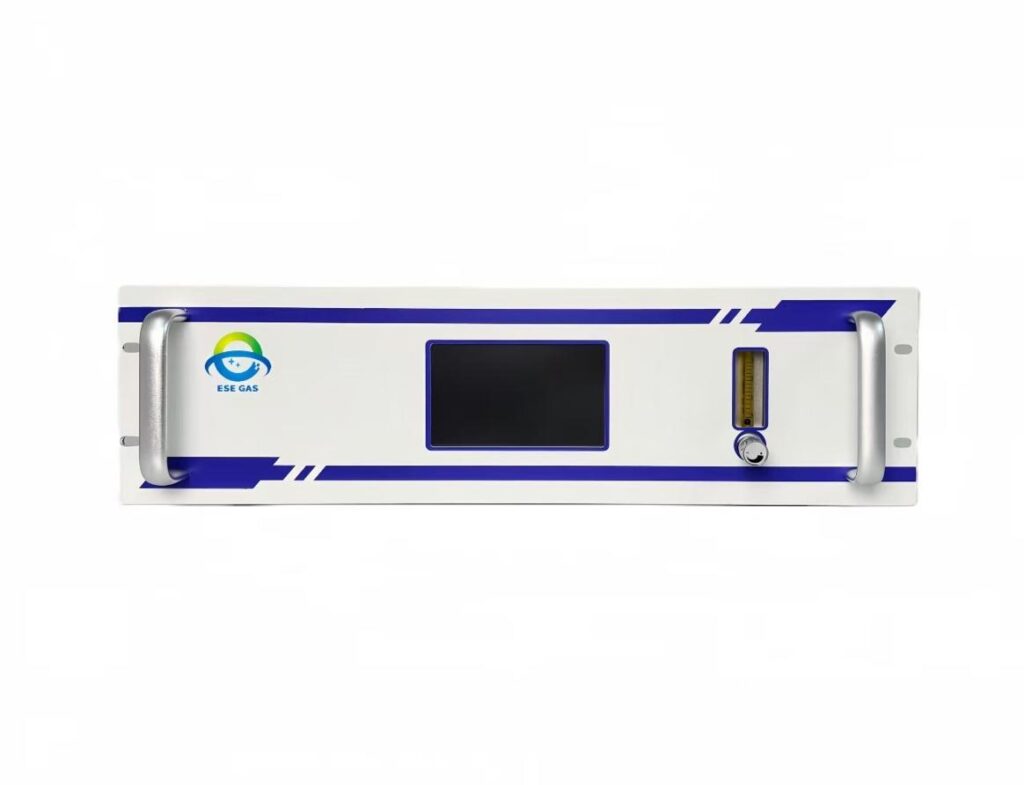
(ESEGAS Syngas Analyzer IR-GAS-600)
In industrial gasification and syngas monitoring, a variety of analyzer technologies are employed to capture gas concentrations and characteristics. Key technologies include:
- Infrared (IR) / Non-Dispersive Infrared (NDIR): Widely used to measure gases like CO, CO₂, CH₄ by detecting absorption at specific infrared wavelengths.
- Thermal Conductivity Detector (TCD): Often used to measure hydrogen (H₂) because H₂ has a distinct thermal conductivity compared with background gases.
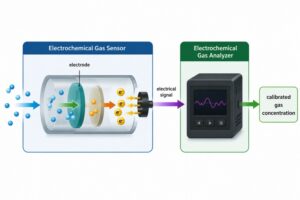
- Electrochemical Sensor / Paramagnetic Sensor: Applied to measure oxygen (O₂) or specific trace gases due to their selectivity and sensitivity.
The choice of technology directly addresses several syngas-specific constraints:
- High H₂ & CO concentrations: These influence flame speeds, gas thermal behavior and sensor interference; the H₂ measurement via TCD must compensate for CO/CO₂/CH₄ background.
- Variable gas matrix and contaminants: Syngas often contains dust, tar, high temperature/pressure, corrosive species and sudden composition swings. Analyzers must handle fluctuating ambient, provide stable calibration and avoid interference or drift.
- Rapid dynamics & operational integration: Real-time or near-real-time monitoring supports process control, requiring short response times, robust sampling systems, and minimal maintenance downtime. Techniques like modular NDIR/TCD units cater to these requirements.
Moreover, modern syngas analyzers integrate all these measurement subsystems into a compact solution tailored for industrial environments. For instance, a syngas analyzer may combine IR detectors for CO/CO₂/CH₄, a TCD for H₂, and an electrochemical cell for O₂, all compensated for background effects.
So, from a plant-engineering perspective, selecting the right analyzer is not simply “which sensor” but “which technology integration suits the feedstock, the gasifier, the downstream process and the operational environment”.
Where in the Process Does a Syngas Analyzer Fit into Gasification?
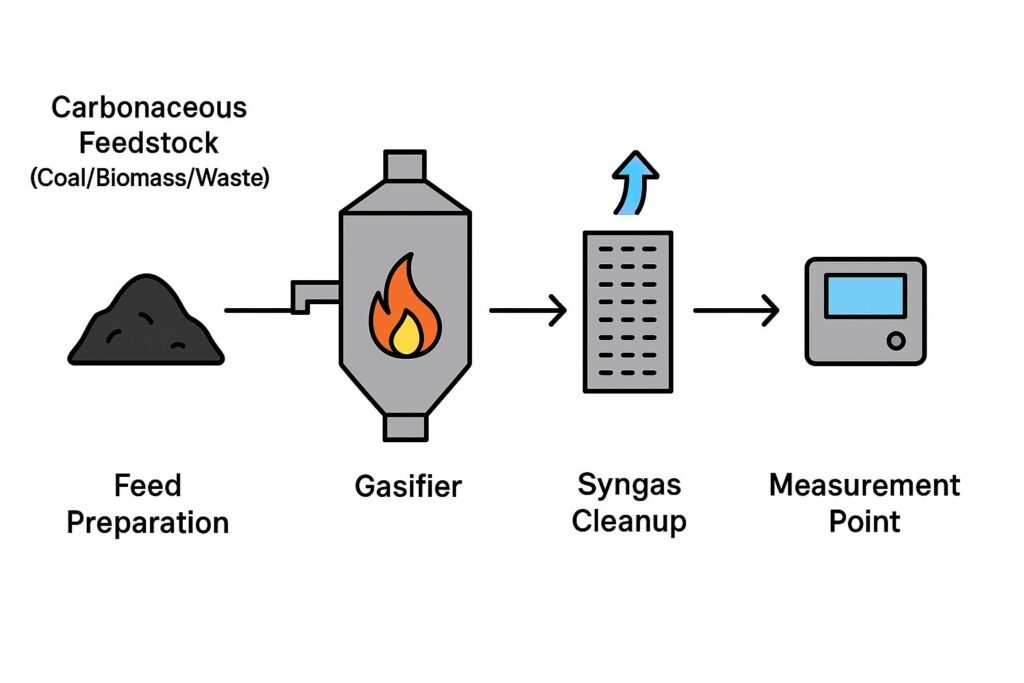
Let’s step through a standard gasification plant that uses coal, biomass or waste as feedstock. First, the operator handles feed preparation: drying, size reduction and removing unwanted debris or metals. Clean feedstock improves reactor stability and syngas quality. Then the material enters the gasifier: under controlled heat and partial oxygen/steam, the carbonaceous solids convert into a raw gas stream of H₂, CO, CO₂, CH₄ and other compounds. Next, the stream goes into syngas cleanup and conditioning: here, dust, tar, sulphury compounds and other contaminants are removed or reformed. Effective cleaning is vital to protect downstream equipment and catalysts. Finally, the cleaned syngas enters the measurement point, where a syngas analyzer monitors composition and quality before combustion, synthesis or further processing.
Placing the analyzer just after cleanup offers the best balance: the gas is free of most particulates and tar, but still representative of what the plant uses or sends downstream. If placed earlier inside the gasifier skid, the sample may be too harsh or erratic for stable readings. Conversely, if placed too late (after mixing or downstream dilution), the composition may no longer reflect the core process. Thus, positioning the analyzer matters for both accuracy and actionability. Moreover, the analyzer’s results feed into the control system: operators rely on real-time data on H₂/CO ratio, CH₄ slip, inert dilution or CO₂ content. This data helps them adjust feed rate, oxidant steam ratio, gasifier temperature, or cleanup bypass operations. In that sense, the analyzer becomes a strategic link between the gasification process and plant performance.
By capturing the syngas composition at a well-selected point, the analyzer reveals several layers of information:
- Process health: sudden rises in CH₄ or CO₂ may hint at incomplete conversion or excess diluent.
- Fuel quality: the higher the H₂ and CO fractions, the greater the calorific value and downstream synthesis potential.
- Equipment status: deposits in the cleanup stage may degrade gas quality—analytics pick up the shift.
- Compliance and optimization: with precise data, engineers can fine-tune operations to control emissions, improve yield and reduce operating costs.
Ultimately, the measurement is more than just a reading—it becomes a tool for diagnosis, control and strategic insight. By placing the syngas analyzer at the right station, and interpreting its data correctly, the plant transforms raw gas into actionable intelligence.
Why Does a Syngas Analyzer Matter for Process Control, Fuel Quality & Emissions?
Process Control and Operational Efficiency
In any gasification plant, real-time composition data from a syngas analyzer provides immediate visibility into the process. Operators can monitor the H₂/CO ratio, detect spikes in CO₂ or CH₄, and adjust parameters accordingly. For example, if the H₂ level drops unexpectedly, one might increase steam injection or adjust oxidant flow. Thus, the analyzer turns raw gas into actionable metrics. Moreover, it supports tighter control loops, fewer surprises, and more consistent output, which ultimately drives operational efficiency.
Fuel Quality and Downstream Synthesis
Synthesis gas often feeds downstream units such as a Fischer-Tropsch reactor or hydrogen production train. In these cases, the fuel quality matters deeply. Impurities (like H₂S, NH₃, tars) or unexpected gas ratios can poison catalysts or reduce conversion yield. A syngas analyzer ensures that the gas meets the required specification — so the plant does not suffer costly downtime or reduced synthesis performance. In short: you cannot treat syngas as a black box.
Emissions Compliance and Environmental Impact
Gasification holds a key advantage: lower pollutant emissions compared to direct combustion, thanks to cleaner conversion processes. But if syngas composition veers off, then unburnt CH₄, high CO, or soot precursors may increase. A properly placed analyzer helps maintain emissions control by measuring the syngas before it enters combustion or synthesis. In that way it protects both compliance and environmental integrity.
Strategic Implications: Beyond the Plant Floor
Finally, measuring syngas with precision becomes a strategic asset. Reliable data supports better forecasting (fuel value, heat input), helps with procurement decisions (feedstock shifts), and even strengthens EHS responsiveness (unexpected impurity loads, safety reserves). So, the syngas analyzer is not just a sensor — it’s part of the business intelligence layer of your facility.
Conclusion
In a world pushing toward net-zero and low-carbon operation, measurement accuracy matters more than ever. Accurate data from a syngas analyzer means you can clearly differentiate between high-performance vs under-performing gas streams. It allows you to monitor hydrogen/CO ratios, detect inert or contaminant build-up, and ensure fuel value aligns with expectations. As industry moves from fossil to biomass or waste-to-syngas routes, the ability to trust your measurement is no longer nice-to-have—it’s a strategic asset. For example, accurate analytics give you confidence when switching feedstocks or optimizing cleanup systems. And when regulatory regimes tighten and carbon taxes or credits come into play, having high-integrity data gives you credibility, reduces risk and supports smarter investment.
As the energy transition accelerates, gasification plants and syngas-based facilities face stronger performance demands, evolving feedstocks (e.g., biomass, waste) and more complex downstream pathways (e.g., hydrogen production, chemical synthesis). Moreover, regulatory frameworks increasingly demand transparency in emissions, trace contaminants and carbon footprints. A syngas analyzer capable of providing reliable, timely, trace-level data becomes a cornerstone of operational excellence. Rather than being a peripheral instrument, it becomes part of the core system: enabling process control, validating compliance, driving optimization and supporting strategic shifts—from coal to biomass or from fossil to renewable pathways. In essence: measurement becomes as important as the reactor.
As an engineer, operator or EHS professional, now is the time to evaluate your syngas measurement strategy. Ask yourself:
- Does my current analyzer deliver the accuracy, speed and reliability needed for changing feedstocks?
- Are the data integrity, sampling/conditioning systems and calibration protocols up to industrial and regulatory standards?
- Can the measurements feed into real‐time control, and do they support downstream synthesis or quality assurance?
- Have I considered how emerging business models (circular economy, waste-to-energy, hydrogen economy) will demand stronger analytics?
Take concrete steps: audit your current analyzer performance, benchmark against best-practice standards, and plan a roadmap for next-generation measurement systems. Your measurement capability isn’t just a tool—it’s a platform for performance, compliance and strategic growth in a decarbonizing industry.
FAQs
1. What is a syngas analyzer and why is it critical for carbonaceous feedstock gasification?
A syngas analyzer monitors the composition of synthesis gas (syngas) produced from carbonaceous feedstocks such as coal, biomass or waste. It tracks key gases like H₂, CO, CO₂, CH₄ and others to ensure process control, fuel quality and emissions compliance. Without accurate syngas analysis, you risk inefficient conversion, lower fuel value or regulatory problems.
2. Which gas components does a syngas analyzer typically measure?
Typical components include hydrogen (H₂), carbon monoxide (CO), carbon dioxide (CO₂), methane (CH₄), oxygen (O₂) and sometimes trace hydrocarbons or tar-derived species. The specific analyzer model and sampling system determine the number and type of gases measured.
3. How does a syngas analyzer achieve accurate measurements in challenging conditions?
Syngas analyzer’s accuracy depends on several factors: correct sampling location, proper sample conditioning (removing dust, tar, moisture), the right sensor technology (e.g., NDIR, TCD, electrochemical), frequent calibration and compensation for background gas matrix effects. By addressing these, the analyzer can deliver reliable readings even in harsh gasification environments.
4. What technologies are used in syngas analyzers and how do they differ?
Major technologies in syngas analyzers include:
- NDIR (Non-Dispersive Infrared) for CO, CO₂, CH₄ measurement.
- TCD (Thermal Conductivity Detector) for high-sensitivity H₂ measurement.
- Electrochemical sensors or ECD for O₂ or trace gases.
These differ in sensitivity, selectivity and suitability for specific gas matrices; choosing the right mix is key for syngas monitoring.
5. Where in the gasification plant should the syngas analyzer be placed?
Ideally the analyzer is positioned after the syngas cleanup and conditioning stage, but before downstream usage (combustion, synthesis). This location ensures the gas is representative of what the plant uses, while being stable, free of large particulates/tars, and still relevant for operational decisions.
6. How often should you calibrate a syngas analyzer to maintain accuracy?
Calibration frequency depends on operating conditions, sensor technology and process severity. Many manufacturers recommend calibration every 3-6 months under normal conditions. However, in highly variable or harsh environments (e.g., heavy tar load, frequent composition swings) more frequent calibration may be needed to maintain data integrity.
7. What are common sources of measurement error in syngas analysis and how can you mitigate them?
Common error sources include: dust/tar fouling the sample line or sensor, moisture condensation, sensor drift, background gas matrix interference (e.g., high H₂ or CO affecting other sensors), improper sample point or flow rate, and delayed response from sampling system. Mitigation involves robust sample conditioning, proper maintenance, correct sensor technology, and ensuring sampling system is well-designed.
8. How can the data from a syngas analyzer drive process optimization and improved plant performance?
Accurate syngas data enables operators to: adjust feedstock or oxidant ratios, monitor reactor conversion efficiency, detect process upsets early (e.g., elevated CH₄ or CO₂ indicating incomplete conversion), optimize fuel-value via H₂/CO ratio, and ensure compliance with emission or downstream synthesis requirements. That makes the analyzer a strategic tool—not just monitoring.
9. In a decarbonizing industrial landscape, how does robust syngas measurement become a competitive advantage?
As regulations tighten, feedstocks diversify (biomass, waste, coal blends) and plants face tighter energy or carbon constraints, trustworthy syngas analytics enables quicker adaptation, higher fuel value extraction, and better emissions control. Consequently, reliable measurement becomes a foundation for operational excellence, regulatory compliance and strategic flexibility.