



Unexpected gas composition changes in CDQ systems can trigger explosions, equipment damage, and production shutdowns. Without a reliable continuous gas analyzer, dangerous conditions may remain undetected until it is too late.
A continuous gas analyzer is critical in Coke Dry Quenching (CDQ) systems because it provides real-time monitoring of combustible gases, oxygen, carbon monoxide, carbon dioxide, and hydrogen. Continuous measurement helps prevent explosions, maintain inert gas conditions, optimize process stability, and ensure safe, efficient steel production.
While CDQ technology improves energy recovery and coke quality, its reliance on circulating gas systems introduces unique safety risks. Understanding these risks explains why continuous gas monitoring has become an essential part of modern CDQ operations.
What Safety Challenges Exist Inside a Coke Dry Quenching System?
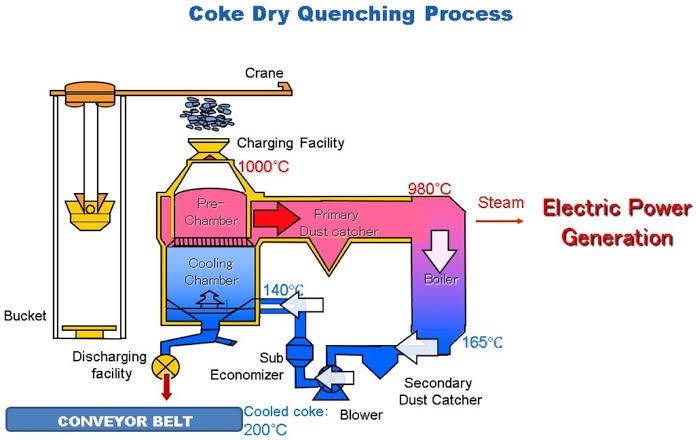
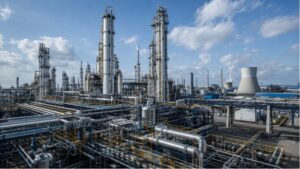
Coke Dry Quenching (CDQ) is one of the most efficient heat recovery technologies used in modern steel plants. Instead of spraying water onto red-hot coke, CDQ cools coke using a circulating inert gas system. The recovered heat is then used to generate steam and electricity.
While this technology delivers significant economic and environmental benefits, it also creates a unique safety challenge. Inside a typical CDQ chamber, coke enters at approximately 1,000°C. At these temperatures, even minor changes in gas composition can trigger undesirable chemical reactions.
The circulating gas typically contains nitrogen, carbon monoxide, hydrogen, carbon dioxide, and trace amounts of oxygen. Under normal conditions, the system remains stable because oxygen concentrations stay very low. However, if air enters through a leaking valve, expansion joint, charging device, or duct connection, oxygen levels can rise rapidly. When oxygen mixes with combustible gases such as CO and H₂ in a high-temperature environment, the risk of combustion or explosion increases significantly.
For this reason, many coke and steel facilities treat oxygen concentration as the most critical safety parameter. Industry guidance commonly recommends maintaining oxygen levels below 2% in combustible gas environments to minimize ignition risk.
Without continuous gas monitoring, operators may not recognize these warning signs soon enough. A continuous gas analyzer provides uninterrupted measurements around the clock. Operators receive immediate alerts when oxygen concentrations deviate from normal operating limits. As a result, maintenance teams can identify leaks early and correct problems before safety conditions deteriorate.
Which Gases Should a Continuous Gas Analyzer Monitor in CDQ Applications?
Not all gas components contribute equally to safety. Some gases directly indicate explosion risks, while others reveal process efficiency and equipment health. A well-designed CDQ monitoring system typically measures the following parameters:
| Parameter | Purpose |
|---|---|
| O₂ | Detect air ingress and explosion risk |
| CO | Monitor combustible gas concentration |
| H₂ | Detect flammable gas accumulation |
| CO₂ | Evaluate process conditions and combustion balance |
| Temperature | Verify operational stability |
| Pressure | Detect leakage and abnormal flow conditions |
Together, these measurements provide a complete picture of the operating condition inside the circulation loop.Among them, oxygen monitoring is often considered the most critical.
How Does a Continuous Gas Analyzer Prevent CDQ Accidents?
Explosion prevention in a Coke Dry Quenching (CDQ) system depends on one key principle: detecting abnormal gas conditions before they become dangerous. The most effective way to control this risk is to integrate a continuous gas analyzer into the gas monitoring system. Continuous gas monitoring allows operators to track oxygen and combustible gas concentrations in real time and respond immediately when unsafe conditions develop. A continuous gas analyzer helps prevent explosions in four important ways:
Detecting Air Leakage Before It Becomes Dangerous
Air leakage through charging equipment, ductwork, expansion joints, or valve seals can introduce oxygen into the CDQ circulation loop.
Initially, the increase may be small and difficult to identify through manual inspections. However, a continuous gas analyzer immediately detects oxygen deviations and alerts operators before oxygen concentrations reach hazardous levels. Early detection allows maintenance teams to locate and repair leaks before explosive gas mixtures can form.
Continuously Monitoring Combustible Gases
In addition to oxygen, the gas monitoring system should continuously measure combustible gases such as carbon monoxide (CO) and hydrogen (H₂).
Unexpected changes in CO or H₂ concentrations often indicate process disturbances, abnormal reactions, or circulation problems. By tracking these gases in real time, operators gain early warning of developing safety issues and can take corrective action before conditions escalate. Continuous monitoring of O₂, CO, and H₂ is commonly used in metallurgical gas applications where explosion prevention is a primary safety objective.
Supporting Automatic Safety Interlocks
Modern CDQ facilities typically connect the continuous gas analyzer directly to the DCS or PLC system.
When oxygen or combustible gas concentrations exceed predefined safety limits, the gas analyzer can automatically trigger:
- High-priority alarms
- Emergency shutdown procedures
- Ventilation or purging systems
- Process interlocks
This automated response minimizes operator reaction time and significantly reduces the likelihood of a serious incident.
Verifying the Integrity of the Inert Atmosphere
The primary purpose of the CDQ circulation gas system is to maintain an oxygen-deficient environment where combustion cannot occur.
A continuous gas analyzer continuously verifies that oxygen concentrations remain within safe operating limits. If oxygen levels begin to rise, operators receive immediate notification and can restore inert conditions before the atmosphere enters a potentially explosive range. Real-time oxygen monitoring is a fundamental requirement in inerting systems designed to eliminate fire and explosion hazards.
In short, integrating a continuous gas analyzer into the CDQ gas monitoring system transforms safety management from reactive to proactive. Instead of discovering problems after an incident occurs, operators receive real-time visibility into oxygen and combustible gas concentrations, enabling them to prevent explosions before they happen.
Why Choose ESEGAS Multi-gas Continuous Gas Analyzer for CDQ System?
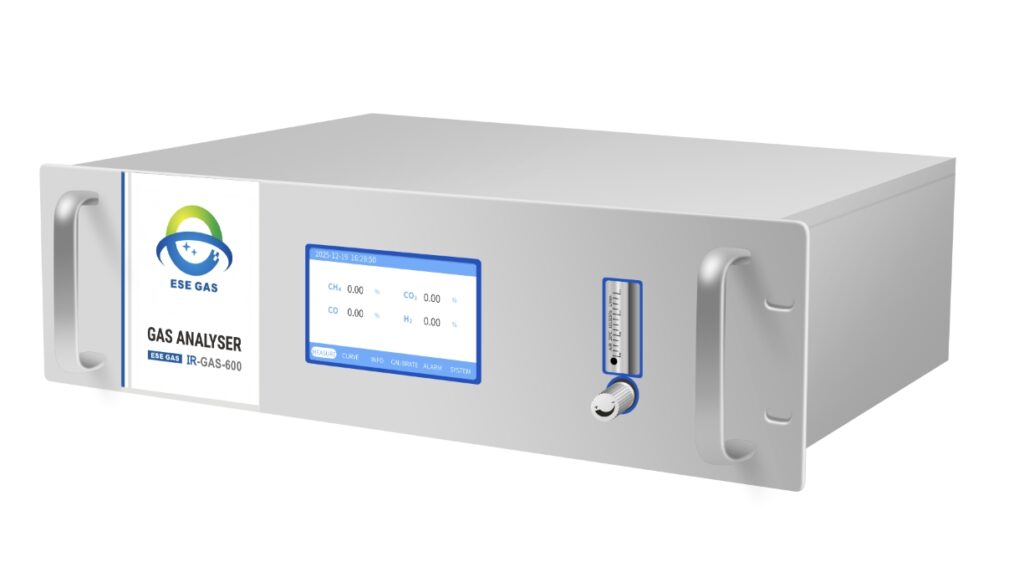
Selecting a continuous gas analyzer for a CDQ system is not simply about measuring gas concentrations. To ensure long-term safety and stable operation, buyers should focus on the following key features.
Multi-Gas Measurement in One Gas Analyzer
Using separate gas analyzers increases installation and maintenance costs. A better solution is a single continuous gas monitoring solution capable of measuring all critical gases simultaneously.
| Gas | Technology | Purpose |
|---|---|---|
| Carbon Dioxide (CO₂) | NDIR (Non-Dispersive Infrared) | Process optimization |
| Carbon Monoxide (CO) | NDIR (Non-Dispersive Infrared) | Combustible gas monitoring |
| Hydrogen (H₂) | TCD (Thermal Conductivity Detector) | Explosion risk assessment |
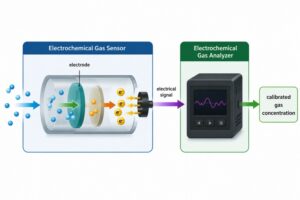
| Oxygen (O₂) | ECD or optional Paramagnetic sensor | Air ingress detection |
This integrated design provides comprehensive CDQ gas monitoring in one unit.
Fast Response for Early Hazard Detection
In CDQ applications, even a small oxygen increase may indicate air ingress. The ESEGAS gas analyzer offers a T90 response time of approximately 12 seconds at 0.7 L/min, enabling operators to detect abnormal conditions quickly and initiate corrective actions before safety risks escalate.
High Accuracy and Long-Term Stability
Reliable data is essential for explosion prevention and process control. The ESEGAS gas analyzer provides:
- CO and CO₂ accuracy: ≤ ±2% FS
- H₂ and O₂ accuracy: ≤ ±3% FS
- Temperature-controlled or compensated detectors for improved stability
- Optional non-consumable paramagnetic O₂ sensor for reduced maintenance requirements.
Easy Integration with Plant Control Systems
A continuous gas analyzer should work seamlessly with the plant’s automation system. The ESEGAS solution supports 4–20 mA outputs, RS232/RS485 communication, DCS and PLC integration, alarm and interlock systems. This allows the gas analyzer to become a core component of the CDQ safety monitoring network.
In short, for CDQ applications, the ESEGAS continuous gas analyzer is specifically designed to meet these requirements in demanding metallurgical environments.
Conclusion
A continuous gas analyzer is one of the most important safety instruments in a Coke Dry Quenching system. Continuous monitoring of oxygen, carbon monoxide, hydrogen, and carbon dioxide helps prevent explosions, maintain inert conditions, improve energy recovery, and protect critical equipment. If you are looking for a reliable gas monitoring solution for CDQ applications, the ESEGAS team can help you select the right analyzer for your process requirements.
FAQs:
Can one analyzer measure CO₂, CO, H₂, and O₂ simultaneously?
Yes. The ESEGAS Continuous Gas Analyzer (IR-GAS-600) can integrate NDIR, TCD, and ECD (or optional paramagnetic oxygen detection) within a single system to simultaneously monitor CO₂, CO, H₂, and O₂. This simplifies installation and maintenance while providing comprehensive gas monitoring.
Which gases should be monitored in a CDQ gas monitoring system?
The most important gases are:
- Oxygen (O₂)
- Carbon Monoxide (CO)
- Hydrogen (H₂)
- Carbon Dioxide (CO₂)
Oxygen indicates air leakage, while CO and H₂ are combustible gases that can create explosion risks. CO₂ helps operators evaluate process conditions and gas circulation efficiency.
How does a continuous gas analyzer help prevent explosions in CDQ systems?
A continuous gas analyzer continuously tracks oxygen and combustible gas concentrations. If oxygen levels increase due to air ingress, the system can immediately trigger alarms or safety interlocks. Early detection allows operators to take corrective action before combustible gases reach dangerous conditions.
Why is oxygen monitoring critical in CDQ applications?
CDQ systems rely on an oxygen-deficient atmosphere to prevent combustion. Even small increases in oxygen concentration may indicate air leakage into the circulation loop. Continuous oxygen monitoring helps maintain safe operating conditions and reduces explosion risks.
What are the benefits of integrating a continuous gas analyzer into a CDQ gas monitoring system?
Integrating a continuous gas analyzer provides:
- Early leak detection
- Explosion risk reduction
- Automated alarm activation
- Improved process control
- Better energy recovery efficiency
- Reduced maintenance costs
- Enhanced equipment protection
As a result, steel plants can improve both safety performance and operational reliability.
Can a continuous gas analyzer improve CDQ efficiency as well as safety?
Yes. Beyond safety, continuous gas monitoring helps optimize gas circulation, stabilize coke quality, improve waste heat recovery, reduce unplanned downtime, and support predictive maintenance. This makes the analyzer a valuable tool for both process optimization and risk management.