



Hydrogen chloride is not the kind of gas an industrial plant can afford to monitor casually. In flue gas and process gas environments, HCl can appear alongside moisture, dust, acid gases, and high temperatures, creating a difficult measurement condition and a serious operational risk. When HCl concentration is underestimated, emissions control may fail; when it is overestimated, reagent consumption and operating costs can rise unnecessarily. At ESEGAS, we see HCl gas monitoring as more than an environmental requirement—it is a practical tool for protecting equipment, improving process stability, and giving operators the confidence to act before small deviations become costly problems.
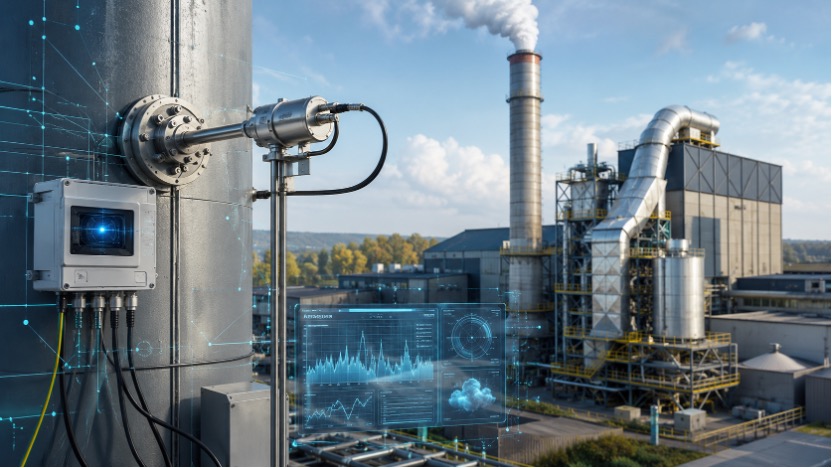
HCl gas monitoring improves industrial emission control and process safety by continuously measuring hydrogen chloride concentration in flue gas or process gas, allowing operators to detect abnormal emissions, optimize scrubber or reagent dosing, reduce corrosion risk, and support environmental compliance. Technologies such as TDLAS and FTIR are commonly used for HCl gas analysis, depending on whether the application requires targeted real-time HCl detection or broader multi-gas measurement. ESEGAS HCl gas analyzer solutions are built around technologies including TDLAS and FTIR, with online, portable, and trace-level options for different industrial monitoring needs. (Gas Analyzer Manufacturers)
Knowing that HCl monitoring is important is only the first step. The real challenge is choosing a monitoring system that fits the site condition: temperature, humidity, dust load, corrosive gas composition, response time, installation method, and integration requirements. In the sections below, we explain how ESEGAS approaches HCl measurement from an engineering perspective and how the right analyzer can turn complex gas data into useful process decisions.
What Is HCl Gas Monitoring in Industrial Applications?
In many plants, the problem is not simply that HCl exists—it is that HCl changes with fuel composition, raw material variation, combustion conditions, and pollution control performance. Without reliable measurement, operators may only discover abnormal emissions after the process has already drifted. This creates pressure on compliance teams, maintenance teams, and production managers at the same time. A stable HCL gas monitoring strategy helps solve this problem by making hydrogen chloride concentration visible in real time.
HCl gas monitoring is the continuous or periodic measurement of hydrogen chloride in industrial gas streams. These gas streams may come from waste-to-energy plants, cement production, coal-fired power generation, biomass combustion, chemical processing, laboratory combustion research, or other high-temperature processes involving chlorine-containing materials.
From the ESEGAS perspective, the goal is not only to provide a number on a screen. We help customers obtain measurement data that can be used for control, diagnosis, and decision-making. For example, HCl concentration data can help operators:
| Monitoring Purpose | Practical Value |
| Emission control | Track HCl concentration before gases are released |
| Scrubber optimization | Adjust alkali reagent dosing based on real gas conditions |
| Equipment protection | Identify acid gas trends that may accelerate corrosion |
| Process diagnosis | Understand how fuel, raw materials, or combustion changes affect HCl |
| CEMS integration | Support continuous emission monitoring and reporting systems |
For applications focused on flue gas HCl monitoring, an online HCl gas analyzer is often preferred because it provides continuous data instead of delayed snapshots. For inspection, commissioning, troubleshooting, or temporary tests, a portable HCl gas analyzer may be more suitable.
Why Is Accurate HCl Gas Monitoring Difficult?
Many plants install gas monitoring equipment expecting stable data, only to find that HCl measurement is more difficult than standard gas detection. The reason is simple: HCl is reactive, soluble, corrosive, and often present in harsh gas matrices. If the sampling path is not properly heated, if condensation occurs, or if dust and moisture are not handled correctly, the analyzer may report data that looks precise but does not represent the real process. This is why HCL gas monitoring requires both the right technology and the right system design.
Several factors make HCl measurement challenging:
- Moisture and condensation
HCl dissolves easily in water. If sample gas cools below the dew point, part of the HCl may be absorbed into condensed water, causing the measured concentration to be lower than the actual concentration. - High-temperature flue gas
In combustion and thermal processes, HCl may exist in hot, dust-laden gas streams. The analyzer must be selected and installed with the real process temperature in mind. - Dust and particulate loading
Cement kilns, waste incinerators, coal combustion systems, and biomass processes may contain heavy particulate matter. Dust can affect sampling reliability and optical measurement stability if the system is not properly designed. - Gas interference
HCl may coexist with H₂O, SO₂, HF, NH₃, CO₂, CO, NOx, and other components. A suitable hydrogen chloride gas analyzer must minimize cross-interference or compensate for it through optical selectivity, spectral analysis, or system configuration. - Slow response from unsuitable methods
Some traditional sampling or wet chemical methods may provide useful laboratory results, but they are often too slow for real-time process control. Industrial operators need fast feedback when HCl concentration changes.
This is why ESEGAS evaluates the whole measurement environment before recommending an HCl gas monitoring system. Analyzer performance depends not only on the detector, but also on gas sampling, heating, filtration, calibration, signal output, and long-term maintainability.
How Does a TDLAS HCl Gas Analyzer Work?
When an industrial process changes quickly, delayed gas data can become a hidden risk. Operators may add too much reagent, react too late to an emission spike, or miss short-term fluctuations that reveal process instability. A TDLAS HCl analyzer addresses this problem by using a laser-based optical method designed for fast and selective gas measurement.
TDLAS stands for Tunable Diode Laser Absorption Spectroscopy. In simple terms, the analyzer uses a laser tuned to a specific absorption wavelength of HCl molecules. As the laser passes through the gas, HCl absorbs part of the light. The analyzer calculates the HCl concentration based on the absorption signal.
This method is especially valuable in HCL gas monitoring applications where speed, selectivity, and continuous measurement are important. TDLAS technology is widely used for real-time industrial gas analysis, including severe conditions such as high temperature, corrosive gas, abrasive gas, and high dust concentration.
For HCl applications, ESEGAS offers TDL-based analyzer options such as online, portable, and trace-level HCl gas analyzers. Our HCl gas analyzer product line includes solutions for real-time detection, portable measurement, online TDL HCl monitoring, and ppb-level trace HCl analysis. (Gas Analyzer Manufacturers)
A TDLAS HCl gas analyzer is commonly considered when the site needs:
- Continuous HCl emission monitoring
- Fast response to process changes
- Stable measurement in demanding flue gas conditions
- Targeted HCl detection rather than broad multi-gas screening
- Integration with CEMS, DCS, or PLC systems
- Reduced dependence on slow laboratory sampling
For industries where HCl concentration can change rapidly, TDLAS helps transform HCl measurement from a compliance record into a real-time control parameter.
TDLAS vs. FTIR: Which Technology Is Better for HCl Monitoring?
Choosing the wrong technology can create long-term frustration. A plant that only needs fast HCl control may overcomplicate the system with unnecessary multi-gas analysis. A plant that needs to measure many components may choose a targeted analyzer and later realize it lacks the required gas coverage. The best HCL gas monitoring system depends on the actual measurement objective.
TDLAS and FTIR are both optical gas analysis technologies, but they are used differently.
| Comparison Factor | TDLAS HCl Analyzer | FTIR Gas Analyzer |
| Main purpose | Targeted HCl measurement | Multi-component gas analysis |
| Measurement style | Laser tuned to selected absorption line | Infrared spectral analysis across a wider range |
| Response speed | Usually very fast for target gas measurement | Suitable for broader analysis, depending on system design |
| Best application | Continuous HCl monitoring and process control | Complex emissions with multiple gases |
| Interference handling | High selectivity for selected gas line | Requires spectral modeling and gas matrix understanding |
| System focus | Simple, focused, real-time HCl data | Broader gas composition information |
At ESEGAS, we do not treat one technology as universally better than the other. Instead, we match the technology to the application.
For example, a waste-to-energy plant that mainly needs fast HCl control before and after a scrubber may benefit from a TDLAS HCl analyzer. A process that needs simultaneous measurement of HCl, HF, SO₂, NOx, NH₃, CO, CO₂, and other gases may be better suited to FTIR-based analysis. ESEGAS lists both TDLAS and FTIR as major technologies for HCl gas monitoring, reflecting the different needs of industrial users. (Gas Analyzer Manufacturers)
Where Is HCl Gas Monitoring Commonly Used?
HCl emissions do not come from one industry alone. They often appear wherever chlorine-containing materials are heated, burned, processed, or chemically converted. Without accurate monitoring, plants may struggle to understand whether HCl comes from raw materials, fuel variation, process imbalance, or air pollution control performance. This is why HCL gas monitoring is used across many industrial environments.
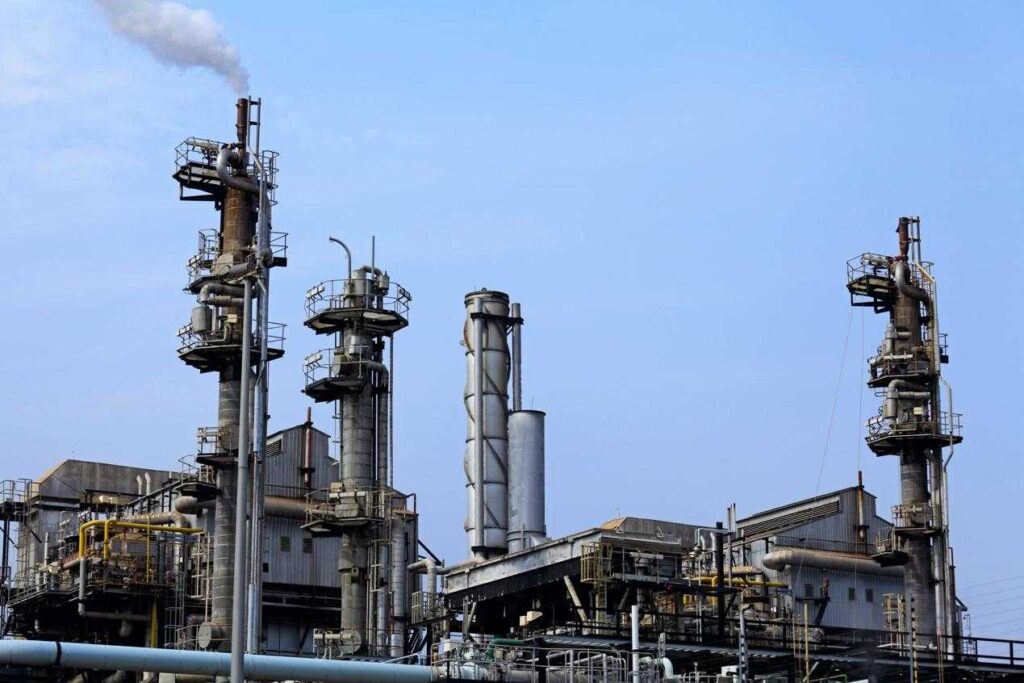
Common applications include:
- Waste-to-energy plants
Municipal solid waste can contain plastics, PVC, and other chlorine-containing materials. HCl gas monitoring helps operators evaluate combustion emissions and optimize acid gas removal systems. - Cement plants
Cement production may involve chlorine-containing raw materials or fuels. Online HCl monitoring helps plants understand emission trends and improve environmental control. - Coal-fired power plants
Chlorine in coal can contribute to HCl formation during combustion. Continuous HCl emission monitoring helps operators track flue gas quality and support emission management. - Biomass combustion
Biomass composition varies significantly. HCl monitoring helps identify acid gas changes caused by fuel variability. - Chemical processing
HCl may appear as a process gas, by-product, or emission component in chlorination, acid treatment, and other chemical operations. - Scrubber inlet and outlet monitoring
Measuring HCl before and after the scrubber helps evaluate removal efficiency and optimize reagent consumption. - Combustion research and pilot plants
Researchers need reliable HCl data to study chlorine behavior, corrosion mechanisms, and emission reduction strategies.
ESEGAS has applied HCl gas analysis in areas such as cement plant emission control and high-temperature applications involving waste-to-energy, biomass, and coal combustion processes. (Gas Analyzer Manufacturers)
What Should You Consider When Choosing an HCl Gas Monitoring System?
Many measurement problems begin before the analyzer is even installed. If the range is wrong, the response time is too slow, the sampling line is not heated, or the output signal cannot connect with the plant control system, the monitoring project may fail to deliver real value. A reliable HCL gas monitoring solution starts with correct selection.
When ESEGAS helps customers choose an HCl gas analyzer, we usually evaluate the following factors:
| Selection Factor | Why It Matters |
| Measurement range | ppm, low-ppm, or ppb-level measurement requires different analyzer configurations |
| Gas temperature | High-temperature gas may require special sampling or in-situ design |
| Moisture level | HCl loss can occur if condensation is not controlled |
| Dust concentration | Dust affects sampling reliability and optical stability |
| Gas composition | H₂O, SO₂, HF, NH₃, and other gases may influence method selection |
| Response time | Fast process control requires fast analyzer response |
| Installation type | Online, portable, extractive, or in-situ installation should match site conditions |
| Signal output | Integration with CEMS, DCS, PLC, or data acquisition systems may be required |
| Maintenance access | Calibration, cleaning, and service requirements affect long-term operation |
| Application goal | Compliance monitoring, scrubber control, safety, or process optimization may require different designs |
For example, a plant that needs continuous HCl emission monitoring at a stack may require an online HCl gas analyzer integrated with the CEMS. A plant troubleshooting temporary HCl spikes may need a portable analyzer. A high-purity gas or semiconductor-related application may need trace-level HCl detection.
Our role is to help customers avoid a one-size-fits-all decision. We evaluate the actual gas condition, the monitoring purpose, and the control requirement before recommending a suitable solution.
How Can ESEGAS Support Reliable HCl Gas Monitoring?
Industrial users do not only need an analyzer—they need confidence that the analyzer will work in their real process environment. A device that performs well in a clean laboratory may not automatically perform well in hot, wet, dusty, corrosive flue gas. This is where ESEGAS focuses on application-based engineering, not just product supply.
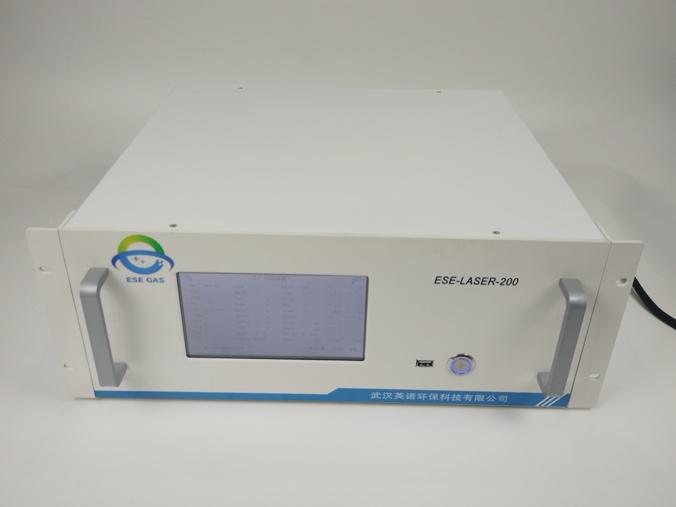
We support HCL gas monitoring projects through a combination of gas analysis technology, application evaluation, and system configuration. Depending on the site requirement, we can provide online HCl gas analyzers, portable HCl analyzers, and trace-level HCl measurement solutions.
Our support typically includes:
- Reviewing the process gas composition and expected HCl range
- Evaluating temperature, humidity, dust, pressure, and corrosive conditions
- Selecting suitable TDLAS or FTIR-based measurement technology
- Designing appropriate sampling, heating, and conditioning methods
- Supporting signal integration with CEMS, DCS, PLC, or monitoring platforms
- Helping users apply HCl data for emission control, scrubber optimization, and process diagnosis
For customers working in harsh flue gas environments, we focus on stable long-term operation, fast response, and measurement reliability. For customers working with trace-level HCl, we focus on sensitivity, cleanliness, and system integrity. For portable applications, we focus on flexibility, ease of deployment, and practical field use.
Conclusion: Why Is HCl Gas Monitoring a Strategic Investment?
HCl gas monitoring is not only a compliance tool. It is a practical way to understand acid gas behavior, protect equipment, optimize reagent consumption, improve scrubber performance, and strengthen process safety. In industries such as waste-to-energy, cement, coal combustion, biomass, and chemical processing, accurate HCl data helps operators move from reactive problem-solving to proactive process control.
At ESEGAS, we provide HCl gas analyzer solutions designed for real industrial conditions. Whether the application requires continuous HCl emission monitoring, flue gas HCl monitoring, portable inspection, or trace hydrogen chloride gas analysis, we help customers choose the right technology and system configuration. With reliable HCL gas monitoring, industrial plants can make better decisions, reduce risk, and build a more stable path toward cleaner and safer operation.