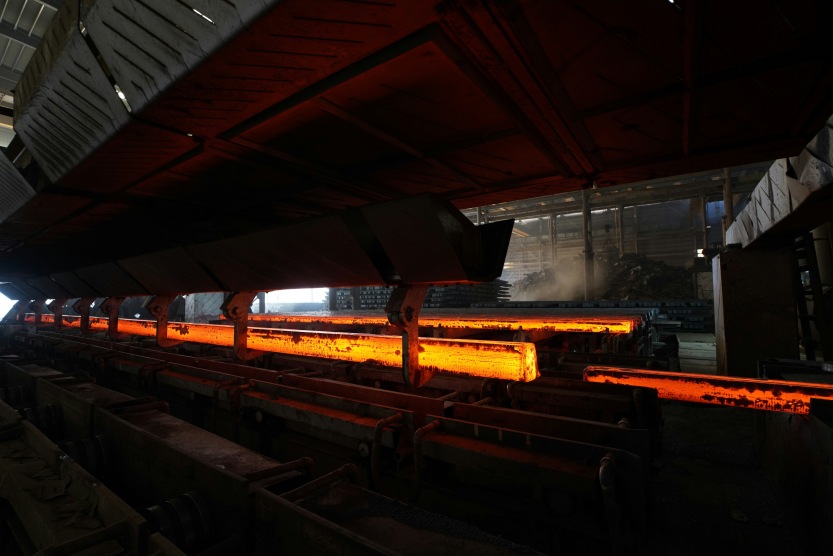
Your reheating furnace could be wasting 10–15% more fuel than it should. Left unchecked, poor combustion control quietly drains your
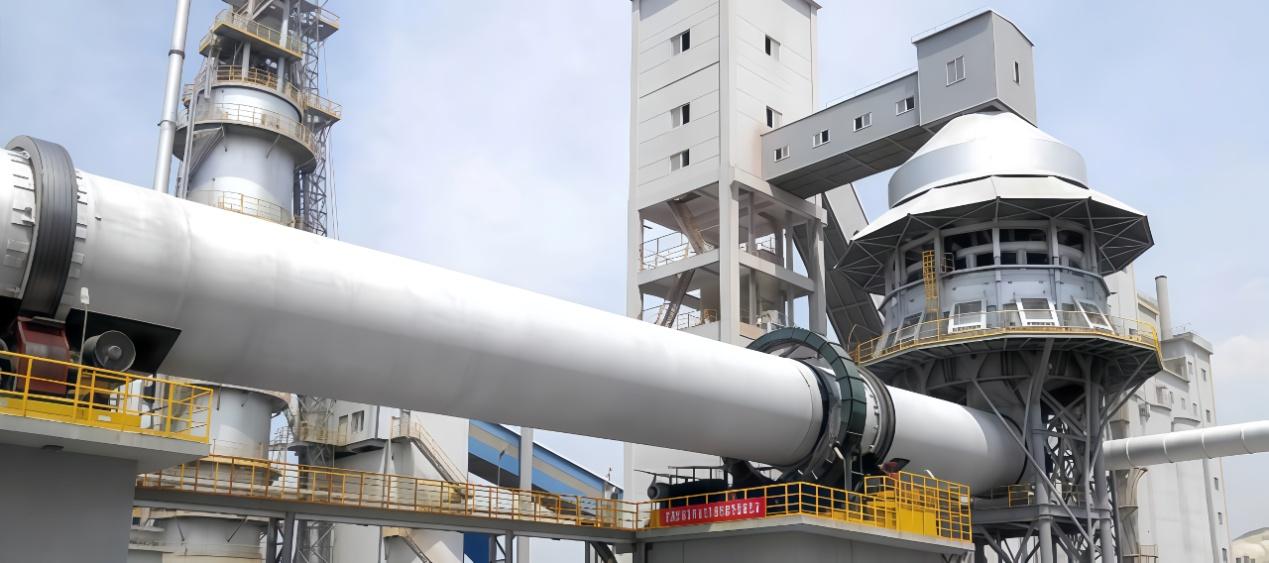
Pellet plant kilns run 24/7, pumping out SO2, NOx, and CO around the clock. One drifting sensor means missed emissions
In modern industrial emission control, SCR (Selective Catalytic Reduction) systems have become one of the most effective technologies for reducing
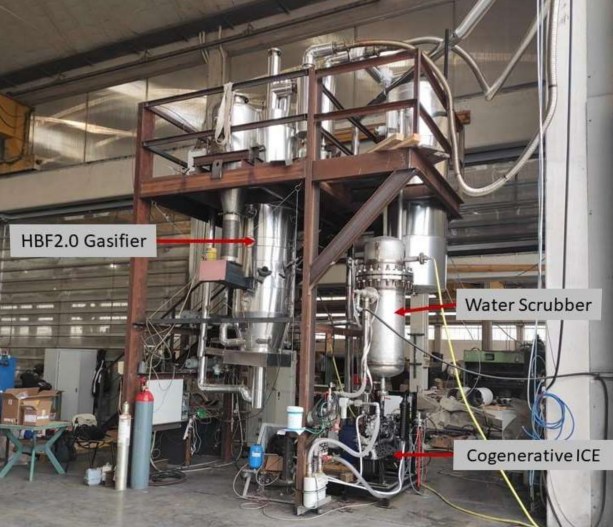
Running multiple gasifiers but still dealing with unstable readings, clogged sampling lines, or delayed gas analysis? These problems reduce efficiency,

Your CEMS keeps failing because cement kiln exhaust is hot, dusty, and corrosive. Frequent maintenance increases costs, interrupts production, and
In cement production, oxygen content is more than a basic gas value on a control screen. When O₂ is too
Unexpected gas composition changes in CDQ systems can trigger explosions, equipment damage, and production shutdowns. Without a reliable continuous gas
H2S is not a gas that industrial operators can afford to underestimate. It may appear in only trace amounts, yet
Unexpected CO spikes can turn a cement kiln ESP into a serious explosion risk. Without continuous monitoring, plants face equipment
A single oxygen spike in converter gas can trigger an explosion, damage equipment, and endanger workers. Without fast and accurate
Inaccurate flue gas data can hide combustion problems, waste fuel, and increase emissions. Without reliable monitoring, ethylene cracking furnaces may
Hydrogen chloride is one of the most challenging acid gases in chemical production. It can appear in chlorination reactions, tail
We will contact you within 1 working day, please pay attention to the email with the suffix “[email protected]” .