Flue Gas Analyzers
Emissions Gas Analyzer
Syngas Analyzer
Process Gas Analyzer
Heat Treating Analyzer
NDIR Gas Analyzer
Greenhouse Gas Analyzer
Trace Gas Analyzer
FTIR Gas Analyzer
TDL Gas Module
NDIR Gas Sensor
UV-DOAS Gas Sensor
Carbon Dioxide(CO2) Analyzer
Carbon Monoxide(CO) Analyzer
Methane(CH4) Analyzer
SO2 Gas Analyzer
NOx Gas Analyzer
Zirconia Oxygen Analyzer
Oxygen(O2) Gas Analyzer
Oxygen/Moisture Analyzer
Hydrogen(H2) Gas Analyzer
Ammonia (NH3) Gas Analyzer
HCl Gas Analyzer
HF Gas Analyzer
Ultrasonic Flow Meter
Portable Syngas Analyzer
Portable Biogas Analyzer
Portable FTIR Gas Analyzer
Portable Flue Gas Analyzer
Portable Laser Gas Analyzer
TDL Laser Gas Analysis System
VOC Analyzer
Mercury CEMS
FTIR CEMS
Continuous Emission Monitoring System(CEMS)
Ambient Air Quality Monitoring System(AQMS)
Emission Gas Monitoring
AQMS
Process Gas Control
Lab & Institute Gas Monitoring
Leakage Gas Monitoring
Medical Gas Monitoring
Field gas measurement is rarely “clean.” You’re often dealing with hot, humid stacks, corrosive acid gases, and concentrations that swing
VOCs monitoring can feel deceptively simple—until you’re the one explaining missing data, drifting baselines, or sudden “spikes” that later turn
Waste-to-Energy (WtE) plants burn waste to generate power, but that process produces a complex mix of gases. Regulators in the EU,
A waste-to-energy (WtE) plant is a facility that burns municipal solid waste to generate usable energy like electricity and heat. Modern plants
Air quality programs and industrial environmental teams often treat carbon monoxide (CO) as “just another number”—until a sudden spike forces
When an online monitoring system like CEMS runs 24/7, weather doesn’t just “change the scenery”—it can quietly change your numbers.
Volatile Organic Compounds (VOCs) are organic chemicals with low boiling points that easily vaporize into air. Because they can react
When engineers, environmental managers, or plant operators type this question into Google, they are usually on the verge of an important
Regulations don’t get stricter because paperwork is fun—they tighten because real-world emissions change fast, and “occasional checks” miss too much.
In a power plant, burning fuel efficiently and safely matters every day. Engineers constantly balance air and fuel mix to
Biomethane analyzer rarely fail because “methane isn’t there”—they fail because the methane data is slow, noisy, or not credible enough
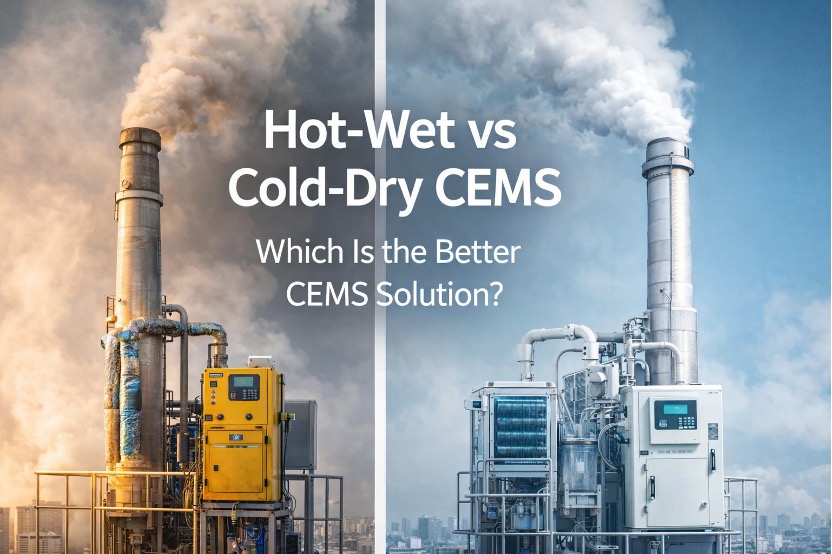
Wet flue gas is where CEMS projects quietly go wrong. If your sample cools even a little on its way
We will contact you within 1 working day, please pay attention to the email with the suffix “[email protected]” .