



Struggling to meet ever-tightening emission regulations with outdated monitoring systems? Discover how FTIR CEMS can redefine your compliance strategy with precision and flexibility.
Fourier Transform Continuous Emission Monitoring Systems (FTIR CEMS) are advanced gas analyzers that use infrared spectroscopy to simultaneously detect multiple gas components in industrial emissions. They are widely applied in sectors like power, cement, and waste incineration to ensure environmental compliance. (Gas Analyzer Manufacturers)
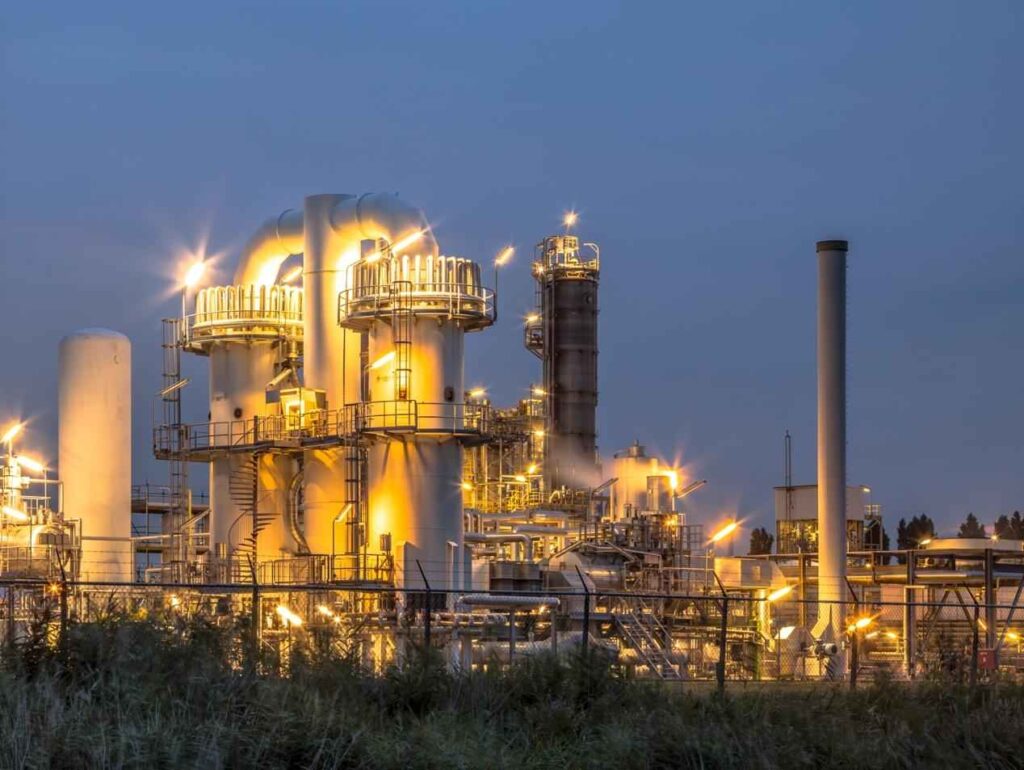
While the basic function of FTIR CEMS is to analyze gas emissions, their unparalleled sensitivity and multi-gas monitoring capabilities make them essential for modern industrial pollution control. Let’s explore how this technology works, where it excels, and why it’s becoming an industry standard.
What Is a Fourier Transform Continuous Emission Monitoring System (FTIR CEMS)?
Keeping track of harmful emissions isn’t just a regulatory need—it’s a critical operational responsibility.
FTIR CEMS refers to emission monitoring systems that utilize Fourier Transform Infrared (FTIR) spectroscopy to measure the concentrations of various gas components. The principle is based on the interaction between infrared light and gas molecules, where each gas absorbs IR radiation at specific wavelengths. Using an interferometer, the system produces an interferogram that is mathematically transformed into a full infrared spectrum, enabling simultaneous detection of multiple gases. This allows for accurate, real-time analysis of complex emission streams.
How Does FTIR CEMS Compare to Conventional Monitoring Systems?
Traditional analyzers may leave you blind to critical pollutants—FTIR CEMS makes sure nothing goes unnoticed.
Unlike non-dispersive infrared (NDIR) or chemiluminescent analyzers, FTIR CEMS can monitor a broad spectrum of gases in real time without switching sensors or modules. This includes not only standard pollutants like NOx and SO₂, but also trace gases such as NH₃, HCl, VOCs, and more. Its high-resolution spectral data reduces cross-interference errors and improves reliability, especially in complex emission profiles. The result: higher accuracy, fewer false alarms, and greater regulatory confidence.
ESEGAS’s FTIR Gas Analyzer: ESE‑FT600
Looking for reliable FTIR CEMS solutions? ESEGAS offers robust analyzers designed for industrial emission monitoring.
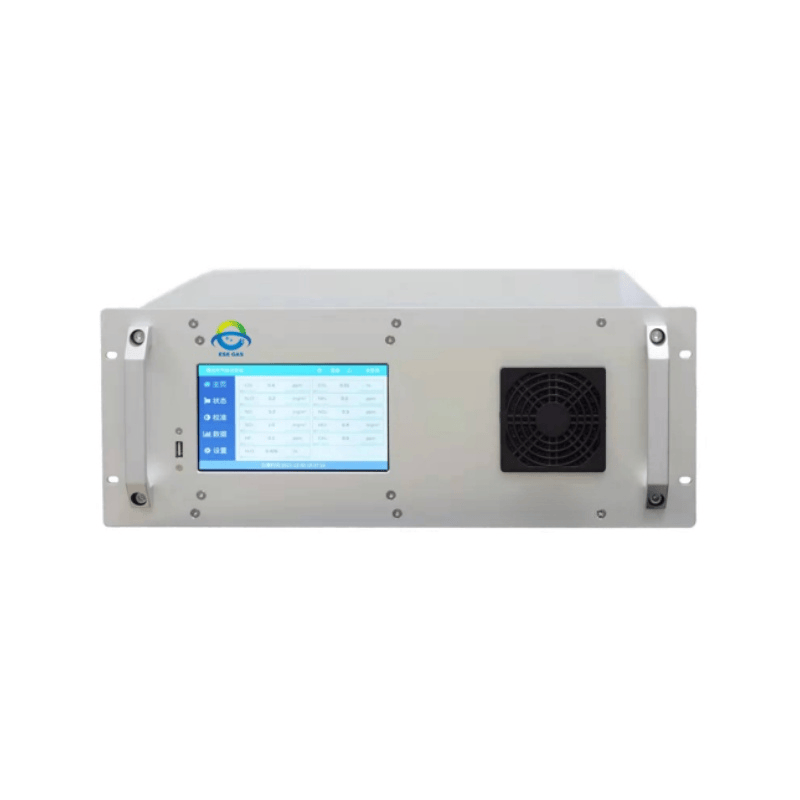
ESEGAS’s FTIR gas analyzers, like the online ESE‑FT600, leverage advanced Fourier Transform Infrared technology to simultaneously measure multiple gas components including SO₂, NOx (NO, NO₂), CH₄, HCl, HF, CO, CO₂, O₂, and H₂O, with the option to extend to NH₃, N₂O, and VOCs. These analyzers feature a modular interferometer design that resists vibration, a White cell optical path for superior signal‑to‑noise performance, and high integration for reduced maintenance costs. ESEGAS also provides portable models (e.g., ESE‑FTIR‑100P) suitable for field and greenhouse gas measurements with wide dynamic range and low detection limits. (Gas Analyzer Manufacturers)
In Which Industries Is FTIR CEMS Commonly Used?
Emission profiles vary by industry—FTIR CEMS delivers the adaptability and accuracy needed across all of them.
One of the standout strengths of FTIR CEMS technology lies in its flexibility across a broad range of industrial sectors, each with its own emission characteristics and regulatory challenges. Unlike single‑gas or narrow‑spectrum analyzers, FTIR CEMS offers multi‑component detection, real‑time analysis, and rugged performance in demanding environments. Here’s how different industries leverage this technology:
1. Power Generation (Coal, Biomass, and Gas-Fired Plants)
Power plants generate large volumes of combustion gases that include NOx, SO₂, CO, CO₂, and H₂O. In biomass or waste-to-energy applications, additional gases like HCl, HF, and VOCs become relevant. FTIR CEMS provides continuous, simultaneous monitoring of all key pollutants, ensuring compliance with regional and international regulations like the EU IED or US EPA 40 CFR Part 75. The high stability and low drift of FTIR systems also reduce recalibration frequency, a significant advantage in 24/7 operations.
2. Cement Manufacturing
Cement kilns emit complex mixtures of gases due to high-temperature processes and diverse fuel inputs. These emissions often include SO₂, NOx, NH₃ (from SNCR systems), HCl, CO, and dust-laden gases. FTIR CEMS is ideal for this environment because it can withstand high particulates and corrosive gas mixtures. Its ability to monitor ammonia slip helps optimize urea or ammonia injection rates, improving both compliance and reagent efficiency.
3. Waste Incineration and Waste-to-Energy Plants
Incineration facilities face some of the most stringent emission controls, especially in Europe and East Asia. Regulations often demand monitoring of a wide range of compounds, including acidic gases (HCl, HF), nitrogen species (NOx, NH₃, N₂O), and organics (CH₄, VOCs, dioxins). FTIR CEMS offers the advantage of capturing this entire profile with one system, eliminating the need for multiple analyzers and reducing overall system complexity and maintenance.
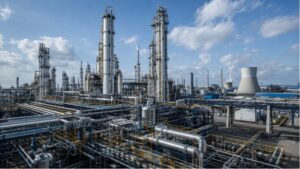
4. Chemical and Petrochemical Industry
Processes in chemical manufacturing release various volatile organic compounds (VOCs), acid gases, and hydrocarbons. Many of these gases are reactive or exist in low concentrations, requiring a high-sensitivity analyzer. FTIR CEMS is highly suitable due to its ability to differentiate closely related molecules and detect trace-level emissions. Additionally, its non-contact optical measurement minimizes the risk of sensor degradation in corrosive or explosive atmospheres.
5. Metals and Steel Production
Steel and non-ferrous metal production involves sintering, smelting, and combustion processes that produce SO₂, NOx, CO, and HCl. Monitoring emissions during different operational phases is crucial for optimizing scrubber performance and meeting environmental limits. FTIR CEMS can handle the high-temperature, high-dust environments found in these facilities while maintaining reliable gas readings.
6. Glass Manufacturing
Melting furnaces in the glass industry emit NOx, SO₂, CO, and particulates. Some facilities also use halogenated additives, resulting in emissions of HCl or HF. FTIR CEMS allows continuous monitoring of these pollutants, supporting operational optimization and preventing costly regulatory penalties due to excess emissions.
7. Semiconductor and Electronics Industry
Though less common, some high-tech manufacturing environments require gas monitoring for specialty or hazardous gases like NF₃, CH₄, and fluorinated compounds. The precision of FTIR CEMS systems enables safe handling and real-time feedback, especially in cleanroom or fume extraction contexts.
What Gas Components Can FTIR CEMS Detect and Why Does It Matter?
You can’t manage what you can’t measure—FTIR CEMS tells the full story of your emissions.
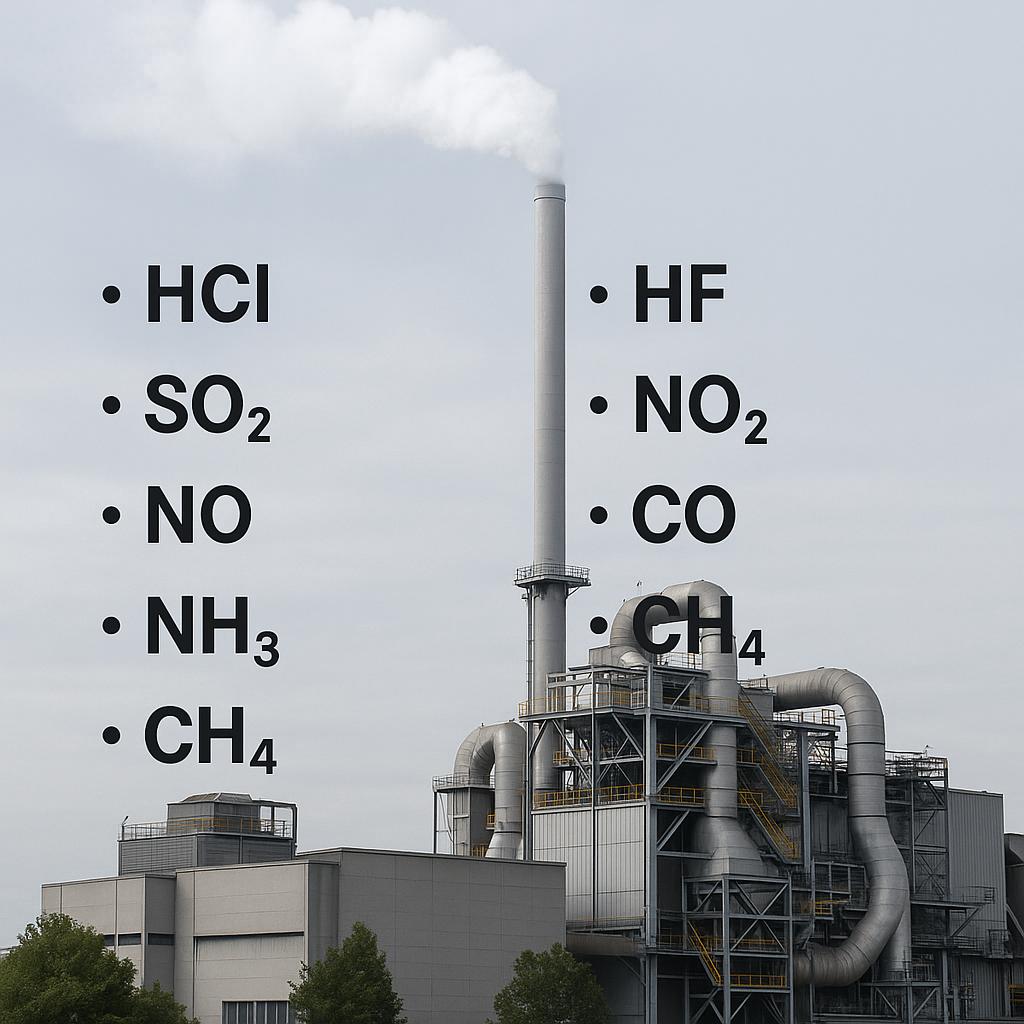
FTIR CEMS can measure a wide array of gases, including SO₂, NO, NO₂, CO, CO₂, NH₃, HCl, HF, CH₄, and VOCs. This comprehensive coverage is crucial for both regulatory reporting and internal process control. By identifying fluctuations or spikes in real time, operators can make informed decisions to optimize combustion, reduce reagent use, and maintain emission limits. It also simplifies compliance with directives such as the EU IED and USEPA Part 60/75.
How Can FTIR CEMS Be Maintained for Long‑Term Performance?
Advanced doesn’t mean complicated—smart maintenance keeps FTIR CEMS reliable.
To ensure consistent performance, FTIR CEMS systems require regular maintenance. Key tasks include periodic calibration using certified gas mixtures, inspection and replacement of the IR light source, and upkeep of sample conditioning components (filters, dryers, probes). Automated self‑checks and remote diagnostics further enhance uptime. With proper care, an FTIR CEMS can deliver accurate results for years, lowering overall lifecycle costs.
Conclusion
FTIR CEMS represents a transformative leap in emission monitoring, enabling high‑precision, multi‑gas detection across diverse industries. With products like those from ESEGAS, operators not only meet compliance standards but also gain operational insights that drive environmental and process performance.