



In industrial operations, switching fuels is a common strategy to reduce costs, meet regulatory targets, or improve sustainability. For example, a plant might move from high-sulfur fuel oil to low-sulfur natural gas to lower sulfur dioxide (SO₂) emissions. However, operators need solid, reliable proof that these changes actually deliver measurable benefits rather than just assumptions. SO₂ emissions serve as a critical indicator of sulfur content in the fuel and help verify environmental performance and compliance. Real data matters for environmental reporting, community impact assessments, and audit readiness.
To address this need, this blog shows how operators can use UV DOAS gas analyzer technology to quantify changes in SO₂ emissions before and after fuel switching. Unlike spot checks or manual sampling, continuous monitoring with UV-DOAS provides real- time, high-resolution data that reveals emission trends and confirms reductions with confidence. This article explains why this approach matters, how it was implemented in practice, and what insights facilities can gain for operational and regulatory decision-making.
How Does Fuel Switching Affect SO₂ Emissions and Why Does It Matter?
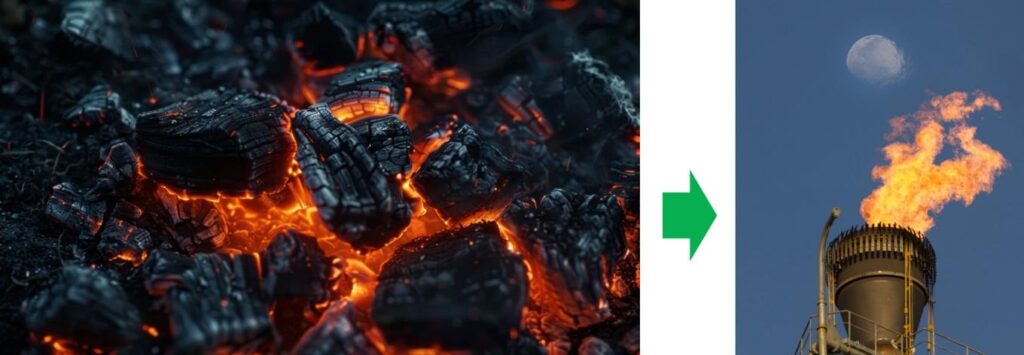
(Switch High-Sulfur Coal to Natural Gas)
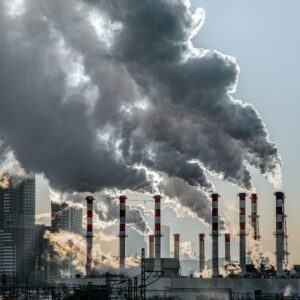
Fuel switching means replacing a fuel with a cleaner alternative to cut emissions and meet stricter environmental rules. In many industries, plants move from high-sulfur fuels like heavy fuel oil or high-sulfur coal to low-sulfur alternatives, such as natural gas, low-sulfur diesel, or processed fuels. This shift isn’t just about cost savings. It also helps facilities reduce harmful pollutants and align with tightening SO₂ emission limits imposed by regulators worldwide. SO₂ is a major contributor to acid rain and fine particulate formation, and many policies now restrict sulfur content in fuels to protect air quality and human health.
The sulfur content in fuel directly influences SO₂ emissions: higher sulfur fuels generate more SO₂ when burned, while low sulfur fuels produce significantly less. This relationship is fundamental because SO₂ concentration in flue gas strongly reflects fuel quality and combustion practices. However, simply switching fuels does not guarantee compliance on paper. Operators need continuous, quantitative data to confirm real emission reductions and to ensure that changes meet regulatory or corporate sustainability goals. High-resolution measurement before and after the fuel change reveals whether the switch delivered the expected impact and supports transparent reporting to regulators, stakeholders, and the public.
In practice, capturing these trends requires reliable, real-time monitoring tools that can track low-level changes in SO₂ emissions. The next section explores how advanced measurement technologies support this task.
Why Is a UV-DOAS Gas Analyzer Ideal for Tracking SO₂ Changes After Fuel Switching?
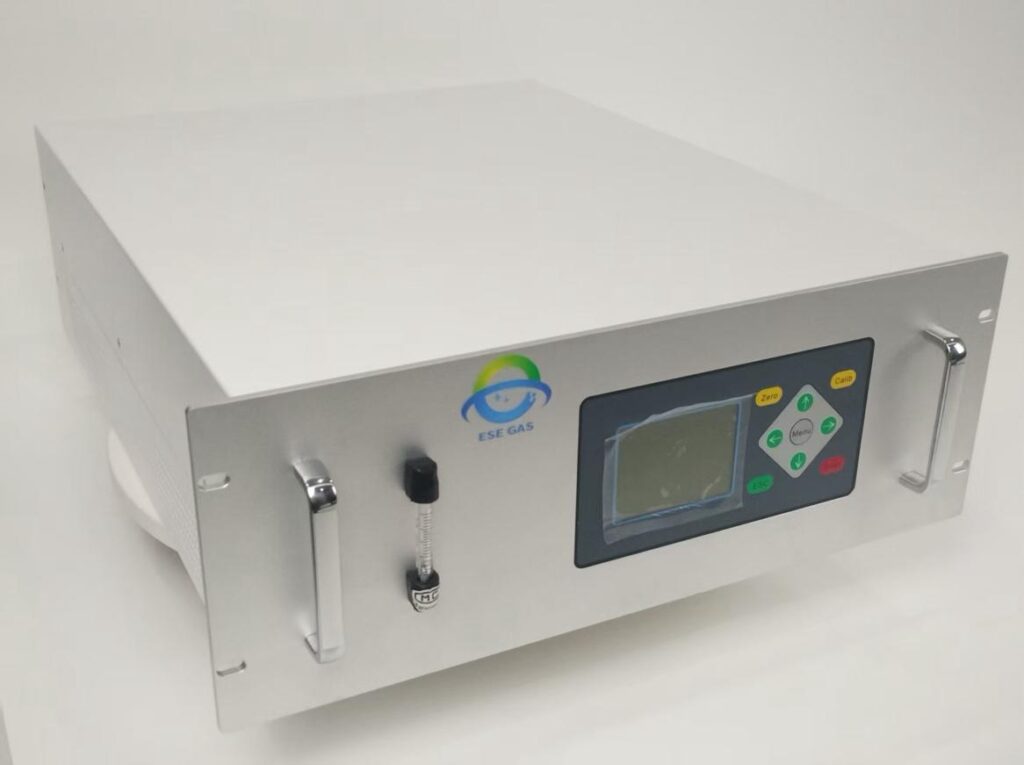
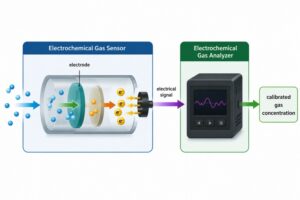
When you need to verify how a change in fuel affects sulfur dioxide (SO₂) emissions, the measurement technology matters. A UV-DOAS gas analyzer stands out because it combines high sensitivity, real-time data, and practical operational design that adapts to real industrial conditions.
First, the technical strengths of UV-DOAS make it well-suited for tracking low-level emission changes. It measures ultra-low SO₂ ranges (for example, 0–50 mg/m³ or 0–100 mg/m³) with strong sensitivity and signal stability, even when emissions drop after a fuel switch. These low-range capabilities help operators detect meaningful changes rather than just noise. UV-DOAS uses spectral differential analysis across multiple UV absorption bands, which effectively separates the target gas signal from background interference such as moisture, dust, or other flue components. This spectral approach enhances measurement accuracy in complex gas mixtures, a critical advantage for precise emission tracking.
In addition, UV-DOAS delivers real-time, continuous monitoring that captures transient emission peaks and quickly responds to shifts in combustion behavior. This means you get a detailed view of how SO₂ levels evolve as fuel properties change, rather than infrequent snapshots that may miss short peaks or dips. Continuous data streams help environmental teams and compliance officers make better decisions and document changes with confidence.
Beyond measurement quality, UV-DOAS offers practical operational benefits. Many analyzers can perform simultaneous multi-gas detection—for example, SO₂, NO, and optional NO₂—in a single analysis chamber, eliminating the need for separate converters or additional sensors. Moreover, the system’s design minimizes maintenance needs through stable baselines and long lasting components, reducing downtime and support burdens during extended monitoring campaigns.
Together, these features make UV-DOAS gas analyzers a reliable and effective choice for facilities that must quantify SO₂ emission changes after fuel switching while meeting regulatory reporting and operational insight needs.
How Was the SO₂ Monitoring Set Up in This UV-DOAS Gas Analyzer Case Study?
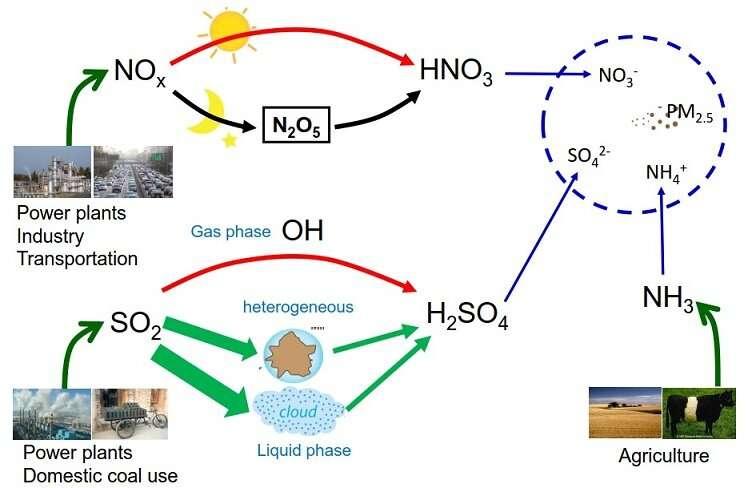
To understand how fuel switching impacted sulfur dioxide (SO₂) emissions, the monitoring plan had to be clear, systematic, and comparable before and after the change. A well-designed measurement setup removes uncertainty and highlights real trends in the data. Here’s how this case captured SO₂ behavior with precision.
Establishing a Baseline Before the Fuel Change
Before any fuel switch took place, operators recorded continuous SO₂ concentrations using the UV-DOAS gas analyzer. This initial dataset provided a reference point for all later comparisons. Continuous monitoring over several days or weeks helps reveal the natural fluctuation patterns of SO₂ under the existing fuel type. Rather than relying on periodic spot checks, the UV-DOAS system delivered high-resolution time series data that showed how emissions changed throughout daily operations and under varying loads. This baseline allowed analysts to spot cycles, peak events, and typical emission behavior before any changes were made.
Implementing the Fuel Switch Carefully
Once the baseline period was complete, the facility implemented the fuel switch. Engineers documented the exact timing of the switch, the types of fuels before and after, and the prevailing operational conditions such as combustion temperature, load, and flow rates. Keeping these variables as consistent as possible is crucial to isolate the true impact of the fuel change itself on SO₂ emissions. In other words, if boiler load or combustion settings shifted dramatically, it would be harder to attribute any change in SO₂ to fuel quality alone.
Monitoring After the Fuel Change
After switching to the low-sulfur fuel, the UV-DOAS analyzer continued to collect continuous SO₂ measurements over a period matching the baseline campaign. This extended data collection under similar operating conditions ensured apples-to-apples comparison. Analysts then compared trend lines, peak levels, and statistical averages from before and after the switch. By visualizing both datasets together, they could quantify the reduction in SO₂ and confirm that the new fuel delivered real environmental benefits.
This structured monitoring approach—baseline collection, controlled implementation, and matched post switch tracking—ensured that the observed SO₂ reductions were robust, reliable, and directly tied to the fuel change. Continuous, high-resolution data from the UV-DOAS analyzer made it possible to evaluate emission dynamics with clarity and confidence, supporting both operational insights and compliance reporting.
How Did UV-DOAS Gas Analyzer Data Show SO₂ Reductions After Fuel Switching?
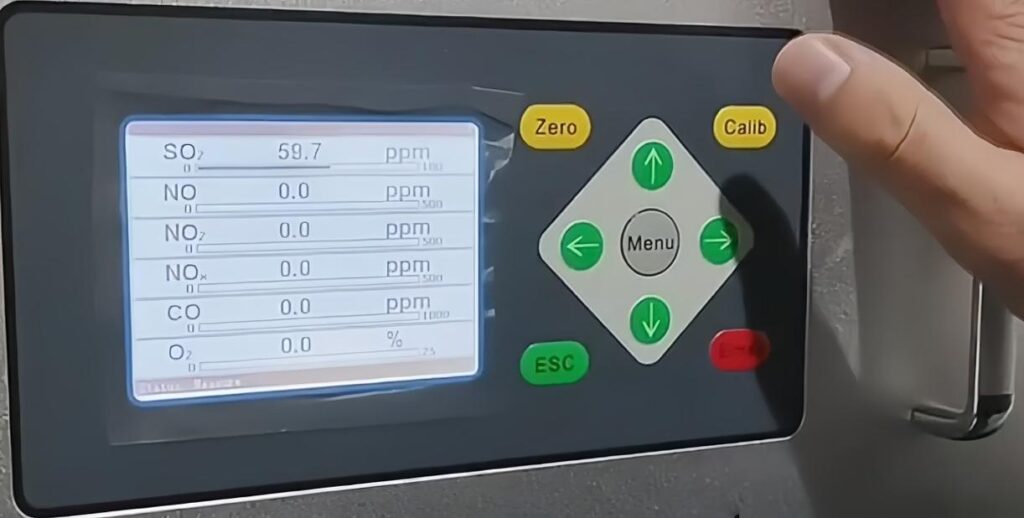
In this case, we used continuous data from a UV-DOAS gas analyzer to quantify how SO₂ emissions changed after switching to a lower-sulfur fuel. By comparing the before and after profiles and analyzing trends with respect to regulatory limits, we found clear evidence of emission improvement with solid operational insight.
Before vs. After Emission Profiles
To visualize the impact of fuel switching, we plotted continuous SO₂ concentration time series from both the baseline and post-switch periods. These plots revealed distinct differences:
- Higher averages and sharper spikes appeared during the baseline period when a high-sulfur fuel was in use.
- After switching to a low-sulfur fuel, overall SO₂ levels dropped noticeably, and the typical peak heights flattened.
This contrast in time series clearly shows the emission trend before and after fuel change. The smoother, lower profile after switching suggests that the combustion process produced significantly less SO₂ across operating hours. Such trend analysis helps teams see not just point-in-time changes but patterns over full duty cycles, including load shifts and transient events.
Statistical Trends and Compliance Interpretation
Beyond visual comparison, we quantified the reduction in SO₂:
- Average SO₂ levels fell by a consistent margin when comparing identical operating conditions before and after the fuel change.
- Peak values during dynamic load swings also stayed well below the pre-switch peaks, indicating greater stability.
- Crucially, the post-switch averages were below the applicable regulatory thresholds, supporting compliance claims and permitting documentation.
Regulatory compliance often demands data that reflects true operating conditions rather than isolated measurements. The continuous UV-DOAS dataset provided this clarity. It offered not only snapshots but a complete statistical context—means, ranges, and frequency distributions—that operations teams used to support compliance reports and justify fuel procurement and combustion strategy adjustments.
This combination of trend visualization, statistical comparison, and regulatory framing shows how a UV-DOAS gas analyzer can translate fuel quality decisions into measurable environmental outcomes. By pairing real-world data with clear analytical methods, facilities can make confident operational choices and back them up with evidence that meets compliance standards.
Conclusion
This clearly shows how switching to a lower-sulfur fuel led to measurable reductions in sulfur dioxide (SO₂) emissions. By using a UV-DOAS gas analyzer for continuous monitoring, the plant was able to document trends before and after the fuel change with confidence and clarity.
For facilities considering their own fuel transitions, this approach highlights the value of robust emissions monitoring and shows how data-driven strategies improve both compliance and sustainability outcomes.
We’ve also prepared a video demonstration of SO₂ calibration using a UV-DOAS gas analyzer, showing real calibration steps and analyzer behavior on site. This video helps you see how accurate calibration directly supports reliable emission tracking after fuel changes.
If you’d like detailed parameter comparisons, case data examples, or support selecting the right measurement strategy for your facility, please contact us anytime.
FAQs
1. Why is continuous SO₂ monitoring important after fuel switching?
Continuous monitoring provides detailed trends rather than isolated snapshots. After fuel switching, operators need real-time data to confirm that SO₂ levels fall as expected. A UV-DOAS system captures emission patterns across operating conditions so decision makers can validate compliance and environmental benefits
2. How does UV-DOAS measure ultra-low SO₂ concentrations?
UV-DOAS technology supports ultra-low range measurements (e.g., 0–50 mg/m³) suitable for low-emission regulatory requirements. It uses multiple UV absorption bands and long optical paths to provide strong signal sensitivity and accurate quantification even at low SO₂ levels.
3. How did the UV-DOAS data show reductions in SO₂ after the fuel switch?
By comparing continuous SO₂ time series before and after switching to a lower-sulfur fuel, the UV-DOAS data revealed lower average concentrations and flatter peak levels. This trend confirmed that fuel with lower sulfur content produced less SO₂ under similar operating conditions, showing the impact of the fuel change.
4. Is UV-DOAS suitable for industrial stack monitoring after desulfurization or fuel changes?
Absolutely. UV-DOAS analyzers are widely used in industrial emission monitoring, including before and after desulfurization units or fuel changes, due to their capacity to detect multiple gases with stable, interference-resistant performance.