Category: Process Gas Control

Blog

A battery recycler can meet its material-output target while still experiencing unstable furnace conditions, electrolyte releases or poor gas-treatment performance.

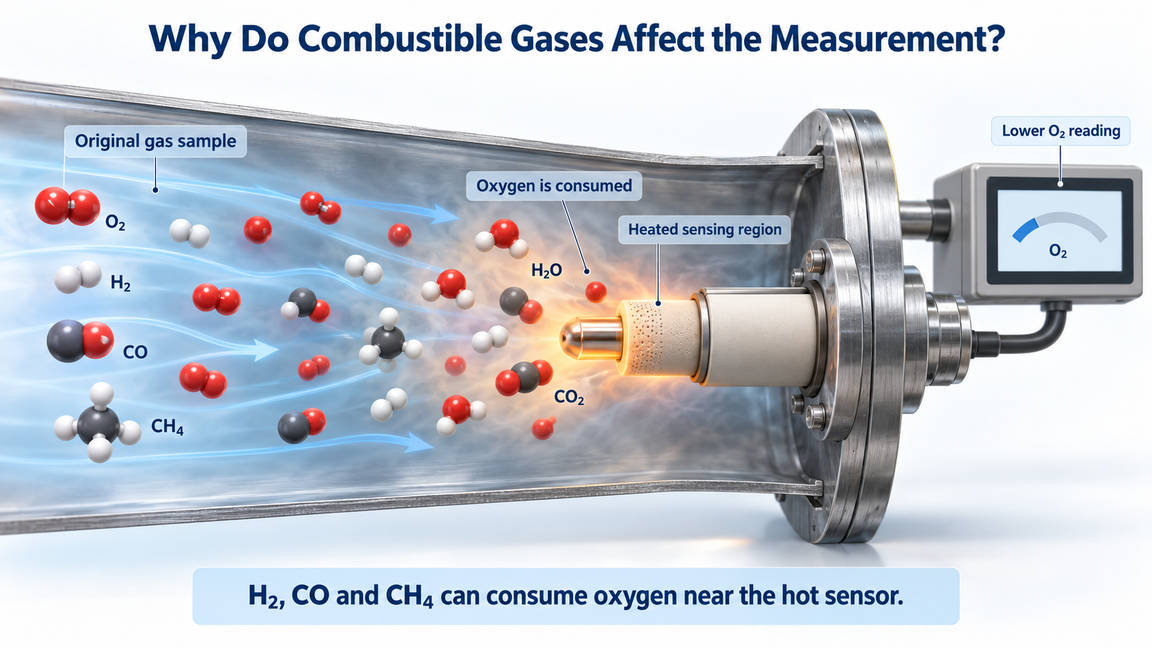
An unexpectedly low oxygen reading can lead operators to adjust a process on the wrong basis. When hydrogen, carbon monoxide,

A chlor-alkali plant can maintain normal electrical load and production while a separator, seal or operating condition begins to deteriorate.

Nitric acid plants can produce rapidly changing nitrous oxide emissions, particularly when production load or abatement performance changes. If the

Battery safety testing can record temperature, heat release and flame propagation, yet those parameters do not fully explain what happens

Biochar producers often concentrate on the carbon content and stability of the finished solid while giving less attention to the

Industrial operators may know that Europe’s updated emissions framework has entered its national implementation stage, yet many are still uncertain

Methane monitoring is no longer only a matter of process efficiency or workplace safety for energy companies operating in Europe.

Printing operations can generate significant amounts of volatile organic compounds during ink application, dilution, drying, equipment cleaning, and solvent handling.

Ammonia production depends on tight control of gas composition from reforming through synthesis. Unstable gas composition can reduce ammonia yield,

Hydrogen production may appear straightforward: generate hydrogen, separate it, purify it, and deliver it to the next process. In practice,

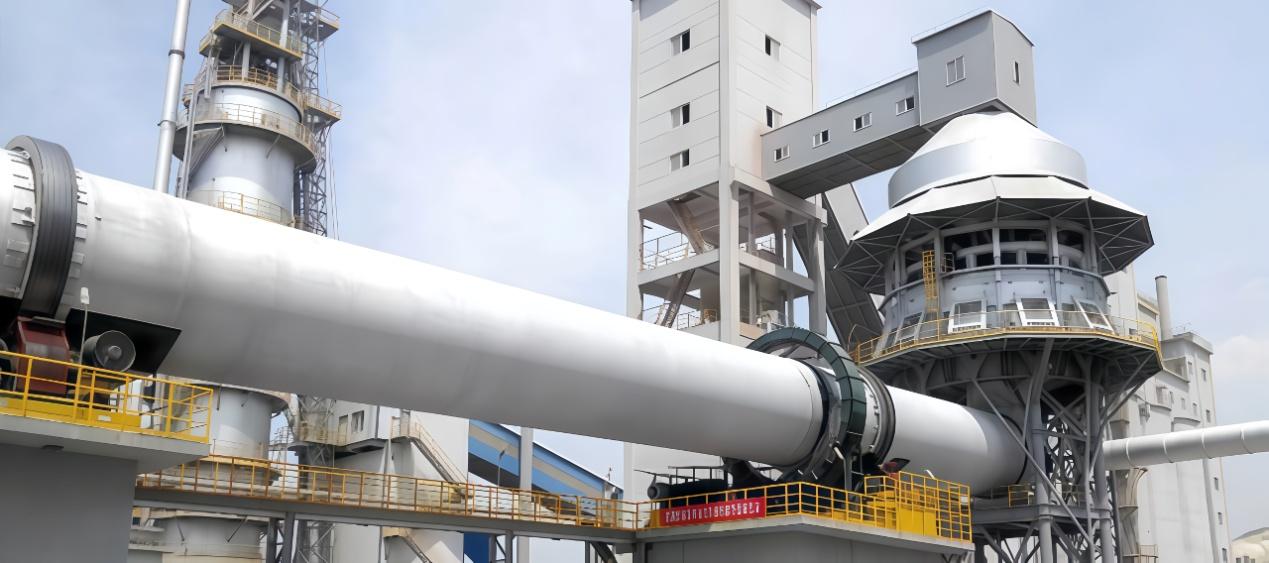
Cement kilns operate under intense heat, heavy dust loads, and constantly changing combustion conditions. A kiln may appear stable based

Ask For A Quick Quote !

We will contact you within 1 working day, please pay attention to the email with the suffix “[email protected]” .

[gravityform id="3" title="false" ajax="false"]