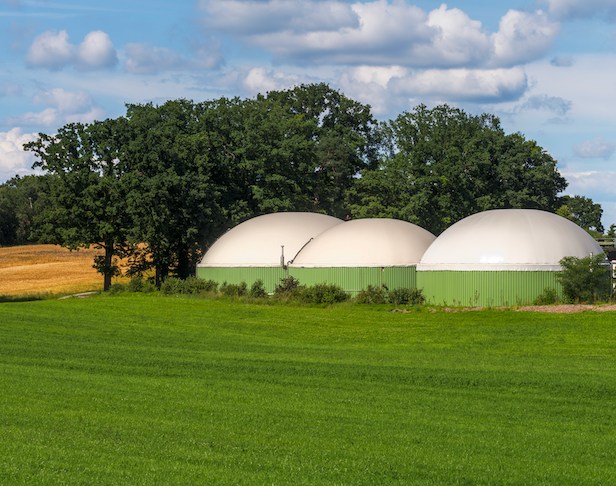
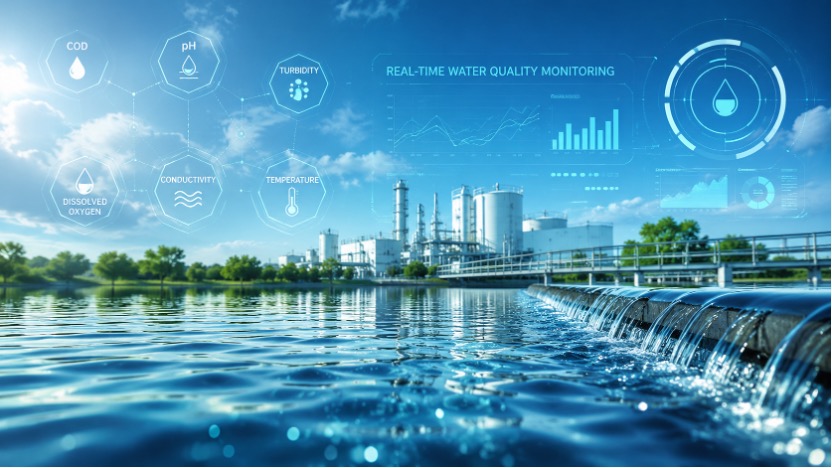
Wastewater plants are increasingly expected to reduce their climate impact, but electricity consumption tells only part of the story. Biological
Industrial operators may know that Europe’s updated emissions framework has entered its national implementation stage, yet many are still uncertain
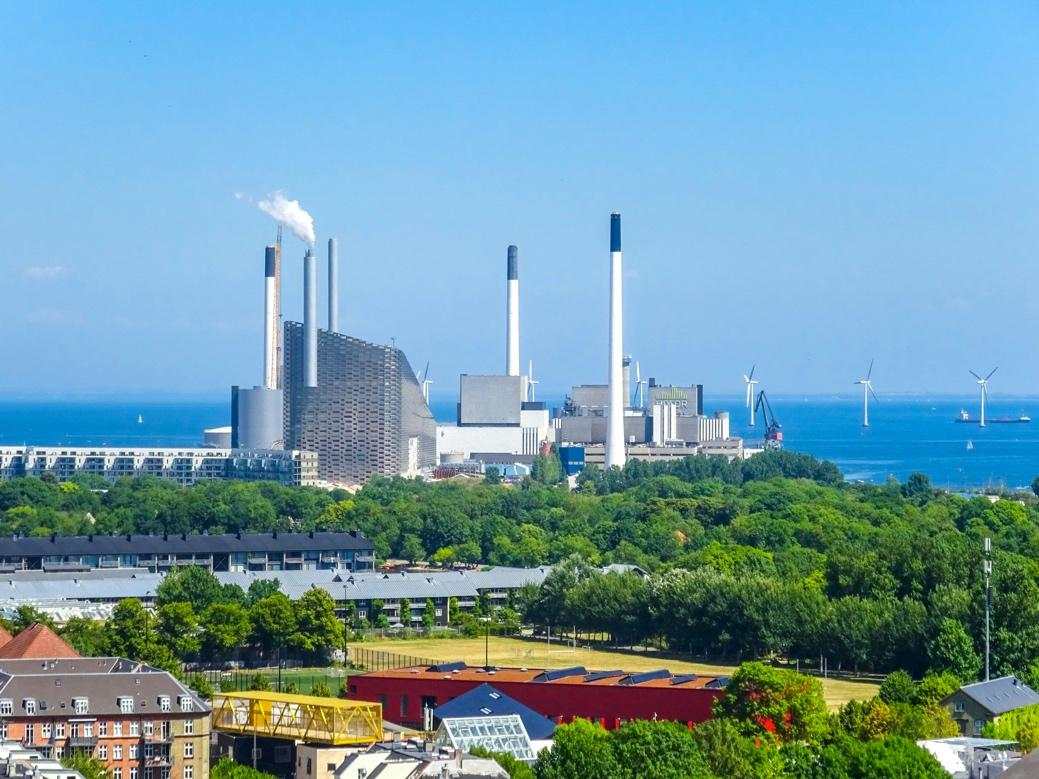
Hydrogen chloride (HCl) monitoring in waste-to-energy plants is challenging because hot, wet, dusty flue gas can affect sampling, response time,
Coal gasification produces a complex gas mixture whose composition can change with operating conditions. For plants that need reliable CH₄
Methane monitoring is no longer only a matter of process efficiency or workplace safety for energy companies operating in Europe.
Printing operations can generate significant amounts of volatile organic compounds during ink application, dilution, drying, equipment cleaning, and solvent handling.
Industrial plants cannot afford unreliable gas data. Missed SO₂, NOx, or NH₃ readings can lead to emission violations, poor combustion
Ammonia production depends on tight control of gas composition from reforming through synthesis. Unstable gas composition can reduce ammonia yield,
Steel plants have many gas streams, but fixed gas analyzers only see the points where they are installed. During commissioning, troubleshooting,
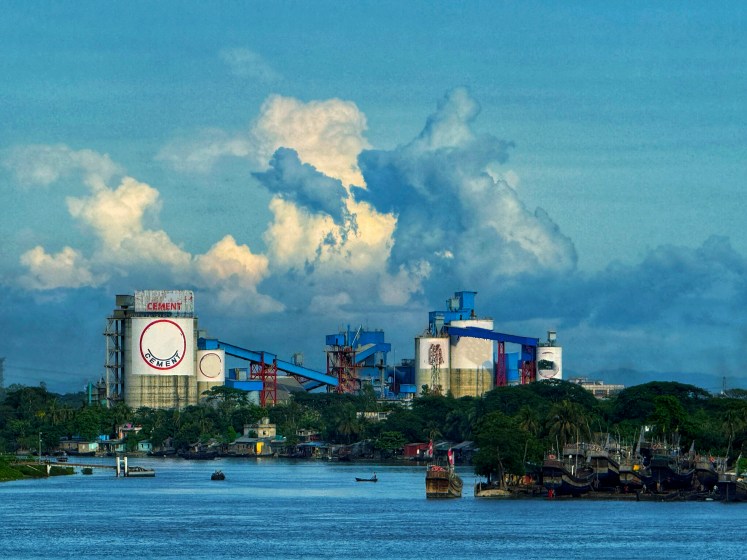
High dust, extreme temperatures, unstable combustion, and tight emission limits make cement kiln gas difficult to measure. Without reliable gas
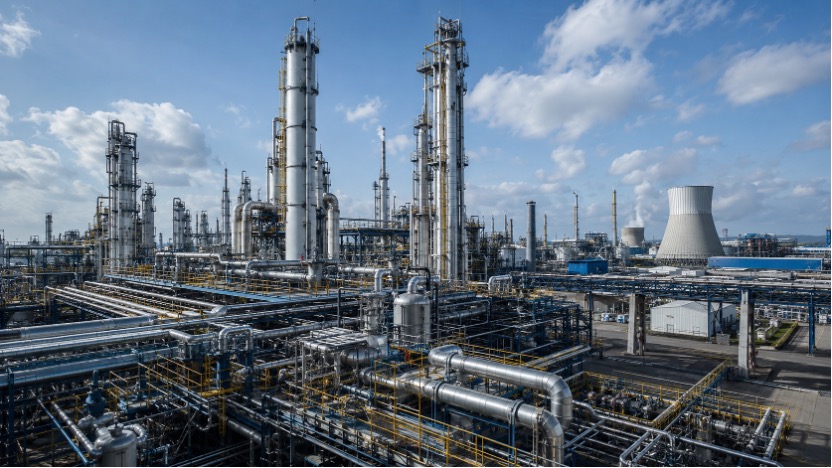
Natural gas processing plants handle large volumes of hydrocarbons under changing pressure and operating conditions. As a result, even small
Hydrogen production may appear straightforward: generate hydrogen, separate it, purify it, and deliver it to the next process. In practice,
We will contact you within 1 working day, please pay attention to the email with the suffix “[email protected]” .