Turning Sludge into Energy: Can We Optimize Biogas Production Without Accurate Gas Analysis? Wastewater treatment plants are increasingly turning to
Septic tanks trap combustible and toxic gases. Without precise monitoring, leaks, explosions, or poisonings can happen—and compliance falters. A fit-for-purpose
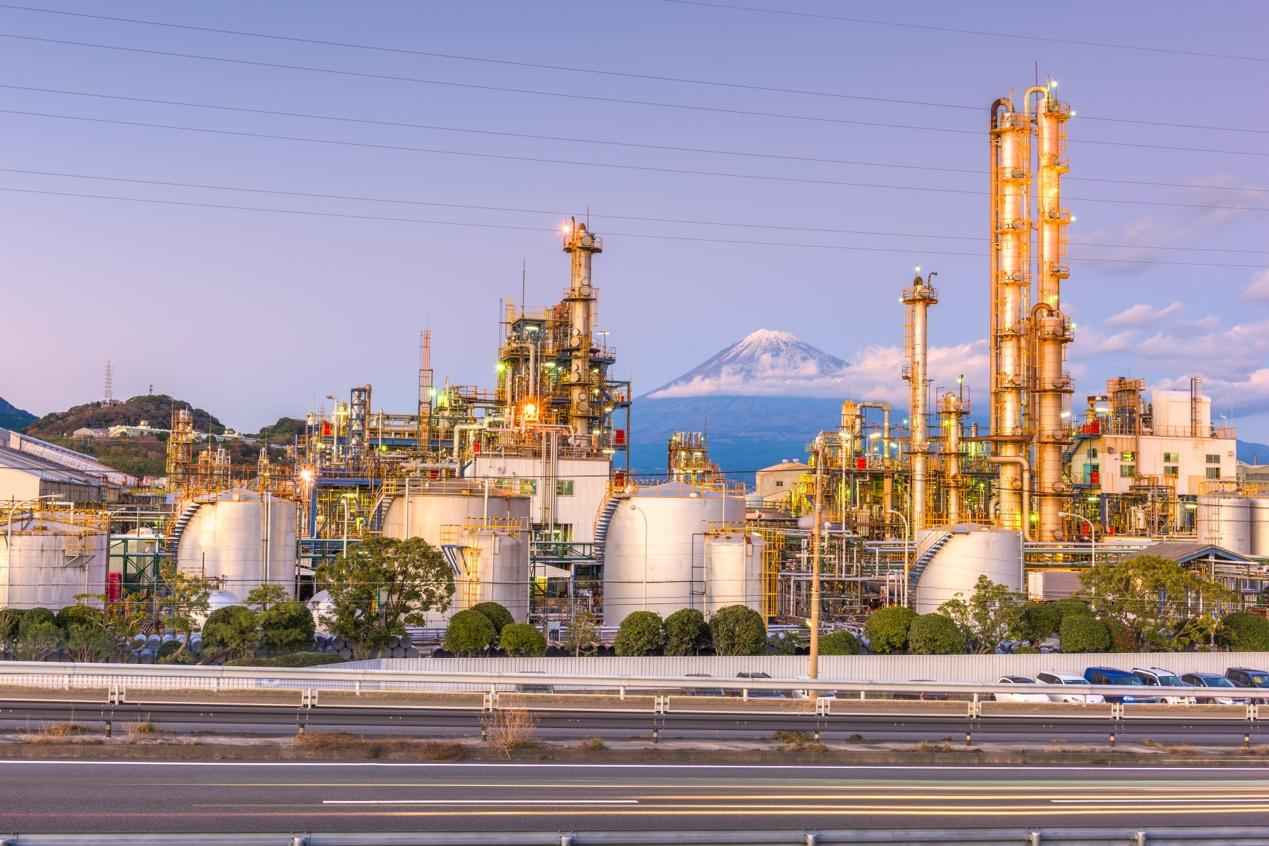
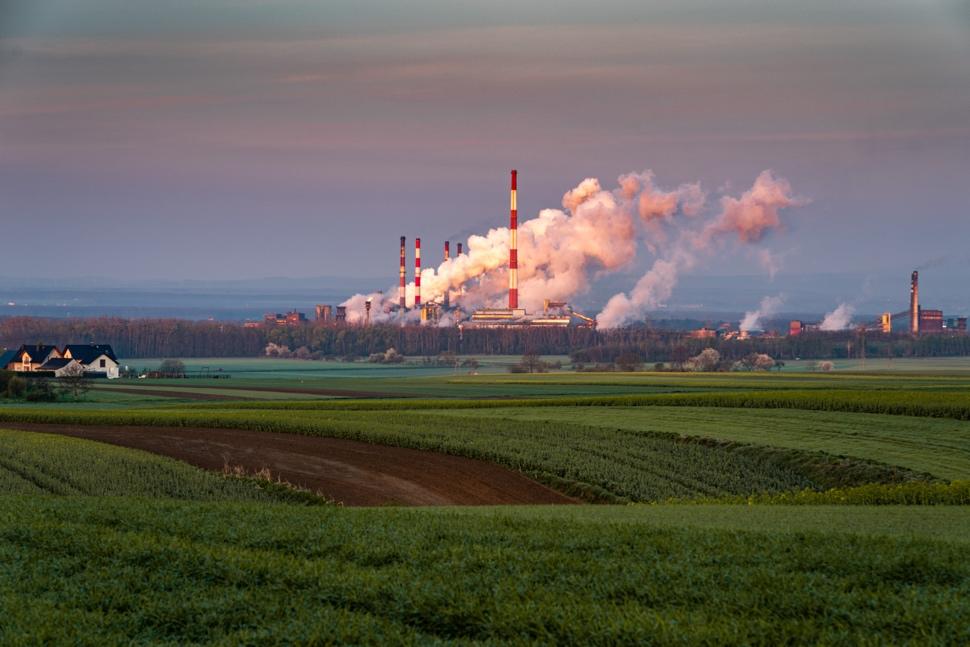
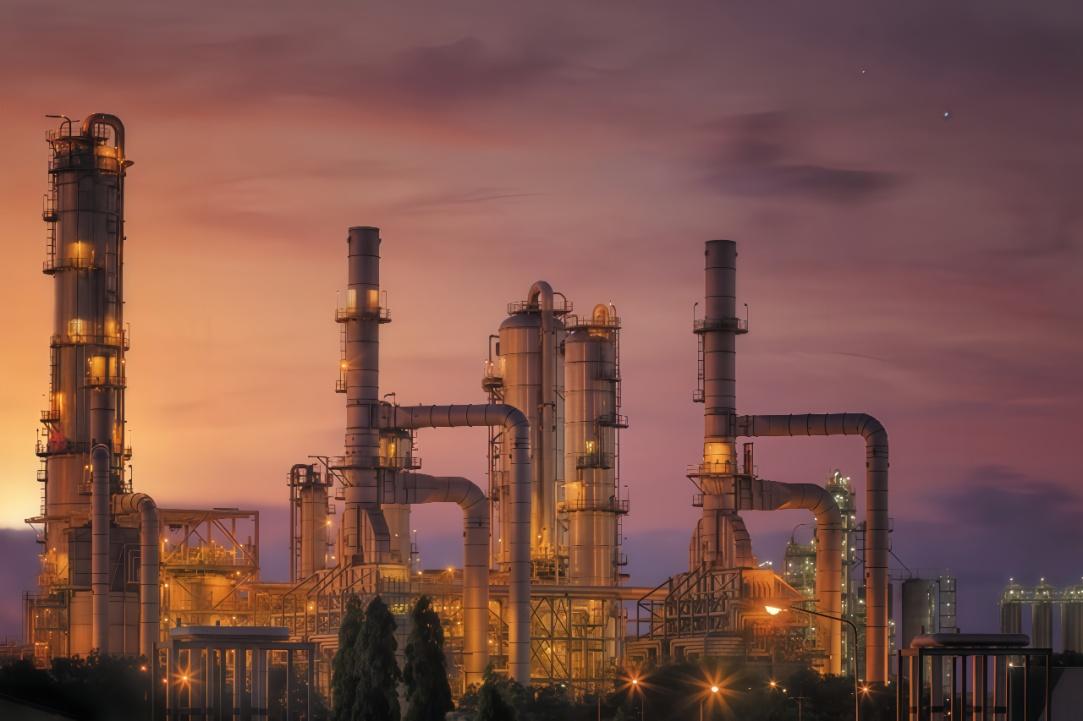
(Oil refinery) Refineries perform intricate chemical operations that generate various gases and emissions. Efficient gas analysis matters—not only to fine-tune
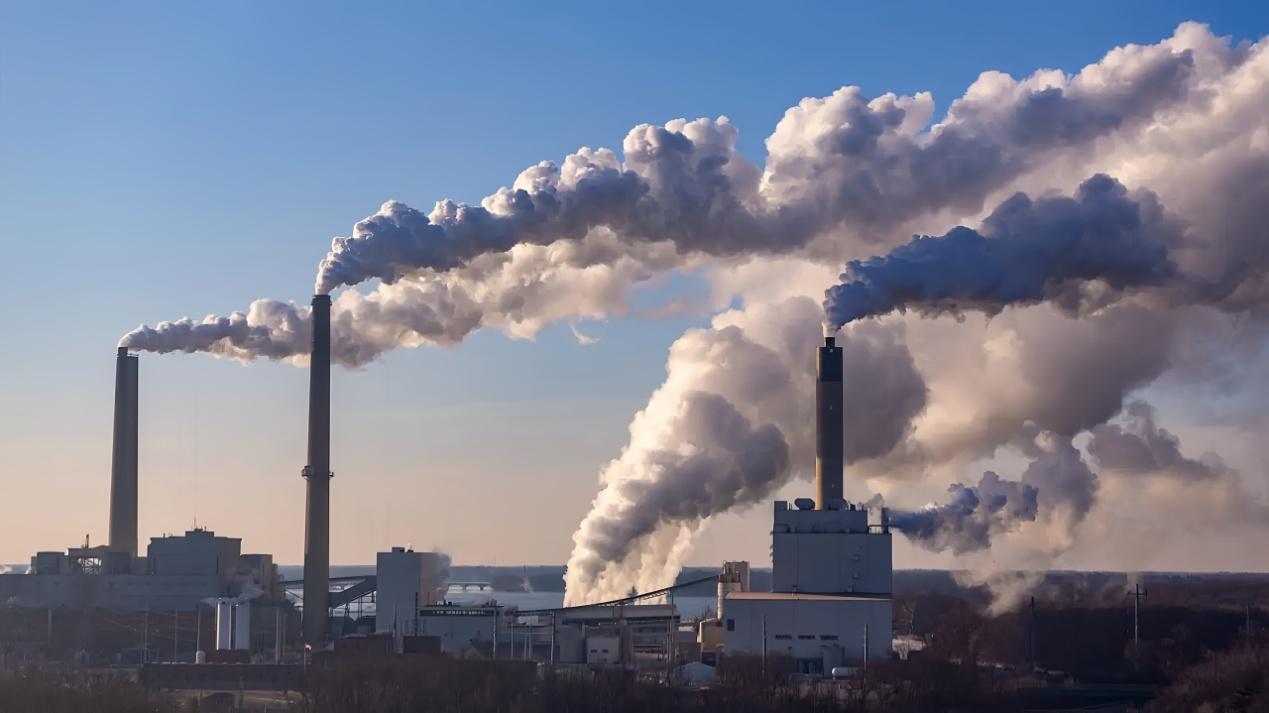
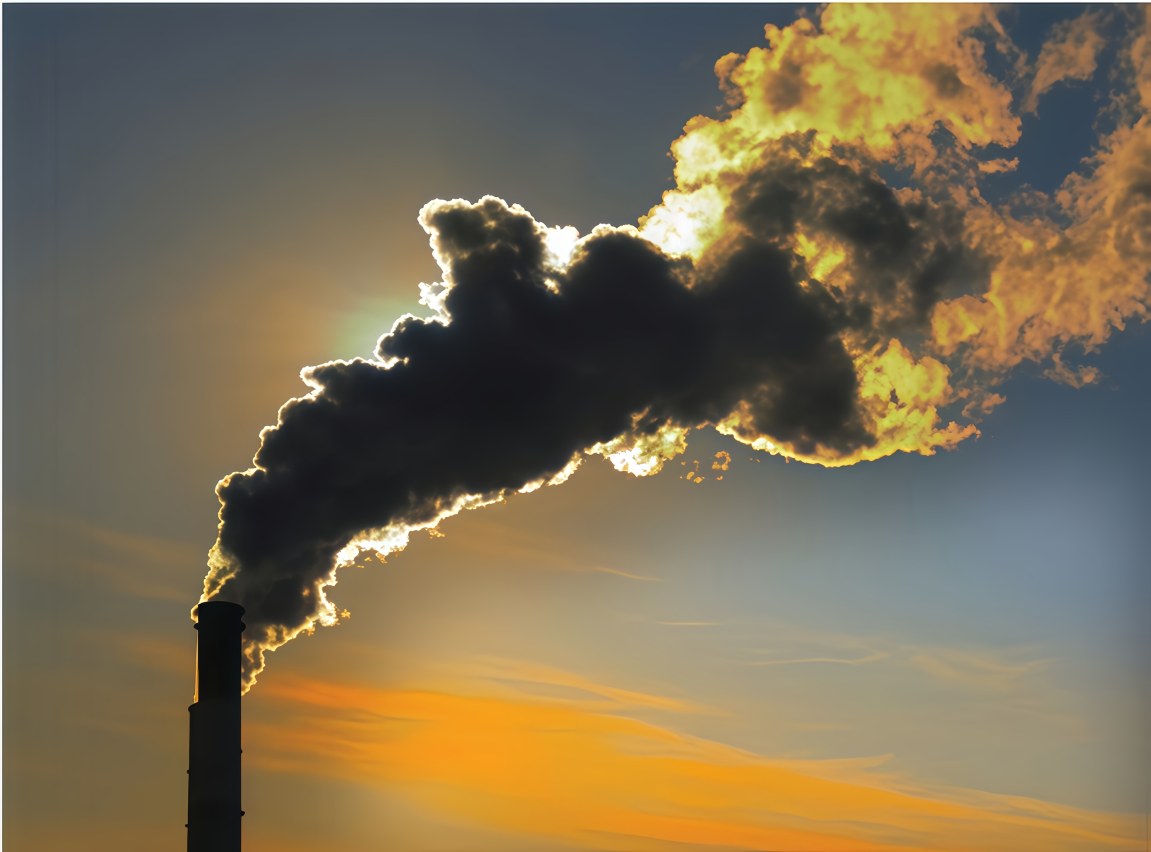
(Lignite power station) Tighter air-quality standards are reshaping how power plants operate. Today, regulators expect precise tracking of every gas
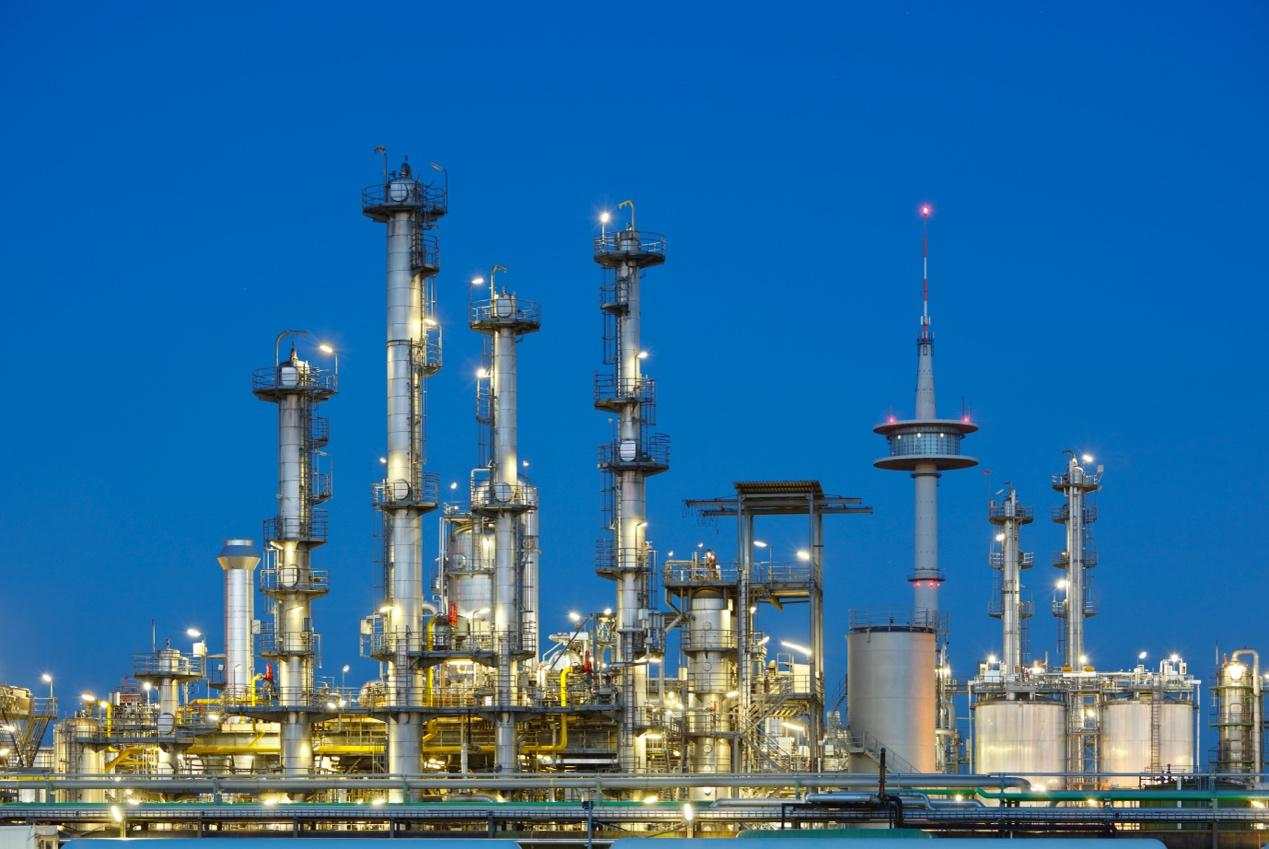
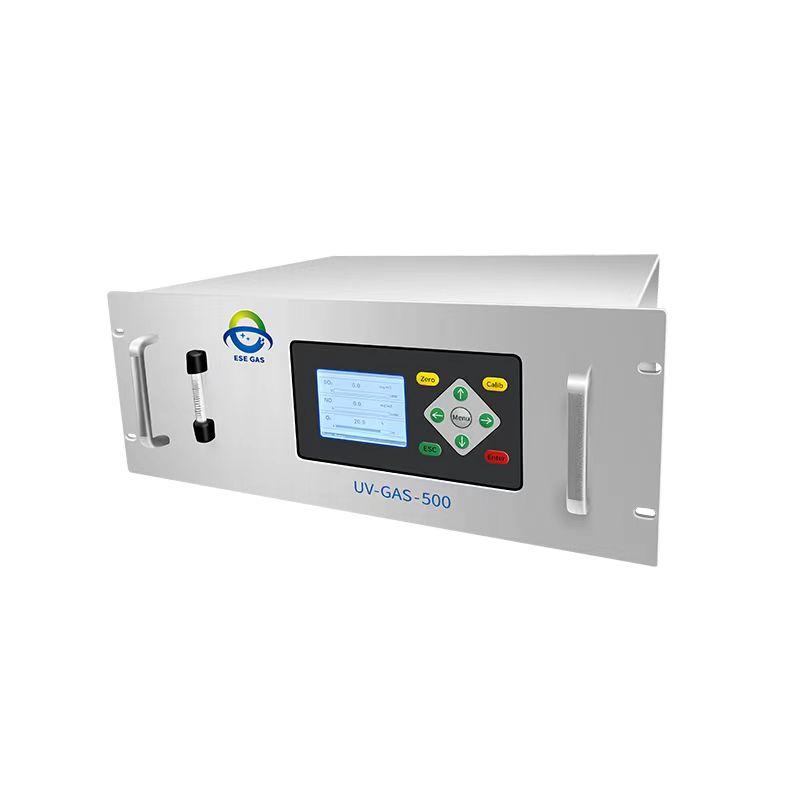
Process Gas Analyzer (Oil refinery) Even slight emission deviations in a refinery can lead to major safety issues or regulatory
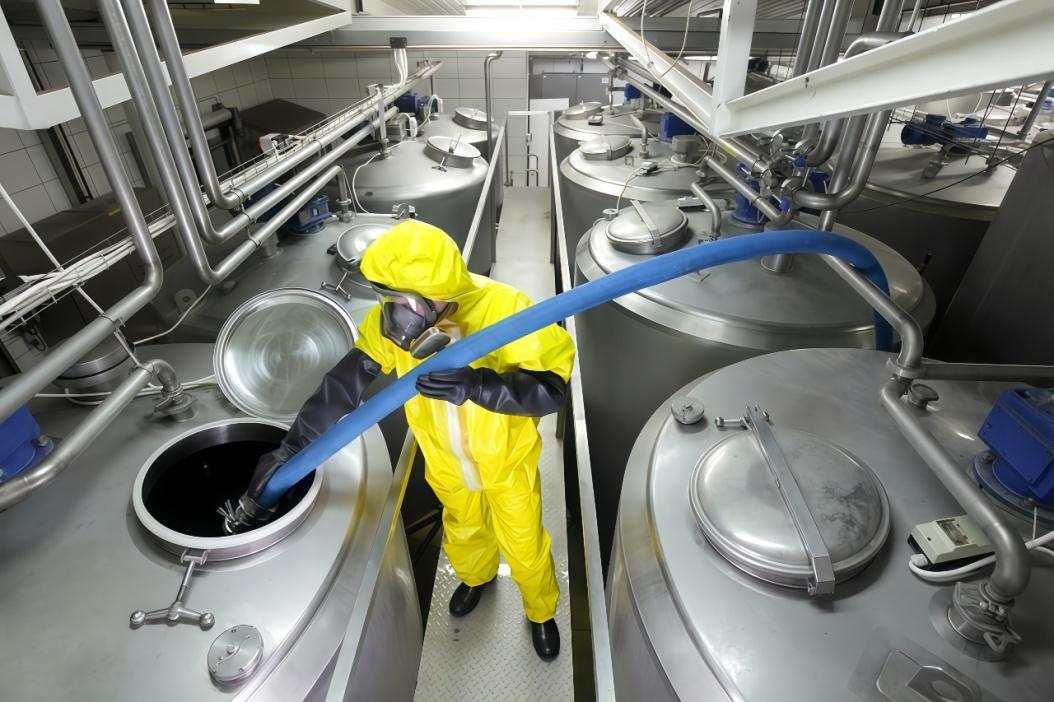
(Chemical plant) In every chemical plant, two priorities stand above all else: process control and personnel safety. When either is compromised,
Gas leaks don’t wait — and traditional inspections may be too late. When seconds count, a portable gas analyzer ensures immediate response
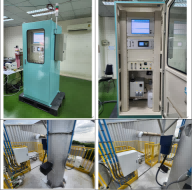
(Emission Control) ESEGAS recently deployed the ESE–LASER–200WM HCl gas analysis system (0–50 ppm) at a waste-to-energy incineration plant overseas. This advanced system
Ultra-high purity gases demand impurity detection at ppb or ppt levels, making contamination control critical yet challenging. TDLAS offers a
(Gas Sweetening Plants) In natural gas operations, hydrogen sulfide (H₂S) is more than just a nuisance—it’s a corrosive, toxic, and economically damaging
Detecting Gas Leaks can spark explosions, poison workforces, and cause massive financial losses. Ignoring the risk isn’t an option—especially in
(Sewage treatment plant) In industrial biogas production, safety starts with what we can’t see—colorless, odorless gases like hydrogen sulfide (H₂S),
We will contact you within 1 working day, please pay attention to the email with the suffix “[email protected]” .