



Call
WhatsApp
Mail
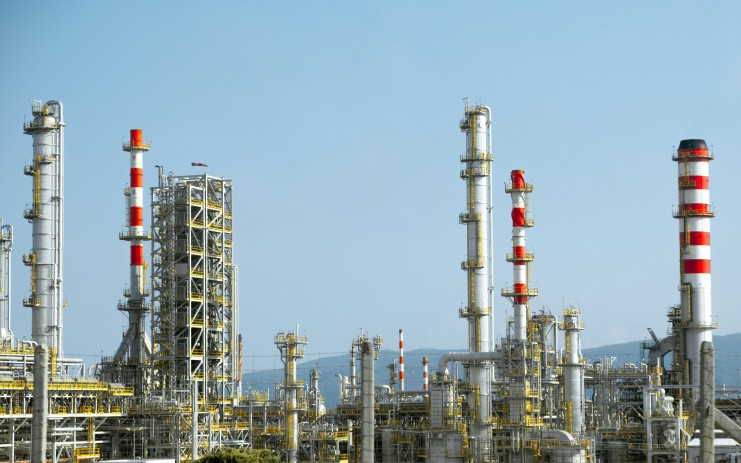
Complex refinery emissions, harsh flue gas, and demanding compliance requirements can make CEMS difficult to maintain. A properly designed system
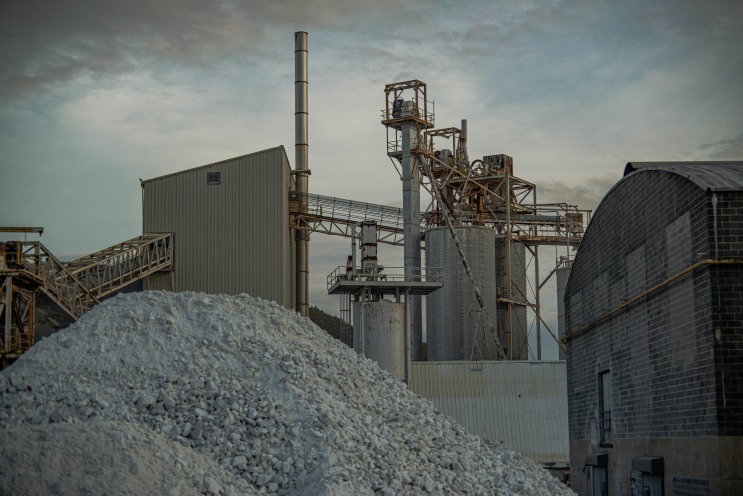
Your CEMS keeps failing because cement kiln exhaust is hot, dusty, and corrosive. Frequent maintenance increases costs, interrupts production, and
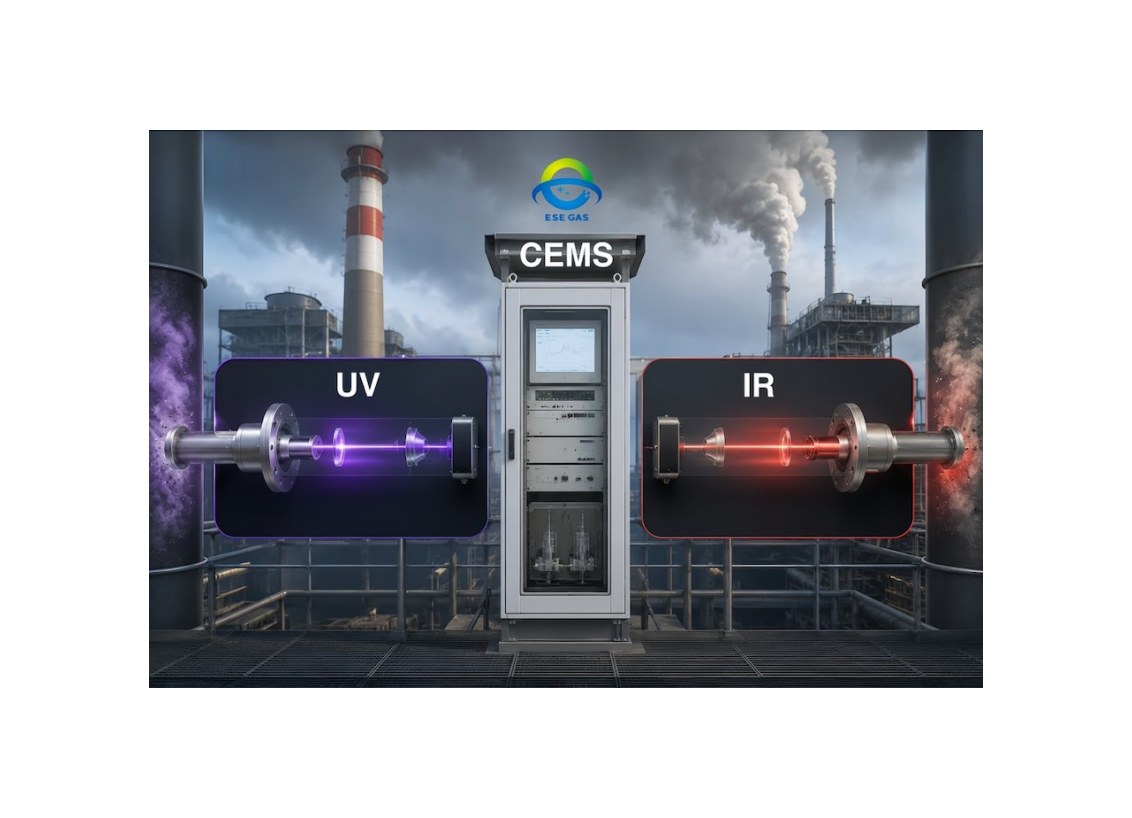
A continuous emission monitoring system (CEMS) does more than measure flue gas. It directly affects compliance, reporting accuracy, and operational
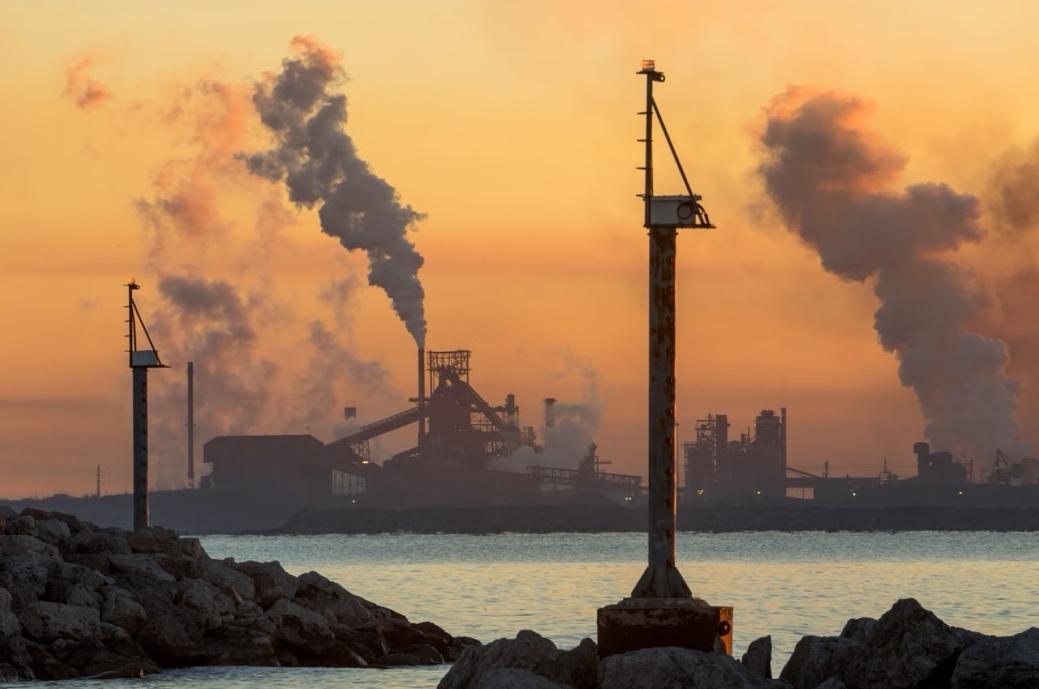
Carbon accounting sounds straightforward until real plant conditions begin to interfere with neat theoretical calculations. Many industrial operators still rely
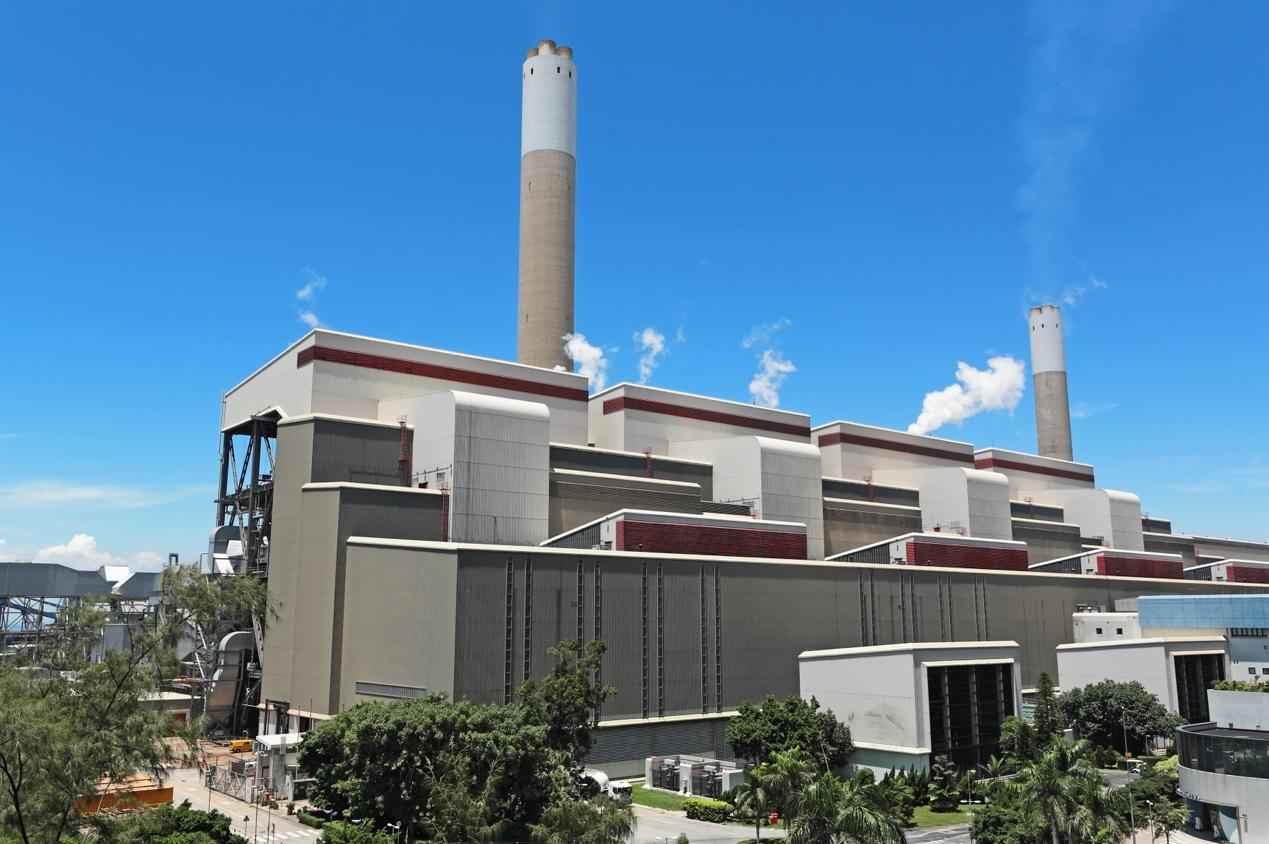
When an online monitoring system like CEMS runs 24/7, weather doesn’t just “change the scenery”—it can quietly change your numbers.
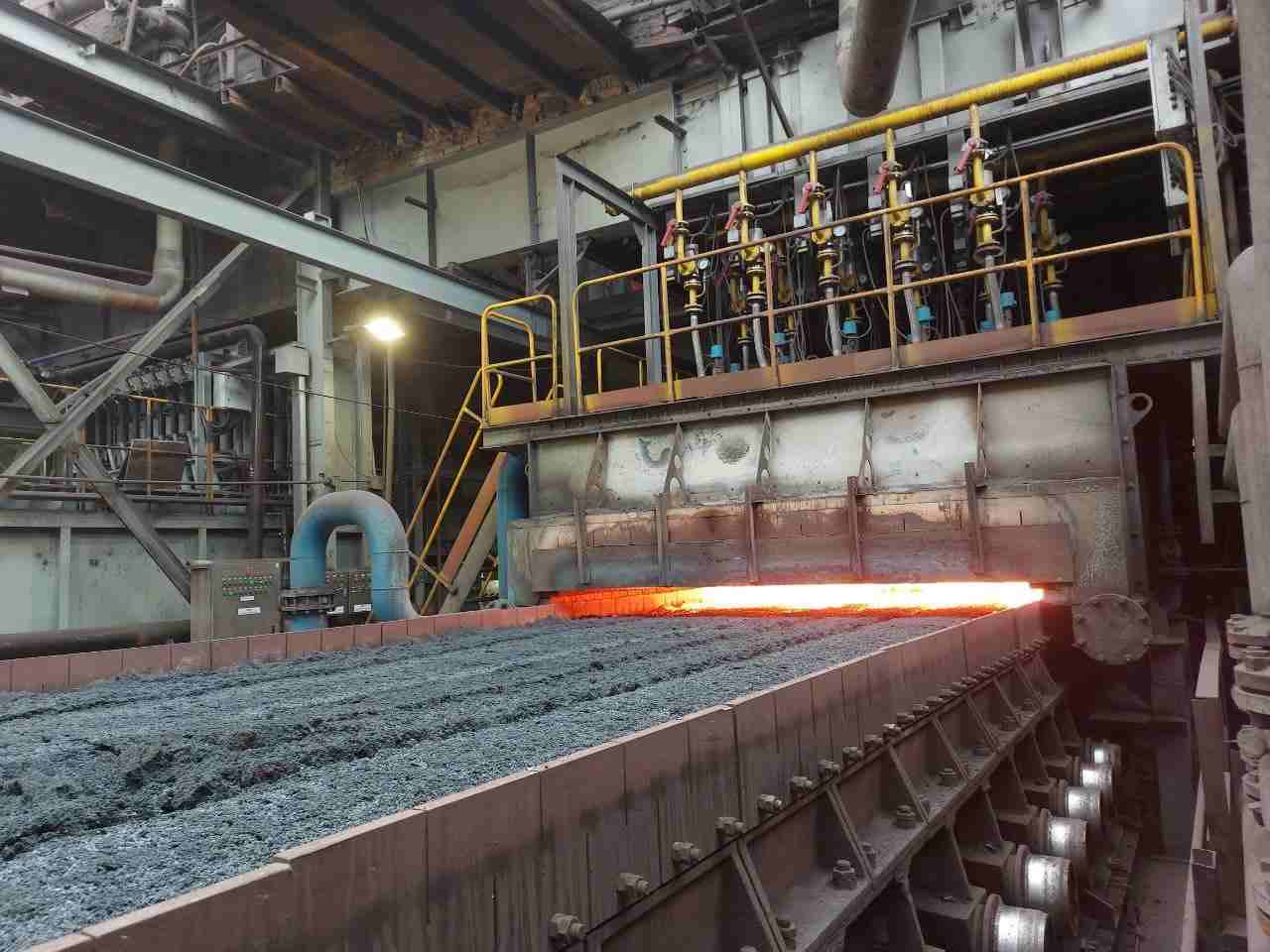
In a steel mill, standard laboratory-grade sample gas coolers break down quickly. These units work fine in clean labs, but
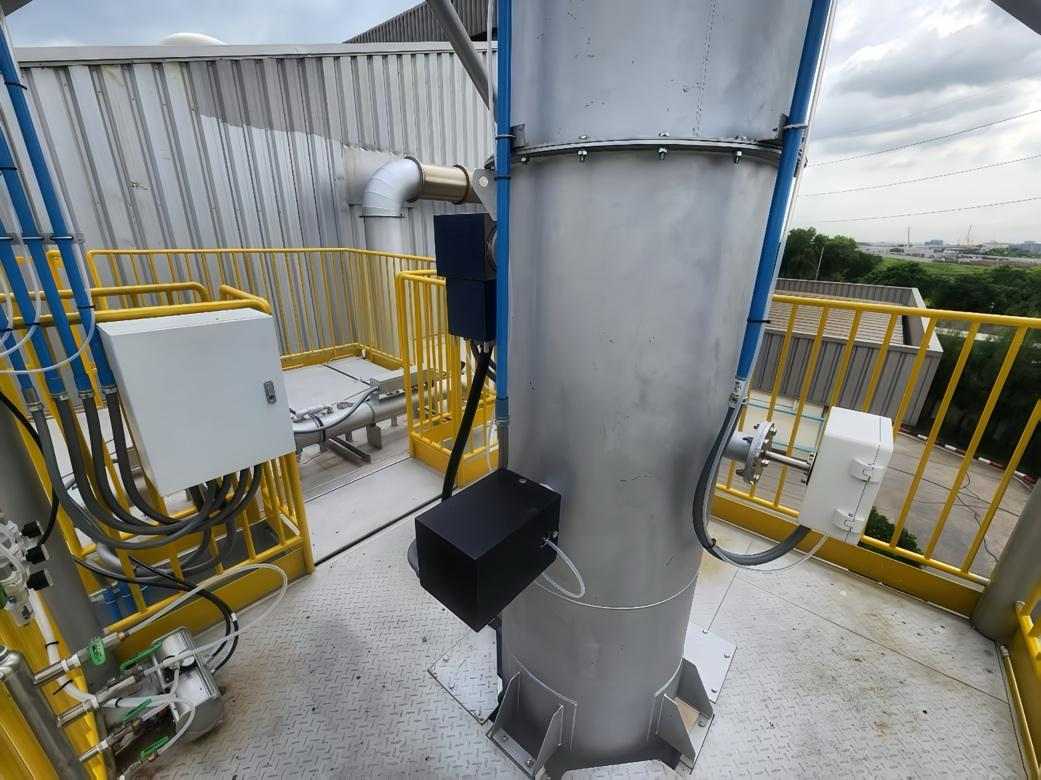
A sample gas conditioning system plays a crucial role in any extractive Continuous Emissions Monitoring System (CEMS). After stack gas leaves
In steel mills, combustion and emissions control take place under extreme heat and heavy industrial stress. Accurate measurement of flue

Industrial processes face challenges in efficiency, regulatory compliance, and environmental sustainability. Monitoring emission gases provides a clear pathway to overcome
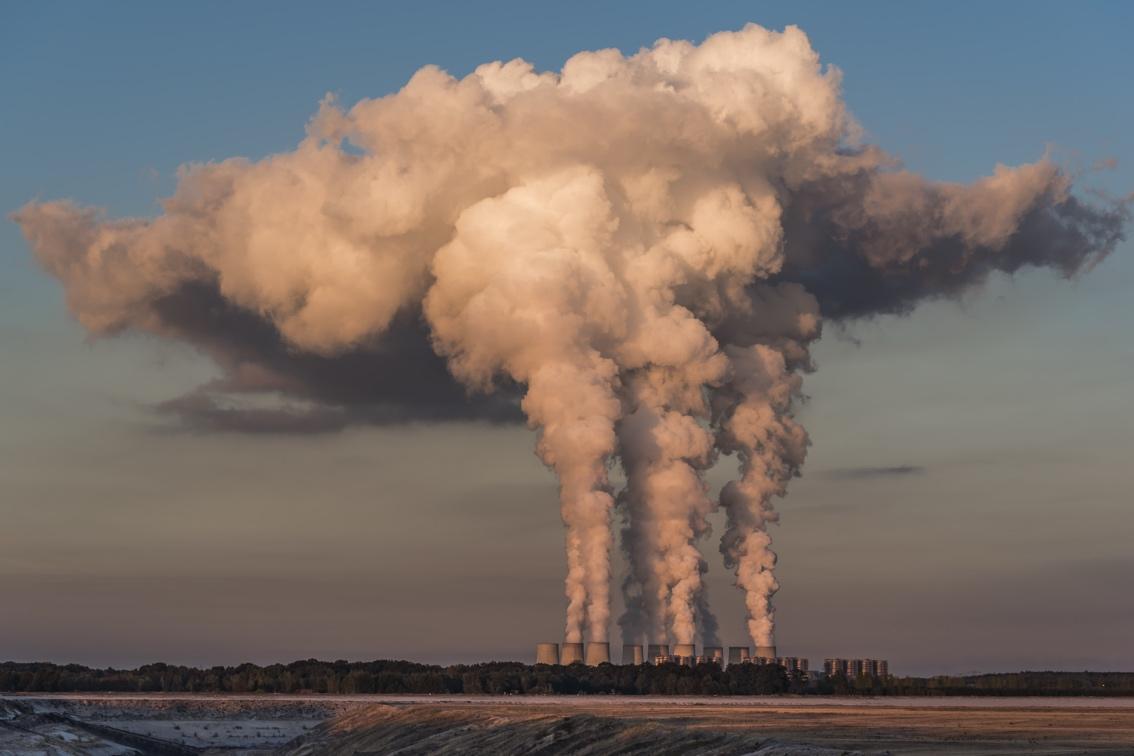
Dust particulate matter (PM) in our stacks and ducts carries more than just visible grit. It represents a direct bridge
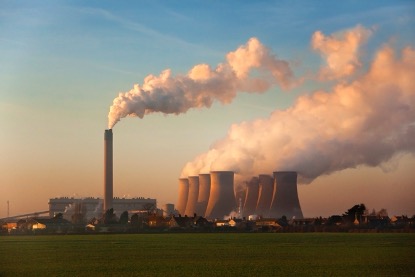
In an era of increasingly stringent environmental regulations, industrial plants must ensure accurate, reliable emission measurements. Yet, when selecting a
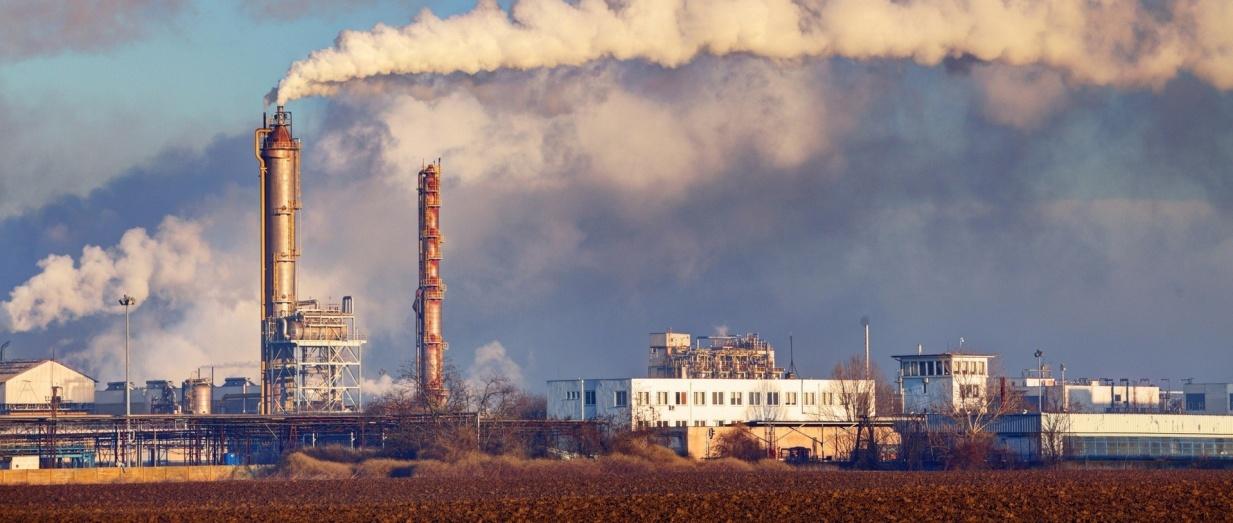
Industrial emissions are under stricter scrutiny than ever before. Manual reporting and outdated sampling methods leave companies vulnerable to fines,
We will contact you within 1 working day, please pay attention to the email with the suffix “[email protected]” .