



In a pulp mill that uses gasification or cogeneration, syngas is the hot fuel gas produced from steam and oxygen reacting with biomass. Syngas typically contains hydrogen (H₂), carbon monoxide (CO), carbon dioxide (CO₂), and methane (CH₄). These gases vary with feedstock and process conditions. A syngas analyzer continuously measures such components so operators know the exact gas mix at any moment. This real-time view helps maintain combustion efficiency and fuel quality and supports process control decisions.
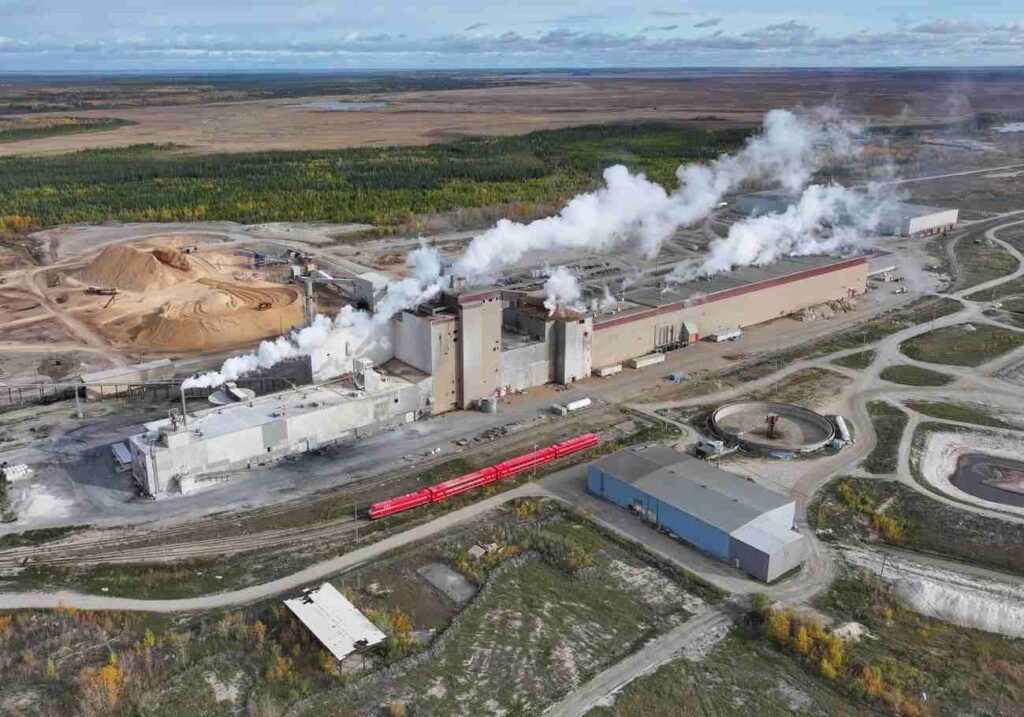
Syngas composition in a pulp mill context is not just a number. It drives energy use and firing stability in lime kilns or combined heat and power systems. If the gas quality shifts, turbines or burners may lose power or efficiency. Unchecked variations can even cause unsafe combustion or excess emissions, making measurement indispensable for modern mills picking gasification as part of their energy strategy.
This article will show you how to compare syngas analyzers from both technical and operational perspectives. You will learn key criteria for selection, why some technologies work better in pulp mill environments, and what common pitfalls to avoid when buying an analyzer. By focusing on practical selection factors and plant needs, you will gain the clarity to choose the right emission analyzer for your pulp mill’s process monitoring.
What Key Criteria Should You Evaluate When Choosing a Syngas Analyzer?
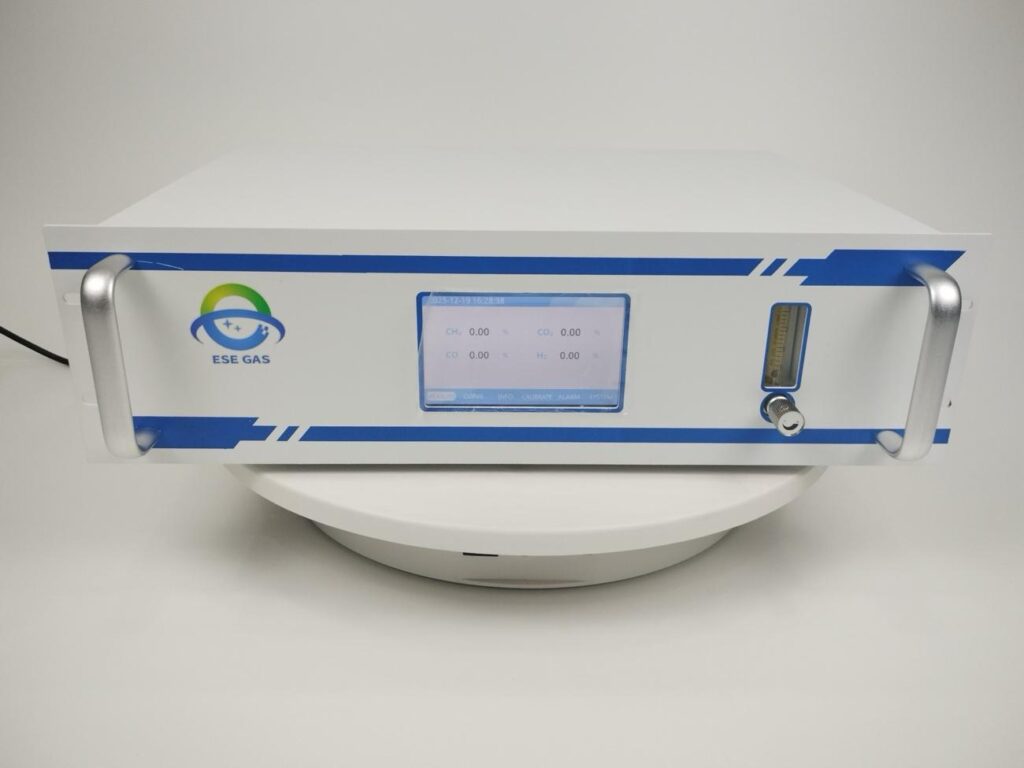
Target Gas Components & Measurement Needs
A good syngas analyzer must detect all the gases that matter in a pulp mill’s gasification or heat recovery system. Typical target gases include hydrogen (H₂), carbon monoxide (CO), carbon dioxide (CO₂), methane (CH₄), oxygen (O₂) and trace contaminants like hydrogen sulfide (H₂S). Each of these gases tells you something different about process health, fuel quality and safety. For example, O₂ helps confirm combustion balance, while H₂S indicates corrosion or emission risks. Detecting each component accurately prevents costly misinterpretation of process data.
Measurement Accuracy & Detection Limits
When monitoring syngas, accuracy matters. Some analyzers report gas levels in percent (%), while others can measure in parts-per-million (ppm) for tighter control and early warning. “±1%” accuracy might work for routine combustion monitoring, but ppm-level precision becomes crucial when managing emissions or protecting catalysts from contamination. Pulp mill gas streams often vary with moisture, tar and feedstock changes, so analyzers must stay reliable across a wide range of conditions.
Response Time & Real-Time Control
Fast feedback keeps your process in control. If an analyzer updates data only every few minutes, your control system may lag behind real process swings. Ideally, a syngas analyzer should deliver fresh readings in seconds, supporting closed-loop adjustments to gasifier conditions or burner controls. Faster response boosts plant efficiency and lowers the risk of unstable operation due to delayed data.
Sensor Stability & Drift Characteristics
Analysts in a pulp mill must handle continuous 24/7 operation. Sensor stability — how little the reading drifts over time — is a key metric. A device with low drift reduces false alarms and extended calibration intervals, saving maintenance costs and minimizing downtime. Stable sensing elements also help ensure consistent quality control and long-term confidence in process data.
Interference & Cross-Sensitivity Management
Syngas contains many gases that can interfere with one another in an analyzer. For example, high CO₂ can skew the measurement of other species if the analyzer isn’t built to compensate. That’s why many modern analyzers combine multiple sensing technologies — such as NDIR for CO, CO₂ and CH₄, electrochemical cells for O₂, and thermal conductivity for H₂ — to minimize cross-sensitivity and deliver cleaner data.
Environmental & Operating Conditions
Pulp mill syngas streams can have moisture, tar droplets, dust and variable temperatures. These conditions challenge sensor longevity and accuracy. A practical analyzer must pair with rugged sample conditioning — such as gas coolers, filters or tar removal units — to protect the sensing modules. A robust physical design ensures consistent performance in harsh industrial environments common to gasification and cogeneration systems.
What Syngas Analyzer Technologies Should You Compare for Pulp Mill Monitoring?
Common Syngas Analyzer Technologies
Syngas analyzers use different sensing technologies to measure gas mixtures in real time. The most common method is NDIR (Non-Dispersive Infrared). NDIR excels at measuring gases like CO, CO₂ and CH₄ with fast response and low drift. However, NDIR may struggle with some light gases like H₂ without correction. To cover all major syngas components, manufacturers pair NDIR with TCD (Thermal Conductivity Detectors) for hydrogen and electrochemical sensors for oxygen. These hybrid systems improve overall accuracy across varied concentrations. Combining detectors ensures broad coverage of syngas compositions in pulp mill conditions.
Typical Deployment Scenarios in a Pulp Mill
In a pulp mill, you may install a syngas analyzer at different stages of the gas handling and control process. Placing an analyzer just after the gasifier helps operators monitor raw syngas quality and detect process swings early. Tracking the H₂/CO ratio provides vital information for combustion stability and downstream catalytic reactions. Some setups also feed analyzer outputs into control loops to adjust airflow, fuel feed or scrubbing systems automatically. In more advanced configurations, analyzer data triggers downstream actions like heat exchanger tuning or emission scrubber control.
Calibration & Maintenance Burden
Most syngas analyzers require periodic calibration and routine upkeep to maintain accurate readings. Simple NDIR and TCD systems may need calibration gas checks several times per year. Hybrid systems that combine multiple sensors can sometimes reduce calibration frequency, but they still demand scheduled maintenance to verify sensor drift and prevent faults. The calibration schedule directly influences uptime — too frequent calibration can interrupt continuous monitoring, while inadequate maintenance can degrade data quality. Choosing analyzers designed with auto-zeroing features and modular sensor layouts can cut service time and reduce operational costs.
What Practical Checklist Should You Use Before Buying a Syngas Analyzer?

Before investing in a syngas analyzer for pulp mill monitoring, it helps to organize your needs into a clear checklist. This ensures you compare options based on real process demands and plant goals. Below is a practical table you can use to evaluate candidate analyzers and avoid costly mistakes.
| Checklist Item | Key Questions |
| Target gases required | Which gases must the analyzer measure (e.g., H₂, CO, CO₂, CH₄, O₂, H₂S)? |
| Required accuracy & detection limits | Do you need ppm-level sensitivity or percent-level accuracy? |
| Response time target | How fast should the analyzer update readings? |
| Environmental constraints & sample conditioning | Will moisture, tar, dust or heat affect the sensors? |
| Integration & data compatibility | Can the analyzer connect to DCS/SCADA, PLC, 4-20 mA, RS485? |
| Safety certifications required | Do you need ATEX, IECEx, or other hazardous-area ratings? |
| Calibration & maintenance plan | How often does it need calibration and upkeep? |
| Support & warranty offerings | What service options and warranty coverage apply? |
How to Use This Checklist in Your Evaluation
Start by assigning priority levels to each item based on your plant’s needs. For example, if emission compliance is critical, accuracy and certification items should score highest. If your pulp mill runs continuously, low maintenance and strong support matter more. Once you score each candidate analyzer, you can rank them objectively and see which fits your process best.
Conclusion
Choosing the right syngas analyzer for your pulp mill means balancing technical fit with real cost. You now understand the key features needed for accurate, reliable process monitoring. But how much should you expect to invest, and why shouldn’t price be your only guide?
Industrial syngas analyzers vary widely in price depending on capability and sophistication. Fixed, online systems designed for continuous monitoring can range from roughly $13,000 USD to over $22,000 USD or more for high-durability units with robust housings and multiple gas channels. At the lower end, simpler or portable multi-gas analyzers with basic syngas detection can cost several thousand dollars, while compact field units or lab analyzers may even come in below that. Keep in mind that these figures are rough market examples — final quotes often reflect configuration, sample conditioning, and vendor support packages.
Ready to take the next step? Compare the options you’ve shortlisted against your checklist and engage with ESEGAS to confirm details that matter most for your plant.
FAQs:
1. What gases should a syngas analyzer measure in a pulp mill?
A syngas analyzer for pulp mill process monitoring should measure key constituents of synthesis gas such as hydrogen (H₂), carbon monoxide (CO), carbon dioxide (CO₂), methane (CH₄) and oxygen (O₂). Many systems also detect trace contaminants like hydrogen sulfide (H₂S), which can impact fuel quality and emissions compliance. Measuring these gases together gives a complete picture of process conditions and helps optimize combustion and energy recovery.
2. Why is continuous real-time syngas analysis better than periodic lab testing?
Real-time syngas analyzers provide immediate data on gas composition, which operators can use to make fast process adjustments. Lab testing may take hours before data returns, which can delay corrective actions and reduce efficiency. Continuous online analysis supports automated control systems and enhances safety by spotting trends or excursions as they occur.
8. What is the difference between portable and fixed syngas analyzers?
Portable syngas analyzers offer flexibility for field checks, commissioning and troubleshooting, while fixed analyzers provide continuous online monitoring integrated into plant automation systems. Portable units are useful for spot checks or temporary analysis, but continuous systems give more consistent operational insight for control and compliance.
4. Can syngas analyzers work in hazardous zones in a pulp mill?
Yes, many industrial syngas analyzers are designed with safety certifications such as IECEx or ATEX for use in hazardous areas where flammable gases may be present. Choosing the right rated model is critical to prevent explosion risks while maintaining accurate gas measurements.
5. What technologies do modern syngas analyzers use?
Modern syngas analyzers often combine multiple detection principles. For example, NDIR sensors measure CO, CO₂ and CH₄; TCD sensors handle H₂; and electrochemical or paramagnetic sensors measure O₂. Hybrid designs reduce cross-sensitivity and improve data reliability in complex gas mixtures.
6. Do syngas analyzers require sample conditioning systems?
Yes, syngas streams can carry moisture, tar, particulates and corrosive compounds that can degrade analyzers. Sample conditioning systems — such as gas coolers, filters and desiccants — help clean and prepare the gas before analysis. This protects sensors and improves measurement stability and longevity.