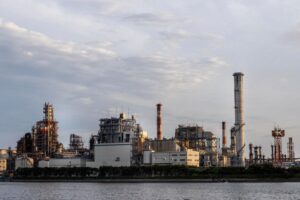




When an online monitoring system like CEMS runs 24/7, weather doesn’t just “change the scenery”—it can quietly change your numbers. A sandstorm can trigger a sudden particulate spike that looks like a real exceedance. A heatwave can push analyzers into drift and make a perfectly normal day look chaotic. Then the worst part: once the alarm is raised, you’re stuck explaining “why” under time pressure, with regulators and internal stakeholders watching. At ESEGAS, we’ve seen that most climate-related incidents are preventable—if you treat climate as a design and operations variable, not an afterthought.
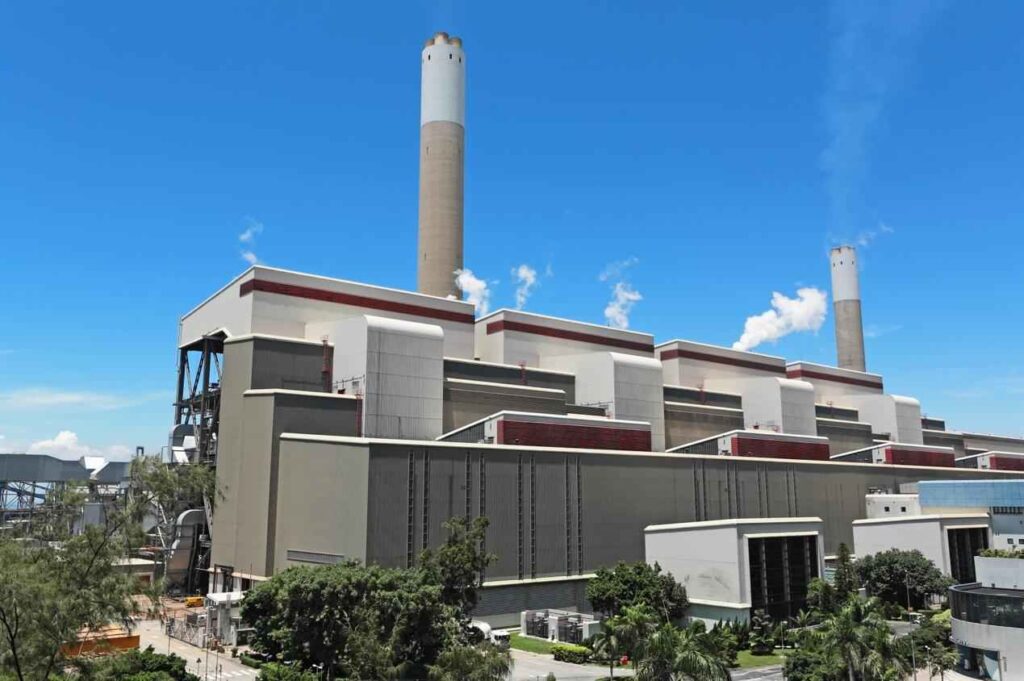
Climate affects online monitoring primarily through particulate interference, temperature/humidity-driven sampling distortion, electrical surges from lightning, and physical intrusion from wind and rain; the most effective response combines engineered protection (sealing, filtration, heating/insulation, dehumidification, lightning protection), real-time status parameter monitoring, dynamic maintenance triggered by weather alerts, and a complete compliance evidence trail for every anomaly and intervention.
If you already know “weather can influence data,” the real value is in the next layer: how to tell true exceedance from false abnormality, how to reinforce the weak links in the sampling–pretreatment–analysis chain, and how to document everything so your data remains not only accurate, but also explainable and defensible.
Why do spring winds and sandstorms trigger “false exceedance” alarms—and how do we prevent them?
A windy day shouldn’t become a compliance crisis, but that’s exactly what happens when airborne dust finds its way into places it doesn’t belong. We’ve seen sites where the process is stable, yet particulate readings surge dramatically—followed by frantic calls, repeated cleaning, and awkward incident reports. The root problem is usually not the stack emission itself, but the environment infiltrating the monitoring chain and contaminating optics, sensors, and gas paths.
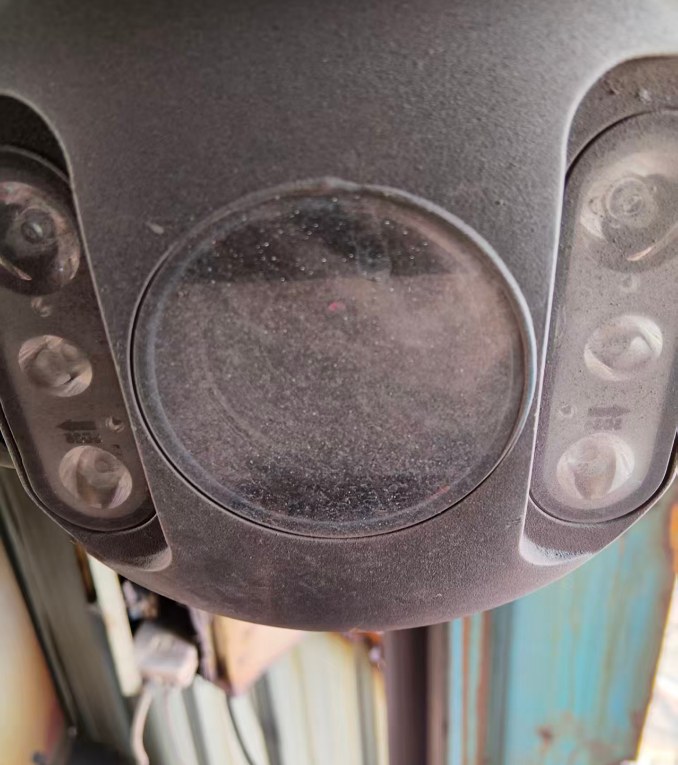
Here’s how we at ESEGAS recommend hardening your system against spring wind/sand events (especially for CEMS particulate channels and any optical components):
- Strengthen physical sealing before the season starts
Check doors, windows, cable glands, roof joints, and all penetrations. Small leaks become dust highways in high-wind conditions. - Upgrade filtration logic, not just filters
Add staged filtration where dust load is high (coarse + fine), and define replacement/cleaning triggers based on pressure drop or visual inspection—not just calendar cycles. - Protect optical paths and moving parts
Dust accumulation on lenses/mirrors reduces signal strength; dust on pumps/valves accelerates wear; static buildup can raise electrical risk. Schedule post-sandstorm inspection for optics, fans, pump assemblies, and electronics cabinets. - Differentiate “environmental intrusion” from “real emission change”
Correlate spikes with wind/sand alerts, camera views (platform and intake areas), and process stability indicators. If the process is steady but readings jump abruptly, treat it as an intrusion investigation—then record the logic used. - For wastewater online monitoring
Dust can elevate suspended solids or clog sample lines. Protect sampling points, add barriers where feasible, and increase cleaning frequency after heavy dust days.
Why does haze and stagnant spring weather raise maintenance pressure—and how do we avoid blockage-related anomalies?
Stagnant, polluted air doesn’t only stress the city; it stresses your monitoring system. During haze episodes, oversight often becomes stricter, expectations rise, and your system is expected to remain “perfect” under tougher scrutiny. Meanwhile, certain process conditions (like denitrification strategies) can increase ammonia slip, and under cool, humid conditions that slip can contribute to sticky deposits and serious blockages.
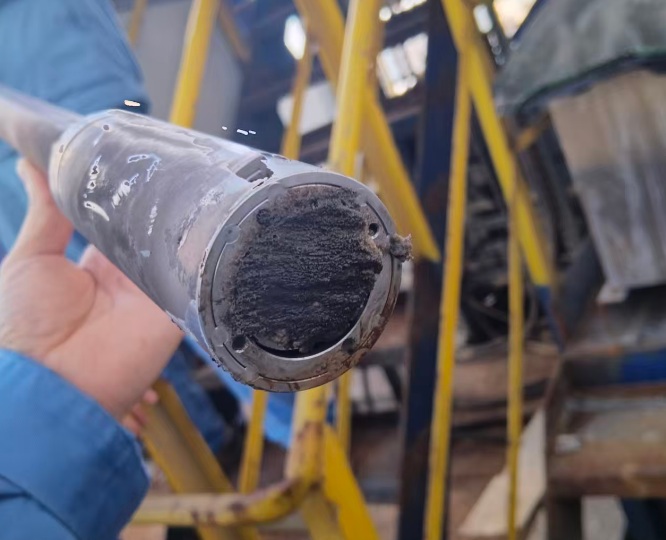
To keep CEMS stable during haze/stagnation periods, we focus on two threads: operational readiness and anti-blockage discipline.
- Prepare for higher audit intensity
During control periods, plan for more frequent checks, quicker response, and tighter reporting. Pre-emptively verify calibration status, response times, and data continuity. - Watch for deposit formation and progressive restriction
Blockages often show up first as subtle trends: rising differential pressure, unstable flow, delayed response, or intermittent humidity anomalies. Treat these as early warnings, not minor quirks. - Optimize cleaning and replacement intervals dynamically
Fixed schedules fail during abnormal weather. For high-risk weeks, shorten maintenance intervals for filters, probe elements, and any high-fouling segments. - Document what you did and why—immediately
If haze triggers unusual maintenance needs, the record matters as much as the wrench work. We recommend logging the weather condition, observed symptoms, corrective action, and verification checks (before/after).
How does summer heat cause drift and reagent failure—and what’s the most practical control plan?
Heat is the quiet destabilizer. When station room temperature climbs above comfortable limits, analyzers can drift, signals can fluctuate, and automatic checks can fail—not because your method is wrong, but because the environment has pushed the instrument outside stable operating conditions. For sites using wet-chemistry methods (common in wastewater analyzers), high temperature can also accelerate reagent evaporation or degradation, turning routine QA/QC into repeated failures.
For CEMS and station-based analyzers, we at ESEGAS apply a “keep the environment boring” strategy:
- Treat room temperature control as a critical component—not facility comfort
Maintain cooling capacity, clean air-conditioner filters, verify airflow, and ensure backup plans for peak heat days. If the room exceeds ~35°C, drift risk rises sharply. - Monitor internal instrument temperatures, not only room temperature
Electronics and optical sources age faster under heat. Use status parameters (internal temp, power stability, baseline metrics) as leading indicators. - Tighten QA/QC frequency during heat waves
Increase calibration or verification checks when heat alerts are active. The goal is early detection of drift before it becomes a reportable incident. - For reagent-based systems
Store reagents properly (often cooler conditions), shorten replacement cycles in peak summer, and verify auto-calibration performance with real-world checks.
Where does lightning damage actually enter the system—and how do we build real surge resilience?
Many sites install external lightning protection and assume the job is done—until a storm arrives and core components fail anyway. In reality, surge energy often travels through power lines, signal lines, and interconnected metallic paths, reaching analyzers, data acquisition units, and industrial PCs. Even if nothing “burns,” brief disruption can cause reboots and create unexplained peaks or gaps.
For CEMS summer thunderstorm seasons, ESEGAS recommends a system-level approach:
- Layered surge protection
Use coordinated protection for power supply and signal communication lines, not just one device at the entry point. Protection must match your wiring topology. - Grounding and equipotential bonding done correctly
Poor grounding defeats protection hardware. Validate grounding integrity and continuity, and avoid accidental ground loops. - UPS strategy based on actual load and required continuity
If power interruptions trigger data loss alarms, ensure the UPS is sized and maintained for the monitoring chain, not just a subset of devices. - Post-storm verification checklist
After strong lightning activity: check status logs (reboots, communication drops), confirm calibration integrity, and review any abnormal peaks with timestamp correlation to storm events.
How do typhoons and heavy rain create short circuits, sampling anomalies, and “unexplainable” data?
Extreme wind and rain do three things at once: they physically damage enclosures, they force water into places it shouldn’t go, and they alter process/sampling dynamics. We’ve seen rainwater intrude along cables or heated sampling lines due to poor routing (including “U-shaped” sections that trap water), leading to short circuits or internal corrosion. Strong convection can also change stack pressure conditions, reducing sampling flow and destabilizing readings.
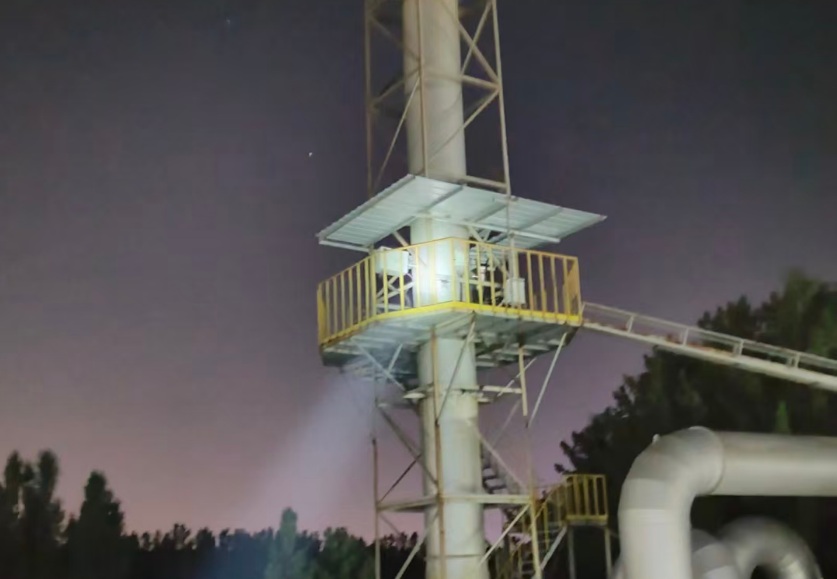
To keep CEMS robust in storm season, we focus on intrusion prevention and abnormal-condition logic:
- Water ingress prevention by design
Use proper cable glands, seal penetrations, avoid water-trapping routing, and inspect rain shields. Practical rain protection beats flimsy canopies. - Protect low-lying stations
If flooding is possible, elevate critical equipment, reinforce foundations, and plan drainage paths. - Sampling robustness under pressure fluctuations
Confirm your system can maintain stable sampling under varying stack negative pressure; monitor flow and pressure parameters continuously. - Wastewater-specific risks
Heavy rain can dilute influent, producing zero/constant readings, or it can mask illegal discharges timed with storms. Data interpretation must incorporate rainfall context and any upstream network behavior.
Why does autumn high humidity push some gases low and fog optical lenses—and how do we stabilize performance?
High humidity is not just “wet air”; it’s a measurement stress test. When flue gas moisture approaches saturation, pretreatment systems work harder, and even a functioning condenser can struggle to remove enough water. Water-soluble gases can be partially lost into condensed water, creating measurements that appear artificially low. Meanwhile, optical particulate instruments can suffer from lens condensation, causing severe signal attenuation or zero-like readings.
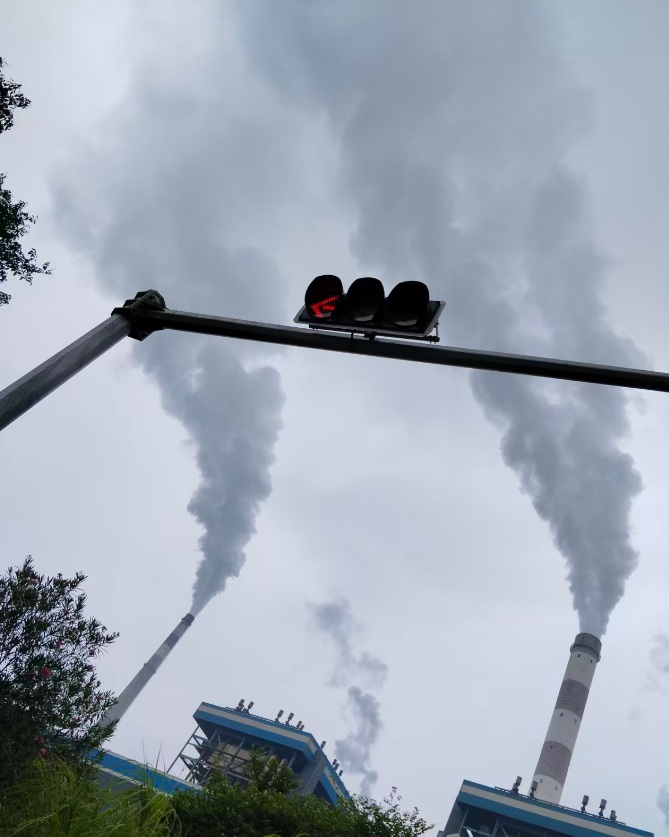
For CEMS in prolonged rainy, humid seasons, ESEGAS recommends:
- Dehumidification as standard operating condition
Run dehumidifiers continuously in the station, and routinely check for roof or wall seepage. - Increase verification frequency for vulnerable parameters
In high humidity months, strengthen calibration/verification for gases prone to moisture effects and add manual comparisons where feasible. - Keep purge air clean, dry, and stable for optical instruments
Lens anti-fog performance depends on purge gas quality and pressure stability. Treat purge lines as precision subsystems. - Use “after blowback rise” as a diagnostic clue
If readings jump after probe blowback, it may indicate moisture-related losses or deposition effects—log it and investigate systematically.
How does winter freezing cause blockages and downtime—and how do we make heating/insulation verifiable?
Winter failures often look sudden (“no flow,” “system stop,” “data zero”), but the causes are usually slow: insufficient heating power, partial insulation gaps, cold spots at probe roots or joints, ice formation at interfaces, frozen drains, or iced exhaust lines causing backpressure. Snow adds another layer by making access difficult and increasing safety risk for maintenance teams.
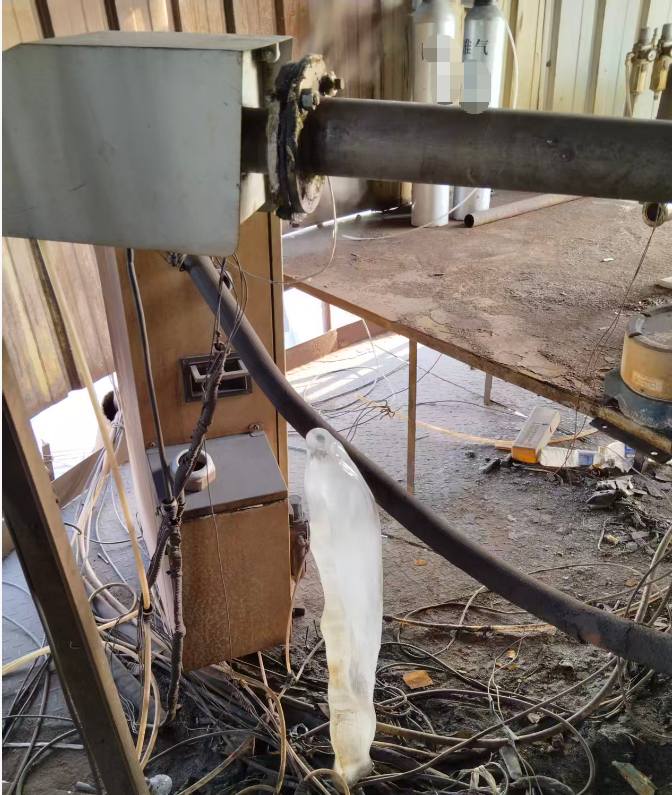
To keep CEMS running through freezing conditions, ESEGAS uses a “verify heat, don’t assume heat” doctrine:
- Pre-winter inspection of all heating and insulation
Check heat tracing continuity, insulation integrity, and control settings—then verify actual temperature distribution. Many sites use infrared temperature checks to confirm heating uniformity. - Target the common freeze points
Probe filters, condensers, drains, exhaust lines, interfaces, and any segment where liquid can accumulate deserve extra insulation or heating reinforcement. - Maintain station ambient temperature within instrument limits
Raise heating setpoints when necessary so analyzers stay within their operating window and cold traps don’t malfunction. - Keep drains flowing and prevent water accumulation
Regular manual draining (where applicable) prevents the “stored water becomes ice” chain reaction. - Plan maintenance with safety and access reality
If roads ice over, ensure remote monitoring is intensified, critical spares are stocked, and safety comes first for field personnel.
What does a “climate-resilient” online monitoring architecture look like in practice?
Seasonal tactics help, but resilience comes from the framework. At ESEGAS, we summarize climate resilience for CEMS and online monitoring into four pillars that work together:
- Design prevention
Use local long-term climate data and extreme-condition assumptions to guide station location, enclosure structure, equipment grade selection, heat-tracing calculations, lightning protection level, and waterproof strategy—so the system is strong from birth. - Intelligent monitoring
Shift attention from “only concentration values” to “process parameters and device health.” Track internal temperature, key heat-tracing temperatures, power stability, communication status, filter differential pressure, condenser temperature, flow and pressure stability—so you intervene before failure. - Dynamic maintenance
Replace rigid calendar-only maintenance with tasks triggered by weather alerts and equipment condition. Heatwave alert? Verify cooling and critical drift checks. Cold wave alert? Heat-tracing inspection. Dust alert? Optics and filtration checks. This converts emergencies into planned actions. - Evidence and compliance
Every maintenance action, anomaly handling, and data explanation should form a complete, tamper-resistant evidence chain. This is both technical discipline and compliance armor—especially when weather and regulation pressure collide.
Conclusion
Climate is unavoidable, but “climate-driven data chaos” is not. When we design protection into the station, monitor the right status parameters, run maintenance dynamically around weather risk, and keep a rigorous evidence trail, online monitoring stays stable, accurate, and explainable in every season. At ESEGAS, we build these practices into our project planning, installation guidance, and operational support so your monitoring system—especially your CEMS—can remain reliable even when the weather is not.