



When players of Escape From Tarkov see the term gas analyzer, many wonder what it would look like if that item worked like a real industrial measurement instrument. In the game, the item is described as a device for measuring gas mixtures, but it doesn’t behave like a functioning analytical tool and is instead a quest object with no actual sensing output.
People search this topic because they want clear answers on what the gas analyzer in Tarkov is meant to represent and how that compares to how true gas analyzers work in industry. They want to understand if the in-game object behaves like a real gas analyzer or gas detector, and whether any real measurement principles apply.
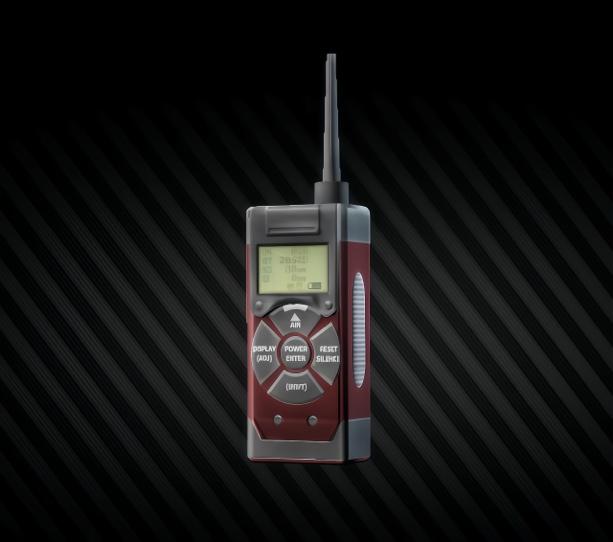
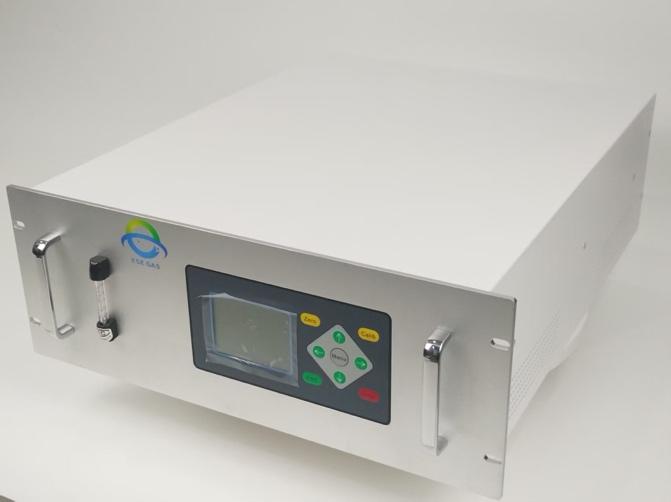
The item in Tarkov feels more like a generic handheld gadget than a calibrated industrial instrument. In contrast, real gas analyzers — especially stack gas analyzers used for emissions monitoring — are complex systems that draw, condition, and analyze gas samples with precise sensors. In this article, we’ll clearly compare the functionality, technology, purpose, performance, and real-world applications of the gas analyzer in Tarkov with genuine stack and industrial gas analyzers. After reading, you’ll understand the key technical differences and what real gas analysis actually involves, setting up the more detailed comparison in the next section.
What Are the Gas Analyzer in Escape From Tarkov and a Real Industrial Gas Analyzer?
- Gas Analyzer in Escape From Tarkov
In Escape From Tarkov, the gas analyzer is a lootable electronic item players collect for quests. It appears as a small device labelled as a “measuring device for qualitative and quantitative composition of gas mixtures,” but in gameplay it has no real sensing capability or data output. It does not monitor or report actual gas concentrations — it simply functions as a required game object to progress tasks in the quest system.
By contrast, a real handheld gas detector is a purpose-built instrument with actual sensors, calibration systems, and output functionality. For example, we assume the real handheld gas detector can simultaneously measure up to six gases, including oxygen (O₂), carbon monoxide (CO), hydrogen sulfide (H₂S) and volatile organic compounds (VOCs), using a combination of electrochemical cells, photoionization detectors (PID), and infrared sensors. It uses a built-in sample pump to draw air through sensors and then displays real concentrations with alarms and data logging. This is true gas measurement science, not just a descriptive text label.
While the Tarkov gas analyzer simply represents the concept of measurement, the real handheld gas detector actually measures gas in the field. This real portable detector serves safety purposes — alerting workers to dangerous gas levels during confined space entry, leak checks, and industrial inspections — something the in-game item cannot emulate.
Transitioning from this handheld detector example, let’s now look at real industrial gas analyzers used online for emissions and process monitoring at scale.
- Real Industrial Gas Analyzer (ESEGAS UV-GAS-500 Online UV-DOAS Gas Analyzer)
A real industrial gas analyzer may apply electrochemical, non-dispersive infrared (NDIR), tunable diode laser, ultraviolet differential optical absorption spectroscopy (UV-DOAS), and other gas sensing technology sensors- each designed for specific gas. We examplify with the ESEGAS UV-GAS-500 online UV-DOAS gas analyzer. It is used in continuous emission monitoring systems (CEMS) to quantify pollutant gases from industrial stacks or flue gas streams. These analyzers are far more complex than handheld detectors because they operate continuously, are integrated into plant systems, and report precise concentrations tied to regulatory compliance and process control.
Technical Definition:
The ESEGAS UV-GAS-500 uses ultraviolet differential optical absorption spectroscopy (UV-DOAS) to measure gases such as sulfur dioxide (SO₂), nitric oxide (NO), and nitrogen dioxide (NO₂) in flue gas. UV-DOAS works by passing ultraviolet light through a gas sample and measuring how much light each gas absorbs at specific wavelengths. This allows the analyzer to identify and quantify multiple gases in real time with high sensitivity.
Sensors:
Unlike simple point detectors, the UV-GAS-500 integrates optical UV sensors specifically designed for flue gas components. These sensors are arranged to detect multiple species simultaneously and output stable, calibrated data through industrial interfaces like 4-20 mA or RS485. The system also often includes temperature and pressure sensors to condition the sampled gas before analysis, ensuring robust measurement even in harsh stack environments.
Operational Workflow:
In a typical CEMS deployment, a sample of flue gas is continuously extracted from the stack and passed through conditioning equipment to remove moisture and particulates. The analyzer then measures target gas concentrations and feeds the results into a data acquisition system. This setup allows plant operators to monitor emissions continuously, maintain regulatory compliance, optimize combustion processes, and track trends over time.
This industrial gas analyzer not only detects gas but also integrates with downstream systems for real-time reporting and control, making it indispensable in environmental and production monitoring. In the next section, we’ll directly compare the functionality and use-cases between these devices and explain why they serve completely different purposes in practice.
What Are the Key Technical Differences Between a Handheld Detector and an Industrial Gas Analyzer?
1. Purpose & Role
The real gas detector is a portable safety tool designed for field use. It monitors up to six gases at once to protect workers during confined space entry, leak detection, hazardous response, and routine checks. It alerts users with alarms when gas levels exceed set limits and helps ensure immediate safety in industrial environments.
In contrast, an industrial gas analyzer like those in stack gas / continuous emission monitoring systems (CEMS) is built for continuous, long-term measurement of specific gases. Instruments such as the ESEGAS UV-GAS-500 provide real-time quantitative data used for process control, environmental compliance, combustion optimization, and research, not just worker alarms.
Both devices measure gases, but their roles differ sharply: one focuses on immediate safety, the other on ongoing analysis and regulatory reporting.
2. Complexity & Components
The real gas detector packs multiple electrochemical, infrared (IR), and PID sensors into a rugged handheld body. It uses an internal sample pump and smart interchangeable sensors to detect toxic, flammable, and oxygen gases on demand.
By comparison, a stack gas analyzer like the UV-GAS-500 integrates optical spectroscopy systems such as UV-DOAS or NDIR for precise multi-component analysis. These systems include light sources, optical cells, detectors, signal processors, and conditioning components to handle high-temperature, dusty flue gases and deliver stable, accurate readings.
Industrial analyzers also link to data networks and control systems, making them far more complex and capable than handheld detectors.
3. Accuracy & Precision
Handheld detectors like the real gas detector provide reliable indications and approximate levels of gases like O₂, CO, H₂S, and VOCs, with accuracy dependent on sensor type and calibration. They serve well for qualitative and safety-level detection but are not designed for tight regulatory accuracy.
Industrial analyzers such as the UV-GAS-500 deliver high precision quantitative measurements, with small margins of error and stable long-term performance. These readings are suitable for emissions reporting and compliance, where results must satisfy regulatory standards and technical audits.
Thus, handheld units are excellent for fast safety checks, while industrial analyzers are engineered for quantitative scientific accuracy.
4. Environmental Context
The real gas detector is built for field mobility — lightweight, rugged, and explosion-proof for hazardous job sites. It operates reliably across typical industrial temperatures and humidity levels and warns users directly on location.
In contrast, a UV-GAS-500 CEMS analyzer is installed in fixed plant environments such as stacks, boilers, and flue gas streams. These systems handle harsh temperature, moisture, and particulate loading, with gas conditioning systems to remove contaminants before measurement — conditions far beyond the scope of a handheld detector.
The design differences reflect their different use cases: portable detectors for immediate on-site safety and fixed analyzers for heavy-duty industrial monitoring.
5. Output & Use of Data
The real gas detector displays instant gas concentrations and alarms via LEDs, buzzer, and vibration. It can store basic data logs for review but is primarily a safety alert tool rather than a comprehensive science instrument.
Industrial analyzers like the UV-GAS-500 output continuous electronic data via 4-20 mA, RS485, or digital networks into plant control systems. This data feeds real-time monitoring, automated controls, trend analysis, compliance reporting, and emissions audits.
In summary, the portable detector warns workers of present danger, while industrial analyzers feed robust, actionable data into broader operational and regulatory systems.
Conclusion
For gamers, the gas analyzer in Escape From Tarkov is a simple collectible tied to quests. It looks like a scientific gadget, but it doesn’t perform real measurements. Understanding this helps players separate game mechanics from real measurement science, and appreciate how real detectors and analyzers actually work on site.
For professionals and students, comparing the game item with real tools offers a chance to deepen technical understanding. You see how gas analysis technologies differ in design, sensors, calibration, data output, and practical value. This insight builds familiarity with industry standards and the real purpose behind devices like multigas detectors and industrial analyzers.
To recap the key technical differences:
- A real gas detector focuses on worker safety with portable sensors and alarms.
- An industrial gas analyzer like a stack or CEMS analyzer delivers continuous, high-precision data for safety, control, compliance, and process optimization.
- These devices differ in purpose, complexity, accuracy, context, and data use, reflecting distinct roles on the plant floor.
If you operate or design industrial facilities, choosing the right analyzer matters for safety and performance. Plant owners and engineers should invest in tailored industrial gas analyzers and complete emission monitoring systems to protect workers, meet regulatory standards, and optimize process efficiency.
FAQs:
1. What does gas analyzer mean in Escape From Tarkov?
In Escape From Tarkov, the gas analyzer is a lootable electronic item that players find for quests. It is described as a device for measuring gas mixtures, and it feels more like a handheld gas detector actually perform real measurements, data output, or sensing if it transfer into real world.
2. How is a real industrial gas analyzer different from the Tarkov gas analyzer?
A gas detector usually exposes a sensor directly to the environment to trigger alarms for unsafe gas levels. A gas analyzer introduces a sample gas into the instrument through controlled methods, uses internal conditioning and calibration systems, and produces precise quantitative readings suitable for compliance and process decisions.
3. What is a gas detector?
A gas detector is a portable, handheld instrument capable of detecting multiple gases simultaneously using real sensors (electrochemical, IR, PID). It alerts users to unsafe gas levels in field environments like confined spaces and leak checks.
4. Should engineers choose a gas detector or an industrial gas analyzer for their facility?
For worker safety and quick field checks, a portable gas detector is ideal. For continuous monitoring, compliance reporting, and process optimization, an industrial gas analyzer integrated into a CEMS is the right choice.