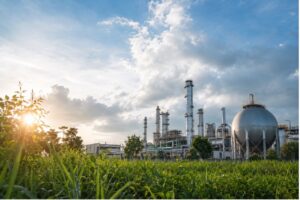




Fresh food loses its value quickly when exposed to the wrong atmosphere. That’s why ensuring the optimal internal gas composition of sealed food packaging is not just recommended — it’s essential. Enter the Gas analyzer.
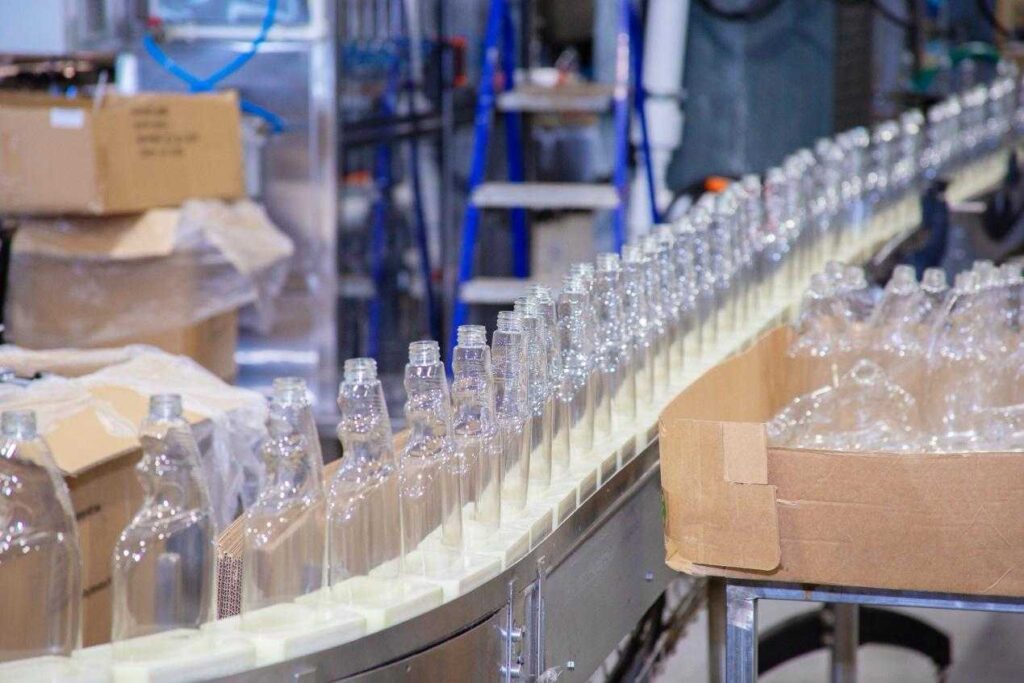
Modern food packaging relies on sophisticated instruments like the Gas analyzer to monitor and control atmospheric composition inside packages, especially for technologies such as Modified Atmosphere Packaging (MAP). Accurate gas analysis ensures extended shelf life, preserved flavor, and reduced spoilage. (esegas.com)
If you already know that gas composition matters in food packaging, you might still under‑estimate how transformative accurate analysis can be. Let’s explore how ESEGAS Gas analyzers are reshaping food quality assurance from production lines to retail shelves.
Why Is Gas Analysis Crucial in Food Packaging?
Spoilage often starts with what you cannot see: the gas environment.
Oxygen accelerates decay and bacterial growth in fresh foods, while gases like carbon dioxide and nitrogen help suppress microbial activity and maintain texture and color. If the internal atmosphere is off — even by small amounts — the product quality and safety can be compromised.
To reliably manage these conditions, food manufacturers deploy Gas analyzers to verify the actual composition inside sealed packages. Instruments produced by companies such as ESEGAS offer a range of solutions designed for precise quantification of gases like oxygen (O₂), carbon dioxide (CO₂), and other trace components using advanced sensing technologies. (esegas.com)
This accuracy ensures that perishable items like fresh meat, cheese, and ready‑to‑eat meals remain safe and fresh until they reach consumers.
How Does a Gas Analyzer Detect Gas Composition Inside Packaging?
If you can’t measure it, you can’t control it.
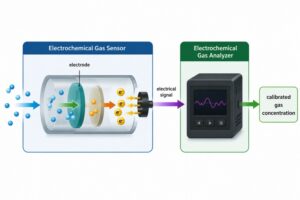
Modern Gas analyzers leverage techniques such as Non‑Dispersive Infrared (NDIR) and Tunable Diode Laser Absorption Spectroscopy (TDLAS) to detect and quantify gases with high precision. (esegas.com)
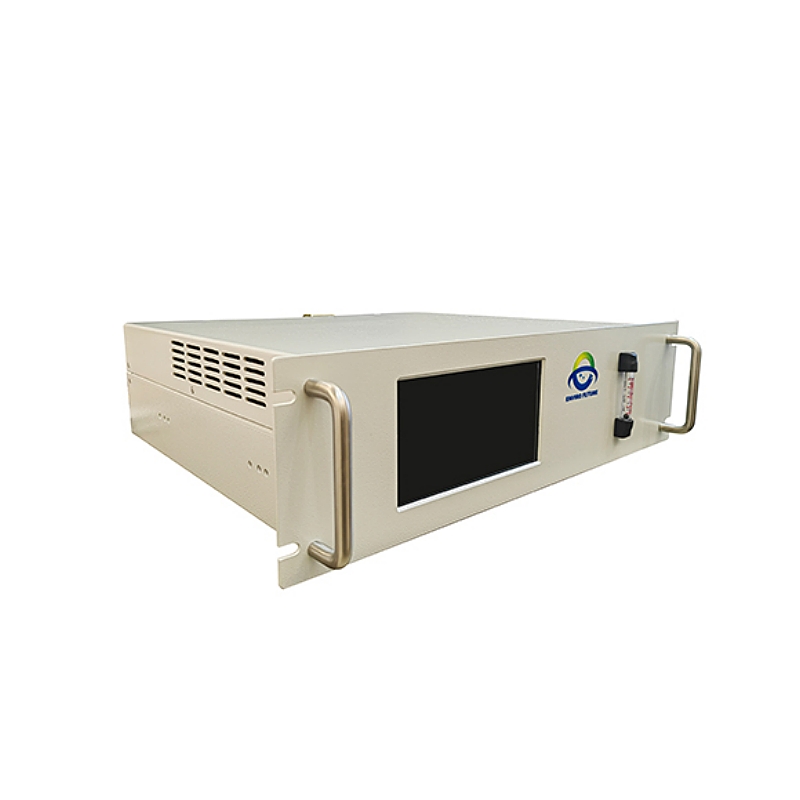
For example, the ESEGAS Carbon Dioxide (CO₂) Gas Analyzer IR‑GAS‑600 utilizes both NDIR and TDLAS methods to accurately analyze CO₂ levels across a wide range — from trace concentrations to higher percentages — without destructive sampling. (esegas.com)
Here’s how this typically works in a food packaging setting:
- A microprobe or sampling port on the package allows for the extraction of a tiny gas sample.
- The Gas analyzer then uses infrared or laser absorption to measure the specific wavelengths absorbed by individual gas species.
- Digital electronics convert the absorption signals into precise concentration readings for gases like O₂ and CO₂.
This rapid and accurate analysis helps ensure the intended modified atmosphere inside the package is truly achieved — a key requirement for consistent quality control.
What ESEGAS Gas Analyzer Products Are Relevant for Food Packaging?
Although much of ESEGAS’s product line serves industrial and environmental applications, many of these same technologies can be adapted for food packaging quality assurance — particularly where trace gas analysis or real‑time detection is needed. (esegas.com)
1. ESEGAS Carbon Dioxide (CO₂) Gas Analyzer IR‑GAS‑600
Specialized for carbon dioxide measurement, this unit offers accurate CO₂ analysis across ppm to high‑level ranges using NDIR or TDLAS technology — essential for verifying MAP conditions in packaging. (esegas.com)
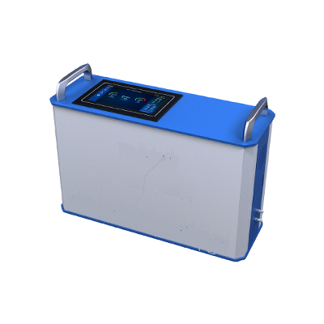
2. Portable Gas Analyzer Series
ESEGAS offers portable gas analyzers equipped with FTIR, UV‑DOAS, or TDLAS technologies capable of measuring multiple gases such as CO, CO₂, CH₄, NOx, SO₂ and O₂. These portable devices are ideal for on‑site quality checks on packaged products before shipment. (esegas.com)
3. Process Gas Analyzer Solutions
While typically used in industrial combustion and processing settings, ESEGAS Process Gas Analyzers are designed to monitor O₂, CO₂ and other gases in real time — which can be instrumental if packaging lines incorporate automated atmospheric control systems. (esegas.com)
Adapting these technologies from industrial to food packaging environments provides a path toward real‑time, continuous monitoring — ensuring that every batch meets target gas conditions.
Which Food Packaging Scenarios Benefit Most from a Gas Analyzer?
High‑risk, perishable products demand high‑precision tools.
Not all foods require the same level of atmospheric control. However, for products such as fresh meats, cheese, cut fruits, and pre‑prepared meals, small deviations in gas composition can significantly affect flavor, appearance, and safety.
In these scenarios:
- Residual oxygen levels must be kept low to reduce spoilage.
- Carbon dioxide concentrations must be optimized to suppress microbial growth without altering taste.
- Trace gases like ethylene (in fruits) or moisture may also need to be controlled.
Using an advanced Gas analyzer — whether portable for batch testing or integrated inline for continuous monitoring — enables food producers to ensure packaging integrity before distribution.
What Business Benefits Do Gas Analyzers Offer Food Manufacturers?
Beyond quality control, gas analysis drives real business value.
Implementing Gas analyzers such as those offered by ESEGAS brings measurable operational advantages:
- Reduced spoilage and waste — by validating packaging atmospheres before shipment.
- Extended shelf life — through precise control of internal gases.
- Regulatory compliance — meeting food safety and quality assurance standards with documented data.
- Better brand reputation — ensuring consistent product quality strengthens consumer trust.
For companies operating at scale, the data output from Gas analyzers can also be integrated with Quality Management Systems (QMS), enabling predictive quality control and process optimization.
Choosing the Right Gas Analyzer for Your Packaging Line
Selecting the correct Gas analyzer depends on your specific needs.
Key considerations when choosing instruments include:
- Measurement range — can it detect the gas concentrations relevant to your products?
- Speed and throughput — how quickly can readings be generated?
- Portability vs. integration — whether handheld checks or inline process control is needed.
- Data connectivity — ability to log, report, and integrate with broader QA systems.
Brands like ESEGAS provide a spectrum of analyzers — from portable units for quick field checks to advanced process analyzers for continuous system integration. (esegas.com)
Conclusion: Precision Gas Analysis for Safer, Fresher Food
From extending shelf life to preserving flavor and ensuring safety, a Gas analyzer — such as those offered by ESEGAS — plays a vital role in modern food packaging. Whether used for batch validation or integrated atmospheric control, accurate gas analysis is indispensable in delivering quality you and your customers can trust.