



In many industrial plants, gas composition is one of the most important variables affecting product quality, operating efficiency, emissions, and workplace safety. Yet when gas conditions are not measured continuously and accurately, small deviations can turn into unstable combustion, off-spec products, unexpected downtime, or compliance risks. At ESEGAS, we understand how difficult it is to manage a process you cannot fully see. That is exactly why a process gas analyzer has become an essential part of modern industrial operations: it gives operators the real-time visibility needed to keep processes stable, safe, and efficient.
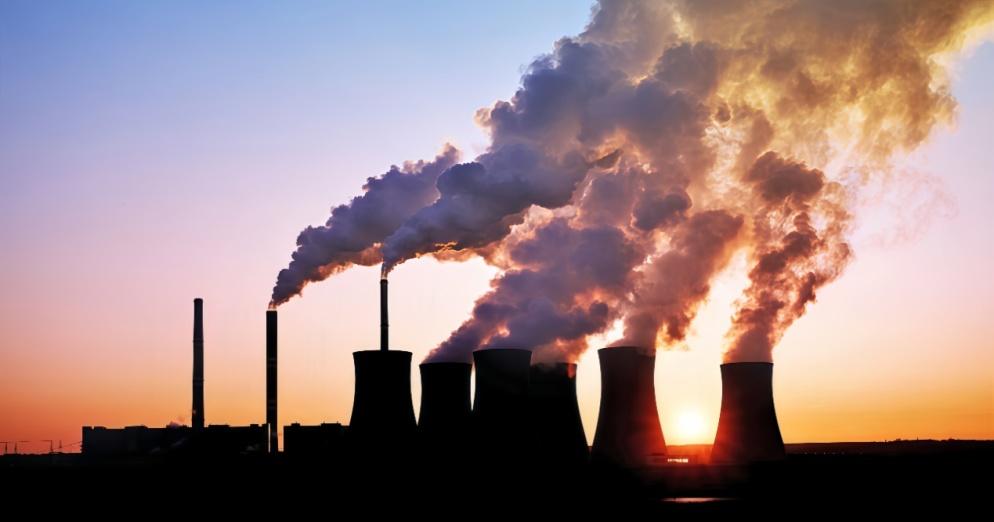
A process gas analyzer is an industrial instrument used to continuously measure the composition and concentration of gases within a production process. It helps manufacturers monitor critical gas components, improve process control, optimize energy use, protect equipment, support emissions compliance, and maintain safe operating conditions. In modern industry, a process gas analyzer is not just a measuring device but a key tool for reliable and efficient plant performance.
Understanding this definition is only the starting point. In real applications, customers need to know far more than what a process gas analyzer is. They need to understand what it actually does in a plant, how it works, where it is used, how to select the right configuration, and why the right supplier matters. From our perspective at ESEGAS, answering these questions clearly is the best way to help industrial users build more dependable gas analysis systems.
What Does a Process Gas Analyzer Do in an Industrial System?
When a plant operates without continuous gas data, teams are often forced to react after a problem has already affected production, emissions, or safety. That reactive approach can lead to wasted fuel, unstable product quality, delayed maintenance decisions, and higher operational risk. At ESEGAS, we see that a well-designed process gas analyzer changes this situation by turning gas composition into actionable process information.
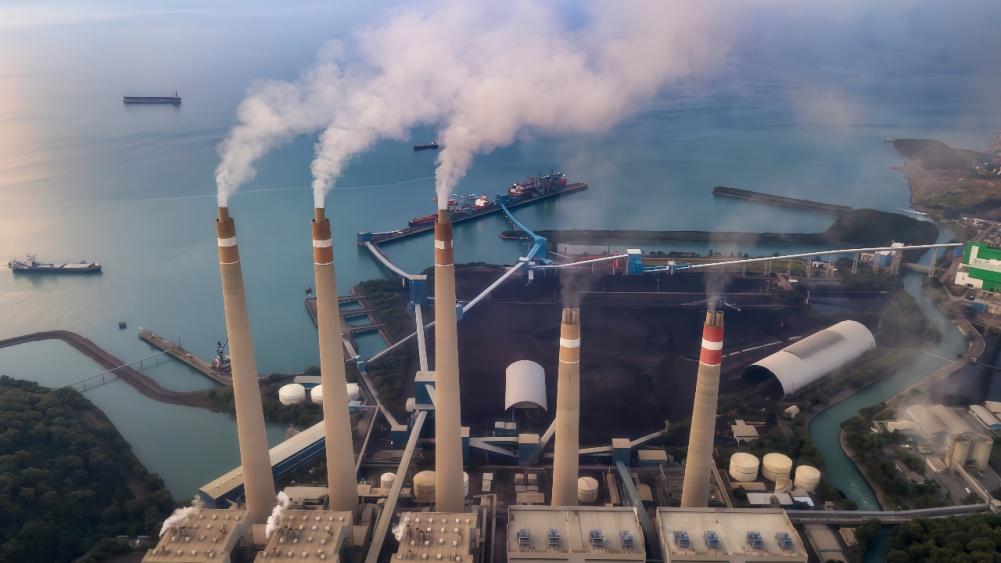
A process gas analyzer is used to measure key gas components in real time so operators and control systems can respond immediately to process changes. Depending on the application, it may monitor gases such as O₂, CO, CO₂, CH₄, H₂, SO₂, NOx, and other target components that influence performance and compliance.
In industrial systems, a process gas analyzer commonly helps with:
- combustion optimization by monitoring oxygen and combustible gases
- reaction control by tracking process gas composition
- emissions management by measuring pollutant-related gases
- equipment protection by detecting abnormal gas conditions early
- safety improvement by identifying hazardous gas trends before they escalate
From the ESEGAS point of view, the value of a process gas analyzer is not limited to gas measurement alone. Its real value lies in helping plants make faster, more accurate operating decisions.
How Does a Process Gas Analyzer Work?
Many users know they need a process gas analyzer, but uncertainty about how it works often leads to poor selection decisions. Without understanding the measurement path, it becomes harder to match the analyzer to the gas composition, installation environment, maintenance target, and control objective. At ESEGAS, we believe that better technical understanding leads to better long-term system performance.
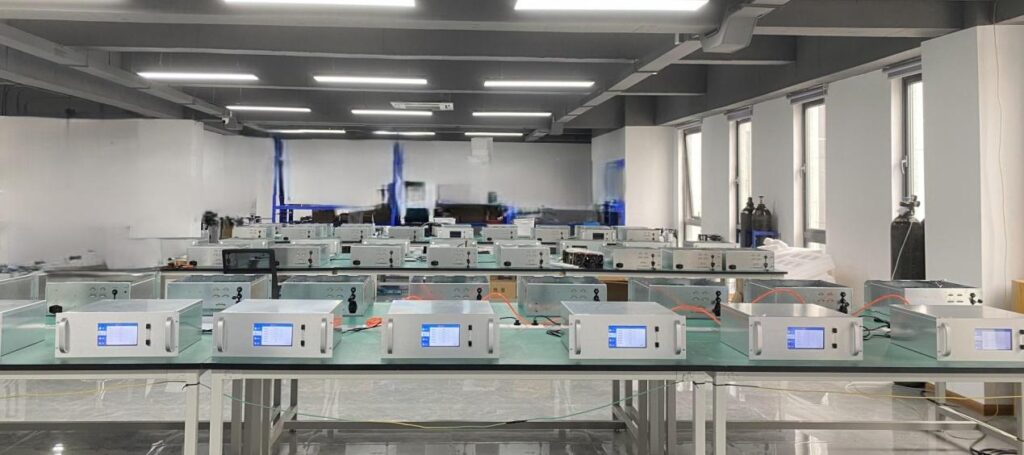
In general, a process gas analyzer works through four key stages: sampling, conditioning, analysis, and data output.
1. Gas sampling
The analyzer first obtains a representative gas sample from the process line, stack, furnace, reactor, or pipeline. In some cases, the gas is extracted and delivered to an analyzer cabinet. In others, the analyzer measures directly in the process.
2. Sample conditioning
Before measurement, the sample may need pretreatment to remove dust, moisture, or other interfering factors. This step is critical because poor sample conditioning can reduce accuracy and increase maintenance frequency.
3. Gas analysis
The prepared sample is measured using a suitable detection principle. Different technologies are used depending on the target gas and process conditions.
| Analysis Technology | Typical Measured Gases | Main Advantage | Common Application |
| NDIR | CO, CO₂, CH₄, SO₂ | Stable and widely used | Combustion and emissions monitoring |
| Paramagnetic | O₂ | High selectivity for oxygen | Boiler and furnace control |
| Electrochemical | O₂, CO, H₂S and others | Compact and sensitive | Safety and lower-range monitoring |
| TCD | H₂ and mixed gases | Broad application range | Process composition analysis |
| Laser-based / TDLAS | O₂, CO, NH₃, HCl and others | Fast response, strong selectivity | Harsh industrial environments |
4. Signal output and integration
After measurement, the process gas analyzer sends data to the plant control system, DCS, or PLC. This allows process adjustments to be made automatically or by operators in real time.
At ESEGAS, we focus on integrating these stages into practical and reliable analyzer solutions, because even the best sensing technology cannot deliver strong results without proper system design.
Where Are Process Gas Analyzers Commonly Used?
Industrial users often hear that a process gas analyzer is important, but its role can look very different from one industry to another. A petrochemical plant, a steel mill, and a power station may all need gas analysis, yet the process goals, target gases, and environmental conditions are not the same. That is why ESEGAS approaches each application from the standpoint of the actual process, not only the instrument itself.
A process gas analyzer is widely used in the following industries:
Petrochemical and chemical processing
These facilities rely on gas composition data to control reactions, improve product consistency, and maintain safe operating conditions. Monitoring hydrocarbons, oxygen, hydrogen, and byproduct gases is often essential.
Natural gas and energy applications
In gas treatment and energy systems, a process gas analyzer helps verify gas quality, support efficiency, and protect downstream equipment.
Power generation and boiler systems
Continuous monitoring of oxygen, carbon monoxide, and related gases helps improve combustion efficiency, reduce fuel waste, and support emissions control.
Steel and metallurgical plants
Gas analysis is critical in blast furnaces, converter systems, and heat treatment applications, where process atmosphere directly affects efficiency and product quality.
Cement, glass, and building materials
These sectors use a process gas analyzer to monitor kiln gases, optimize thermal performance, and support environmental compliance.
Environmental and emissions control systems
Many industrial sites use analyzer systems to track gases linked to regulatory requirements and internal sustainability goals.
From our experience at ESEGAS, successful gas analysis depends on aligning the analyzer system with the real demands of the industry and the site environment.
Why Is Continuous Gas Analysis Better Than Manual or Periodic Testing?
Some plants still rely on manual sampling or periodic checks because they seem simpler at first. However, when gas conditions change quickly, delayed data can mean missed opportunities for control and missed warnings before a problem develops. At ESEGAS, we have seen many situations where the difference between periodic testing and continuous measurement is the difference between reactive troubleshooting and confident process management.
A continuous process gas analyzer offers several clear advantages over manual or intermittent testing:
- Faster response to change
A continuous analyzer detects gas fluctuations as they happen, allowing immediate adjustment. - More complete process visibility
Periodic testing only shows isolated moments. Continuous monitoring reveals trends, instability, and recurring issues. - Better support for automation
Real-time analyzer data can be integrated into control loops, helping plants maintain tighter process stability. - Lower risk of human error
Manual sampling and laboratory handling can introduce delays and inconsistencies. - Improved safety and reliability
Abnormal gas conditions can be identified earlier, reducing the risk of equipment damage, emissions excursions, or unsafe events.
For ESEGAS, continuous gas analysis is not simply about collecting more data. It is about enabling better decisions, reducing uncertainty, and helping industrial users maintain control under real operating conditions.
How Do You Choose the Right Process Gas Analyzer for Your Application?
Choosing a process gas analyzer can be challenging because no single configuration fits every process. An analyzer that performs well in one application may be unsuitable in another due to differences in gas composition, dust load, temperature, pressure, humidity, corrosion, or response time requirements. At ESEGAS, we always recommend evaluating the full operating environment before selecting a solution.
The table below shows the main selection factors we consider.
| Selection Factor | Why It Matters | ESEGAS Perspective |
| Target gas components | Determines sensing technology and measurement range | We match technology to the gases that matter most in your process |
| Measurement range | Affects sensitivity and accuracy | Proper range selection improves reliability and control value |
| Process conditions | Temperature, pressure, dust, and moisture affect system design | Harsh conditions require robust sampling and pretreatment |
| Installation method | In-situ and extractive systems serve different needs | We help choose the most practical structure for the site |
| Response time | Critical for fast-changing processes | Faster response improves process correction and safety |
| Maintenance requirements | Impacts long-term operating cost | Stable design reduces service burden and downtime |
| System integration | Communication with DCS or PLC is essential | We support practical integration into plant control systems |
| Compliance and safety needs | Some sites require specific standards or explosion protection | Selection must align with the site’s regulatory and safety framework |
In practical terms, the right process gas analyzer should not only measure accurately on day one. It should also remain stable, maintainable, and useful over the long operating cycle of the plant.
What Value Can ESEGAS Provide in Process Gas Analysis?
Many industrial buyers are not simply looking for a product catalog item. They need a solution that will perform reliably in their actual process, under their real site conditions, and over a long service life. That is why at ESEGAS, we view process gas analyzer projects as application-driven solutions rather than isolated instrument sales.
We provide value in several important ways:
- We focus on industrial gas analysis applications and understand the operational goals behind each measurement point.
- We support solution matching based on gas components, process conditions, and installation requirements.
- We emphasize measurement stability, practical system reliability, and long-term usability.
- We consider not only the analyzer core but also the sampling path, pretreatment needs, and system integration requirements.
- We aim to help customers improve efficiency, strengthen safety, and build more dependable process control systems.
From the ESEGAS brand perspective, our role is to help customers select a process gas analyzer solution that supports real production outcomes. We believe strong gas analysis should be accurate, durable, application-oriented, and aligned with the customer’s long-term operating goals.
In modern industry, a process gas analyzer is far more than a monitoring device. It is a critical tool for process optimization, quality control, safety improvement, and emissions management. When gas data is accurate and continuous, operators gain the visibility needed to run plants more efficiently and with greater confidence. At ESEGAS, we believe that the right analyzer technology, matched to the right application, can create measurable value across the entire process. That is why we remain committed to delivering process gas analyzer solutions that help industrial users achieve safer, smarter, and more stable operations.