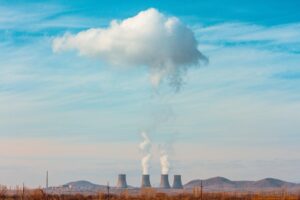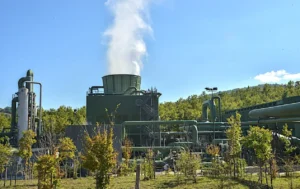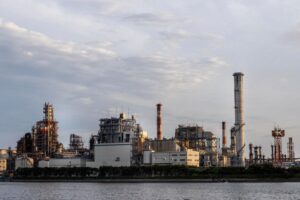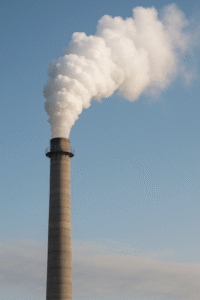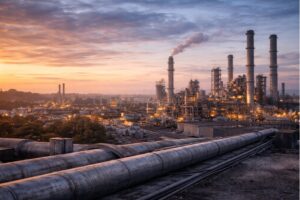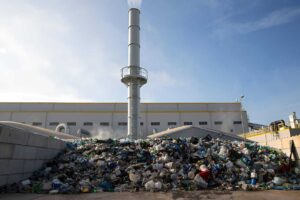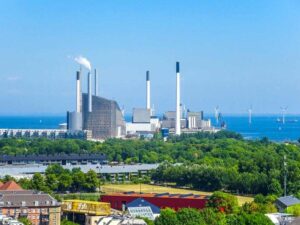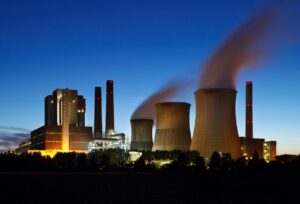




A waste-to-energy (WtE) plant is a facility that burns municipal solid waste to generate usable energy like electricity and heat. Modern plants can shrink the original waste mass by over 85–90% and use the thermal output to produce steam and electricity, helping communities manage waste and diversify their energy mix. Waste-to-energy plants are not just advanced incinerators. They are integrated energy facilities that balance waste management, power generation, and environmental protection. By turning trash into energy, WtE facilities help reduce landfill use, lower greenhouse gas emissions from decomposing waste, and support cleaner energy strategies.
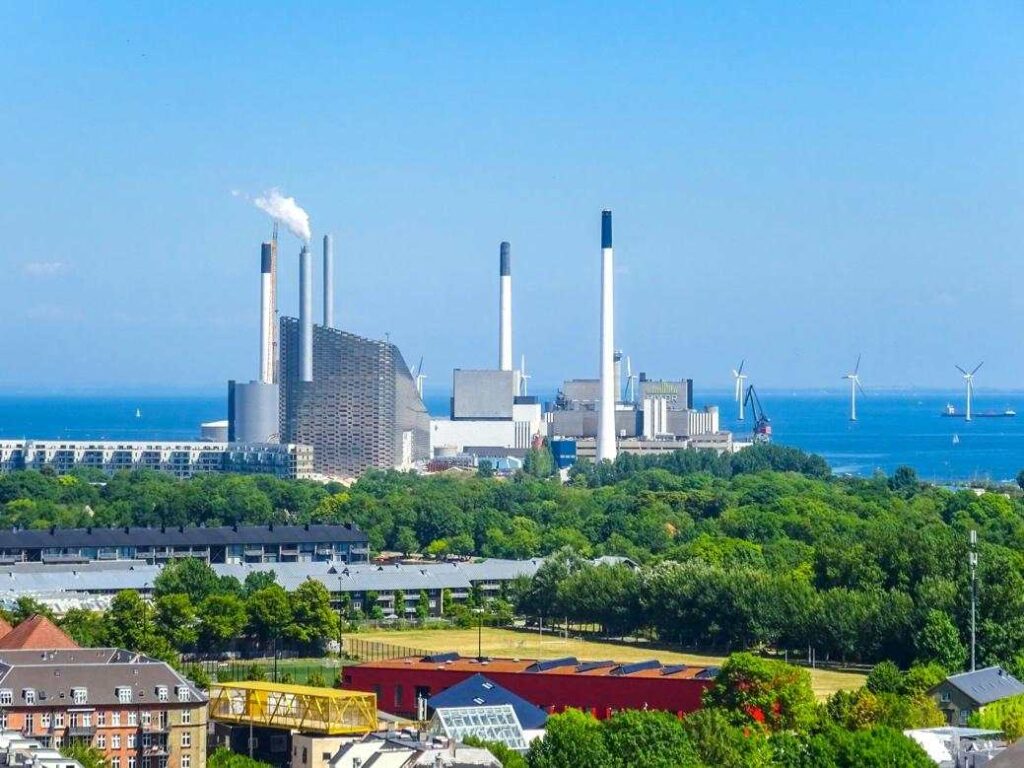
However, burning waste produces chemical byproducts and flue gases that can include nitrogen oxides (NOx), sulfur oxides (SO₂), carbon monoxide (CO), acid gases, and trace pollutants. Even with advanced air pollution control systems, these emissions must be measured and controlled to meet strict environmental rules and protect air quality.
This is where emission analyzers become essential. An emission analyzer continuously measures gas concentrations in the plant’s exhaust stream. These instruments help operators ensure compliance with regulatory limits, control combustion efficiency, and quickly detect process issues before they become violations. Without reliable emission data, plants risk non-compliance, operational inefficiencies, and community health concerns.
How Is Waste Converted into Electricity Inside a Waste-to-Energy Plant?
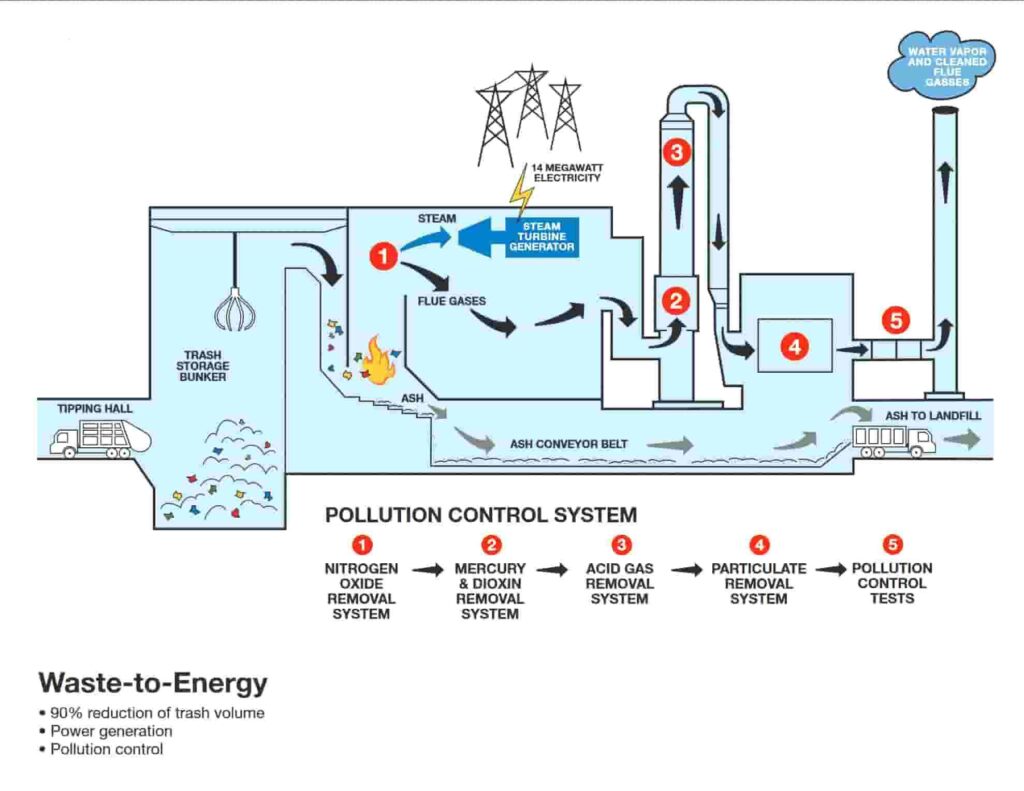
In a typical mass-burn waste-to-energy (WtE) plant, the journey from mixed municipal waste to electricity follows a clear engineering process that turns refuse into steam and power. First, waste arrives and is dumped into a large reception pit. A crane mixes and moves the waste into the incinerator’s combustion chamber, where it burns at very high temperatures. This controlled combustion releases heat that boils water into high-pressure steam. The steam then drives a turbine connected to an electrical generator, producing usable electricity for the grid. This process resembles a conventional steam power plant, except the fuel is municipal solid waste rather than coal or gas.
Inside the combustion chamber, waste burns at about 850–1,200 °C, breaking down complex organic compounds and releasing thermal energy. Engineers design the furnace and moving grate so the waste spreads evenly and burns completely. As the hot gases rise, a heat recovery boiler captures this thermal energy by turning water into steam. The steam usually reaches high pressure and temperature, optimized for driving turbines efficiently. Some plants also use excess steam for district heating or industrial processes, boosting overall energy utilization.
After energy extraction, the resulting flue gases must be cleaned before leaving the plant. Modern WtE facilities use multi-stage air pollution control systems that remove particulate matter, acidic gases, and other pollutants. These cleaned gases are then released through the stack. Solid residues such as bottom ash and fly ash are collected separately for recycling or safe disposal.
From an engineering perspective, the core principle is simple: heat from combustion produces steam, and steam turns turbines to generate electricity. This conversion leverages the thermodynamic Rankine cycle, the same cycle used in coal and nuclear plants. A well-designed WtE plant can yield several hundred kilowatt-hours of electricity per ton of waste, though actual output varies with waste composition and boiler efficiency. Continuous flue-gas cleaning and energy recovery systems help maximize energy output while meeting environmental standards.
What Emission Analyzer Locations Matter Most in a Waste-to-Energy Plant?
In a waste-to-energy plant, operators must track a range of gases and particles to protect public health and comply with environmental rules. Key pollutants include nitrogen oxides (NOx), sulfur dioxide (SO₂), carbon monoxide (CO), carbon dioxide (CO₂), hydrogen chloride (HCl), and trace heavy metals like mercury (Hg). These substances can form during waste combustion and air pollution control reactions. Particulate matter (PM) and stack opacity also demand close monitoring because they indicate how clean the combustion and filtration systems perform. Continuous measurement of these pollutants helps maintain plant performance and meet air quality limits.
A. Combustion Chamber & Boiler Exhaust Monitoring
After combustion, raw flue gas exits the boiler loaded with heat and reaction byproducts. Placing emission analyzers just after the boiler but before any air pollution control technology captures these baseline combustion emissions. This position allows plant engineers to see true combustion output without dilution from cleaning processes. It reveals whether combustion conditions produce excess NOx, CO, or other regulated gases and enables real-time adjustments.
A second critical location is after the air pollution control system (APCS) — for example, after fabric filters, scrubbers, and catalytic reducers. Monitoring here shows how effective the APCS equipment is at removing pollutants. If emission levels are still high at this point, operators can diagnose issues with filters, reagent dosing, or catalyst performance. Without data from both pre- and post-cleanup points, true removal efficiency remains unknown.
B. Targeted Monitoring Points for Compliance and Optimization
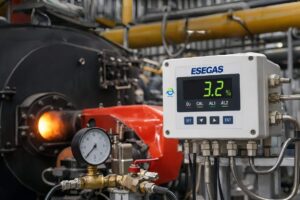
Most modern WtE plants incorporate a Continuous Emission Monitoring System (CEMS) in the stack. A CEMS typically measures NOx, SO₂, CO, CO₂, and oxygen (O₂) levels in real time, meeting regulatory reporting requirements and ensuring compliance with emission permits. Continuous gas data also supports combustion tuning and energy optimization.
In addition to gas analyzers, particulate matter monitors are placed where dust load is highest, such as after electrostatic precipitators or baghouses, to quantify residual PM emissions. Opacity monitors may also be used at the stack to detect visible smoke or particle carry-over, signaling combustion or filter issues.
Finally, plants in jurisdictions with stricter standards might add specialized analyzers for trace components such as mercury (Hg) or dioxins, capturing data beyond basic CEMS parameters when required. Together, these monitoring points give a full picture of emissions, helping operators stay compliant, protect air quality, and fine-tune plant performance.
How Is a Modern Waste-to-Energy Plant’s Emission Analyzer Architecture Designed?
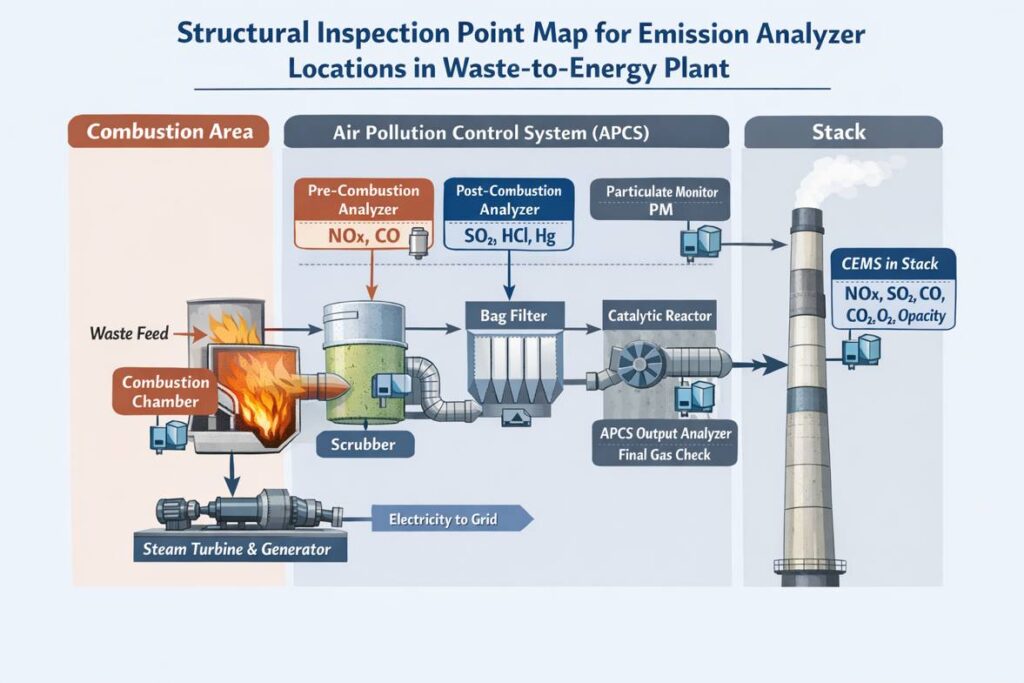
In a modern waste-to-energy (WtE) plant, emission analyzers are not isolated instruments. They are part of a well-designed monitoring system that tracks flue gas from combustion to release. This layout places analyzers at key points such as after the boiler, after the air pollution control system (APCS), and at the stack exit. By mapping these points, engineers can visualize how flue gas flows through heaters, scrubbers, filters, and fans before it finally leaves the stack. This layered monitoring helps teams both verify control system performance and satisfy regulatory reporting requirements.
A typical architectural diagram begins with the combustion zone, where raw flue gas exits the boiler. Analyzers placed here capture baseline emissions before any cleaning occurs. Next, the gas travels through the APCS units such as electrostatic precipitators, scrubbers, and catalytic reactors. Monitoring devices here measure how effectively these systems reduce pollutants. Finally, analyzers at the stack confirm that the gas being released into the atmosphere meets legal limits. The layout ensures no critical point goes unchecked.
To manage all this data effectively, most plants use a central data acquisition (DAQ) system. This system collects real-time emission readings from all analyzer points and stores them in a secure database. It can automatically compile compliance reports, generate alarm alerts for out-of-range values, and support traceability for audits. Because regulatory bodies often require detailed emissions records, a robust DAQ system is essential.
Monitoring architecture like this connects the physical analyzer network with digital reporting tools, ensuring that every critical emission point informs operational decisions.
Conclusion
Effective emission analyzer placement does more than satisfy environmental rules — it actively improves plant operations and performance. Real-time emissions monitoring empowers plant personnel to adjust operating parameters on the fly. A robust emission monitoring system also centralizes data for compliance reporting. By integrating analyzer outputs with a data acquisition (DAQ) platform, plants can automatically generate accurate, timestamped emissions records that meet regional permit requirements and simplify environmental audits.
In short, proper emission analyzer deployment turns monitoring from a regulatory obligation into a tool for operational control, sustainability, and risk management. With clean-air compliance and optimized combustion performance at hand, plants operate more reliably and confidently. Consider discussing your waste-to-energy plant’s unique needs and explore a tailored emission monitoring solution with the ESEGAS expert team — to boost both compliance and performance.
FAQs:
1. What is a waste-to-energy (WtE) plant and how does it generate electricity?
A waste-to-energy plant burns municipal solid waste to produce heat, which is used to generate steam. That steam drives a turbine connected to a generator to produce electricity — much like a traditional steam power plant, but the fuel is waste rather than coal or gas. This process reduces landfill volume and recovers usable energy from mixed waste streams.
2. Why are emission analyzers important in a WtE plant?
Emission analyzers measure air pollutants from the combustion process to ensure the plant complies with environmental regulations. Continuous monitoring helps operators adjust combustion conditions, detect issues early, and confirm that treated flue gas meets legal limits before release.
3. What pollutants do emission analyzers measure in waste-to-energy plants?
In WtE plants, analyzers commonly track nitrogen oxides (NOx), sulfur dioxide (SO₂), carbon monoxide (CO), carbon dioxide (CO₂), hydrogen chloride (HCl) and particulate matter. Heavy metals like mercury (Hg) and acid gases may also be monitored when required by regulations.
4. Where should emission analyzers be placed in a waste-to-energy plant?
Emission analyzers should be installed at multiple key points:
- Just after the boiler (post-combustion, pre-cleanup) to capture raw combustion emissions.
- After the air pollution control system (APCS) to verify pollutant removal efficiency.
- At the stack as part of a Continuous Emission Monitoring System (CEMS) to report final emissions into the atmosphere. This layered placement gives a full view of pollutants throughout the process.
5. Do all waste-to-energy plants use the same monitoring approach?
Monitoring requirements vary by region and regulation. In many jurisdictions, plants must follow strict standards like continuous monitoring of key pollutants and regular reporting. Monitoring design typically integrates emission analyzers with data acquisition systems for compliance and performance analytics.
6. How do WtE emissions compare with other power plants?
Waste-to-energy plants generally emit fewer air pollutants than coal-fired power plants, though they may release more than natural gas facilities. However, converting waste to energy can reduce the overall environmental impact compared to landfilling, where methane and other harmful gases form.