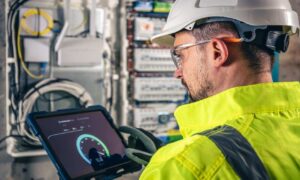




Gas leaks rarely begin with a dramatic warning. In many industrial environments, they start as small, nearly invisible failures that are easy to miss until the consequences become serious. A minor undetected leak can quickly turn into a worker safety hazard, an equipment shutdown, a compliance issue, or a costly interruption to production. At ESEGAS, we see this challenge clearly across modern industrial applications, which is why we believe choosing the right gas leak detector is not just a technical decision, but a critical step in building a safer and more reliable operation.
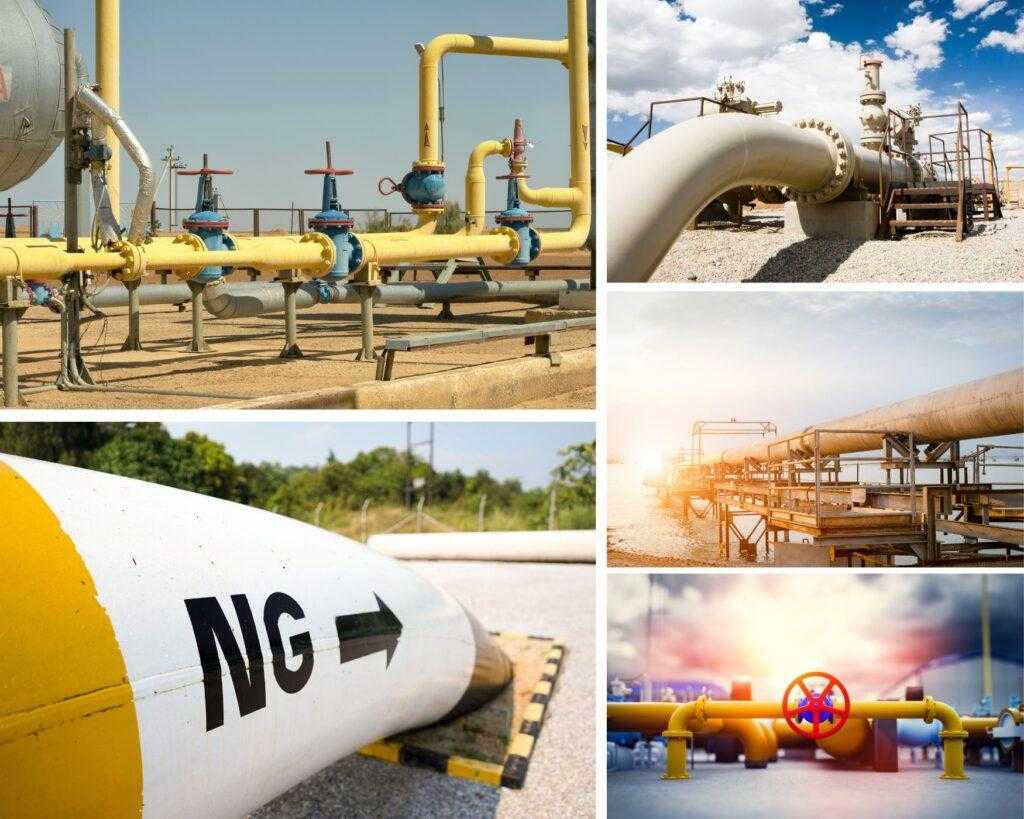
The right gas leak detector improves safety, compliance, and efficiency by identifying hazardous gases early, triggering timely alarms, supporting control system responses, and reducing the risk of downtime or regulatory violations. To choose the best solution, companies should evaluate the target gas, detection principle, sensitivity, response time, installation environment, communication requirements, and maintenance needs. At ESEGAS, we help customers match gas detection solutions to real operating conditions so monitoring is accurate, dependable, and practical.
That direct answer is important, but it only addresses the surface of the issue. In reality, most buyers already know they need gas detection. The more difficult question is which detector fits their application, what performance factors matter most, and how different industries should approach gas leak monitoring. To make the decision clearer, we should look at the key questions behind effective gas leak detection one by one.
What Does a Gas Leak Detector Actually Do?
Many facilities still treat gas detection as a basic alarm function, but that view is too limited for modern industrial risk management. When a detector is selected only because it can sound an alarm, businesses may overlook whether it can identify concentration changes accurately, respond fast enough for intervention, or integrate with broader plant safety systems. That gap between simple detection and useful protection is where many avoidable risks begin. At ESEGAS, we believe a gas leak detector should serve as an active part of the site’s safety and control strategy, not just a passive warning device.
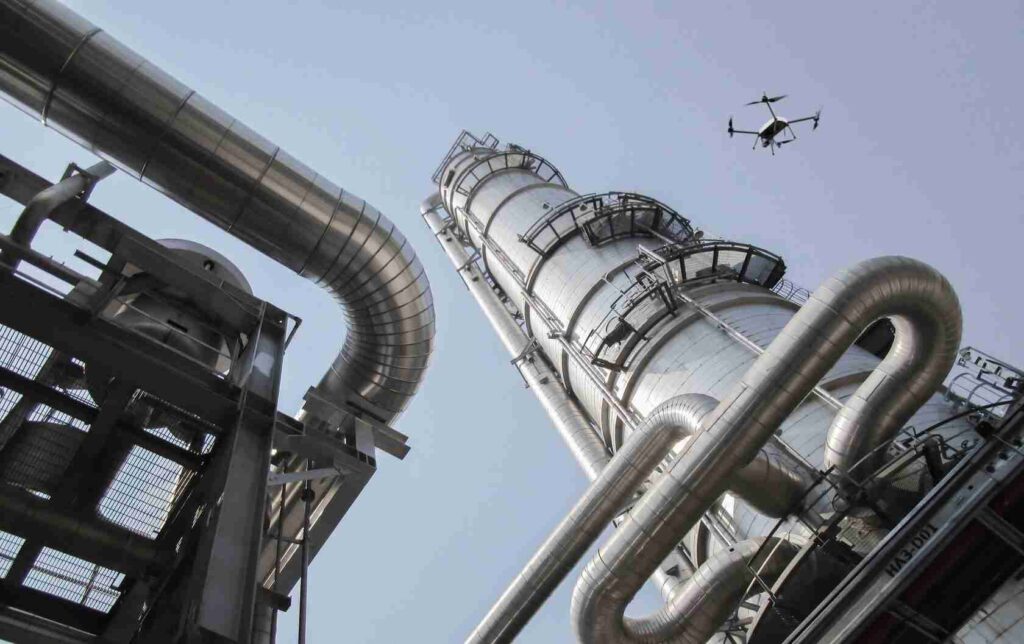
In practice, a gas leak detector performs several essential functions:
- It continuously measures the concentration of a target gas in the surrounding environment.
- It provides early warning when gas levels rise above preset thresholds.
- It supports real-time monitoring for operators and safety teams.
- It can trigger system responses such as ventilation activation, valve shutoff, exhaust control, or alarm escalation.
- It contributes to data collection, risk assessment, and maintenance planning.
This broader role matters because gas hazards are rarely isolated events. A reliable detector does not simply announce that something is wrong. It helps site managers understand what is changing, where action is needed, and how to respond before a small leak becomes a serious incident.
Which Types of Gases Should Be Monitored?
One of the most common mistakes in gas detection planning is assuming that all gas leak risks are the same. In reality, the real question is not whether a facility needs a gas leak detector, but which gas or gases it needs to detect. A detector that performs well for one application may provide little protection in another if the target gas is different. This is why correct gas identification is the foundation of effective monitoring. At ESEGAS, we always begin with the actual process conditions and hazard profile, because choosing the wrong target gas can undermine the entire safety strategy.
The gases that should be monitored usually fall into three main categories:
1. Combustible gases
These gases create fire and explosion risks when their concentration reaches dangerous levels. Common examples include:
- Methane
- Propane
- Liquefied petroleum gas (LPG)
- Hydrogen
2. Toxic gases
These gases may harm personnel even at relatively low concentrations. Common examples include:
- Carbon monoxide (CO)
- Hydrogen sulfide (H2S)
- Ammonia (NH3)
- Chlorine (Cl2)
3. Oxygen-related risks
In some environments, oxygen monitoring is just as important as toxic or combustible gas monitoring. Both oxygen deficiency and oxygen enrichment can create serious safety concerns.
Below is a simple application-based view:
| Application Area | Common Gas Risks | Monitoring Focus |
| Oil and gas | Methane, H2S, VOCs | Explosion prevention and toxic exposure |
| Wastewater treatment | H2S, methane, oxygen deficiency | Worker safety and confined space entry |
| Battery and energy systems | Hydrogen, electrolyte-related gases | Fire risk and ventilation control |
| Chemical processing | Ammonia, chlorine, solvent vapors | Toxic exposure and process safety |
| Laboratories | Mixed specialty gases | Localized leak detection and personnel protection |
The correct answer always depends on the process, the materials used, and the operating environment. That is why at ESEGAS, we focus on application-driven gas detection rather than one-size-fits-all product selection.
How Do You Choose the Right Gas Leak Detector for Your Application?
The market offers many gas leak detectors, and at first glance they can appear similar. But similar product descriptions do not mean identical field performance. Many purchasing decisions go wrong because they focus too heavily on price or on a single specification while ignoring the practical realities of the site. A detector that looks competitive on paper may still fail to deliver stable, useful performance if it does not match the gas type, the operating environment, or the monitoring objective. From our perspective at ESEGAS, the right way to choose is to begin with the application, then work backward to the sensor and system requirements.
Several factors should guide the selection process:
Detection principle
Different gases and environments require different sensing technologies, such as:
- Electrochemical sensors for many toxic gases
- Infrared sensors for certain combustible gases and CO2
- Catalytic sensors for combustible gas detection
- PID technology for volatile organic compounds in specific applications
Sensitivity and measuring range
A detector must be able to identify the gas at the concentration levels relevant to the risk. Some applications require trace-level detection, while others focus on high-range process protection.
Response time
Fast response is critical when gas buildup can escalate quickly. A delayed signal can reduce the available time for evacuation or system intervention.
Installation format
The right choice may be:
- Fixed gas leak detector for continuous area monitoring
- Portable gas leak detector for inspection, mobile work, and confined spaces
Environmental suitability
Real operating conditions matter. The detector may need to handle:
- High or low temperatures
- Humidity
- Dust
- Corrosive atmospheres
- Hazardous area requirements
- Outdoor exposure
Output and communication
Industrial users often need the detector to integrate into existing control or monitoring systems through:
- 4-20 mA
- RS485
- Modbus
- Relay outputs
Maintenance and calibration
A product should not only perform well at installation, but also remain practical to maintain over time. Long-term stability, calibration access, and service requirements all affect total value.
At ESEGAS, we see detector selection as a system decision rather than a catalog decision. The best result comes from aligning gas type, environment, operational risk, and integration needs into one solution.
Why Are Sensitivity and Response Time So Important?
In gas leak detection, the danger is not always the leak itself at the moment it starts. The real danger is how quickly that leak can develop into a larger event before anyone notices. A low-level leak may seem minor at first, but if the detector cannot recognize it early enough, the available response window can disappear very quickly. This is why sensitivity and response time are not secondary specifications. They directly influence whether a facility has time to react effectively. At ESEGAS, we treat these parameters as central to real-world protection, especially in higher-risk industrial environments.
Sensitivity matters because it determines how early the detector can identify a hazardous change. A detector with insufficient sensitivity may miss low but meaningful gas concentrations during the early stage of a leak. That can delay intervention until the problem is already more difficult and expensive to control.
Response time matters because once a leak begins, every second can affect the outcome. A faster response supports:
- Earlier operator awareness
- Quicker ventilation or shutdown actions
- Better protection for nearby personnel
- Lower probability of process disruption or escalation
There is also an important balance to maintain. Extremely aggressive alarm settings without proper application analysis can lead to nuisance alarms. On the other hand, settings that are too conservative may reduce the value of the detection system. The goal is not just high sensitivity in theory, but useful sensitivity in the actual operating environment.
That is why we recommend evaluating sensitivity and response time in relation to the gas behavior, site airflow, process conditions, and the consequences of delay. A well-matched detector helps transform detection from a reactive measure into a preventive one.
Fixed or Portable Gas Leak Detector: Which Is Better?
Many buyers approach this as a choice between two competing product categories, but in most industrial settings that is the wrong way to frame the issue. The real question is not whether fixed or portable gas detection is universally better. The real question is which type supports the task, the site, and the risk level more effectively. When companies try to rely on only one method for every situation, they often leave important gaps in protection. At ESEGAS, we usually recommend thinking in terms of monitoring strategy rather than product preference.
Here is the practical difference:
| Type | Main Advantage | Limitation | Best Use Case |
| Fixed gas leak detector | Continuous 24/7 monitoring | Limited to installed locations | Production areas, storage zones, process equipment |
| Portable gas leak detector | Flexible and mobile | Not continuous unless actively carried | Inspections, maintenance, confined spaces, temporary work |
Fixed gas leak detectors
These are best for areas where gas hazards may occur continuously or where unattended monitoring is necessary. They are ideal for permanent installation near pipelines, valves, storage systems, process equipment, and enclosed operating zones.
Portable gas leak detectors
These are useful when workers need to move between locations or verify conditions before entering a hazardous area. They are especially valuable for maintenance tasks, emergency checks, and confined space work.
In many cases, the strongest solution combines both approaches. Fixed systems create continuous area protection, while portable units give personnel flexibility during inspections and non-routine operations. From the ESEGAS perspective, the best gas detection program is usually layered rather than limited to a single device category.
How Can Gas Leak Detectors Support Compliance and Operational Efficiency?
Gas detection is sometimes viewed only as a safety expense, which can make it seem like a purely defensive investment. But that perspective misses its broader operational value. When leaks go undetected, the result is not just a possible safety event. It can also mean unplanned downtime, process instability, emergency maintenance, inspection failures, and preventable financial loss. At ESEGAS, we see gas leak detectors as tools that support both regulatory responsibility and smarter plant operation.
From a compliance perspective, effective gas detection can help facilities:
- Support workplace safety programs
- Meet industry monitoring expectations
- Maintain clearer records for audits and inspections
- Demonstrate risk control efforts in hazardous processes
From an operational perspective, gas leak detectors can also improve efficiency by:
- Reducing the chance of major incidents that interrupt production
- Helping teams identify developing problems earlier
- Supporting preventive maintenance before equipment failure worsens
- Improving visibility into site conditions for managers and operators
- Lowering indirect costs associated with emergency response and shutdowns
In other words, a gas leak detector is not only about reacting when danger is already present. It is also about creating a more controlled and informed operating environment. That combination of safety and efficiency is one reason why careful gas detection planning creates long-term value beyond immediate hazard prevention.
Why Choose ESEGAS as Your Gas Detection Partner?
Buying a gas leak detector is not simply a matter of purchasing a device. What companies really need is dependable long-term detection performance in conditions that may be harsh, variable, and highly application-specific. When the chosen supplier cannot align product capability with real field requirements, the hidden costs appear later through poor stability, difficult maintenance, incomplete system integration, or unreliable monitoring results. At ESEGAS, we approach gas detection as a practical industrial solution, not just a product transaction.
We support customers by focusing on what matters most in real applications:
- Matching detector solutions to gas type and use environment
- Supporting industrial integration needs
- Emphasizing reliability, usability, and stable operation
- Helping customers build detection systems that support safety and continuity
- Providing a professional perspective grounded in gas analysis and gas detection applications
Our position is simple: effective gas detection should be accurate, application-oriented, and sustainable over the long term. That is the standard we aim to deliver through our gas monitoring solutions.
Conclusion
The right gas leak detector does far more than issue an alarm. It helps protect personnel, supports compliance, reduces downtime risk, and improves overall operational control. To achieve those benefits, companies need to choose based on actual gas hazards, application demands, environmental conditions, and system requirements rather than relying on generic specifications alone.
At ESEGAS, we believe gas detection should be built around real industrial needs. With the right solution in place, businesses can move beyond basic monitoring and create a safer, more stable, and more efficient operating environment.