


Industrial operators today face growing pressure from stricter environmental regulations, tighter internal sustainability goals, and higher expectations for transparent emissions data. When emissions are not measured consistently or accurately, the consequences can quickly move beyond compliance concerns to include operational inefficiency, reporting risks, and damage to long-term business credibility. At ESEGAS, we see this challenge across multiple industries, and we believe that a reliable emission monitoring system is no longer optional for facilities that want to operate responsibly and competitively.
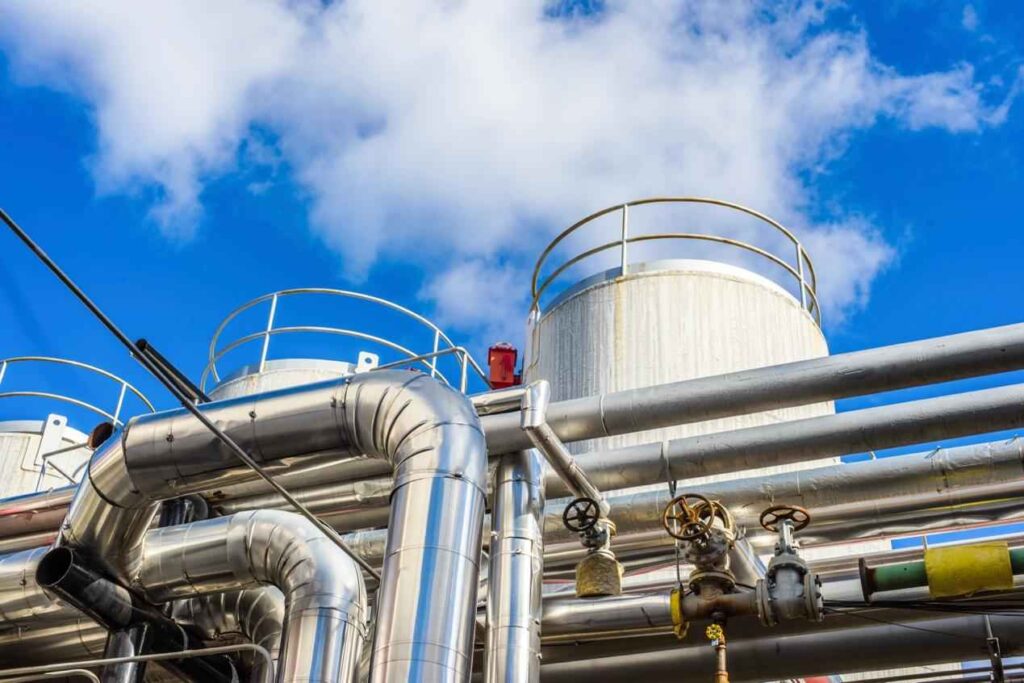
An emission monitoring system is an integrated solution used to measure, record, and manage pollutant concentrations and related gas parameters from industrial processes. It helps facilities maintain regulatory compliance, improve environmental reporting accuracy, and gain better visibility into process performance. In modern industrial settings, emission monitoring systems are essential not only for compliance, but also for safer operations, more efficient combustion control, and stronger long-term sustainability management.
That definition gives the basic answer, but it does not fully explain why emission monitoring systems have become such an important part of industrial infrastructure. To make the right investment, facilities also need to understand how these systems work, which components matter most, where common accuracy risks appear, and how the right solution can support both environmental goals and daily operations. From our perspective at ESEGAS, those are the questions that turn a monitoring requirement into a meaningful performance advantage.
How Does an Emission Monitoring System Work in Industrial Applications?
Many facilities know they need emissions data, but far fewer have a clear picture of how that data is actually generated. This gap often creates problems during system selection, installation, and operation. When the process behind the measurement is not understood, it becomes easier to overlook sample handling, gas conditioning, calibration, or data transmission issues that directly affect result quality. At ESEGAS, we always encourage customers to look at the full monitoring chain rather than focusing only on the analyzer itself.
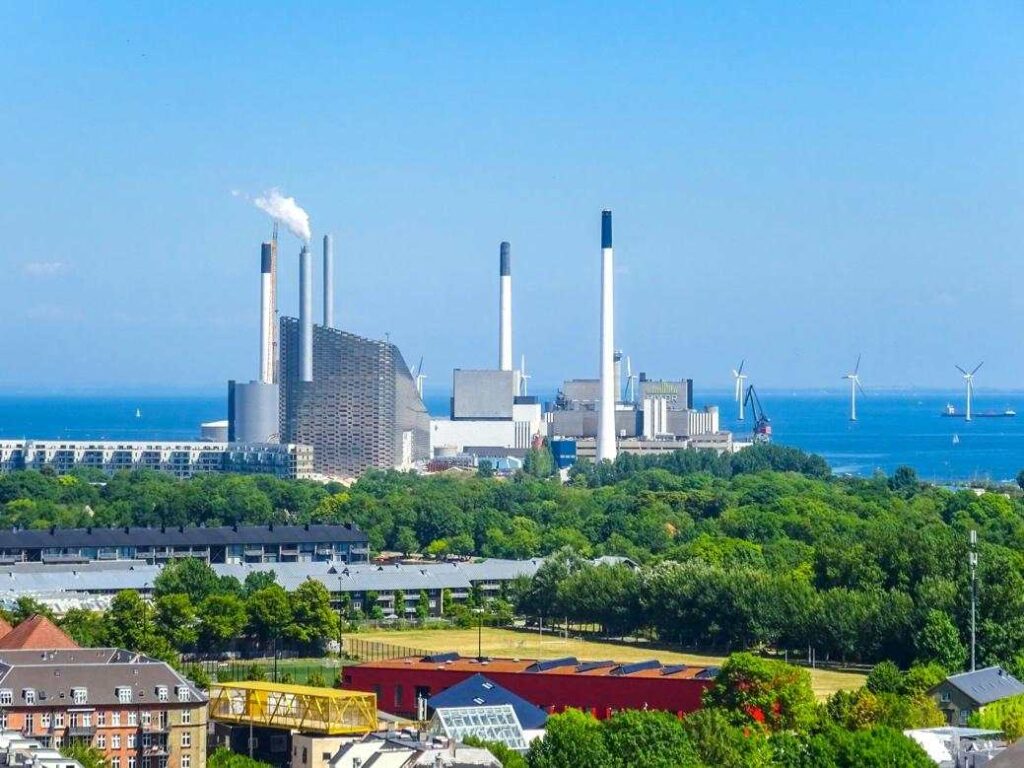
In practical industrial use, an emission monitoring system works as a connected process that turns raw flue gas or process gas into reliable measurement data. The system usually follows these steps:
- Gas sampling
A probe extracts gas from the stack, duct, pipeline, or process point. - Sample transport
The gas is transferred through a sample line, often heated to prevent condensation and preserve sample integrity. - Gas conditioning
Moisture, particulates, and contaminants are managed before the sample reaches the analyzer. - Gas analysis
The analyzer measures target components such as SO₂, NOx, CO, CO₂, O₂, H₂S, CH₄, or other relevant gases. - Data acquisition and output
The results are displayed, stored, transmitted to control systems, or used for alarms, reporting, and process adjustments.
Depending on the application, the system may be used for continuous emissions monitoring, process emissions tracking, combustion optimization, or environmental reporting. The exact design should always reflect the real operating conditions of the site.
What Are the Main Components of an Emission Monitoring System?
A common mistake in the market is treating the gas analyzer as if it were the entire monitoring solution. In reality, even a high-performance analyzer cannot produce stable results if the supporting system is poorly designed. We often find that reliability problems come not from the measurement principle itself, but from weak integration between sampling, conditioning, calibration, and data management. That is why, at ESEGAS, we approach emission monitoring as a complete system engineering task.
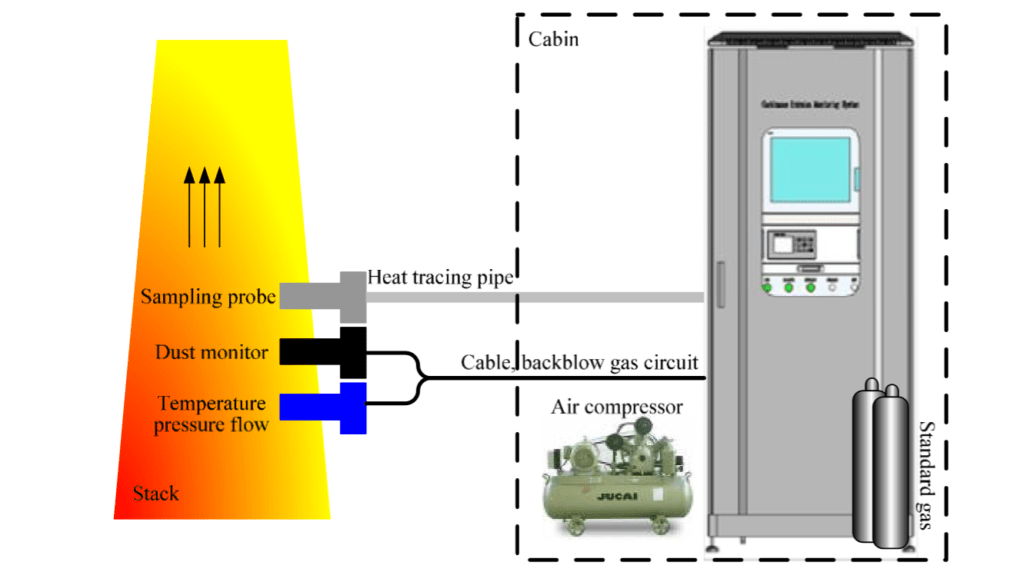
The main components typically include the following:
| Component | Function | Why It Matters |
| Sampling probe | Extracts gas from the source point | Ensures the collected sample is representative |
| Heated sample line | Transfers gas while controlling temperature | Prevents condensation and sample loss |
| Gas conditioning unit | Removes moisture, dust, and interfering substances | Protects the analyzer and improves data accuracy |
| Gas analyzer | Measures target gas concentrations | Provides the core measurement result |
| Calibration module | Verifies and adjusts measurement performance | Supports long-term accuracy and compliance confidence |
| Data acquisition system | Records, processes, and transmits data | Enables reporting, traceability, and system integration |
| Alarm and control interface | Triggers warnings or connects with plant controls | Helps operators respond to abnormal conditions quickly |
Each component affects total system performance. A well-balanced emission monitoring system is built around compatibility, durability, and application fit, not just instrument specification.
Why Is an Emission Monitoring System Important for Compliance and Process Optimization?
Many organizations still view emission monitoring only as a regulatory necessity. That view is understandable, but incomplete. When a facility treats monitoring purely as a paperwork function, it misses the broader operational value hidden in continuous emissions data. We have seen how facilities that use emissions data strategically can detect process drift earlier, reduce unnecessary losses, and improve control decisions. At ESEGAS, we believe the most effective systems serve both compliance and performance.
An emission monitoring system creates value in several important ways:
Regulatory compliance
It helps facilities document emissions performance, support inspections, and maintain required records with greater confidence.
Data traceability
Consistent monitoring creates a historical data trail that supports audits, environmental reporting, and internal performance reviews.
Process improvement
Gas trends can reveal incomplete combustion, unstable operating conditions, equipment inefficiency, or potential leakage events.
Risk reduction
Reliable monitoring helps identify abnormal emissions before they become larger compliance or operational incidents.
Sustainability support
Accurate emissions data strengthens environmental management programs and supports broader ESG and decarbonization initiatives.
For many facilities, the strongest return does not come from meeting minimum reporting requirements alone. It comes from using better gas data to make better operating decisions.
How Do You Choose the Right Emission Monitoring System for Your Facility?
Selecting a system can be difficult because no two industrial applications are exactly alike. A solution that performs well in a relatively clean gas stream may not deliver the same results in a hot, wet, dusty, or corrosive environment. When system selection is based only on price or a basic specification sheet, mismatches often appear later in the form of unstable readings, excessive maintenance, or limited integration capability. From our experience at ESEGAS, the right choice starts with understanding the real process conditions in detail.
When evaluating an emission monitoring system, we recommend focusing on these factors:
- Target gases
Identify which gases must be measured and whether the requirement is for compliance, process control, safety, or all three. - Measurement range and sensitivity
The analyzer must match the expected gas concentrations and detection requirements of the application. - Sample conditions
Temperature, humidity, dust loading, pressure, and corrosive content all influence system design. - Installation environment
Indoor and outdoor installations, hazardous areas, and remote locations may require different protection and integration strategies. - Response time
Some applications need rapid data feedback for process control, while others focus more on reporting stability. - Maintenance requirements
Easy service access, calibration practicality, and long-term operating cost should all be considered early. - Data communication
The system should connect smoothly with plant automation, SCADA, DCS, or reporting platforms as needed. - Supplier capability
A strong supplier should understand both gas analysis technology and the industrial conditions where it will actually operate.
At ESEGAS, we see system selection as a practical matching process, where measurement goals, gas characteristics, and site realities must align from the start.
What Challenges Can Affect Emission Monitoring Accuracy and System Reliability?
Installing a monitoring system is only the beginning. The real challenge is maintaining measurement quality over time under real plant conditions. Many systems work well during initial commissioning, then gradually lose consistency because of contamination, drift, condensation, or insufficient maintenance control. These issues can be difficult to notice until the data is already compromised. That is why ESEGAS places strong emphasis on long-term reliability, not just first-day performance.
Several common factors can affect emission monitoring accuracy:
Moisture and condensation
If water enters the sample path unexpectedly, gas composition can be altered before analysis.
Particulate contamination
Dust and residue can block probes, foul filters, or damage sensitive internal components.
Sensor or analyzer drift
Measurement performance can shift over time without proper calibration and verification.
Improper sample handling
Poorly designed lines, unstable temperatures, or incompatible materials may distort the gas sample.
Harsh operating environments
Corrosive gases, vibration, extreme temperatures, and outdoor exposure all place added stress on the system.
Weak data integration
Even accurate measurements lose value if the data cannot be recorded, interpreted, or transferred reliably.
To address these risks, we recommend a system design that includes robust sample conditioning, appropriate materials, routine calibration practices, and maintenance planning tailored to the actual application environment.
How Does ESEGAS Support Reliable Emission Monitoring Solutions?
Many industrial users do not simply need an instrument; they need a dependable solution that can perform under demanding site conditions and support long-term operational goals. This is especially true in projects where emissions data influences compliance status, process control, or environmental decision-making. A generic approach rarely works well in these cases. At ESEGAS, we focus on helping customers build monitoring solutions that are technically appropriate, operationally stable, and practical to maintain.
We support emission monitoring applications by emphasizing:
- Application-oriented system design based on actual gas conditions and process requirements
- Reliable gas analysis solutions suited to industrial monitoring environments
- System integration thinking that considers sampling, pretreatment, analysis, and data handling together
- Technical support and solution guidance for customers working with complex monitoring tasks
- A long-term performance mindset focused on accuracy, stability, and usability in the field**
From the ESEGAS perspective, effective emission monitoring is never just about supplying equipment. It is about helping customers create a dependable measurement framework that supports compliance, process transparency, and sustainable industrial operation.
In the end, an emission monitoring system matters because it gives industrial facilities the visibility they need to operate with greater control, accountability, and confidence. It supports regulatory compliance, strengthens reporting accuracy, and creates opportunities for process optimization that go beyond environmental obligations alone. At ESEGAS, we believe that the right monitoring solution is an investment in both present-day performance and future readiness, especially for industries where reliable gas analysis is essential to responsible growth.