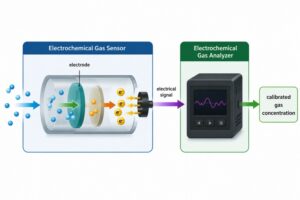



Industrial facilities rely on accurate gas measurements to keep processes stable and safe. An industrial oxygen analyzer measures oxygen concentration in process gases, flue gases, or controlled atmospheres. Engineers use these instruments to adjust combustion efficiency, monitor inerting systems, and protect sensitive production environments.
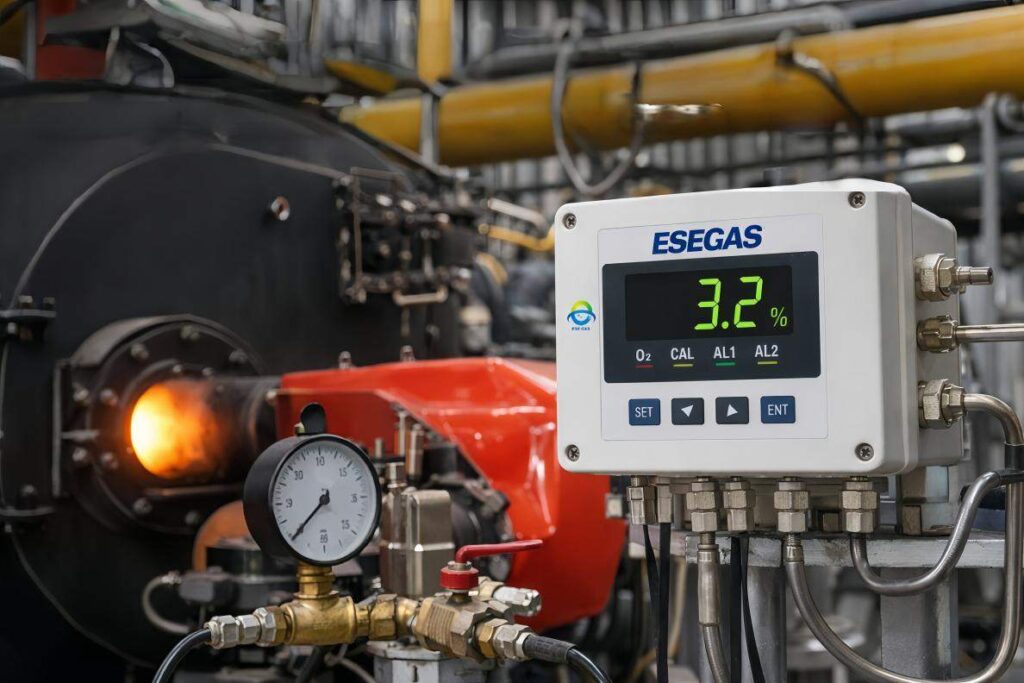
In many plants, oxygen concentration directly affects safety and efficiency. For example, combustion systems use oxygen readings to balance air-fuel ratios in boilers or furnaces. Accurate measurements help prevent incomplete combustion, reduce pollutant emissions, and save energy. Because of this role, the oxygen analyzer is not just a sensor. It is a key instrument in process optimization and operational safety.
Price therefore becomes a critical decision factor for engineers, procurement teams, and plant managers. A low-cost analyzer may reduce initial capital expense. However, poor accuracy, frequent calibration, or sensor failure can increase maintenance costs and process risk. On the other hand, premium instruments may offer better stability and longer service life. Buyers must balance technical performance with budget constraints.
This explains why many professionals search for “industrial oxygen analyzer price.” Most users want clear answers before purchasing equipment. They usually ask three practical questions:
- What factors cause large price differences between analyzers?
- How do different measurement technologies compare in cost and performance?
- Which solution provides the right accuracy without overspending?
Answering these questions requires more than a simple price list. Buyers need to understand the technology behind the analyzer and how it affects cost.
What Is the Typical Industrial Oxygen Analyzer Price Range Across the Market?

Understanding the industrial oxygen analyzer price begins with a broad view of the market. Prices vary widely because analyzers serve very different applications. Some devices perform quick safety checks in the field. Others run continuously in harsh industrial processes. As a result, the market spans from basic handheld instruments to high-precision online analyzers.
Entry-Level Industrial Oxygen Analyzer Price
Entry-level oxygen analyzers usually rely on electrochemical sensors and simple electronics. These devices often appear in portable gas detectors or handheld instruments. Typical prices range from about $200 to $500 for basic monitoring tasks.
Operators often use these oxygen analyzers for confined space checks or temporary troubleshooting. They provide fast readings and easy portability. However, they usually offer limited durability and shorter sensor life. This makes them suitable for simple monitoring rather than continuous process control.
Mid-Range Industrial Oxygen Analyzer Price
Mid-tier oxygen analyzers typically support fixed installation in industrial plants. Many use zirconia or paramagnetic sensing technology, which improves stability and accuracy. Typical prices often fall between $800 and $2,500, depending on configuration.
These oxygen analyzers often appear in combustion control systems, boiler monitoring, and process gas analysis. Some models include digital outputs, alarms, and integration with control systems. For many plants, this price segment delivers a practical balance between cost and performance.
Premium Industrial Oxygen Analyzer Price
High-end oxygen analyzers target demanding industrial or laboratory applications. These instruments may use advanced optical, laser, or high-precision paramagnetic technologies. Prices often start around $3,000 and can exceed $10,000, depending on performance requirements.
These oxygen analyzers provide superior accuracy, long-term stability, and minimal drift. They often operate in critical environments such as semiconductor production, research laboratories, or emission monitoring systems.
Portable vs Fixed Industrial Oxygen Analyzers
Another factor influencing industrial oxygen analyzer price is installation type. Portable analyzers usually cost less because they operate intermittently. Fixed online oxygen analyzers require rugged housings, stable sensors, and integration with process control systems. Oxygen analyzers in continuous monitoring system may also include sample conditioning systems, data interfaces, and industrial certifications. These additional components increase system complexity and overall cost.
Why Price Ranges Are Only a Rough Guide
It is important to treat price ranges as general market references rather than exact quotations. Actual costs depend on sensor type, measurement range, certifications, and system configuration. Supplier reputation and service support also influence the final price. Therefore, understanding pricing bands is only the first step. The real reason behind large price differences lies in technology, performance, and application requirements.
Why Do Industrial Oxygen Analyzer Prices Vary So Much? Key Factors Behind Industrial Oxygen Analyzer Price
Industrial buyers often notice a wide gap in industrial oxygen analyzer price. Some analyzers cost a few hundred dollars, while others exceed several thousand. This difference rarely comes from brand alone. Instead, several technical and operational factors shape the final price. Understanding these factors helps engineers and procurement teams avoid costly mistakes. It also helps them select an analyzer that matches real process requirements. Below are the key drivers behind the price differences.
1.Sensor Technology
Sensor technology is the single biggest factor affecting the industrial oxygen analyzer price. Different technologies use different measurement principles, materials, and electronics.
–Electrochemical sensors sit at the lower end of the market. These sensors measure oxygen through a chemical reaction with an electrolyte. They are inexpensive and suitable for simple monitoring tasks. However, the electrolyte gradually degrades, which shortens sensor life and requires frequent replacement.
–Zirconia and paramagnetic analyzers occupy the middle of the price spectrum. Zirconia sensors use a heated ceramic element to measure oxygen partial pressure. They respond quickly and tolerate high-temperature process gases. Paramagnetic analyzers measure oxygen using its magnetic properties and provide very high measurement accuracy.
–Optical and laser analyzers, such as TDLAS systems, sit in the premium segment. These analyzers measure oxygen absorption using a laser beam. They offer extremely high selectivity and minimal drift. Many high-purity or semiconductor processes rely on this technology.
Overall, the more advanced the sensing technology, the higher the typical analyzer price. But technology is only part of the story. Measurement requirements also drive costs.
2.Measurement Range and Accuracy Requirements
Measurement performance strongly affects the industrial oxygen analyzer price. Instruments designed for wider measurement ranges or tighter accuracy require more advanced sensors and electronics. For example, a simple oxygen analyzer may measure oxygen from 0–25%. That range works well for combustion monitoring. However, semiconductor or pharmaceutical production often requires detection at ppm or even ppb levels. Achieving this level of sensitivity requires more sophisticated technology and signal processing.
Accuracy also affects cost. High-precision oxygen analyzers often maintain deviations as small as ±0.1% of reading. Such precision demands stable sensors, precise temperature control, and advanced calibration systems. Therefore, industries with strict process tolerances usually invest in higher-end analyzers. But measurement performance is not the only cost driver. The operating environment also plays a role.
3.Environmental and Regulatory Requirements
Industrial environments can be harsh. High temperatures, dust, corrosive gases, and vibration challenge many instruments. To survive these conditions, analyzers must meet strict design and certification standards. For example, installations in hazardous areas may require ATEX or IECEx explosion-proof certification. Outdoor or process installations may also require high ingress protection ratings. These features increase manufacturing complexity and testing costs.
Compliance testing, certification audits, and rugged enclosures all contribute to a higher industrial oxygen analyzer price. However, they also ensure safe operation in demanding plants such as refineries or chemical facilities.
4.Hardware Design and System Integration
Beyond the sensor itself, many oxygen analyzers include additional hardware that raises the overall cost. Modern industrial analyzers often feature:
- High-resolution digital displays
- Analog and digital communication outputs
- Data logging and diagnostic functions
- Integration with plant DCS or SCADA systems
These features improve usability and process integration. However, they require additional electronics and software development. For continuous process monitoring, the oxygen analyzer may also require a sample conditioning system. Filters, pumps, and gas dryers add complexity and cost. As a result, system integration can significantly influence the final analyzer price.
5.Brand Reputation and After-Sales Support
Brand reputation also affects the industrial oxygen analyzer price. Well-known manufacturers usually invest heavily in product reliability, quality control, and technical support. These suppliers often provide longer warranties, global service networks, and certified calibration services. While the purchase price may be higher, the risk of downtime or measurement failure often decreases. For many industrial buyers, this reliability justifies the price difference. After all, unstable oxygen readings can disrupt entire production lines.
6.Economies of Scale and Procurement Strategy
Procurement strategy can also influence the price paid for an oxygen analyzer. Large plants often purchase multiple analyzers for different process units. Bulk purchasing or long-term supplier agreements often reduce unit costs. Some manufacturers also offer project pricing for large installations. Therefore, the industrial oxygen analyzer price you see online may differ from the final negotiated cost.
What Is the ESEGAS Industrial Oxygen Analyzer Price Range?
Understanding the industrial oxygen analyzer price becomes easier when looking at real product examples. Different technologies and installation types create clear price tiers. Below is a practical overview of the typical price range for several ESEGAS industrial oxygen analyzers. These examples help buyers understand what they may expect when evaluating similar equipment.
Online Industrial Oxygen Analyzer Price
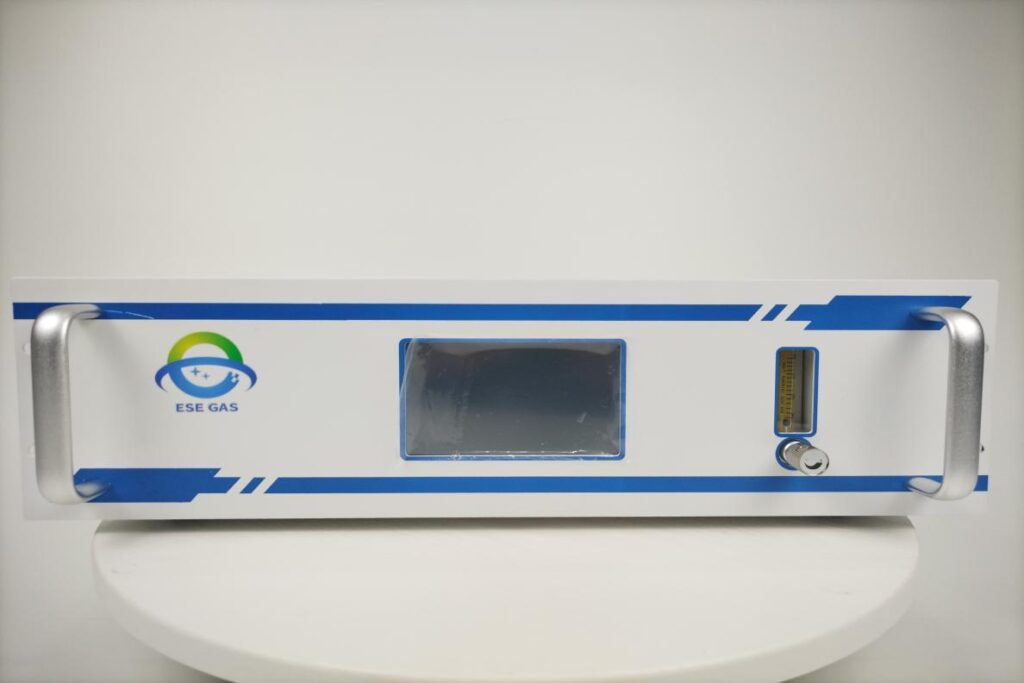
Online oxygen analyzers operate continuously in process systems. Plants commonly install them in control rooms or analyzer cabinets. These systems usually measure oxygen through sample extraction and conditioning before analysis. ESEGAS offers three common sensing technologies for online analyzers: electrochemical, paramagnetic, and TDLAS. Each technology targets different process requirements.
Electrochemical-based ESEGAS online oxygen analyzers typically range from $400 to $700. These oxygen analyzers provide a cost-effective solution for routine oxygen monitoring. Many plants use them in general process control, environmental monitoring, and safety systems. Electrochemical (EC) analyzers focus on affordability,
Paramagnetic-based ESEGAS online oxygen analyzers fall into a higher price bracket. Typical prices range from $5,500 to $7,000 depending on configuration. These analyzers offer excellent measurement stability and fast response. They are often used in high-precision process monitoring or clean gas streams. Paramagnetic analyzers focus on precision and stability.
TDLAS-based online oxygen analyzers are significantly more expensive than Paramagnetic-based online oxygen analyzers, so the price often needs to be negotiated with the supplier.
In-Situ Zirconia Industrial Oxygen Analyzer Price

Another widely used option is the in-situ ESEGAS zirconia oxygen analyzer. Unlike extractive analyzers, this device measures oxygen directly inside the flue or process gas stream. ESEGAS zirconia oxygen analyzers use zirconium oxide solid-electrolyte technology to measure oxygen concentration at high temperatures. This design works well in combustion systems such as boilers, furnaces, and kilns. Many power plants and industrial boilers prefer zirconia analyzers because they provide reliable measurements in harsh environments.
Typical prices for ESEGAS in-situ zirconia oxygen analyzers range from $1,100 to $1,800. This price level sits between electrochemical and paramagnetic solutions. The technology offers a good balance between cost, durability, and response speed.
How These Price Ranges Help Buyers
These examples show how industrial oxygen analyzer price changes with technology and installation method. Low-cost electrochemical oxygen analyzers suit simple monitoring tasks. Zirconia oxygen analyzers handle high-temperature combustion environments. Paramagnetic analyzers deliver high precision in controlled gas streams.
Conclusion
Selecting an industrial oxygen analyzer should not rely on price alone. Several factors drive the final cost. These include sensing technology, measurement accuracy, environmental certifications, and system integration. However, each technology serves a different purpose. This means the lowest purchase price rarely delivers the best long-term value. Engineers must consider reliability, calibration frequency, and maintenance effort. A slightly higher investment often reduces operational risks and maintenance costs.
Therefore, choosing the right oxygen analyzer requires balancing technology, performance, and lifecycle cost. This guide helps engineers and procurement teams understand the real drivers behind industrial oxygen analyzer price. With that knowledge, buyers can compare technologies more confidently and avoid common purchasing mistakes.
If you are evaluating oxygen monitoring solutions, ESEGAS industrial oxygen analyzers offer options for multiple process environments. Our portfolio includes electrochemical, paramagnetic, TDLAS, and zirconia technologies designed for reliable industrial gas analysis. Whether you need a cost-effective monitoring solution or a high-precision analyzer, our team can help you select the right configuration for your application.
FAQs:
1. What is the typical industrial oxygen analyzer price?
The industrial oxygen analyzer price varies widely depending on technology and configuration. Basic electrochemical analyzers may cost a few hundred dollars. Mid-range zirconia analyzers typically cost around $1,000–$2,000. High-precision paramagnetic or laser analyzers can exceed several thousand dollars. The final price depends on sensor technology, measurement range, certifications, and system integration.
2. Why do industrial oxygen analyzer prices vary so much?
Several technical factors drive price differences. These include sensor type, measurement accuracy, environmental certifications, and system design. For example, zirconia analyzers require high-temperature sensing elements that measure oxygen through ion conductivity in ceramic materials.
More advanced analyzers also include digital interfaces, automation integration, and enhanced durability, which increases cost.
3. Which sensor technology is the most affordable for oxygen analysis?
Electrochemical oxygen analyzers are usually the most affordable option. They rely on chemical reactions between oxygen and an electrolyte to generate a measurement signal. These analyzers are widely used in safety monitoring, food packaging, and environmental measurements. However, electrochemical sensors gradually degrade and often require periodic replacement.
4. Why are paramagnetic oxygen analyzers more expensive?
Paramagnetic oxygen analyzers measure oxygen using its natural magnetic properties. Oxygen molecules are attracted to magnetic fields, and the analyzer detects this effect to determine concentration. This technology offers excellent stability and accuracy. It also requires precise optical and mechanical components. These design features increase the overall instrument cost.
5. When should I choose a zirconia oxygen analyzer instead of other types?
Zirconia oxygen analyzers work well in high-temperature combustion processes. They are commonly installed directly in flue gas ducts or boilers. The zirconia sensor measures oxygen by detecting voltage generated from differences in oxygen partial pressure across a heated ceramic cell. Because of their fast response and durability, many power plants and industrial furnaces rely on zirconia analyzers.
6. Does a higher industrial oxygen analyzer price always mean better performance?
Not always. The best analyzer depends on the application. A low-cost electrochemical analyzer may work perfectly for simple monitoring. High-precision applications such as semiconductor manufacturing may require advanced laser or paramagnetic analyzers. The key is selecting the right technology for the process rather than choosing the most expensive option.
7. What factors should buyers consider besides the analyzer price?
Smart buyers evaluate the total cost of ownership, not just the purchase price. Important factors include:
- Sensor lifespan
- Calibration frequency
- Maintenance requirements
- Installation complexity
- Process compatibility
In many cases, a slightly higher upfront investment reduces long-term maintenance costs.
8. How can I choose the right industrial oxygen analyzer for my application?
Start by defining the measurement range, process conditions, and required accuracy. Next, compare suitable sensor technologies such as electrochemical, zirconia, or paramagnetic analyzers. Finally, evaluate lifecycle cost and supplier support. Working with experienced manufacturers can help ensure the analyzer matches the process environment and performance requirements.