Flue Gas Analyzers
Emissions Gas Analyzer
Syngas Analyzer
Process Gas Analyzer
Heat Treating Analyzer
NDIR Gas Analyzer
Greenhouse Gas Analyzer
Trace Gas Analyzer
FTIR Gas Analyzer
TDL Gas Module
NDIR Gas Sensor
UV-DOAS Gas Sensor
Carbon Dioxide(CO2) Analyzer
Carbon Monoxide(CO) Analyzer
Methane(CH4) Analyzer
SO2 Gas Analyzer
NOx Gas Analyzer
Zirconia Oxygen Analyzer
Oxygen(O2) Gas Analyzer
Oxygen/Moisture Analyzer
Hydrogen(H2) Gas Analyzer
Ammonia (NH3) Gas Analyzer
HCl Gas Analyzer
HF Gas Analyzer
Ultrasonic Flow Meter
Portable Syngas Analyzer
Portable Biogas Analyzer
Portable FTIR Gas Analyzer
Portable Flue Gas Analyzer
Portable Laser Gas Analyzer
TDL Laser Gas Analysis System
VOC Analyzer
Mercury CEMS
FTIR CEMS
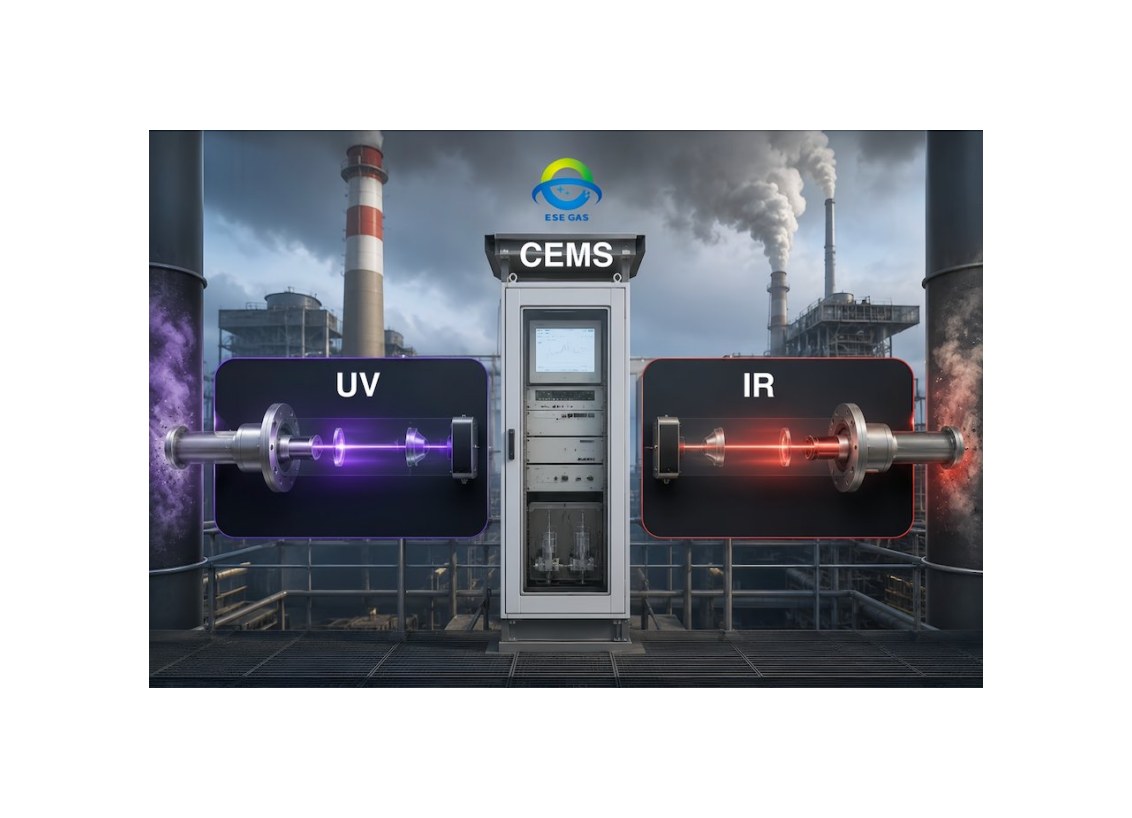
Continuous Emission Monitoring System(CEMS)
Ambient Air Quality Monitoring System(AQMS)
Emission Gas Monitoring
AQMS
Process Gas Control
Lab & Institute Gas Monitoring
Leakage Gas Monitoring
Medical Gas Monitoring
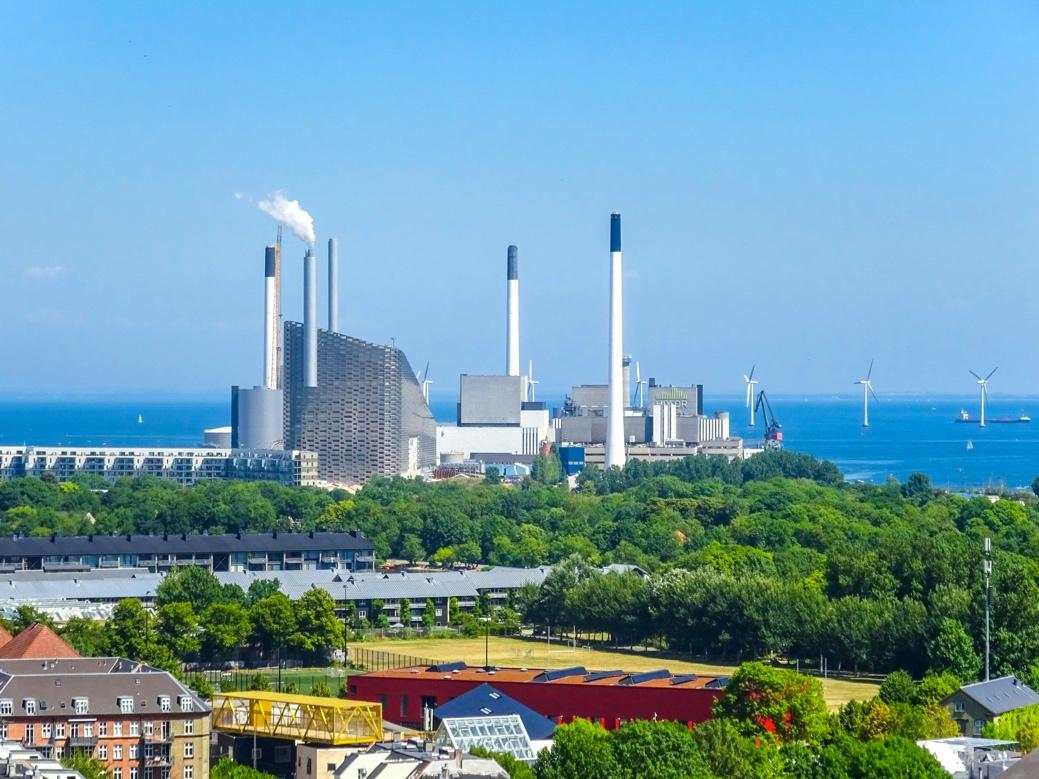
Waste-to-energy (WtE) plants must monitor multiple air pollutants under demanding flue gas conditions. These include SO₂, NOₓ, HCl, HF, NH₃,
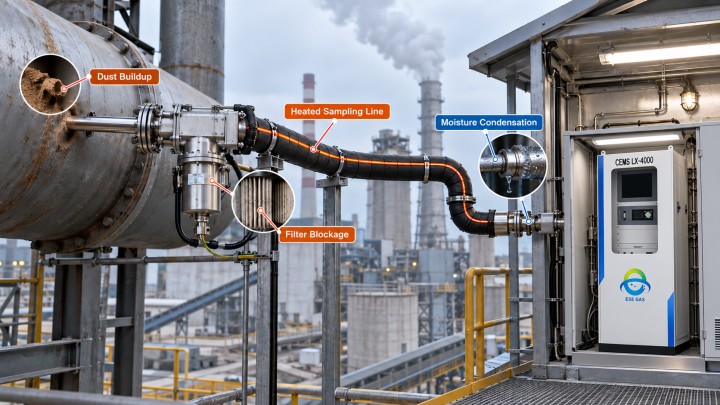
A Continuous Emissions Monitoring System (CEMS) may suddenly report low sample flow, unstable gas concentrations, or a sampling fault. In
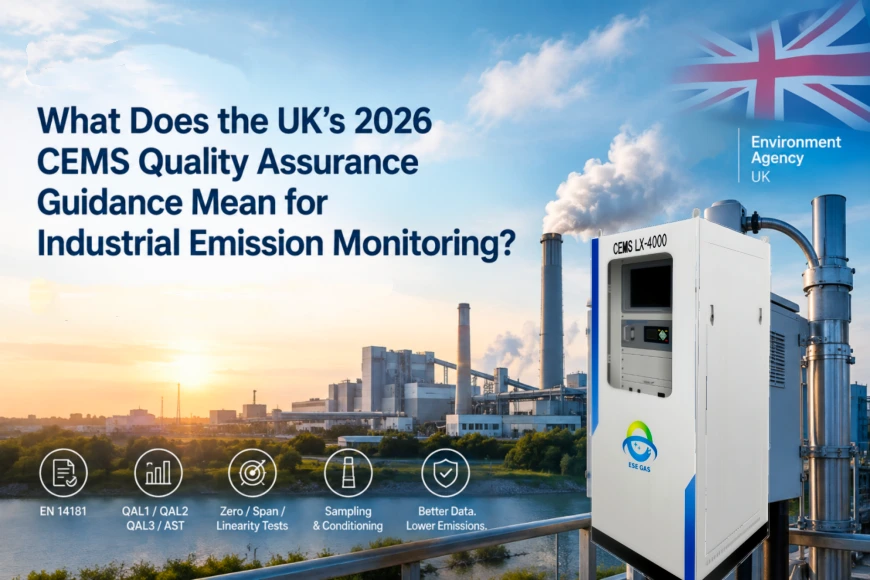
NEWS UPDATE The UK Environment Agency updated its guidance on continuous emissions monitoring on September 14, 2026. The update applies to
Carbon capture is creating a new role for Continuous Emission Monitoring Systems (CEMS). Traditionally, CEMS have focused on measuring pollutants
Industrial operators may know that Europe’s updated emissions framework has entered its national implementation stage, yet many are still uncertain
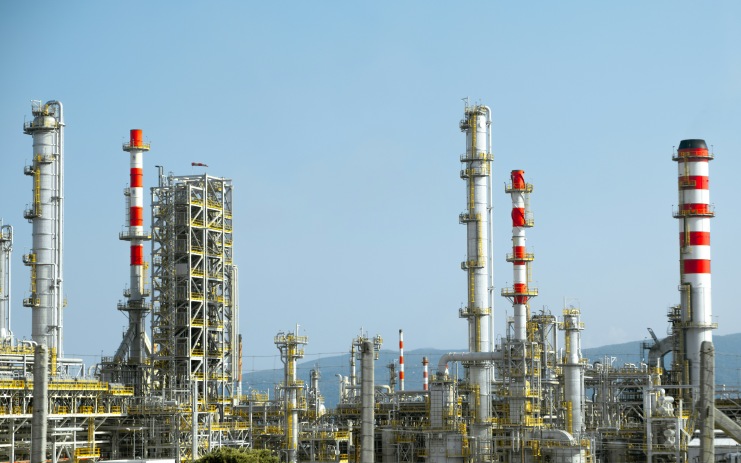
Complex refinery emissions, harsh flue gas, and demanding compliance requirements can make CEMS difficult to maintain. A properly designed system
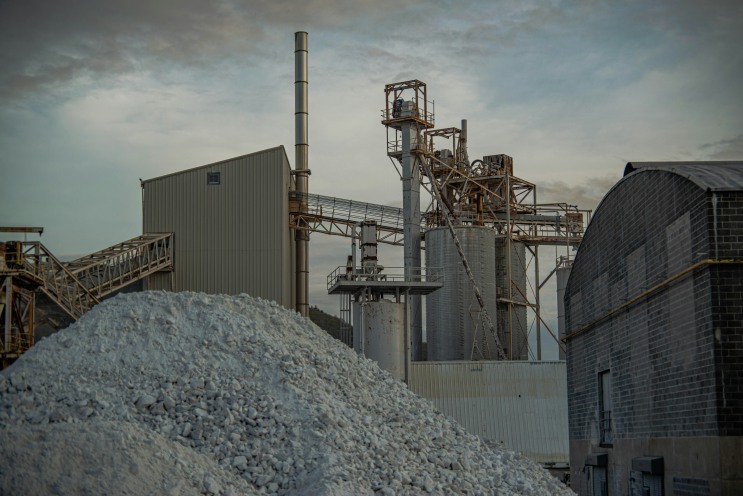
Your CEMS keeps failing because cement kiln exhaust is hot, dusty, and corrosive. Frequent maintenance increases costs, interrupts production, and
A continuous emission monitoring system (CEMS) does more than measure flue gas. It directly affects compliance, reporting accuracy, and operational
Carbon accounting sounds straightforward until real plant conditions begin to interfere with neat theoretical calculations. Many industrial operators still rely
When an online monitoring system like CEMS runs 24/7, weather doesn’t just “change the scenery”—it can quietly change your numbers.
In a steel mill, standard laboratory-grade sample gas coolers break down quickly. These units work fine in clean labs, but
A sample gas conditioning system plays a crucial role in any extractive Continuous Emissions Monitoring System (CEMS). After stack gas leaves
We will contact you within 1 working day, please pay attention to the email with the suffix “[email protected]” .