Category: Gas Monitoring System

Blog

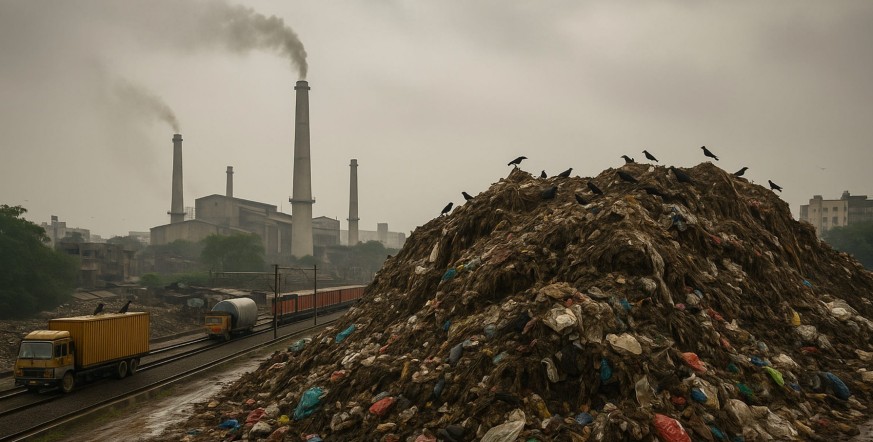
Waste-to-energy (WtE) plants must monitor multiple air pollutants under demanding flue gas conditions. These include SO₂, NOₓ, HCl, HF, NH₃,

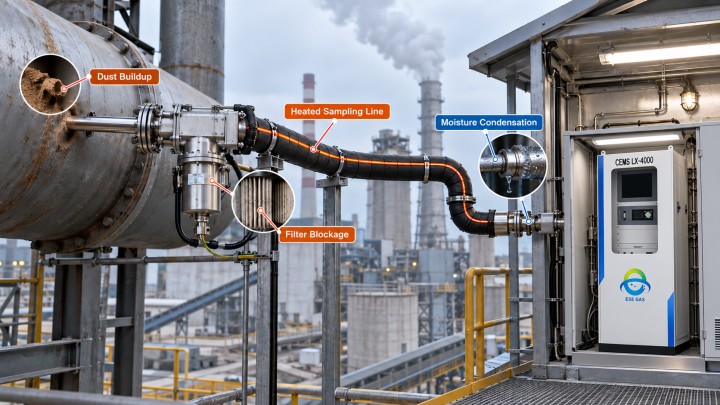
A Continuous Emissions Monitoring System (CEMS) may suddenly report low sample flow, unstable gas concentrations, or a sampling fault. In

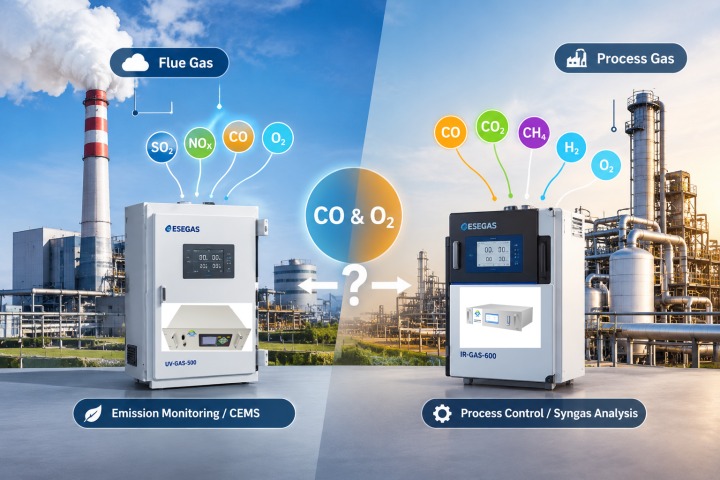
When both a flue gas analyzer and a process gas analyzer can measure CO and O₂, choosing between them may

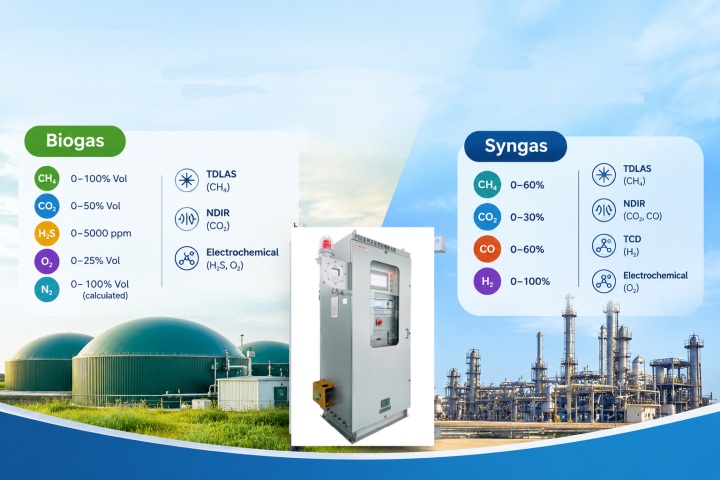
Biogas and syngas may both be combustible process gases, but their compositions, origins, contaminants, and monitoring goals are different. Choosing

Industry Update In 2026, a carbon capture and mineralisation project at a cement plant in Fujairah, UAE, moved toward continuous

Carbon capture is creating a new role for Continuous Emission Monitoring Systems (CEMS). Traditionally, CEMS have focused on measuring pollutants

High dust, extreme temperatures, unstable combustion, and tight emission limits make cement kiln gas difficult to measure. Without reliable gas

Complex refinery emissions, harsh flue gas, and demanding compliance requirements can make CEMS difficult to maintain. A properly designed system

Your CEMS keeps failing because cement kiln exhaust is hot, dusty, and corrosive. Frequent maintenance increases costs, interrupts production, and

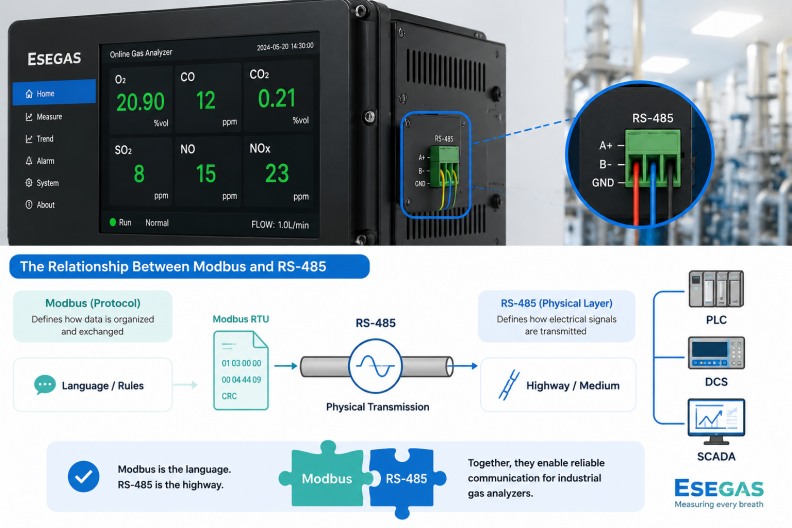
Choosing a gas analyzer should be straightforward. Yet many buyers get stuck when they see both RS485 in gas analyzer

Industrial emission monitoring becomes far more difficult when flue gas contains moisture, acid gases, ammonia slip, nitrogen oxides, carbon compounds,

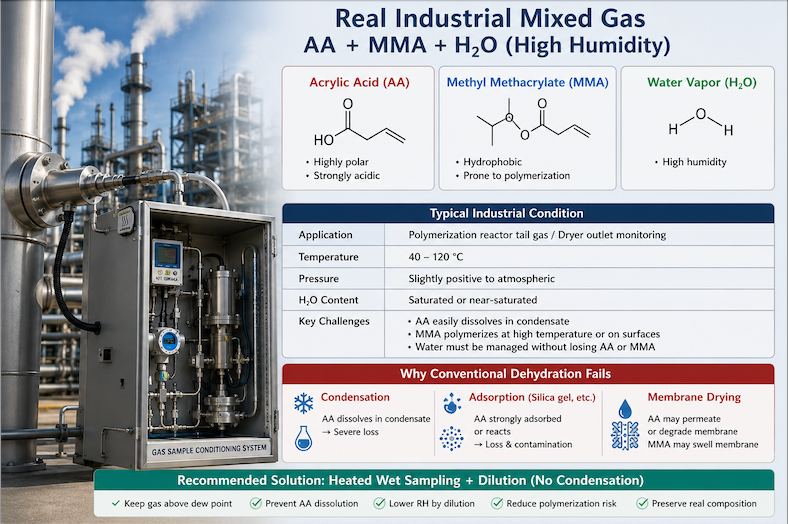
Water removal in a gas sample conditioning system sounds straightforward—until moisture starts changing the sample itself. In real industrial environments,

Ask For A Quick Quote !

We will contact you within 1 working day, please pay attention to the email with the suffix “[email protected]” .

[gravityform id="3" title="false" ajax="false"]