In industrial measurement, gas analyzer accuracy describes how close an analyzer’s reading is to the true gas concentration. It’s not just a label
Maintaining your dust monitor is essential to meet environmental rules and protect your facility. Regulatory bodies require continuous, real-time particulate data for emission reporting
In a steel mill, standard laboratory-grade sample gas coolers break down quickly. These units work fine in clean labs, but
In steel mills, combustion and emissions control take place under extreme heat and heavy industrial stress. Accurate measurement of flue
In practice, many emission issues start at the sampling point. If the gas sampling probe sits in the wrong place
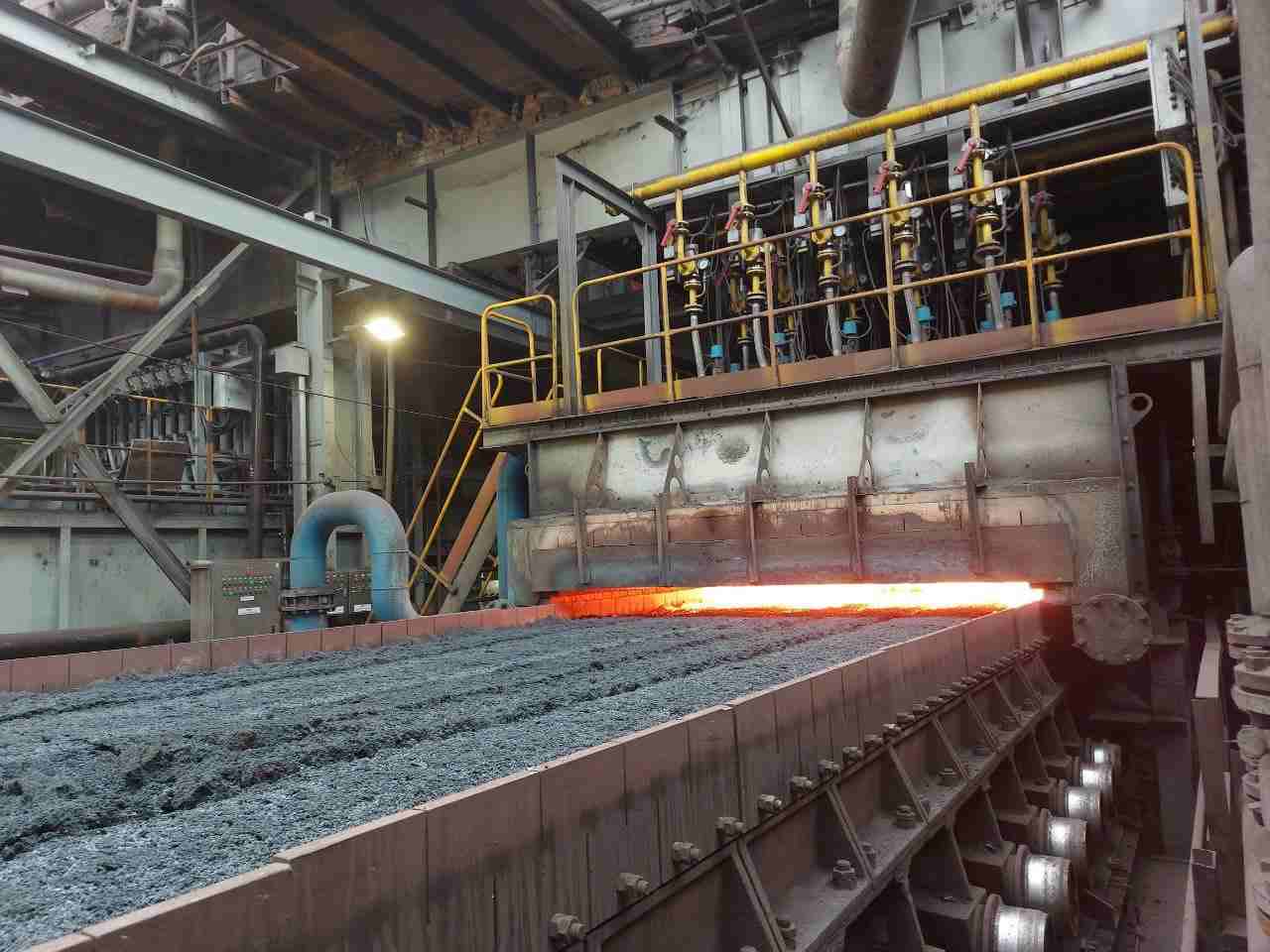
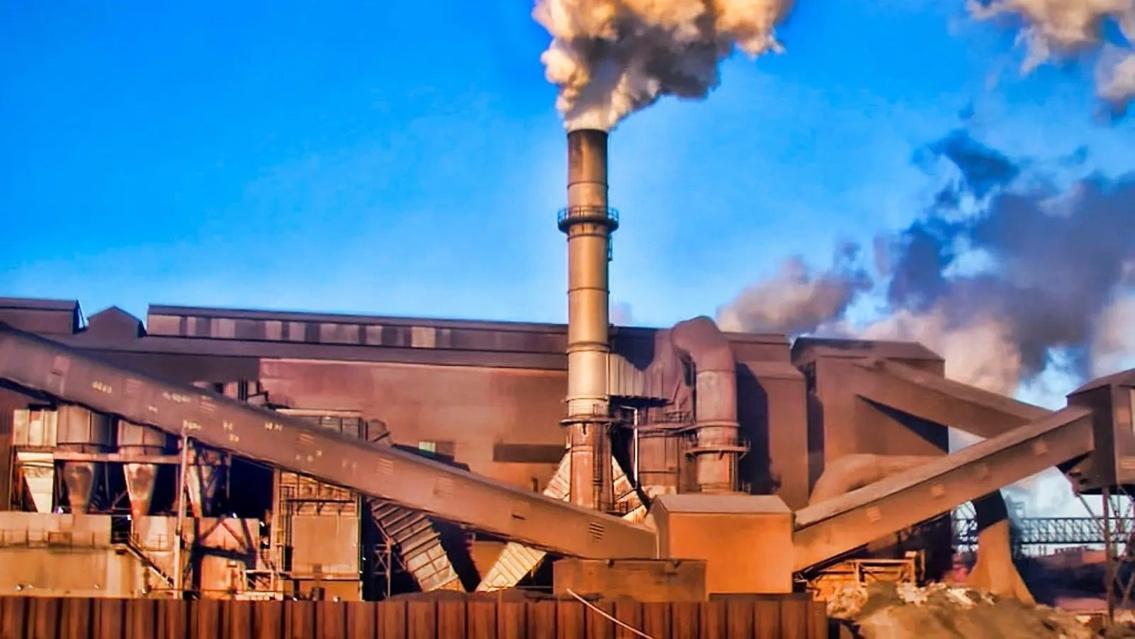
In a steel mill, emissions come from intense heat and heavy industrial action. Processes like blast furnace smelting, sintering machines,
Within a Continuous Emission Monitoring System (CEMS), temperature, pressure, and flow meters play integrated roles. These sensors do much more than record numbers. They
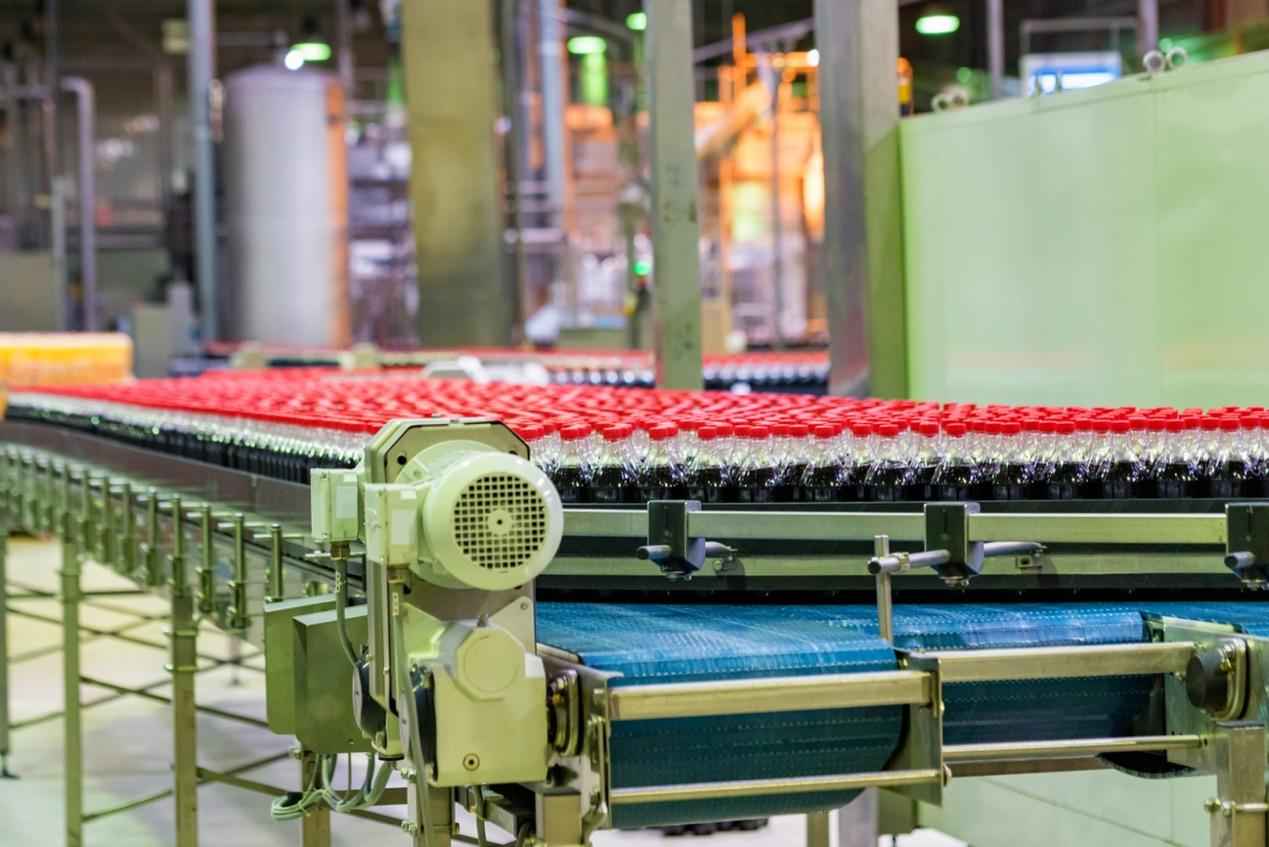
Inconsistent flow control can lead to waste, contamination, and serious quality risks in food production. For manufacturers aiming at high hygiene and
NDIR gas analyzer drift refers to a gradual shift in measured values when the actual gas concentration stays constant. In practice, an
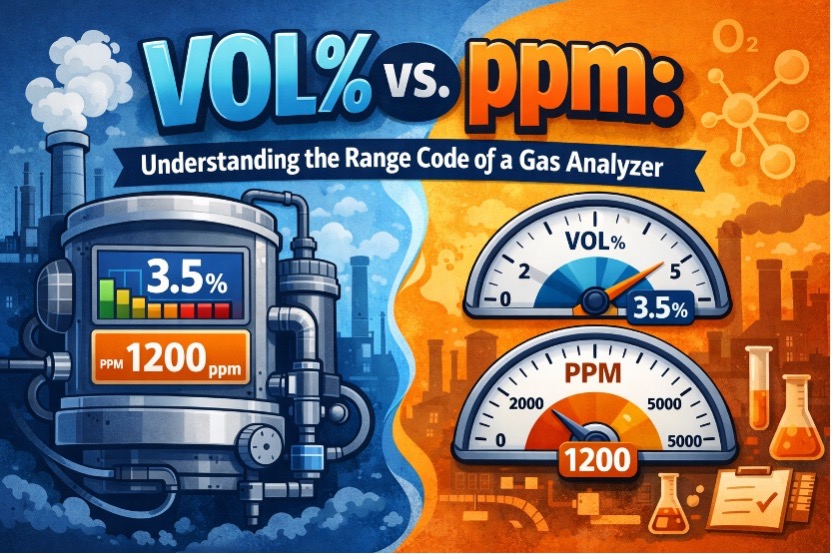
In the technical parameters of gas analyzers, two units appear frequently: VOL% and ppm. They are like “two languages” that
Welcome to the ESEGAS FAQ hub for Ultrasonic Flow Meters. Here you’ll find answers to the most common questions about
Industrial gas measurement can be complex, expensive, and error-prone. Traditional flow meters often fall short in dynamic, high-temperature environments. Ultrasonic Flow
We will contact you within 1 working day, please pay attention to the email with the suffix “[email protected]” .