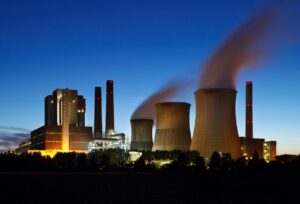




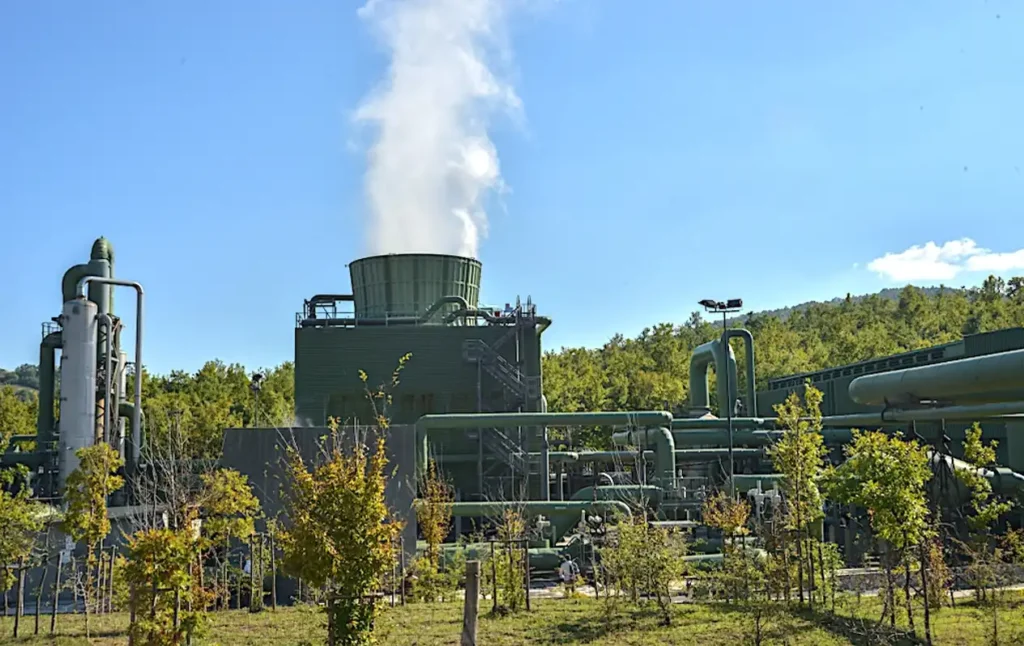
Geothermal energy is often described as a clean and reliable renewable resource. However, geothermal fluids rarely contain pure steam. Most reservoirs release a mixture of steam, brine, and naturally occurring gases. These gases are known as non-condensable gases (NCGs). For plant engineers, these gases cannot be ignored. Continuous monitoring provides visibility into gas composition and process behavior. A process gas analyzer enables operators to detect changes in gas concentration in real time. This data supports safer operation and more stable power generation.
How Does a Process Gas Analyzer Fit into Different Geothermal Power Plant Processes?
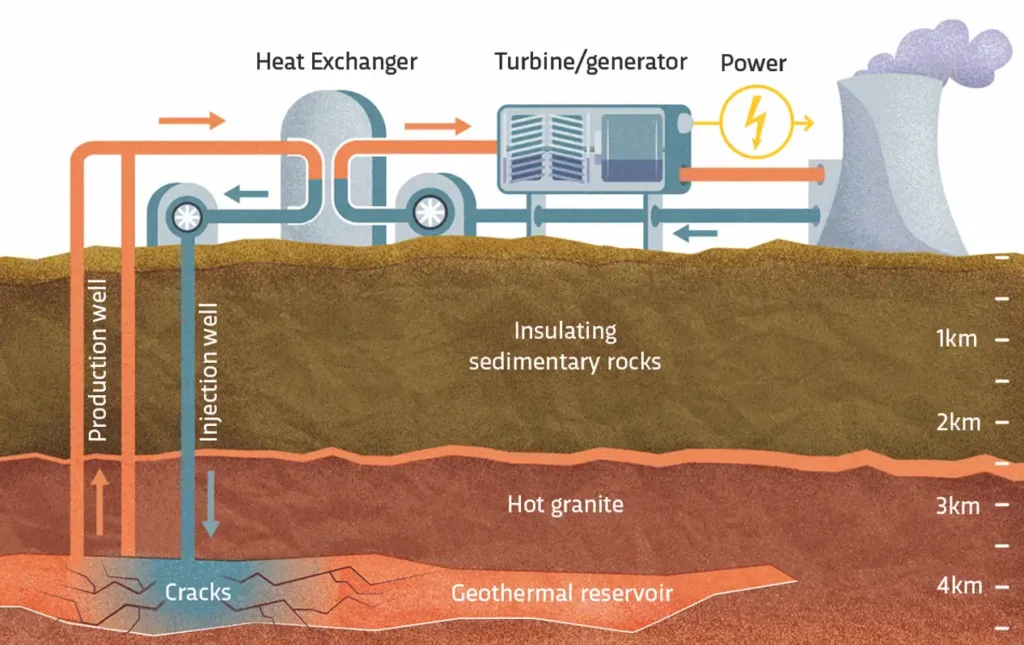
Understanding where to install a process gas analyzer requires a quick look at how geothermal power plants operate. Although plant designs vary, most facilities follow similar process paths. Steam or hot fluids travel from underground reservoirs to surface equipment. During this journey, gases separate, accumulate, and move through several process units. These stages create multiple monitoring points for gas analysis.
Most geothermal facilities fall into three main configurations: dry steam plants, flash steam plants, and binary cycle plants. Each design handles geothermal fluids differently, which also affects how gases appear in the process.
These plant configurations create different gas distribution points across the system. That is exactly where process gas monitoring becomes valuable. Engineers rely on process gas analyzers in four major stages: Wellhead and production monitoring, Steam separation and turbine inlet control, Non-condensable gas removal systems, Environmental emission monitoring. Each monitoring point serves a different operational purpose. Together, they form a complete gas management strategy for geothermal facilities.
Why Is a Process Gas Analyzer Installed at the Geothermal Wellhead?
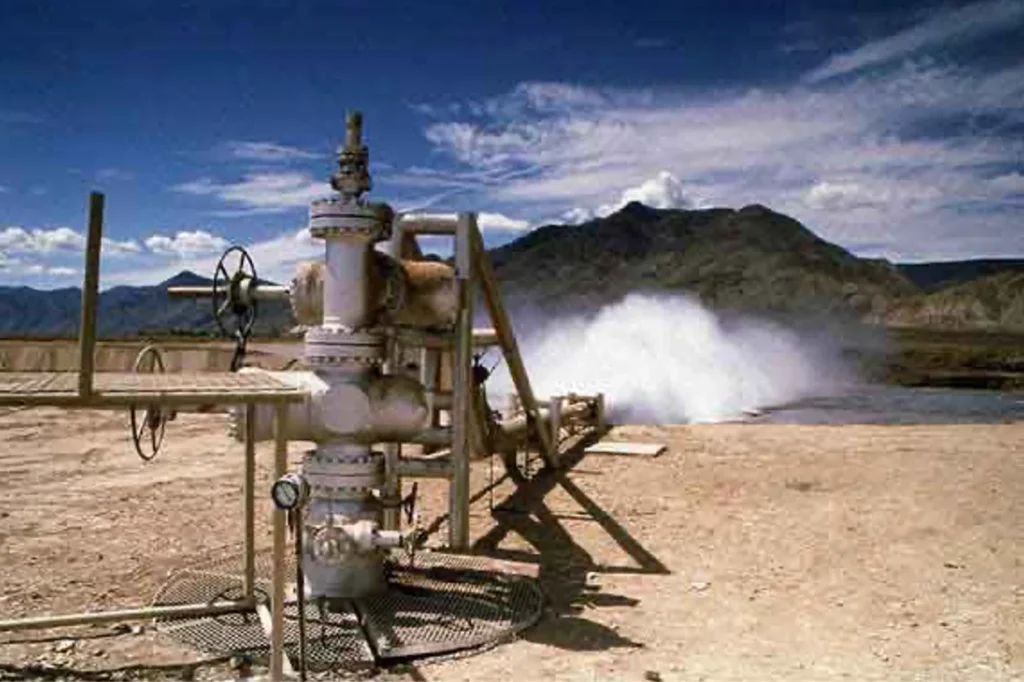
Why Gas Analysis Starts at the Wellhead
Gas monitoring usually begins at the geothermal wellhead. At this point, the produced fluid forms a complex mixture. It typically contains steam, liquid brine, and dissolved gases rising from the reservoir. As the fluid travels upward, pressure decreases and part of the liquid flashes into steam. During this phase change, dissolved gases separate and enter the vapor stream. A process gas analyzer installed near the wellhead helps operators understand this gas composition early. Engineers use these measurements to determine reservoir gas characteristics and gas-to-steam ratios. The data also reveals potential corrosion risks or safety hazards before the fluid enters the plant. In other words, the wellhead acts as the first diagnostic point for the entire geothermal production system.
Key Gases Monitored at the Wellhead
Operators typically track several gases at the wellhead. Each gas reveals important information about the reservoir and the production process.Hydrogen sulfide (H₂S) is one of the most critical components. It is toxic and highly corrosive. Even small concentrations can threaten worker safety and damage equipment. Carbon dioxide (CO₂) often dominates the non-condensable gas mixture in geothermal systems. In many fields, it represents the majority of NCG content in the produced steam. Methane (CH₄) may also appear in geothermal fluids. Although usually present in smaller amounts, it introduces flammability risks in confined areas. Operators also monitor oxygen (O₂). Oxygen rarely exists in geothermal reservoirs naturally. Its presence usually signals air leakage or system ingress. Together, these measurements provide a clear picture of well conditions and gas behavior.
Operational Value of Wellhead Gas Monitoring
Continuous gas monitoring delivers several operational benefits. First, it helps engineers characterize reservoir chemistry and gas distribution. This information supports long-term reservoir management. Second, gas composition trends reveal changes in well productivity. A sudden shift in gas concentration may indicate reservoir pressure changes or scaling problems. Third, monitoring provides early warning of abnormal gas releases. This capability improves plant safety and protects downstream equipment. For these reasons, the wellhead serves as the first control point for geothermal gas management. However, monitoring cannot stop there.
Once the fluid leaves the wellhead, it enters separators and steam pipelines. Gas behavior continues to evolve during this stage. Therefore, the next critical monitoring location appears during steam separation and turbine inlet control.
How Does a Process Gas Analyzer Support Steam Separation and Turbine Inlet Control?
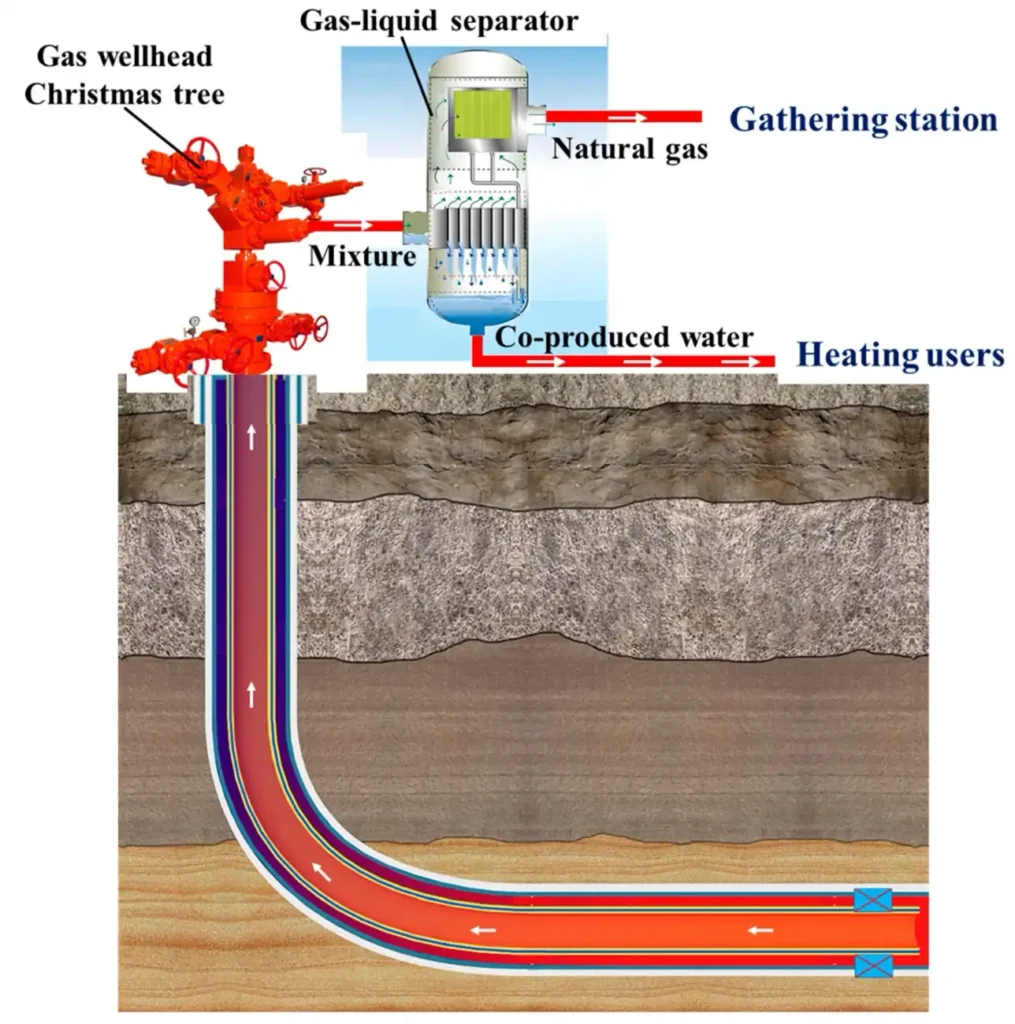
Gas Behavior During Steam Flashing
In many geothermal plants, the production fluid enters a flash separator before reaching the turbine. The incoming stream usually contains hot brine, steam, and dissolved gases. When pressure drops inside the separator, part of the liquid instantly flashes into steam. During this flashing stage, steam separates from the liquid brine. However, most non-condensable gases (NCGs) remain in the vapor phase. These gases mix with the steam leaving the separator and continue through the steam pipeline.
The resulting steam stream flows toward the turbine inlet. Along the way, it may still carry carbon dioxide, hydrogen sulfide, and other gases from the reservoir. If operators do not monitor this mixture, gas levels may fluctuate without warning. Therefore, engineers treat the separator outlet as an important gas monitoring point.
Why Turbine Protection Requires Gas Monitoring
Gas concentration strongly affects turbine performance. Even moderate levels of non-condensable gases can disturb the thermodynamic cycle. When NCG content increases, condenser vacuum becomes harder to maintain. The trapped gases raise condenser pressure and reduce the turbine’s expansion efficiency. Higher back-pressure directly lowers power output from the steam turbine. In severe cases, excessive gas content can cause unstable turbine operation or increased steam consumption. In short, uncontrolled gas levels waste energy and reduce plant efficiency. That is why turbine protection always includes reliable gas monitoring.
Analyzer Applications in Steam Separation Systems
A process gas analyzer provides real-time visibility into the steam composition before it enters the turbine. Operators use this data to confirm steam purity and track non-condensable gas levels. The analyzer also helps evaluate separator performance. If gas concentration rises, engineers can adjust separator pressure or flow conditions. This adjustment improves steam quality before it reaches the turbine.
More importantly, stable gas monitoring allows operators to maintain optimal turbine inlet conditions. Clean and consistent steam improves turbine efficiency and protects critical equipment. However, the gas monitoring task does not end at the turbine inlet. After steam expands through the turbine, gases accumulate in the condenser system.
Therefore, the next important monitoring stage focuses on non-condensable gas removal systems, where gas analyzers play another critical role.
How Does a Process Gas Analyzer Improve Non-Condensable Gas Removal Systems?
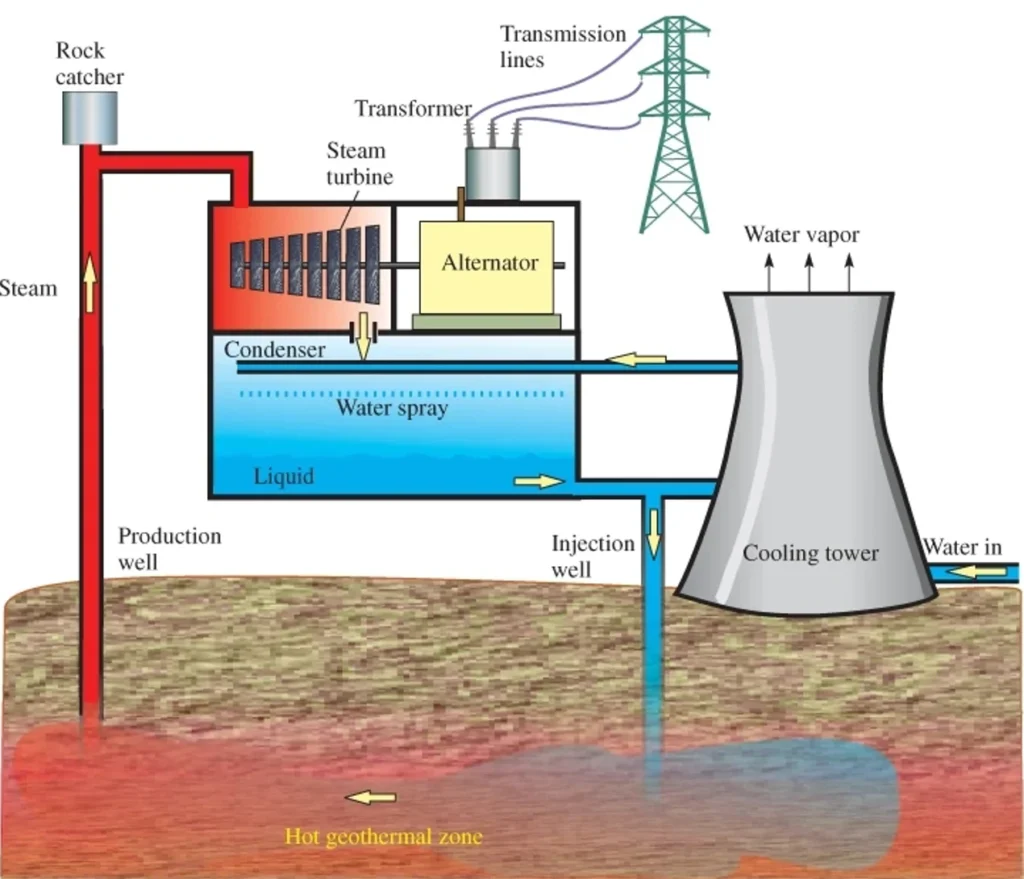
Why NCG Removal Is Essential
After steam exits the turbine, it enters the condenser where it cools and turns back into water. However, non-condensable gases (NCGs) do not condense under these conditions. Instead, they accumulate inside the condenser volume. As gas concentration increases, condenser pressure begins to rise. This pressure rise weakens the vacuum needed for efficient turbine expansion. When the turbine back-pressure increases, the plant produces less electricity from the same steam flow.
In other words, trapped gases reduce both thermal efficiency and power output. Operators must continuously remove these gases to maintain stable condenser operation. Therefore, geothermal plants rely on dedicated NCG removal systems to keep the condenser under proper vacuum conditions.
Typical Gas Removal Systems in Geothermal Plants
Several technologies remove non-condensable gases from geothermal condensers. Each system creates suction that extracts the gas mixture from the condenser space.
1.Steam jet ejectors are widely used when gas content remains relatively low. They use high-velocity steam to draw gases from the condenser.
2.Some plants apply hybrid ejector-compressor systems. These combine steam ejectors with mechanical vacuum pumps to improve efficiency.
3.Mechanical compressors represent another option, especially in fields with higher gas fractions. These compressors directly extract and compress the gas stream before discharge.
Analyzer Roles in Gas Removal Units
A process gas analyzer provides critical feedback for gas removal systems. It measures key components such as carbon dioxide (CO₂) and hydrogen sulfide (H₂S) in the extracted gas stream. These measurements help operators evaluate gas extraction efficiency. If gas concentration rises unexpectedly, engineers can adjust ejector pressure or compressor load. Accurate gas data also improves condenser vacuum control. Stable vacuum conditions allow the turbine to operate closer to its design efficiency.
In practice, reliable gas monitoring leads to three clear benefits: stronger condenser vacuum, more stable ejector operation, higher overall plant efficiency. However, gas management does not end at the condenser outlet. Extracted gases still require environmental control and regulatory reporting.
Therefore, the next section explores the final monitoring stage: environmental emission monitoring in geothermal power plants.
Why Is a Process Gas Analyzer Required for Environmental Emission Monitoring in Geothermal Plants?
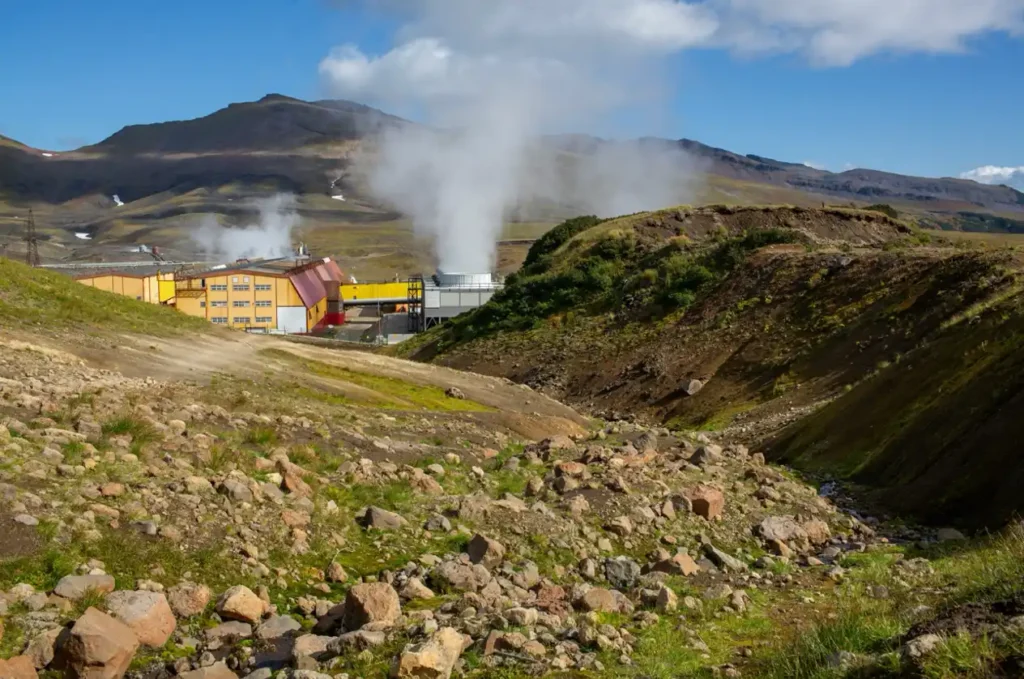
Why Geothermal Plants Still Require Emission Control
Geothermal power plants do not burn fuel to generate electricity. However, they can still release gases that originate from underground reservoirs. The most common emissions include hydrogen sulfide (H₂S) and carbon dioxide (CO₂) carried by geothermal steam. Although these emissions are much lower than fossil-fuel plants, they still require control. Hydrogen sulfide remains the main environmental concern because of its strong odor and toxicity. Many geothermal facilities install gas treatment systems to capture or convert this compound before release.
Regulatory Monitoring Requirements
Environmental regulations in many regions require continuous monitoring of industrial emissions. Power plants must measure gas concentrations and report atmospheric releases to regulatory agencies. A process gas analyzer plays a key role in this task. The analyzer continuously measures gases such as CO₂, carbon monoxide (CO), and oxygen (O₂) in exhaust streams. These measurements help operators verify compliance with environmental limits.
In addition, accurate monitoring supports gas abatement systems that remove hydrogen sulfide from vent streams. Modern treatment technologies can eliminate more than 99% of H₂S when properly controlled. Therefore, reliable gas monitoring protects both the environment and plant operating permits.
Key Monitoring Locations in Geothermal Facilities
Emission monitoring normally occurs at several discharge points across the plant. Each location reflects a different stage of the geothermal power cycle.
Cooling tower vents represent one important monitoring location. Some gases escape during the cooling and condensation process. Studies show that cooling towers may release trace amounts of H₂S into the surrounding air. Gas abatement systems also require monitoring. Engineers measure inlet and outlet gas concentrations to verify treatment efficiency. Finally, stack or vent emissions must be continuously analyzed before release into the atmosphere.
Together, these monitoring points provide a complete picture of geothrmal power plant emissions.
Conclusion
A process gas analyzer provides the visibility needed to manage these challenges from non-condensable gases such as CO₂ and H₂S. It delivers real-time gas composition data across the production chain. Operators can track reservoir gas characteristics, protect turbine performance, and control condenser pressure. Reliable monitoring also supports emission compliance and safe plant operation.
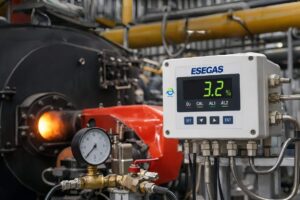
If you are evaluating monitoring solutions for geothermal applications, ESEGAS process gas analyzer offer reliable measurement for harsh industrial environments. They help operators monitor key gases such as CO₂, H₂S, CH₄, and O₂ across geothermal production systems. However, selecting the right analyzer technology is just as important as choosing the monitoring point. Different measurement principles perform better under different process conditions.
So in the next article, we will take a deeper look at the technologies behind these process gas monitoring instruments. Continue reading our next blog: “What Process Gas Analyzer Technologies Are Used in Geothermal Power Plants?” It explores the measurement principles that power modern process gas analyzer systems.
FAQs:
1. What gases are typically present in geothermal power plants?
Geothermal fluids usually contain non-condensable gases (NCGs) such as CO₂, H₂S, CH₄, and N₂. These gases originate from underground formations and travel with steam through the plant.
2. Why are process gas analyzers important in geothermal power plants?
Process gas analyzers provide real-time data on gas composition. This helps operators maintain efficiency, protect equipment, and ensure safe operation. Without monitoring, gas buildup can reduce turbine output and increase corrosion risks.
3. Where are process gas analyzers installed in geothermal plants?
Engineers typically install analyzers at key process points:
- Wellhead and production lines
- Steam separator outlets
- Turbine inlet pipelines
- Condenser gas removal systems
- Emission monitoring stacks
These locations cover the full gas lifecycle in the plant.
4. Why must non-condensable gases be removed from geothermal systems?
NCGs accumulate in the condenser and increase pressure. Higher condenser pressure reduces turbine efficiency and power output.
5. How does gas monitoring improve turbine performance?
Gas monitoring ensures stable steam quality at the turbine inlet. Lower gas content improves expansion efficiency and reduces back-pressure. This leads to higher power generation and lower steam consumption.
6. Can gas analyzers help detect operational problems early?
Yes. Sudden changes in gas concentration may indicate reservoir changes, leaks, or equipment issues. Early detection helps prevent downtime and costly failures.