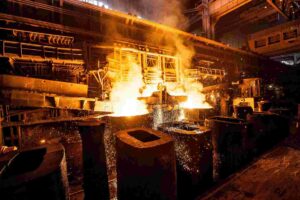




In steel mills, combustion and emissions control take place under extreme heat and heavy industrial stress. Accurate measurement of flue gas temperature, pressure, and flow is essential to generate reliable data for environmental reporting and process control. These three parameters form the foundation of a good Continuous Emissions Monitoring System (CEMS), ensuring that what you report reflects real operating conditions.

Steel manufacturing facilities must follow strict emissions limits set by regulatory bodies such as the EPA and local authorities. CEMS captures real-time data on gas emissions, and the math behind mass emissions depends heavily on temperature, pressure, and flow values. If any of these inputs are wrong, the calculated emissions rates can become inaccurate, risking non-compliance and fines.
Beyond compliance, plant managers use this measurement data to optimize combustion efficiency and enhance safety. When operators know true stack conditions, they can fine-tune fuel use, reduce energy waste, and plan maintenance more effectively. In short, choosing the right temperature, pressure and flow meters helps steel mills ensure both regulatory reporting accuracy and smooth, efficient plant operations.
Why Are Temperature, Pressure and Flow Meters Critical for Steel Mill CEMS?
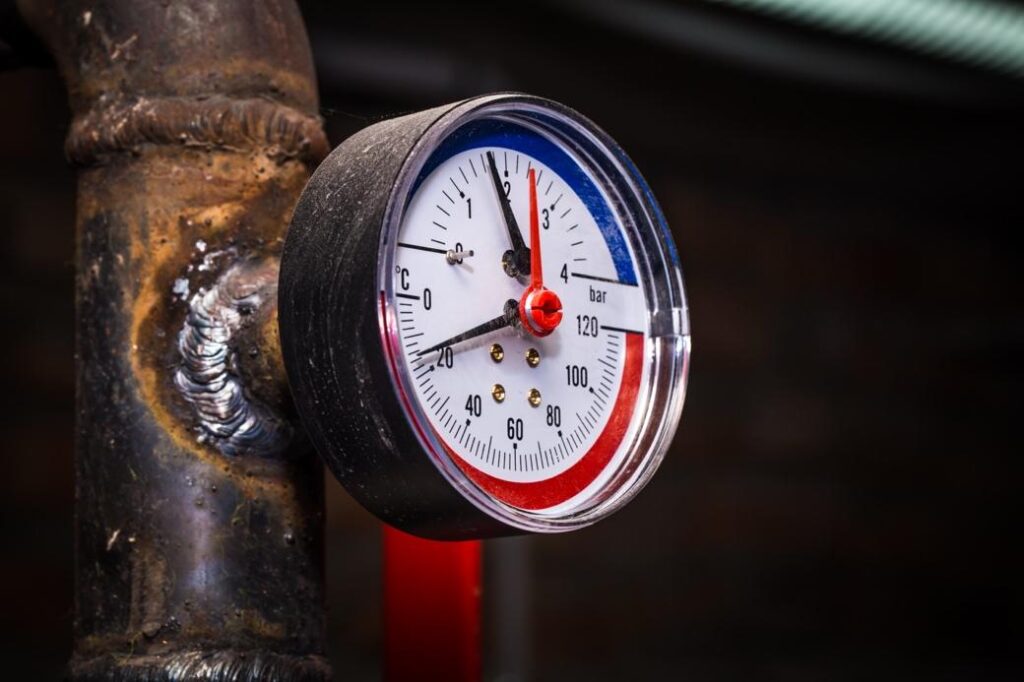
Accurate temperature, pressure and flow meter measurements play a central role in calculating emissions mass from a steel mill’s stack or duct. Regulators require not only pollutant concentrations but also mass emissions (e.g., kg/hour), which means you must convert raw gas concentrations into mass flow. That conversion depends on knowing the actual gas density and volumetric flow rate. Temperature and pressure influence how tightly gas molecules pack together and how dense the gas is, while flow tells you how much gas is moving through the stack per unit time. Without correct values for all three, the system cannot produce reliable mass emission data that meets environmental reporting standards.
Beyond compliance, temperature, pressure and flow measurements directly affect process performance and equipment longevity. For example, inaccurate temperature data can lead to water condensation inside sampling lines, which damages sensors and alters gas composition. Likewise, incorrect pressure or flow readings can mask stack reversals or turbulent conditions that accelerate corrosion or create unsafe conditions for CEMS components. Reliable metering helps engineers diagnose real process issues, optimize combustion control, and train predictive maintenance programs that reduce unplanned downtime.
What Are the Core Selection Criteria for a CEMS Temperature, Pressure and Flow Meter in Steel Mills?
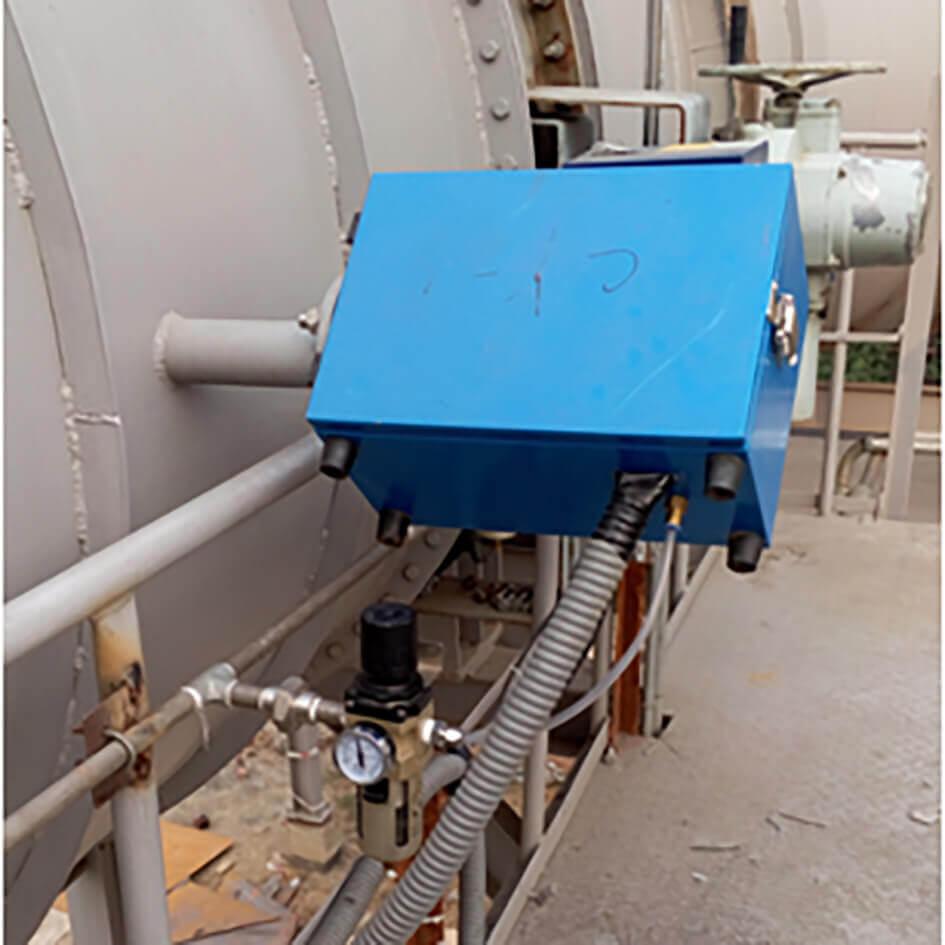
When selecting a CEMS temperature, pressure and flow meter for a steel mill, you need an integrated instrument that can continuously measure flue gas temperature, static pressure, differential pressure, and velocity inside ducting or stack pipelines. A reliable system blends multiple sensing elements — such as a Pitot tube, high-precision temperature probe, differential and static pressure sensors, solenoid-valve assemblies, and an electronic control module — into one monitoring unit that runs automatically under normal operation. This arrangement captures real-time thermal and pressure data from the flue gas stream without manual intervention.
For a steel mill, high accuracy and long-term stability are non-negotiable. The integrated monitor must deliver repeatable, precise measurements of temperature, pressure, differential pressure, and flow rate over long periods to support emissions reporting and operational decisions. Look for systems that withstand high temperature, dust, humidity, and corrosive environments typical of steel mill flue gas, ensuring data quality stays consistent week after week.
In addition, the system should be adaptable to various duct or stack configurations. A smart, flexible design lets you position the probe and sensors to match different stack diameters and shapes, reducing installation complexity and improving measurement reliability.
Ease of use also matters. A user-friendly interface lets operators quickly set up and read real-time data, while efficient operation reduces the learning curve. Modern systems also support automatic self-calibration and self-cleaning. For example, integrated blowback mechanisms periodically clear deposits from the Pitot tube and then perform zero calibration to maintain baseline accuracy with minimal manual effort.
Security and data integrity are critical too. Multi-level user access control ensures only authorized personnel can change settings, protecting the credibility of recorded measurements.
Finally, look for systems with field-adjustable Pitot tube insertion depth, so you can fine-tune installation for accurate flow measurement based on actual stack geometry. This flexibility helps avoid common measurement errors caused by improper probe placement.
Collectively, these criteria help you choose a temperature, pressure and flow meter that delivers durable performance, compliance support, and long-term reliability for steel mill CEMS applications.
Conclusion
As you evaluate temperature, pressure and flow meters for a steel mill’s CEMS application, it helps to revisit the key selection points we’ve covered. You want instruments that deliver accurate, stable, and repeatable measurements of flue gas temperature, static pressure, differential pressure, and flow rate under harsh industrial conditions. These parameters feed into your emissions calculations and reporting to environmental authorities, making precision essential.
Next, pick a system that combines those sensors into a well-integrated measurement solution. A smart design should include field-adjustable components, automatic calibration or self-cleaning features, and flexible configuration options for different stack sizes and duct geometries. Ease of setup and a clear user interface will reduce commissioning time and speed up troubleshooting.
Finally, don’t overlook operational reliability and long-term support. Look for units with robust housing, proven performance data, and a vendor capable of technical support and service. Choosing the right metering system now helps you avoid costly downtime later, ensures compliance with evolving emissions standards, and supports safer, more efficient plant operations.
FAQs:
1. How do temperature, pressure, and flow affect emissions reporting?
Temperature and pressure influence the gas density in your stack. Flow measurement tells how much gas moves through per unit time. Together, they convert pollutant concentration into mass emissions values. If any of these measures are inaccurate, reported emissions numbers may be misleading or non-compliant.
2. Should I choose a standalone sensor or an integrated meter system for CEMS?
For steel mill stacks, an integrated meter system — combining temperature probe, pressure sensors and flow measurement (often via a Pitot tube) — improves accuracy and reduces installation complexity. These systems automatically cycle through measurements and generate synchronized data streams, simplifying regulatory reporting and maintenance.
3. What role does a Pitot tube play in CEMS flow measurement?
An S-type Pitot tube measures differential pressure in the flue gas stream, which converts directly into gas velocity and flow rate. Its field-adjustable insertion depth allows precise placement in varying duct diameters, improving flow measurement accuracy under real field conditions.
4. Can a temperature, pressure and flow meter system operate in harsh steel mill environments?
Yes. High-quality CEMS temperature, pressure and flow meter systems are designed with robust materials and smart, flexible design to handle high temperatures, dust and corrosion common in steel mill ducting and stacks. Look for systems with self-cleaning mechanisms to prevent buildup and ensure long-term stability.
5. Do industry standards cover CEMS temperature, pressure and flow measurement performance?
Yes. Various regulatory bodies define quality assurance procedures and performance specifications for CEMS to ensure consistent, legally defensible data. For example, EPA regulations outline QA and calibration procedures to verify system accuracy.
6. How often should I calibrate temperature, pressure and flow meters in a CEMS?
Calibration frequency depends on regulatory requirements and plant operating conditions. However, many modern integrated systems support automatic self-calibration, including zero-drift checks and automated calibration sequences. These features maintain baseline stability and reduce manual workload.