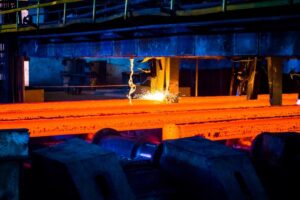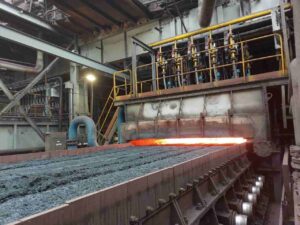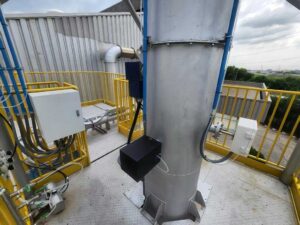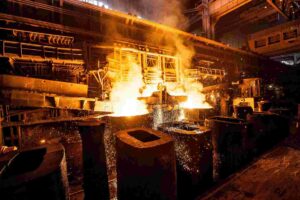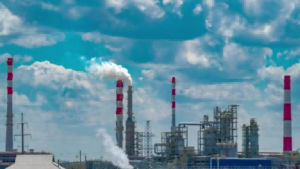




In a steel mill, emissions come from intense heat and heavy industrial action. Processes like blast furnace smelting, sintering machines, and coke ovens produce flue gases that carry pollutants such as NOₓ, SO₂, CO, and particulate matter. Continuous Emission Monitoring Systems (CEMS) track these emissions to help plants stay within legal limits and optimize combustion control. A gas sampling probe acts as the first touchpoint between the hot stack gas and the monitoring system, ensuring the sample truly represents what’s being emitted.
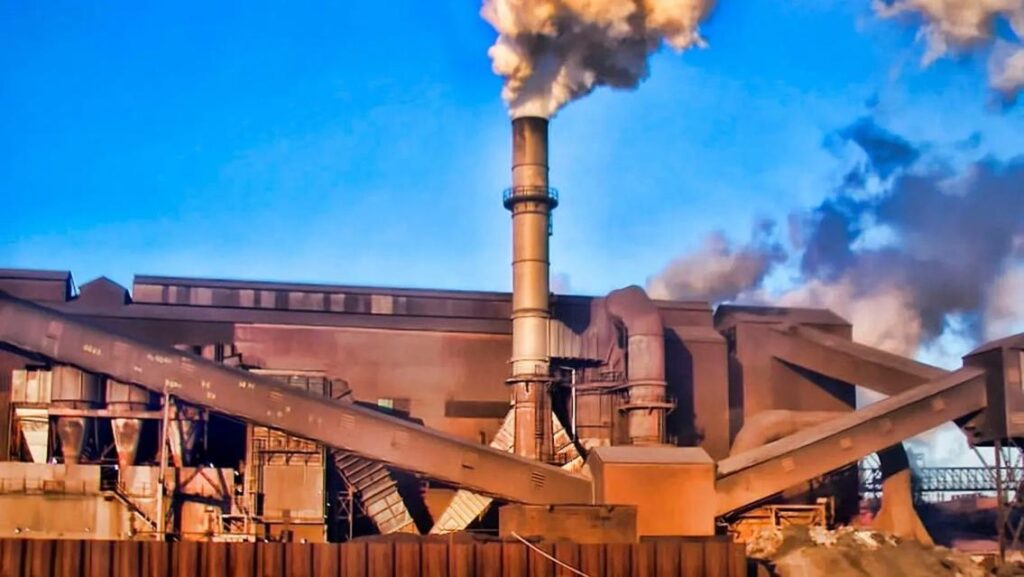
Without the right probe, the gas drawn into analyzers can cool too fast, lose moisture, or gather dust and contaminants. This leads to inaccurate readings, creating problems for compliance reporting, process decisions, and environmental performance. That’s why choosing a robust, application-fit gas sampling probe is critical in harsh steel mill stacks.
In steel mill CEMS, the probe must handle high temperatures, high particulate loads, and corrosive gases without altering the composition of the sample. Common extraction points include the blast furnace stack, sintering exhaust, and coke oven flue — each with unique challenges for accurate, reliable sampling.
What Is a Gas Sampling Probe and How Does It Work in Steel Mill CEMS?
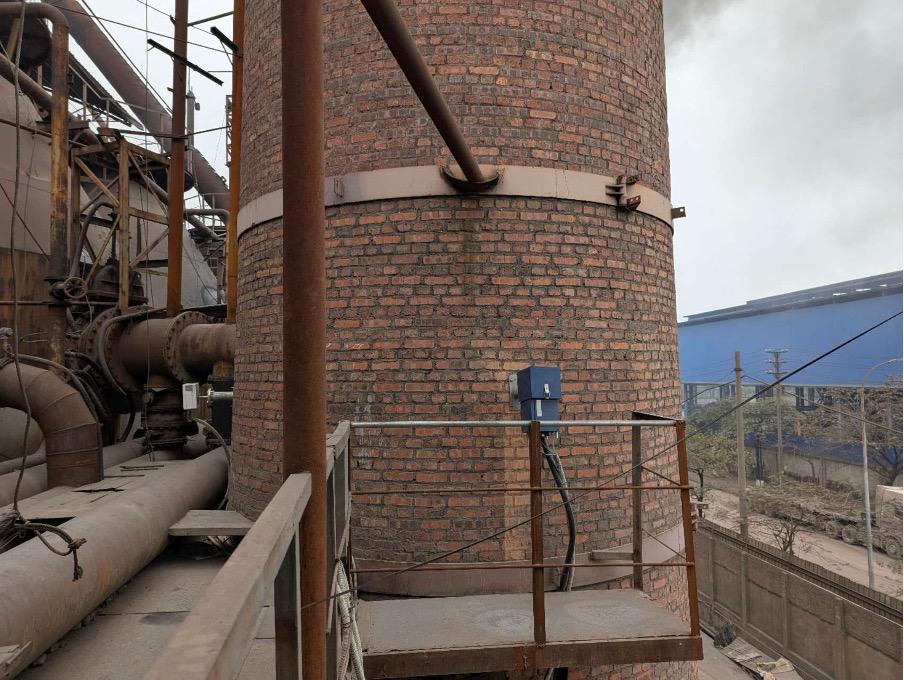
A gas sampling probe is the front-end device that extracts flue gas from a steel mill stack and delivers it to the CEMS analyzer. In steelmaking, flue gas is hot, dusty, wet, and often acidic. Typical temperatures range from 120 to 250 °C, while some points can reach 500–600 °C. Because of this, the probe must capture the gas without changing its composition. In simple terms, if the probe fails, everything downstream fails too.
To manage these harsh conditions, most steel mill probes use a heated extraction design. An internal heater keeps the probe chamber above the gas dew point, usually around 130–180 °C. This prevents water vapor from condensing and washing out soluble gases like SO₂ or HCl. As a result, the analyzer receives a stable and representative sample.
Inside the ESEGAS gas sampling probe, a high-efficiency microfilter removes dust before the gas enters the sample line. Fine ceramic or sintered metal filters, often around 2 µm, stop ash and particulates from damaging valves and analyzers. The probe mounts directly on the duct or stack using a flange and seal, ensuring a tight and stable connection at the sampling point.
To reduce clogging, ESEGAS gas sampling probe include a back-purge system. Dry compressed air or nitrogen flows in the reverse direction at set intervals. This action clears dust from the probe tip and filter surface. Operators can adjust purge timing through a PLC or controller, which helps keep the sampling path open during long campaigns.
Finally, gas sampling probes fall into two practical categories. Heated probes protect sample integrity in hot, wet stacks, while non-heated probes suit cooler, cleaner gas streams. Likewise, back-purge designs handle heavy dust loads better than static probes. Choosing between them depends on where and how the steel mill extracts the gas.
How Does Probe Design Affect Measurement Accuracy?
A gas sampling probe directly affects whether your CEMS reports real emission levels or misleading results. In steel mill monitoring, the probe must pull a sample from the stack and deliver it unchanged to the analyzer. If the sample alters through condensation, dust build-up, or chemical loss, the analyzer reports values that don’t match the true gas composition. This flaw can lead to regulatory non-compliance and poor process decisions.
One common measurement error comes when moisture condenses in the sample path. Condensation traps soluble gases like SO₂ or NO₂ and removes them from the gas stream. Maintaining temperature above the dew point from the probe through the heated sample line prevents this loss and preserves the original gas mix.
Another issue arises when particulate matter blocks the flow. Heavy dust in steel mill exhaust can quickly choke unprotected probes and filters. Choosing robust filtration and periodic purge strategies lets gas flow smoothly without clogging.
In addition, the material and design of the probe influence its resistance to corrosion and heat. Corrosion-resistant metals and proper probe geometry reduce surface interactions that might absorb or react with sample components. Together, these design choices help your CEMS deliver consistent and trustworthy emission data even in harsh steel mill environments.
What Key Criteria Should You Use to Select a Gas Sampling Probe for Steel Mill CEMS?

Choosing a gas sampling probe for steel mills is not about specs alone. It’s about matching the probe to real stack conditions, daily operation, and compliance risk. The criteria below help engineers and buyers make a clear, defensible decision.
A. Operating Environment Factors
Temperature Range & Thermal Stability
Steel mill flue gas often exceeds 200 °C, and some points run much hotter. A probe must keep the sample above the dew point from extraction onward. Heater-traced probes or high-temperature designs prevent condensation, acid attack, and sensor damage. Stable temperature control protects both accuracy and hardware.
Particulate Load & Dust Conditions
Processes like sintering release heavy dust and ash. In these cases, probes need sintered metal pre-filters or multi-stage filtration. These features maintain flow, reduce blockages, and extend service intervals. Without them, clogging becomes routine and data quality suffers.
Corrosion & Material Compatibility
Steel mill stacks often contain SO₂, HCl, and other aggressive gases. 316L stainless steel works for many duties, while harsher streams need corrosion-resistant alloys. The right material limits surface reactions and keeps the gas composition intact.
B. Sampling Accuracy & Representativeness
Insertion Length & Placement Guidelines
A probe must reach the representative gas core, not the cooler boundary layer near the wall. Proper insertion length avoids dilution and stratification effects. Following national monitoring guidance helps ensure defensible data during audits.
Filter & Back-Purge Mechanisms
Built-in back-purge ports clear dust using dry air or nitrogen. This design reduces manual cleaning and keeps the sampling path open. Less fouling means steadier flow and more reliable readings.
C. Maintenance, Calibration & Long-Term Reliability
Ease of Servicing
Time matters in steel plants. Probes with quick-change filters, accessible calibration ports, and modular parts cut downtime. Simple servicing also lowers lifetime operating costs.
Compatibility with CEMS Pre-Conditioning Systems
A probe should work smoothly with heated sample lines and gas conditioners. This integration protects analyzers and stabilizes measurements across load changes.
D. Compliance & Safety Certifications
Explosion-Proof / ATEX Requirements
Some steel mill areas contain combustible gases. In these zones, certified explosion-proof probe designs are essential for safe operation.
Regulatory Alignment
Finally, select probes that support accurate reporting under EPA, EU, or local standards. Compliance-ready designs reduce audit risk and simplify long-term reporting.
What Gas Sampling Probe Types Best Fit Different Steel Mill CEMS Requirements?
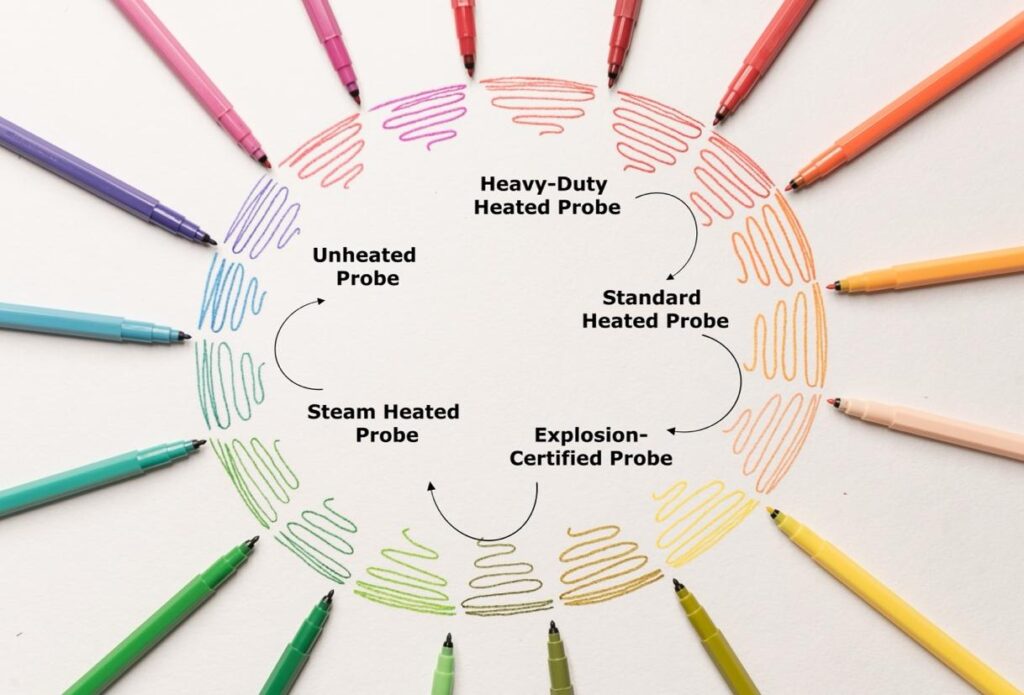
Now that you understand the key factors, let’s link them to practical probe categories. This section helps you match your site requirements with the right gas sampling probe design and features for reliable steel mill CEMS performance.
A. Probes for High-Temperature, High-Dust Steel Mill Stacks
For stacks with extreme heat and heavy particulate loads, select a heavily heated probe with staged filtration. These probes maintain sample temperature up to 300 °C or more and handle abrasive dust without frequent clogging. Multi-stage filtration, including sintered stainless steel elements, traps particles while protecting downstream analyzers.
Good options include probes with ceramic or sintered metal pre-filters, extended filter surfaces, and back-purge ports that clear accumulated dust during operation. Such designs reduce maintenance and sustain representative sampling in tough steel mill environments.
B. Probes for Standard Emission Monitoring Zones
In areas with moderate temperature and lower dust, simpler heated probes work well. These probes still feature integrated filters and basic heater control, but they focus on stable sampling without the complexity of heavy dust handling.
These “standard duty” probes are ideal for monitoring flue points where temperatures are controlled and particulate levels are not severe. They balance cost, performance, and ease of use while maintaining data quality for compliance reporting.
C. Probes for Harsh or Explosive Environments
When monitoring in zones with potentially combustible gases, choose an explosion-certified gas sampling probe. These probes come with ATEX or IECEx certification, built-in safety controls, and protective housings that prevent ignition risks during sampling operations.
Explosion-rated designs also often include retractable probe bodies, back-flush capability, and robust materials. This combination ensures safe, reliable sampling in high-risk areas while protecting personnel and equipment.
Conclusion
Selecting the right gas sampling probe for a steel mill CEMS isn’t just about picking a device — it’s about matching it to your environmental conditions, regulatory targets, process demands, and long-term costs. In high-heat, dusty, or corrosive stacks, the right probe supports accurate, representative sampling and prevents common pitfalls like condensation and clogging. In cleaner or lower-risk zones, a more basic heated or filtered probe may suffice. All decisions should keep both compliance and performance at the forefront of your CEMS strategy.
Moreover, it’s worth consulting with experienced suppliers and industry specialists in ESEGAS. They can help you compare options, weigh trade-offs, and align your probe choice with national or regional standards that apply to steel mill emissions.
Frequently Asked Questions (FAQ)
1. What is a gas sampling probe and why is it essential for steel mill CEMS?
A gas sampling probe is the front-end component that extracts flue gas from a stack and delivers it to the CEMS analyzers for continuous monitoring. It must maintain representative samples by minimizing condensation and particulate blockages. Without a proper probe, analyzer readings can be inaccurate, affecting regulatory compliance and emissions reporting.
2. How does a gas sampling probe impact measurement accuracy in CEMS?
The probe affects sample integrity by controlling temperature, filtration, and flow. Heated probes prevent condensation, while effective filters and back-purge systems reduce dust blockage. Proper materials and design ensure the gas composition remains unchanged before analysis, leading to more reliable emissions data.
3. What factors should I consider when selecting a gas sampling probe for a steel mill?
Key factors include stack temperature, dust and particulate load, corrosive gas content, and placement. Probes with heater tracing help manage high temperatures, while multi-stage filtration and corrosion-resistant materials protect against heavy dust and aggressive gases common in steel mill flue gas.
4. Why is probe placement important for accurate sampling in steel mill CEMS?
Probe placement affects how representative the gas sample is. Regulations and guidelines suggest placing probes in well-mixed zones away from walls or disturbances to avoid stratification or turbulent flow that could skew the results. Proper location increases confidence in monitoring data.
5. What is back-purge and why should a steel mill gas sampling probe have it?
Back-purge is a feature that uses dry air or nitrogen in reverse flow to clear dust and particulates from the probe and filter. This reduces maintenance frequency and keeps the sampling path open, which improves uptime and provides steadier, more representative sampling in dusty environments.
6. Can a gas sampling probe operate in explosion-hazard zones?
Yes, probes designed for explosive or hazardous environments come with safety certifications such as ATEX or IECEx. These certified designs include protective housings and controls that prevent ignition risks during sampling in areas with combustible gases.
7. Does probe material matter for steel mill emissions monitoring?
Absolutely. Corrosion-resistant materials like 316L stainless steel or other alloys help the probe withstand acidic and aggressive gas components encountered in steel mill flue gas. Choosing the right material helps ensure long-term durability and stable measurements.
8. How often should gas sampling probes be maintained?
Maintenance depends on site conditions, but probes with easy-access filters and modular designs simplify service. Planned filter changes, back-purge checks, and periodic inspection can reduce downtime and maintain high data quality. Regular preventive maintenance also helps avoid unexpected failures.