



Within a Continuous Emission Monitoring System (CEMS), temperature, pressure, and flow meters play integrated roles. These sensors do much more than record numbers. They ensure that gas sampling is accurate, that calculated emission rates reflect true operating conditions, and that reporting meets regulatory expectations. Accurate temperature and pressure readings correct flow rate calculations, giving a reliable picture of emissions trends over time.

Well-designed CEMS with robust temperature, pressure, and flow metering not only support compliance but also help facilities understand combustion performance, optimize fuel use, and reduce environmental impact. In other words, these measurements form the foundation of credible and actionable emission data that industry professionals trust.
How Does a CEMS Temperature Pressure Flow Meter Measure Emissions Accurately?
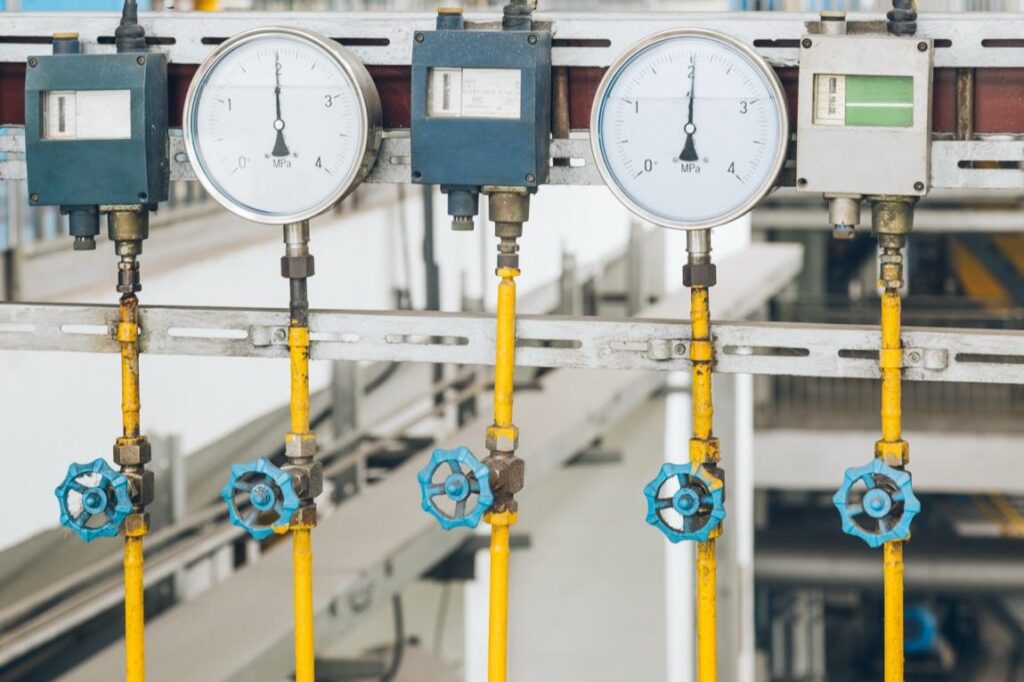
A CEMS temperature pressure flow meter works because three measurements support each other. Temperature sets the physical state of the flue gas. Pressure defines gas density and movement. Flow links gas concentration to total emissions. When one value drifts, the final emission result shifts. That is why operators treat these parameters as a single measurement chain, not isolated signals. Let’s break them down, step by step.
A. Temperature Measurement in CEMS
Why Temperature Matters
Flue gas temperature affects almost everything in a CEMS. High temperatures can damage sensors or distort gas samples. Low temperatures may cause condensation and loss of soluble gases. More importantly, temperature directly influences gas density. Density errors lead to incorrect flow and emission calculations. In short, stable temperature data keeps the entire system honest.
Common Temperature Sensing Technologies
Most CEMS rely on two proven technologies:
- RTDs (PT100) for stable, repeatable measurements
- Thermocouples for high-temperature and harsh stack conditions
These sensors survive vibration, dust, and thermal cycling. They also respond fast enough for real-time monitoring.
Typical Ranges and Accuracy
Industrial CEMS temperature sensors often cover 0–300 °C. Accuracy usually stays within ±0.5–1 °C. This level of precision supports reliable flow correction and compliance reporting.
B. Pressure Measurement in CEMS
Purpose of Pressure Monitoring
Pressure data tells you how tightly gas molecules pack inside the stack. This value directly affects gas density. Without pressure input, flow data becomes guesswork. That is why pressure measurement sits at the heart of mass emission calculations.
Pressure Sensor Types
CEMS commonly use:
- Differential pressure transmitters to measure flow velocity
- Absolute pressure transmitters to correct gas density
Both types integrate easily into sampling probes or duct installations.
Performance Benchmarks
Modern pressure sensors offer:
- Accuracy around ±0.5% of full scale
- Long-term stability under fluctuating loads
This stability keeps emission data consistent across reporting periods.
C. Flow Metering in CEMS
Role in Emissions Calculations
Flow measurement connects concentration data to reality. Gas analyzers show ppm or mg/Nm³. Flow meters convert those values into kg/h or tons per year. Regulators care about mass emissions, not just concentration.
Types of Flow Technologies
Different stacks need different tools:
- Pitot tubes for cost-effective velocity measurement
- Micro-venturi probes for stable signals
- Ultrasonic meters for large ducts
- Thermal mass meters for clean, steady gas streams
Each option balances accuracy, maintenance, and installation limits.
Temperature & Pressure Compensation
Here is the key link. Flow meters use temperature and pressure data to correct volumetric flow. The system converts actual conditions to standard conditions. This correction turns raw readings into defensible emission numbers. Without it, compliance reports lose credibility.
Together, these three measurements define the technical backbone of any reliable CEMS temperature pressure flow meter. In the next section, we’ll look at how they work as a unified system in real installations.
How Do Temperature, Pressure & Flow Work Together in a CEMS Temperature Pressure Flow Meter?
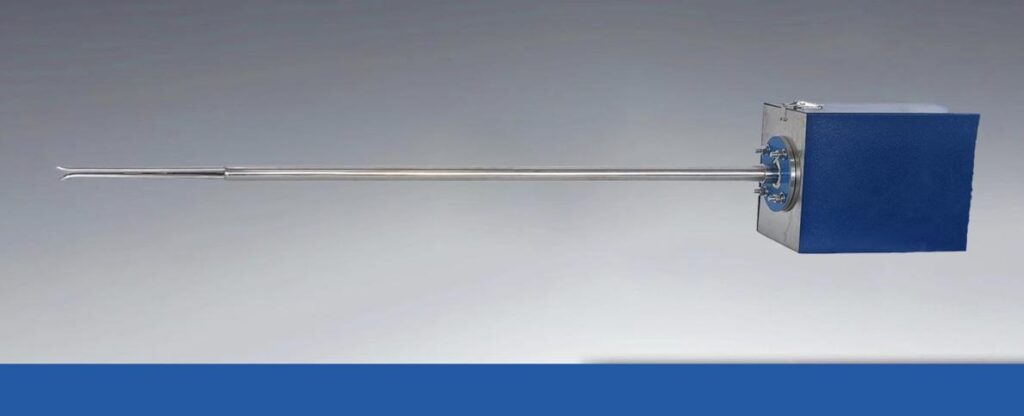
Technical Integration: How the Monitor Captures Real-Time Airflow Data
In real operations, accurate emission results depend on how temperature, pressure, and flow work together in a CEMS temperature pressure flow meter. A good integrated system measures all three parameters in a seamless cycle and prepares them for emission reporting. A compact example of this approach is a monitor (ESEGAS TPV 2000) that continuously tracks flue gas temperature, static pressure, differential pressure, and velocity in stacks or ducts. It blends multiple sensors into a unified instrument so operators see a true picture of combustion airflow.
At the heart of this monitor is a Pitot tube that senses dynamic and static pressure and a temperature probe that measures flue gas heat. Both sensors feed data to pressure transmitters and a control module. Under normal conditions, the monitor cycles through all channels automatically, collecting multiple parameters in real time. This automated sequence eliminates data gaps and supports reliable trend analysis.
To keep flow measurement stable, especially in dusty or particle-laden exhaust, the monitor uses a blowback cleaning system. This system delivers short pulses of high-pressure air to clear the Pitot tube and maintain consistent velocity readings over time. Operators can trigger blowback manually or let the system run it based on programmed logic. Regular cleaning helps prevent ash build-up that otherwise distorts differential pressure and flow outputs.
Long-term accuracy also requires dealing with sensor drift. In many industrial environments, differential pressure sensors slowly lose their baseline, causing slow measurement errors. To solve this, the monitor can perform automatic self-calibration after each blowback cycle. This automatic zero-point calibration restores baseline accuracy without shutting down operations or requiring manual intervention, ensuring consistent performance even in harsh environments.
Data Fusion for Emission Reporting: Turning Signals into Actionable Results
Once temperature, pressure, and flow data stream from sensors, the system fuses these signals to compute emission factors and pollutant mass flow in real time. Simply put, concentration data from gas analyzers (for example CO or NOx levels) only tell you how polluted the gas is. To translate that into how much pollutant is actually leaving the stack, the system needs flow rate — and that flow rate must be corrected for temperature and pressure differences from standard conditions.
In practical terms, this means the monitor sends all three parameters to a centralized data acquisition and processing unit. The unit applies physics-based formulas that convert volumetric flow into standardized mass flow, using temperature and pressure as correction factors. Temperature affects gas density, and pressure affects how tightly molecules pack — both influence the final calculation of pollutant mass per hour or per year.
This fusion process supports real-time compliance reporting, trend tracking, and alerts for abnormal operating conditions. When operators understand not just pollutant concentration but also how much gas is actually flowing, they can make smarter choices about combustion tuning, maintenance planning, and regulatory communication. It is this integrated view — not any single sensor reading — that makes a CEMS temperature pressure flow meter an indispensable tool for modern industrial emission management.
Conclusion
Understanding how temperature, pressure, and flow work together in a CEMS temperature pressure flow meter is essential for any industrial site that cares about accuracy, compliance, and real-world performance. These three measurements form the backbone of reliable emissions data. Without accurate temperature and pressure readings, flow calculations — and therefore mass emissions — have little meaning. When integrated properly, they allow you to trust your reports and act on insights rather than guesswork. They also help you spot combustion issues early, tune process performance, and avoid regulatory risks, which ultimately supports long-term operational success.
If you want to know more details, reach out for tailored guidance.
FAQs:
1. What is a CEMS Temperature Pressure Flow Meter?
A CEMS temperature pressure flow meter is an integrated measurement system used in Continuous Emission Monitoring Systems (CEMS). It simultaneously measures flue gas temperature, static pressure, differential pressure, and flow velocity in industrial exhaust stacks or ducts. This combined data helps operators calculate real-time pollutant emissions accurately and consistently.
2. Why do industries use a CEMS Temperature Pressure Flow Meter?
Industries deploy these meters to support emission compliance, ensure accurate reporting, and improve process insight. By capturing thermal and pressure parameters along with gas flow, operators can convert gas concentrations into mass emissions — a requirement in many environmental regulations around the world.
3. How does temperature measurement affect emissions monitoring?
Temperature impacts gas density and composition. Accurate temperature data lets the system adjust flow rates and emission calculations to real conditions rather than guesswork. Without correct temperature input, flow and mass emission results would be misleading or non-compliant.
4. Why is pressure measurement important in a CEMS system?
Pressure measurement affects gas density and flow calculations. Static and differential pressure readings allow the system to adjust volumetric flow to mass emissions, which is necessary to meet regulatory reporting and to align with environmental standards.
5. How does a CEMS flow meter work with temperature and pressure data?
Flow meters measure gas velocity or volumetric flow, but raw flow data alone isn’t enough for regulatory reporting. By combining flow with temperature and pressure, systems convert raw data to standardized mass flow, satisfying compliance requirements and giving operators meaningful emissions metrics.
6. Can a CEMS Temperature Pressure Flow Meter operate in harsh environments?
Yes. Many integrated systems include self-cleaning mechanisms (e.g., pulse blowback) and automatic calibration routines that keep sensors accurate even in dusty, high-temperature, or particle-laden exhaust streams. These features reduce maintenance and improve long-term stability.