



Pharmaceutical manufacturing has a zero-tolerance policy for error. When you package sensitive drugs, the air itself becomes an enemy. Oxygen is not just a gas; it is a relentless chemical aggressor. It attacks active pharmaceutical ingredients (APIs) invisible to the naked eye. To prevent this, manufacturers invest millions in nitrogen purging systems. But pumping nitrogen is not enough. You must verify it. This is where the trace oxygen analyzer becomes the most critical tool in your production line. It transforms a blind process into a scientifically controlled environment. Without it, you are merely hoping for stability rather than ensuring it.
Inert packaging is never a “set and forget” task. It is a continuous, dynamic process that requires vigilance. Seals can develop micro-leaks. Nitrogen supplies often fluctuate. High-speed turbulence traps air pockets. The trace oxygen analyzer monitors these variables in real-time. It ensures that “oxygen-free” is a documented fact rather than a theoretical target. This technology stands as the final, unblinking guard between a compromised product and the patient.
Why Is a Trace Oxygen Analyzer Essential to Stop Invisible Oxidative Degradation?

Oxidation is rarely a simple, surface-level event. In pharmaceutical formulations, it typically manifests as autoxidation, a destructive free-radical chain reaction. This process begins with initiation, where energy or impurities strip a hydrogen atom from the drug molecule. This creates a highly unstable free radical. Once formed, these radicals react rapidly with molecular oxygen during the propagation phase. They steal atoms from neighboring molecules, triggering a cascading domino effect of destruction. Finally, the reaction reaches termination, leaving behind non-active byproducts. Without a trace oxygen analyzer, you cannot detect the fuel—oxygen—that sustains this microscopic fire.
Many manufacturers underestimate the potency of oxygen. They assume that reducing oxygen to “low” levels is sufficient. However, for sensitive Active Pharmaceutical Ingredients (APIs), “low” is often not low enough. Even trace amounts at the parts-per-million (ppm) level can fuel degradation pathways. A headspace containing just 0.1% oxygen contains trillions of reactive molecules. That is more than enough to compromise a lipid-based emulsion or a protein therapeutic. Consequently, standard “spot checks” fail to capture the risk. Only continuous monitoring with a high-precision analyzer ensures the environment stays below these critical thresholds.
The most dangerous aspect of oxidation is its invisibility. We often associate spoilage with physical changes, like an apple turning brown. In pharmaceuticals, however, significant chemical damage often occurs long before any visual shift happens. A clear, colorless vial may have already lost 20% of its potency. Even worse, it might now contain toxic degradation byproducts. Relying on visual inspection is therefore a strategy set up for failure. A trace oxygen analyzer provides the only reliable defense. It detects the invisible threat of oxygen ingress before it ever has the chance to alter the chemistry of your drug.
Why Is Nitrogen Purging Alone Insufficient Without a Trace Oxygen Analyzer?
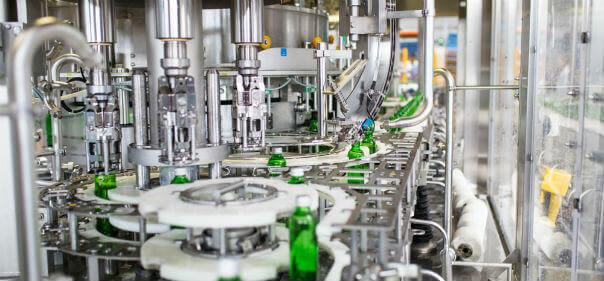
Manufacturers deploy Modified Atmosphere Packaging (MAP) as their primary defense against oxidation. This process involves flushing the package headspace with inert gases like nitrogen or argon. The gas physically displaces the oxygen-rich ambient air from vials, blisters, and ampoules. In theory, this creates a safe, non-reactive vacuum around the drug. It aims to starve the chemical reactions that cause degradation. However, simply installing a nitrogen tank does not guarantee a safe environment.
The physical reality of high-speed manufacturing creates chaos. As vials rush down the line, the filling process generates significant air turbulence. This chaotic movement can trap pockets of oxygen inside the vial just moments before sealing. Consequently, a “purged” vial might still retain dangerous oxygen levels. Furthermore, fluctuations in nitrogen supply pressure can silently reduce purge efficiency. Without a trace oxygen analyzer to verify the output, you are blindly trusting an inconsistent mechanical process.
Even a perfectly purged package faces ongoing threats from the materials themselves. Every packaging material possesses a specific Oxygen Transmission Rate (OTR). Over time, oxygen molecules can permeate through plastic containers or rubber stoppers. Additionally, imperfect seals often leave behind micro-leaks that remain invisible to the naked eye. These tiny breaches allow oxygen to slowly seep back in during storage. This re-entry effectively re-arms the chemical threat you tried to eliminate.
This uncertainty reveals a critical gap in the standard defense strategy. You cannot manage a risk that you fail to measure. Pumping gas is merely a mechanical action; confirming its presence is a quality control necessity. This is the precise moment where the trace oxygen analyzer becomes essential. It bridges the gap between the assumption of an inert environment and the proof of one. It ensures that your defense strategy is actually working.
How Does a Trace Oxygen Analyzer Ensure the Nitrogen Purge Removes Oxygen Effectively?
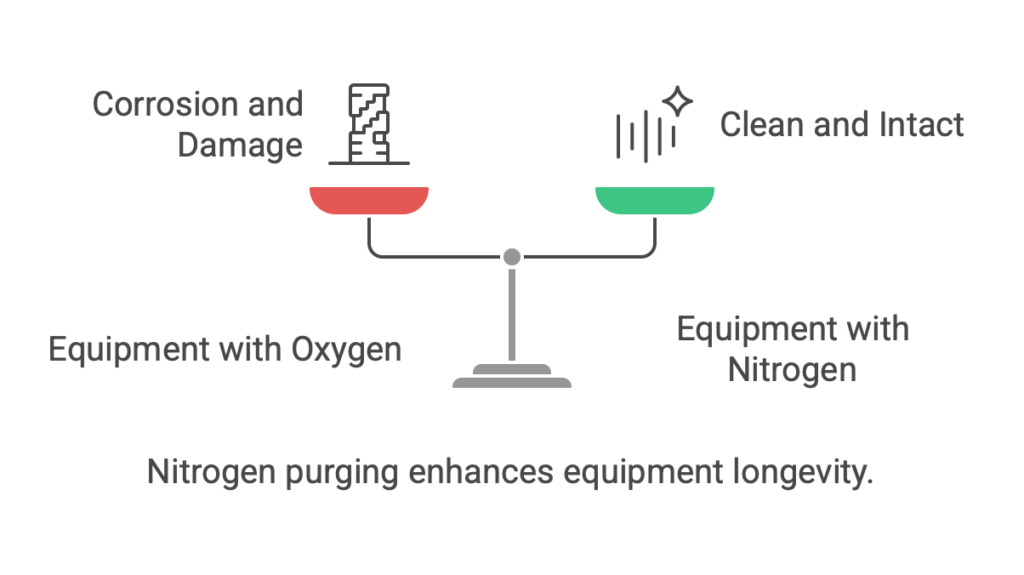
Manufacturers use Modified Atmosphere Packaging (MAP) to reduce oxygen in drug vials and blisters by flushing them with nitrogen. Ideally, nitrogen pushes out all oxygen. In practice, it often doesn’t. Fast filling can trap tiny air pockets, nitrogen gas may carry trace contaminants, and packaging seals can allow oxygen back in over time. If you assume the headspace is oxygen-free without measuring it, you risk stability problems. Even a small amount of oxygen can degrade sensitive biologic drugs. You need real-time verification to confirm the purge works.
A trace oxygen analyzer acts like a set of real-time sensors watching your purge process. It constantly measures oxygen in the nitrogen supply and inside the processing chamber. If oxygen levels rise, the analyzer sounds an alarm and can halt the line before compromised products are sealed. This continuous monitoring protects quality and reduces waste.
This method reflects Process Analytical Technology (PAT) principles. Instead of finding a bad vial after packaging, you prevent the issue during production. The analyzer helps you pinpoint where failures occur. If the chamber air is clean but the vial still shows oxygen, check the seal integrity. If both show oxygen, investigate the nitrogen feed. Accurate oxygen data speeds troubleshooting and limits costly downtime.
Not all sensors hold up under pharmaceutical demands. Many systems use electrochemical oxygen sensors, but these consume chemical fuel and gradually lose accuracy. For critical process control, you need a sensor that stays stable and reliable. The ESEGAS trace oxygen analyzer uses advanced electrochemical oxygen sensor technology that does not degrade quickly. It delivers consistent readings for years with minimal maintenance.
• Long-Lasting: Sensor operates for years without frequent replacement.
• Fast Response: Detects changes in nitrogen purity instantly.
• High Precision: Measures trace oxygen down to ppm levels reliably.
By integrating a trace oxygen analyzer into your inert packaging line, you get dependable, clear data that keeps your products safe and compliant with strict pharmaceutical standards.
Conclusion
Inert packaging is more than a manufacturing step—it’s a commitment to patient safety. It means drugs stay potent from factory to pharmacy shelf. However, that promise only holds if you verify oxygen is truly excluded from the package environment. A trace oxygen analyzer turns a hopeful assumption into measurable assurance. Instead of guessing that nitrogen purging worked, you know it worked. Continuous oxygen monitoring gives you clear, actionable data throughout the packaging process.
Moreover, investing in precision tools like the ESEGAS trace oxygen analyzer protects both product and reputation. You catch problems early, reduce batch losses, and strengthen quality assurance. Ultimately, reliable oxygen control ensures therapies remain effective when patients need them most. With a trace oxygen analyzer in place, you deliver on your quality promise every time.
If you want to explore your low concentration oxygen monitoring solution, contact with us please!
FAQs:
1. What is a trace oxygen analyzer and why is it important in pharmaceutical packaging?
Answer: A trace oxygen analyzer continuously measures very low oxygen levels in inert gas environments, such as nitrogen-purged packaging. In pharmaceutical packaging, it verifies that oxygen remains at ultra-low levels to protect drug stability and prevent oxidative degradation. Accurate oxygen control helps maintain potency and shelf life of oxygen-sensitive medications.
2. How does a trace oxygen analyzer validate nitrogen purging?
Answer: During inert gas purging, a trace oxygen analyzer measures oxygen in real time. If the oxygen concentration rises above the target, the system alerts operators so they can correct the purge process before products are sealed. This ensures proper inerting and consistent drug stability.
3. What oxygen concentration levels should be monitored in pharmaceutical packaging?
Answer: For many oxygen-sensitive drugs, target oxygen levels are in the parts-per-million (ppm) range rather than percent levels. This ultra-low monitoring (often <1–10 ppm) ensures minimal oxidative risk during storage and handling.
4. Can a trace oxygen analyzer detect oxygen in sealed packages after MAP?
Answer: Yes. Trace oxygen analyzers can be used in-line to check the headspace in sealed packages after Modified Atmosphere Packaging (MAP). This confirms that oxygen replacement with inert gas (e.g., nitrogen) was successful and that the package remains within specification.